Key takeaways
Summary: Understanding how property liens work can help San Jose homeowners avoid delays, protect their equity, and keep a sale from getting derailed at the worst possible moment.
When it comes to real estate transactions, property liens can be a major obstacle for both buyers and sellers. In San Jose, California, understanding property liens is crucial to ensure a smooth home sale process. In this comprehensive guide, we will explore the different types of liens on houses, how they can slow down a real estate transaction, and what you should do if your property has a lien. Whether you’re a homeowner or a prospective buyer in San Jose, this article will provide you with valuable insights and practical advice.
What is a Property Lien?
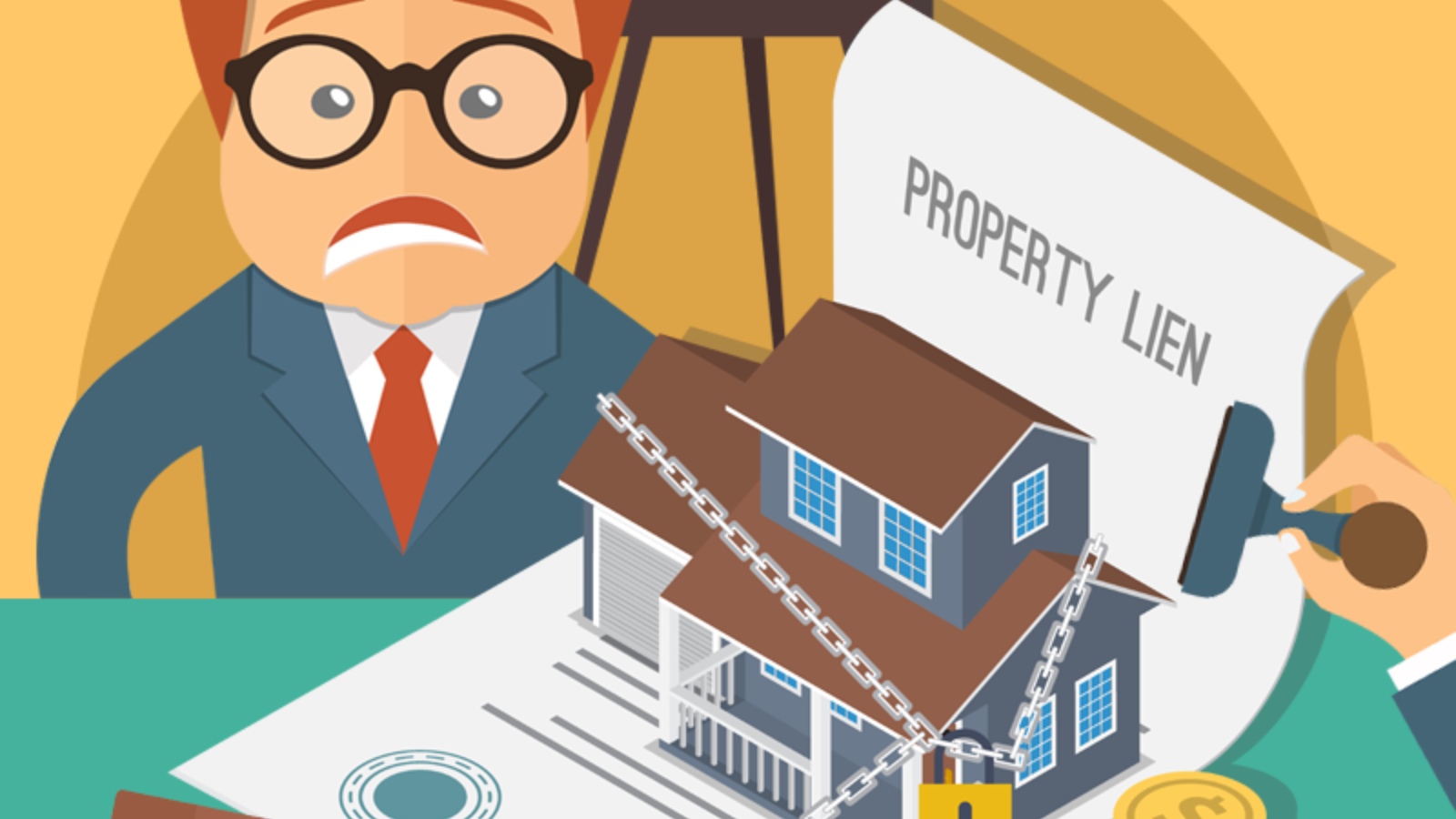
Before we delve into the specific details of property liens in San Jose, it’s important to have a clear understanding of what a lien is. In simple terms, a property lien is a legal claim that a creditor can put against your property as a consequence of an unpaid debt. It allows the creditor to collect the debts you owe them by potentially selling your property. Liens are typically filed for unpaid taxes, missed mortgage payments, unpaid bills, or payments owed to contractors for work done on the home.
Does your place need a little work?
Sell As-Is. Sell for More.
No remodel, no lowball investor offer. Most Bay Area sellers net more selling as-is, and I'll show you how to get full market value without fixing a thing.
Show Me How →
Common Types of Liens on Houses
In San Jose, as in any other city, there are two main types of liens on houses: voluntary liens and involuntary liens. Let’s take a closer look at each of these types.
1. Voluntary Liens
Voluntary liens are liens that are agreed upon by both the creditor and the debtor. The most common example of a voluntary lien is a mortgage. When you purchase a property and obtain a loan from a bank, the bank holds a lien on the property until the mortgage is fully paid off. Voluntary liens do not negatively affect the property’s title or the homeowner’s ability to transfer ownership.
2. Involuntary Liens
Involuntary liens are imposed by law and are placed on a property due to unpaid obligations. These liens can be filed without notice depending on the situation. Involuntary liens can make refinancing or selling your home difficult as they can leave a black mark on your public record and hinder your ability to obtain a clear title. Let’s explore some common types of involuntary liens.
Property Tax Lien
If you fail to pay your federal, state, or county taxes in San Jose, the government may file a property tax lien on your property. This type of lien usually takes priority over all other mortgages and liens on your home, even if it was filed last. The government can potentially sell your home to recover the unpaid taxes. However, in some cases, you may have the opportunity to redeem your property by paying the overdue taxes and associated costs.
Judgment Lien
A judgment lien can be placed on your property in San Jose if a creditor sues you and wins the case. This type of lien ensures that the creditor will receive the money owed to them. The creditor can obtain a certificate of judgment from the court and file it with the land records office in the county where the property is located. Unsecured creditors, such as those holding credit card debt or medical bills, commonly use judgment liens. An attorney can also impose a judgment lien if you fail to pay for legal services.
Mechanic’s Lien
A mechanic’s lien, also known as a contractor’s lien, is a claim for payment filed by contractors in the home improvement business. If you hire contractors, such as general contractors, carpenters, plumbers, electricians, or handymen, to work on your home in San Jose, they may file a mechanic’s lien on your property to ensure they are paid for their services. This lien serves as their legal recourse to collect overdue invoices, especially when the property is expected to transfer ownership.
Timing is Everything in Life

How Liens Can Slow Down a Real Estate Transaction
Property liens can significantly slow down a real estate transaction in San Jose. Let’s explore three common ways in which liens can pose challenges during the home sale process.
- Title Search Delays: When a title company conducts a search for any liens filed against your property, the discovery of a lien can temporarily put the real estate transaction on hold. The closing may be delayed until the lien is resolved or paid off.
- Mortgage Approval Issues: If a property lien is discovered before closing, it can potentially jeopardize a buyer’s mortgage approval. Mortgage companies generally require the lien to be satisfied or paid off, usually by the seller, before they agree to finance the purchase.
- Difficulty in Selling the Property: If you’re the seller and your property has a lien, it can be challenging to find a buyer. Most buyers are reluctant to purchase a home with an unclear title. Lenders typically require a clear title before approving the purchase and financing the property. As the seller, it is your responsibility to pay off the lien before you can successfully sell the property.
What to Do If Your Property Has a Lien
If you discover that your property in San Jose has a lien, it’s important to take appropriate actions to resolve the issue. The steps you should take may vary depending on the type of lien and the specific circumstances. Here’s a general guide for both home sellers and home buyers.
Home Sellers:
- Verify the Lien: First, determine if the lien actually belongs to you. Liens can sometimes be searched by name, so it’s possible that multiple matches might appear. Work closely with your real estate agent and title company to verify the validity of the lien and gather all relevant information.
- Review the Claim: If the lien is confirmed to be on your property, review the claim in detail. For a mechanic’s lien, compare it against invoices and payment receipts. If you have a signed receipt from the contractor showing that the bill has been paid in full, it can serve as proof to file a lien release form.
- Contact the Lien Holder: In cases where there is a legitimate lien on your property, get in touch with the lien holder to discuss how to pay off the debt. Be prepared to bear the additional expenses associated with clearing the lien and anticipate a delay in the title transfer process. If you’re unwilling to pay or want to contest the validity of the lien, consider seeking guidance from the title company or consulting with a legal professional.
Home Buyers:
- Perform Due Diligence: Before purchasing a property in San Jose, conduct thorough due diligence to ensure there are no existing liens. This includes obtaining a title search and purchasing title insurance, which can protect you from potential hidden liens.
- Understand Auction Risks: If you’re considering buying a property at auction, be aware that there may be liens against the property from previous owners. Skipping title insurance in an auction purchase can expose you to potential debts and complications. Educate yourself about the risks and consult with professionals before proceeding.
- Seek Legal Advice: If you encounter a property with a lien that you were not aware of, consult with a real estate attorney to understand your options and potential liabilities. They can guide you on how to proceed and negotiate with the lien holder if necessary.
Conclusion
Property liens can be a nightmare for homeowners and buyers in San Jose. Understanding the different types of liens, their implications, and the steps to resolve them is crucial for a smooth real estate transaction. Whether you’re selling or buying a property, be proactive in addressing any liens to ensure a successful and stress-free process. By staying informed and seeking professional advice when needed, you can navigate the complexities of property liens in San Jose with confidence.
Here’s the FAQ block in your preferred style, plus matching FAQPage JSON-LD schema:
Frequently Asked Questions
What is a property lien?
A property lien is a legal claim against a home or other real estate due to an unpaid debt. In practice, it gives a creditor a way to seek payment and can create problems when the owner tries to sell or refinance the property.
What are the most common types of property liens in San Jose?
The most common types discussed on this page are voluntary liens and involuntary liens. A mortgage is the classic example of a voluntary lien, while property tax liens, judgment liens, and mechanic’s liens are common involuntary liens that can complicate a sale.
Can you sell a house in San Jose if it has a lien?
Yes, but it can be much harder. In most cases, the lien needs to be resolved, paid off, or otherwise cleared before closing so the buyer can receive clear title. If not addressed early, a lien can delay or even derail the transaction.
How do liens affect buyers?
Liens matter to buyers because they can cloud title and create financial risk. That is why buyers should order a title search, obtain title insurance, and be especially cautious with auction properties where hidden lien issues may be more likely.
What should I do if I discover a lien on my property?
Start by verifying that the lien is actually tied to your property, then review the claim carefully and contact the lien holder if the debt is legitimate. In many cases, your title company, real estate agent, and possibly a real estate attorney can help you figure out the fastest path to resolving it.

Time to talk to a REALTOR®?
Book a Call with Seb
Selling, buying or just weighing your options? Pick a time that works for you and we'll talk it through.
Pick a Time →Rather talk now? Call or text 408.413.3087
Senior Friendly Homes in Silicon Valley South
2
3
4
5
6
7
8
9
10
11
12
13
14
15
16
17
18
19
20
21
22
23
24
25