Key takeaways
Summary: Buyers don’t pay more for “new light bulbs”—they pay more for the feeling of bright, airy space. The right lighting plan improves photos, showings, and perceived value.
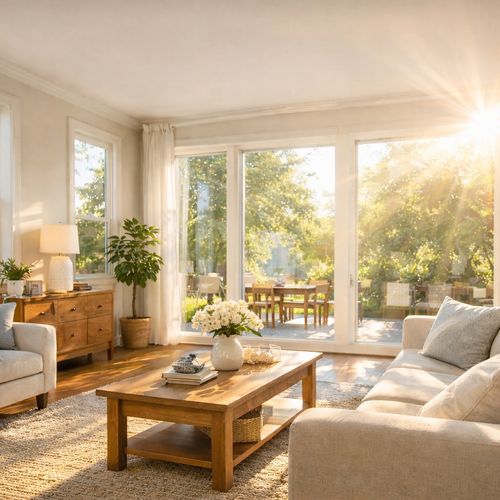
Natural light isn’t just a “nice-to-have” feature—it’s often a must-have for homebuyers and a boon for homeowners. In fact, roughly 74% of U.S. homebuyers say they would skip a property if it has poor natural lighting, even if everything else about the home is great . Buyers are willing to pay a premium for bright, sunlit spaces: one survey in the UK found 84% of buyers rate natural light as the most important factor when house-hunting, and on average people would pay an extra £4,786 (≈$6,000) for a home with abundant light. Closer to home, a study of seasoned buyers showed over 80% were prepared to spend up to $5,000 (and 17% would spend more) on design features that maximize natural light in a new home. The message is clear: bright homes tend to sell faster and for higher prices, especially in sunny markets like California.
But the benefits of natural light go beyond resale value. Daylight has a profound impact on our well-being. Sunlight triggers our bodies to produce vitamin D and boosts serotonin levels, improving mood and energy. Studies show that people working in windowless environments experience worse sleep, lower mood, and higher rates of depression compared to those with windows. Conversely, each additional hour of daylight exposure is linked to a decrease in long-term depression risk and improved overall happiness. Simply put, a brighter home is a healthier and happier home. Given the Bay Area’s beautiful natural scenery and abundant sunshine, it makes sense to soak up as much of that natural light as possible indoors.
However, not all homes are blessed with abundant sunlight – and some are downright challenged in this respect, with little opportunity to improve the situation. That’s why in this article we explore ways to both improve natural light (when possible), and at ways to improve the quality and quantity of light in your home that will be as natural and as pleasing as possible to prospective buyers.
Why Buyers Love Light-Filled Homes (and How It Boosts Value)
It’s worth emphasizing just how much natural light influences home value and buyer interest. Real estate agents in Silicon Valley consistently find that bright, sunlit rooms make a stronger impression on buyers than any fancy renovation. Science and surveys back this up:
Buyer Demand
As noted earlier, three in four buyers won’t even consider a dark home. Words like “bright” and “light-filled” are staples in real estate ad copy because they draw people in. A well-lit home feels more spacious and inviting, which can translate to more offers and higher bids. Homes with ample natural light often “command higher prices” because buyers recognize the value of a cheerful, well-lit space.
Higher Perceived Value
There’s data to suggest that adding natural light features yields a good return on investment. In one survey of homebuyers, over 80% said they’d pay extra for a property with abundant natural light, and some were willing to spend tens of thousands more for a sun-drenched home. Another study found buyers were prepared to invest around $5K or more during construction or renovations to prioritize light, seeing it as a key contributor to a home’s worth and livability.
Wellness and Comfort
Natural light isn’t just about aesthetics, it’s a quality of life factor. Bright homes tend to make people feel happier, more energized, and even more productive. Exposure to daylight boosts your circadian rhythm, helping you sleep better at night. It can also reduce the need for electrical lighting during the day, which saves energy. Health-wise, sunlight exposure (even through windows) helps our bodies generate vitamin D and increases serotonin, the “happy hormone.” Many homeowners explicitly seek out light-filled spaces for home offices or gyms because it improves their mood and focus. It’s no wonder a Marvin Windows survey found that architects and builders rank “increased natural light” and outdoor views among the top wellness features clients ask for in home design.
Psychological Benefits
Think about how you feel walking into a dim, cave-like room versus a bright, sunlit one. The latter likely lifts your spirits. That’s not just in your head: studies show daylight has tangible mental health benefits. Employees in windowed offices report less stress and better mood than those in windowless spaces. And a large study in the Journal of Affective Disorders found each extra hour of outdoor light per day led to lower depression rates and less use of antidepressants . For homeowners, simply having a sunny nook to enjoy your morning coffee can set a positive tone for the day. Natural light makes a home feel alive.
In short, maximizing natural light is one of those rare improvements that enhances your daily living and boosts your home’s market appeal. It’s a win-win for homeowners and sellers alike.
Sell As-Is. Sell Easy. Sell Smart!

Cost-Effective Ways to Brighten Your Home Naturally
You don’t need a full remodel to increase the light in your house. Here are several budget-friendly real estate tips to maximize natural light in your home:
Ditch Heavy Window Coverings
Thick drapes and dark blinds block a surprising amount of sunshine. Replace them with sheer curtains or light-filtering shades to let the light pour in. Even removing screens temporarily (for instance, while your home is on the market) can increase brightness. As a general rule, I recommend removing window coverings to the greatest extent possible when marketing a home. This is an easy win, and the truth is, most buyers will want to pick their own window coverings anyway.
Keep Windows Crystal Clear
Grimy windows = less light. Dirt, dust, and water spots diffuse and block sunlight. Give your window panes a good cleaning (inside and out) to instantly boost illumination. Clean, streak-free windows bring in more natural light and prevent rooms from looking “dark and dingy.” Don’t forget to clean skylights and glass doors as well. Anything that light can pass through should be as clean as practical.
Trim Trees and Bushes Outside
Take a look at what’s outside your windows. Overgrown trees, vines, or shrubs can cast shadows indoors. By trimming back branches that overshadow windows, you’ll let more sun reach your glass. Just be sure to check local regulations or HOA rules before removing large limbs or trees, as permits might be required in some areas.
Lighten Up Your Paint
Opt for light, neutral paint colors for walls and ceilings to reflect sunlight. Whites, off-whites, and pale tones bounce light around, unlike dark colors that absorb it. A white or light-colored wall with a semi-gloss or satin finish will reflect far more daylight back into the room . For example, many Santa Cruz designers love using paints like Benjamin Moore “Chantilly Lace” or Sherwin-Williams “Alabaster” to create an airy, light-maximizing backdrop.
Use Mirrors to Reflect Light
This is an old decorator’s trick that really works. Placing a large mirror opposite a window essentially doubles the light – the mirror bounces sunlight deeper into the room. Mirrored backsplashes or even glossy subway tile in kitchens can have a similar effect, spreading light and adding sparkle. Likewise, glass or acrylic decor pieces (tables, vases, etc.) can help scatter light as well.
Rearrange Furnishings
Ensure you’re not unintentionally blocking light. Avoid pushing tall furniture (bookcases, armoires) in front of windows or using bulky pieces that cover up too any part of a window’s opening. Instead, choose low-profile couches or open-leg chairs near windows. Consider glass coffee tables or open shelving that allow light to pass through. Keeping the center of the room clutter-free also lets light travel farther. Give those sunbeams a clear path!
Brighten with Accessories
If you have dark floors or heavy area rugs, layering in some lighter-colored textiles can help brighten the look of a room. For instance, a light-toned rug or white throw pillows can make the space feel more reflective. Also, use metallic or glass accents (like a brass lamp or glass photo frames) – they’ll catch the light and add a bit of shine.
Add Skylights or Solar Tubes (If Budget Permits)
For rooms that just don’t get enough natural light due to few or no windows, a skylight or solar tube can be a game-changer. A traditional skylight is essentially a window in your roof – great for top-floor rooms. Tubular skylights (a.k.a. solar tubes or sun tunnels) are a cost-effective alternative that can bring daylight into even first-floor bathrooms or hallways. These are reflective tubes that funnel sunlight from the roof to the room below.
They often cost under $2,000 installed (significnatly less than adding a new window) and they don’t require major construction. Many Bay Area homeowners choose solar tubes to brighten dark interior spaces where adding a window isn’t feasible. If a full skylight is in your budget, modern options have features like remote-controlled shades and low-E glass to reduce heat – but even a basic fixed skylight will flood a room with uplifting natural light.
By implementing these changes, you’ll notice your home feels brighter and more open without spending a fortune. And whenever you do have a budget for bigger updates, consider installing larger windows or glass patio doors to connect indoor spaces to the outside. For example, swapping a solid exterior door with a half or full-light door (one with glass panes) can dramatically increase daylight in an entryway or mudroom. Every bit of sunshine helps!
Concierge Services

When You Can’t Get More Sun: Daylight-Mimicking Lighting Solutions
Sometimes, due to layout, topography, or season, it’s just not possible to bring in enough natural light. Don’t worry—you can fake it, to some degree, with technology. Modern lighting systems can replicate the look and feel of sunlight surprisingly well. Here’s how to illuminate those darker corners and overcast days:
Daylight LED Bulbs
The easiest fix is to swap out regular bulbs for “daylight” LED bulbs. These bulbs have a higher color temperature (usually around 5000K–6500K) that emulates the white light of midday sun. For instance, a 5000K LED bulb produces a neutral white light similar to natural daylight but without a bluish cast. At 6500K, the light is even cooler and mimics a bright sky or overcast daylight (this can feel a bit bluish, so many homeowners prefer ~5000K for living areas). Look for labels like “Daylight,” “Full Spectrum,” or “Natural Light” on LED bulb packages. Popular examples include Philips Daylight LED ir GE Refresh and specialty full-spectrum bulbs like Norb® Light. These bulbs are designed to render colors accurately and brighten a room much like true sunshine.
High Lumens & High CRI
Beyond color temperature, pay attention to lumens and CRI. Lumens measure brightness – the higher, the brighter. A standard 60W-equivalent LED gives around 800 lumens. To simulate daylight in a larger space, you might use multiple bulbs or higher lumen bulbs (like 100W-equivalents ~1600 lumens each). Don’t be afraid to use several light sources; real sunlight is incredibly bright – on the order of 20,000 lumens in a sunlit room – so achieving a daylight feel often means layering lights. CRI (Color Rendering Index) indicates how faithfully the light shows colors compared to natural light (100 CRI). Aim for CRI 90+ bulbs, which make colors in your furnishings and decor look vibrant and true-to-life (low CRI lighting can make things look dull or off-hue). High-CRI, daylight LEDs will make your interior colors “pop” similar to how they would in sunlight .
Smart Lighting Systems
Consider investing in smart, tunable lighting for flexibility. Brands like Philips Hue, LIFX, or Lutron allow you to adjust the color temperature of bulbs throughout the day. For example, in the morning you can have a crisp 5000K light to energize you, and later in the evening shift to a warm 2700K glow for relaxation. Some systems even have circadian rhythm settings that automatically mimic the sun’s daily cycle (cool and bright midday, warm and dim in the evening). Tunable-white LEDs (2700K–5000K) can simulate sunlight’s progression – neutral white in the morning, bright “noon” light at midday, and softer warm light by sundown. This not only makes your home feel naturally bright, it can support healthy sleep-wake patterns by cueing your body when it’s day vs. night.
Light Placement and Layering
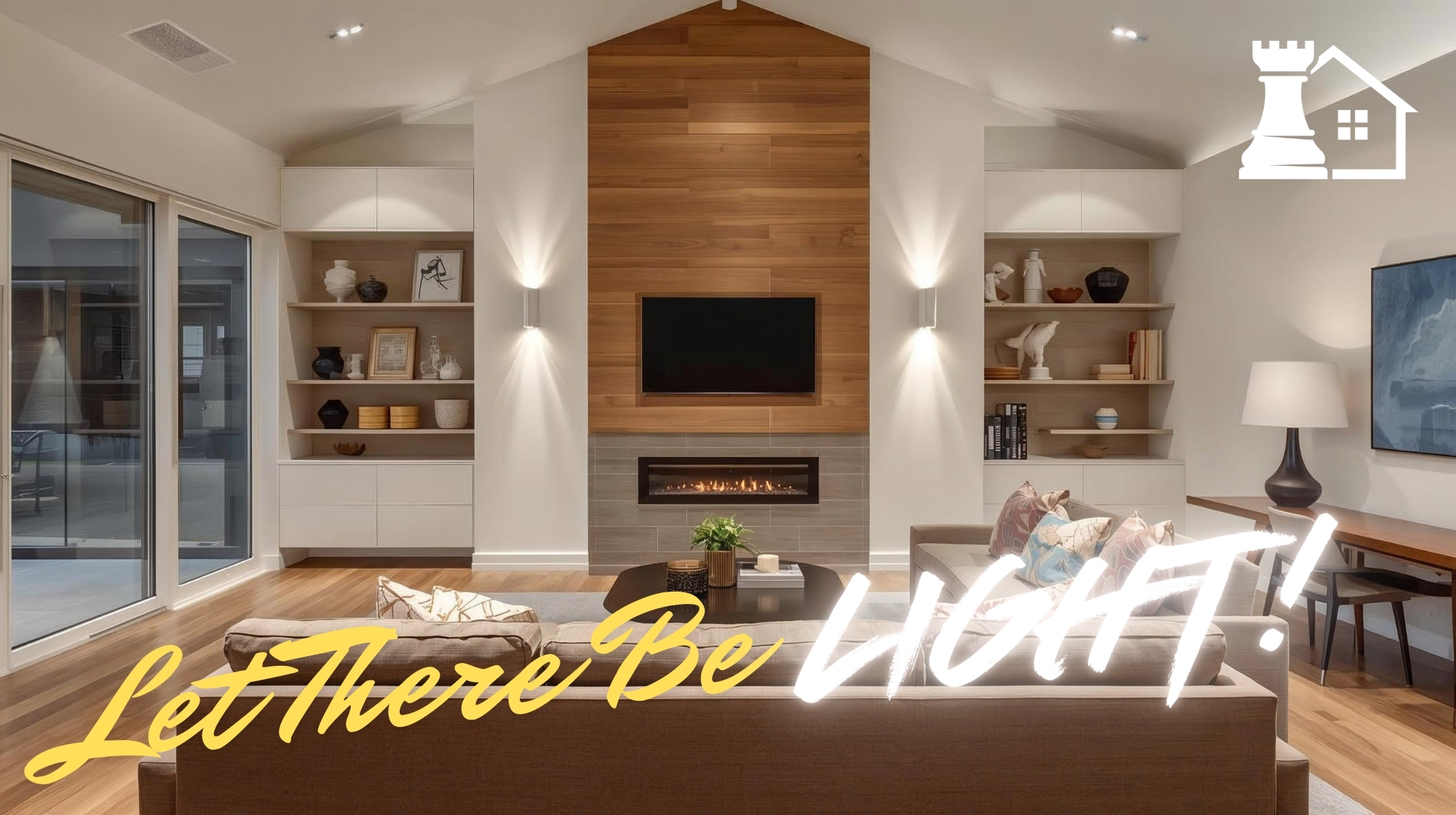
How you position lights is key to achieving a natural look. In nature, light comes from above and all around. To mimic this, use a combination of overhead lighting, floor lamps, and wall lamps to distribute light evenly. A single ceiling fixture won’t do the trick alone (and can create harsh shadows). Instead, add floor lamps in corners or behind seating to bounce light off the walls and ceiling – a torchiere lamp (uplight) can spread illumination broadly.
Use wall sconces or plug-in wall lights at mid-level to add a gentle, ambient glow on walls (this helps reduce the contrast between a bright ceiling light and dark walls). Table lamps placed on side tables or consoles can fill in gaps and add warmth at the human level (plus they’re great for task lighting while reading, etc.). The goal is to eliminate dark pockets and create an even, diffused light throughout the room, much like sunlight would. If a room lacks overhead lighting entirely, consider stick-on LED puck lights for the ceiling or top of cabinets to simulate skylight glow.
Daylight Lamps and Light Therapy Devices
For windowless spaces or those suffering from the winter blues, a light therapy lamp might help. These are very bright, full-spectrum lights (often 10,000 lux) used to combat Seasonal Affective Disorder (SAD). While typically used for short bursts (20–30 minutes a day) rather than all-day lighting, they do provide a close simulation of sunlight. Setting one on a timer to shine in the morning can help you wake up and feel more alert on dark mornings. Even a high-output LED panel light or a “happy lamp” on your desk can psychologically make a basement office feel more like it has a window.
When using artificial lighting to mimic daylight, a few technical tips: Try around 5000–5500K color temp for the closest match to noon daylight in most homes . Combine that with multiple light sources totaling a few thousand lumens for a moderate-sized room (e.g., 2–3 lamps with 800+ lumens each). And use lampshades or diffusers to soften the light – bare bulbs can be hard on the eyes. A diffuser will scatter light similar to how clouds do with the sun, making it gentler. Also, keep bulbs and fixtures clean (dust can dim their output, just like dirty windows cut sunlight). With the right bulbs and arrangement, your home can feel “sunny” inside even after sunset!
Final Thoughts
Whether you’re sprucing up your home to enjoy it more or staging it to sell, maximizing natural light is one of the most impactful improvements you can make. It’s amazing how removing a couple of heavy curtains, adding a mirror, or changing a lightbulb can transform a space from cave-like to bright and cheerful. In the competitive Bay Area and Silicon Valley real estate market, features that make a home feel more open, vibrant, and welcoming—like abundant natural light—can give you the edge. Buyers walk into a bright room and instantly feel at ease, picturing themselves living there happily. Meanwhile, you get to live in a home that’s healthier, more energy-efficient, and uplifting day-to-day.
By using the cost-effective strategies above to “bring the outside in” and supplementing with smart lighting where needed, you can ensure every corner of your house shines. Small investments in maximizing light can pay off big in terms of home value and enjoyment . So pull back those drapes, clean that glass, maybe splash a new coat of light paint, and let the sunshine work its magic. Your home – and your psyche – will be all the brighter for it!
Frequently Asked Questions
Why does good lighting make a home sell for more in Silicon Valley?
What’s the fastest lighting upgrade with the biggest payoff before listing?
What color temperature should I use—soft white, bright white, or daylight?
How bright is “bright enough” for showings and photos?
Should I replace old fixtures before selling?
Does natural light matter more than artificial light?
What are the most common lighting mistakes sellers make?
Should I use smart bulbs or smart switches before listing?
Do lighting upgrades matter if I’m selling my home as-is?
What’s your recommended lighting checklist before going live?
Time to talk to a REALTOR?

Senior Friendly Homes in Silicon Valley South
2
3
4
5
6
7
8
9
10
11
12
13
14
15
16
17
18
19
20
21
22
23
24
25