Key takeaways
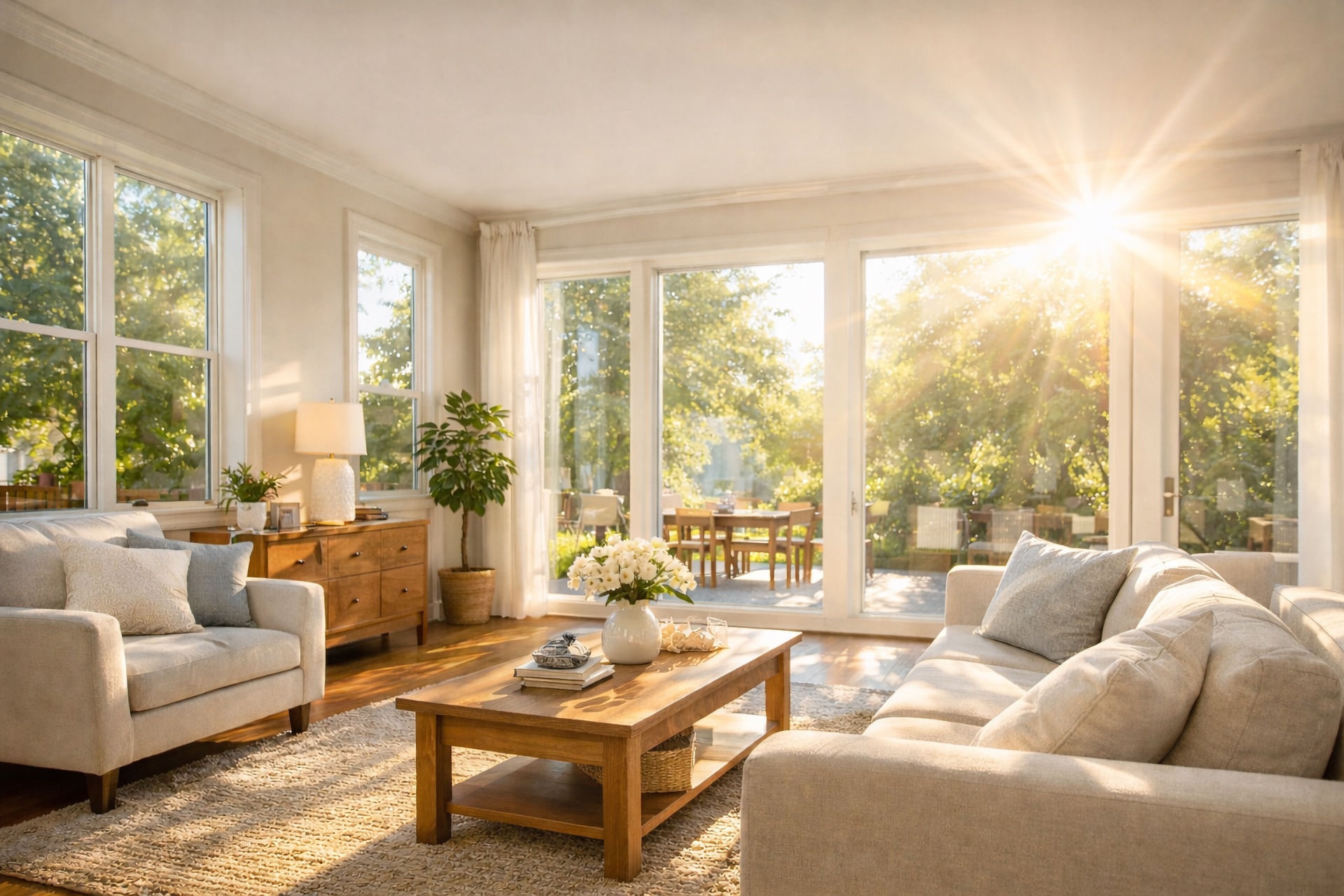
Natural light isn’t just “nice”—it’s a value signal. Bright rooms feel larger, cleaner, and more inviting, and buyers make that emotional judgment fast (often before they’ve even read the description).
Good lighting sells because it reduces uncertainty. When a home photographs bright, shows well in person, and feels cheerful instead of dim, buyers assume the home is better maintained and are more willing to compete.
The easiest wins are practical: remove light blockers (heavy drapes, dark screens), clean windows, trim landscaping that shades glass, open blinds for showings, and use warm, consistent interior lighting so the home reads “light + bright” in every photo and every room.
Summary: Sunlight boosts perceived space and quality, improves photos and first impressions, and can increase buyer urgency—so treating lighting like part of your pricing strategy can meaningfully improve your sale outcome.
When I’m helping someone get a home ready to sell, I’m not thinking like a person who lives there. I’m thinking like a stranger walking in for the first time, judging the place in about eight seconds, and then pretending it was a thoughtful, rational decision. Lighting is one of the biggest reasons that first impression lands as “wow” or “meh.”
And yes, I’m going to say the quiet part out loud: natural light is the most important kind of light. Not “cute little lamp in the corner” light. Not “I replaced the boob lights” light. Sunlight.
Because sunlight does three things artificial light struggles to do at the same time: it makes spaces feel bigger, it makes surfaces look cleaner, and it makes the entire home feel more alive. Buyers don’t just want to see the house. They want to feel good inside it.
That’s not just vibes. Consumer research and market data keep circling the same conclusion: brightness, daylight, and “sunny” spaces are a magnet. A RE/MAX report cited in their lighting guidance notes that in cities, 79% of respondents said natural light is an important factor when looking at homes. (REMAX News)
So if you’re selling a home, your job is not to create the coziest cave you’ve ever cozied. Your job is to put the home on stage and let the sun do free emotional labor.
The Big Mistake: Selling the Way You Live
The way you live in a home and the way you sell one are different.
Living is about comfort and control: glare on the TV, privacy from neighbors, keeping the room cool, keeping the dog from barking at the mail carrier like it’s his career. Selling is about perception: openness, cleanliness, energy, and a layout that makes sense to someone who doesn’t know where the light switches are.
I’ve met plenty of homeowners who’ve mastered the art of “perfectly dim.” Blackout curtains. Heavy drapes. Decorative layers of fabric that belong in a Victorian novel. Screens that look like they’ve been collecting dust since the last time Pluto was a planet. Shrubs that have quietly swallowed a whole window because nobody wanted to deal with the hedge trimmer.
Then they list the home and wonder why buyers say it feels “a little dark.” But “A little dark” in real estate is like “a little weird” on a first date. It doesn’t get better from there.
Sell As-Is. Sell Easy. Sell Smart!

Why Bright Homes Feel More Valuable (Even Before Anyone Talks Price)
Light changes how people judge space. It’s not mystical. It’s basic human perception.
Bright rooms look larger because shadows shrink. Corners don’t feel like mystery zones. Ceilings feel higher. Hallways feel less like a tunnel. Materials read more honestly—wood looks richer, stone looks cleaner, paint looks fresher.
RE/MAX puts it bluntly: a bright room filled with natural light feels vastly different than a dimly lit room, and brightness helps buyers see the home as a “fresh canvas.” (REMAX News)
That “fresh canvas” idea is not fluffy language. It’s how buyers give themselves permission to offer more money. People pay a premium when they can imagine a good life happening there without fighting the space.
Dark vs. Well-Lit Homes: What the Data Suggests About Price and Speed
Real estate is messy. Ten homes can be “bright” for ten different reasons, and price depends on a swarm of variables. But we do have useful signals.
In the UK, Rightmove analyzed homes with south-facing gardens—basically, properties that promise more sun—and found a typical price premium around 4% and, just as importantly, a speed advantage: about 62 days to find a buyer vs. 71 days for non-south-facing homes in their analysis. (The Independent)
That’s not a perfect apples-to-apples comparison for every market, but it’s the kind of real-world, large-sample indicator sellers should take seriously: sunlight correlates with both higher prices and fewer days on market.
Academic research points in the same direction. A Shanghai housing-market study using transaction data reported buyers were willing to pay about 7.2% more for apartments with a high level of sunshine (south-facing) compared with those with no direct sunlight (north-facing). (ResearchGate) And a more recent paper focused on daylight and pricing models also emphasizes that daylight is a meaningful variable in real estate valuation. (sciencedirect.com)
Even where studies aren’t explicitly “light vs dark,” speed-to-sale research keeps bumping into lighting as a proxy for desirability. A Frontdoor analysis using Zillow’s sold-home database ranked features by median days to sell and found lighting-related features were among the top signals associated with quicker sales, and they caution not to overdo fixtures at the expense of daylight because most showings happen during daytime. (Frontdoor)
Put that together and you get the practical takeaway: homes that show brighter tend to attract faster, stronger interest, which is the recipe for better offers.
“Natural Light” Isn’t Just a Phrase, It’s a Strategy.
When I say natural sunlight, I mean sunlight that isn’t filtered through grime, screens, heavy fabric, or the sad shadow of an overgrown shrub doing its best impression of a solar eclipse. It’s the difference between “this room has windows” and “this room feels good.”
Here’s how you get it.
Remove Whatever Is Blocking Your Windows
If you want more natural light, you need to stop treating windows like they’re private diaries.
Start with the obvious: remove window coverings that are eating light. Curtains, heavy drapes, layered sheers—anything that makes the window look smaller than it is. If you’re attached to them emotionally, that’s fine. They can come with you when you move. They don’t have to come with the listing.
Blinds are another common culprit. If they’re bent, dusty, yellowed, or warped, they don’t just block light—they broadcast “maintenance backlog.” If you can’t replace them, at least open them fully and make sure they’re straight and clean.
Now the one people argue with me about: window screens. Screens absolutely cut light. They also visually “gray out” the view and make windows look dirtier than they are. For daily life, screens can be essential. For selling, they’re often optional.
If you’re in a location where screens matter for bugs or safety, keep them. But if you can remove them easily and safely for showings and photos, you’ll be shocked how much brighter the room looks. This is one of those small changes that feels almost rude in its effectiveness.
Want to Sell For the Highest Price Possible?

Clean the Glass Like You Mean It
Most homeowners clean windows like they’re washing a car: a quick once-over, done. For selling, treat window cleaning like it’s part of the marketing budget, because it is.
Dirty glass doesn’t just reduce light. It makes the whole house feel dimmer and older. You can’t stage your way out of a grimy window.
Clean inside and outside. And while you’re at it, clean the tracks. Clean the frames. And if any glass has hard-water spotting or buildup, fix it properly—because “sunlight” that comes in looking hazy is not the dream we’re selling.
Cut Back Bushes and Trees That Are Stealing Your Light
Landscaping is supposed to frame the home, not smother it.
If shrubs or trees are blocking windows, trim them back. If they’re pressing against the house, it can also raise buyer anxieties about moisture, pests, and maintenance. But from a lighting standpoint, you’re trying to restore the window’s job: letting daylight in.
This isn’t just about the interior. When buyers pull up, they should see windows and a bright facade—not a wall of green that suggests the inside is going to feel like a basement.
Remove Awnings, Patio Covers, or Anything Casting Permanent Shade
Awnings and patio covers are great when you’re living there. They reduce heat, glare, and sometimes your electric bill.
But when you’re selling, they can unintentionally advertise: “This house is dark.”
If an awning is blocking key windows—or if a patio cover is shading the main living area all day—consider removing it temporarily, if practical. The goal is not to optimize comfort for you right now. The goal is to optimize the emotional experience for buyers during a short window of time.
I’ll say it again because it’s the whole point: living and selling are different sports.
Reclaim the “Light Path” Inside the House
Even with perfect windows, you can still sabotage sunlight by placing the wrong things in the wrong spots.
Large furniture near windows blocks light and makes the room feel smaller. Tall bookcases, heavy armoires, crowded plant jungles—anything that interrupts the light coming in and moving through the space—should be repositioned.
You’re not decorating. You’re opening sightlines.
If you’ve got art or décor that’s visually heavy (dark, large, high-contrast), it can also make a bright room feel moodier. Keep the look calmer so the sunlight reads as the star of the show.
Use Reflective Surfaces Intelligently
Mirrors can amplify daylight, especially in darker hallways or rooms with fewer windows. But the trick is placement. You want mirrors reflecting light, not reflecting clutter or a view of the laundry basket you forgot existed.
Glass, polished metal, lighter finishes, and even a clean white countertop can bounce light around. The goal is subtle: make the home feel airy, not like a nightclub with bottle service.
Paint and Finishes
Sunlight is the lead vocalist. Paint is the harmony.
If walls are dark, flat, or heavily saturated, they absorb light. Lighter neutrals help reflect it. If you’re prepping for sale and your living room is painted a dramatic charcoal because it looked “designer,” I respect the ambition. I’m still asking you to put it back in a lighter tone so the room photographs and shows better.
Floors matter too. Dark rugs can swallow light. If you can swap them for something lighter or remove them to show flooring, rooms often instantly feel bigger and brighter.
Downsizing Done Right

You Want Light and Bright Listing Photos Too
Buyers meet your home online first. If the photos are dim, they’ll assume the house is dim—even if it isn’t. Natural light is the easiest way to make listing photos pop without resorting to weird, over-processed HDR that makes everything look like a video game.
Open coverings. Turn on lights for balance where needed, but let daylight dominate. Frontdoor’s analysis explicitly notes that natural light tends to feel fresh and welcoming, and that sellers shouldn’t “showboat” fixtures at the expense of open curtains and blinds. (Frontdoor)
Photos aren’t just documentation. They’re a sales pitch. Sunlight writes a better one.
What If the Home Gets Too Much Sun?
This is where homeowners get nervous. “But it’s too bright in the afternoon.” “But the glare is intense.” “But it gets warm.”
All true. And also: welcome to selling.
You’re not promising buyers a perfectly calibrated daily living experience on day one. You’re showing them possibility. Many buyers will happily take “too bright” over “too dark,” because brightness feels solvable. Glare can be managed with updated coverings. Heat can be managed with shades, tinting, landscaping choices, or HVAC. But a home that feels gloomy can feel fundamentally unchangeable, even when it isn’t.
A bright house feels like a good problem.
Artificial Lighting Still Matters, But It’s Second Place
Natural light is king. Artificial light is the competent advisor who keeps the kingdom running after sunset.
RE/MAX recommends thinking about lighting as part of the showing experience and notes that sellers are often told to open blinds and turn on all lights before showings. (REMAX News) That combination matters: daylight sets the tone, and artificial light eliminates dead zones.
If you have rooms with limited natural light, then yes—upgrade bulbs, clean fixtures, and make sure every room is evenly lit. You’re trying to avoid the “mystery corner” effect where buyers wonder what you’re hiding.
But if you’re choosing where to invest effort, start with daylight. It’s the rare home-improvement lever that feels almost unfair: free, powerful, and instantly noticeable.
The Bottom Line: Light Sells the Feeling, and the Feeling Sells the House
If you want a home to sell faster and for more money, you don’t just stage furniture—you stage emotion. Sunlight is the quickest path to that emotion. It signals cleanliness. It signals space. It signals energy. It makes buyers linger. And when buyers linger, they justify bigger offers.
The data points we do have—sunny orientation premiums, faster buyer timelines, and consumer preference research—line up with what experienced agents see every week: buyers fall harder for bright homes. (The Independent)
So here’s my north star: let the house breathe. Pull back anything that blocks the windows. Clean the glass. trim the shade-makers. Remove the sun thieves. Let clean sunlight flood the space, even if you personally prefer living like a tasteful bat.
Because for a short time, your home isn’t your home. It’s a product. And the sun may well be your best salesperson.
Frequently Asked Questions
Why does natural light make a home feel more valuable?
Does better lighting actually help a home sell for more in Silicon Valley?
What are the fastest, highest-ROI ways to improve natural light before listing?
How do I make a darker home photograph better without “fake” editing?
Should I turn on lights during daytime showings?
What kind of light bulbs should I use for showings and photos?
Do window coverings matter that much?
Can landscaping really affect how bright a home feels inside?
What’s the biggest lighting mistake sellers make?
How do I know if lighting is hurting my home’s value before I list?
For Best Results

Senior Friendly Homes in Silicon Valley South
2
3
4
5
6
7
8
9
10
11
12
13
14
15
16
17
18
19
20
21
22
23
24
25