Updated October 2026
Key takeaways
Castro Street is the heart of downtown Mountain View, about seven blocks of restaurants, bars, coffee shops, and bookstores, and its three busiest blocks have been a permanent car-free pedestrian mall since 2022.
It works for a quick lunch, a family stroll, or a night out, and the Caltrain and VTA light rail station sits right at the north end of the street.
The city is still investing in it, with new center crosswalks planned at Villa and Dana Streets plus public art and wayfinding signs along the mall.
If you want to live within walking distance, Old Mountain View and the downtown condo and townhome communities are where to look, and those homes usually command a premium over the rest of the city.
Summary: Castro Street is Mountain View’s walkable downtown main street, a permanent pedestrian mall lined with restaurants, coffee, shops, and nightlife right next to the Caltrain station, and the neighborhoods within walking distance of it are some of the most sought-after in Silicon Valley.
Accurate Home Price Data Is Just a Click Away!
Live MLS Data
What Are Homes Actually Selling For Right Now?
Median price, days on market, and how many homes are selling over asking, pulled straight from current MLS data for your neighborhood.
See the Live Sales Data →I’ve been selling homes in Silicon Valley since 2003, and if you asked me to pick one street I’d happily spend every Saturday on, it would be Castro Street in downtown Mountain View. Most of the valley was built around cars, office parks, and strip malls, so a real main street where you can park once (or skip the car entirely) and walk to dinner, coffee, and a bookstore is rarer here than most people realize. In this article I’ll walk you through why it’s my favorite street in Silicon Valley, what’s changing on it right now, and what it actually takes to live close enough to walk there.
Downtown Mountain View’s Living Room
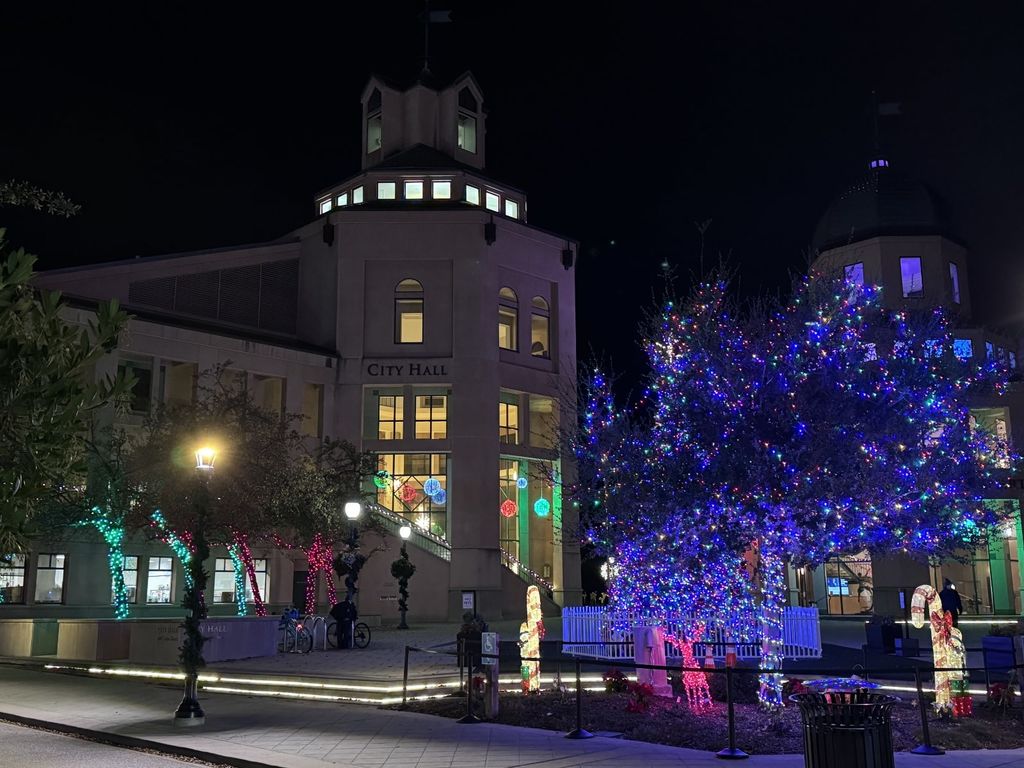
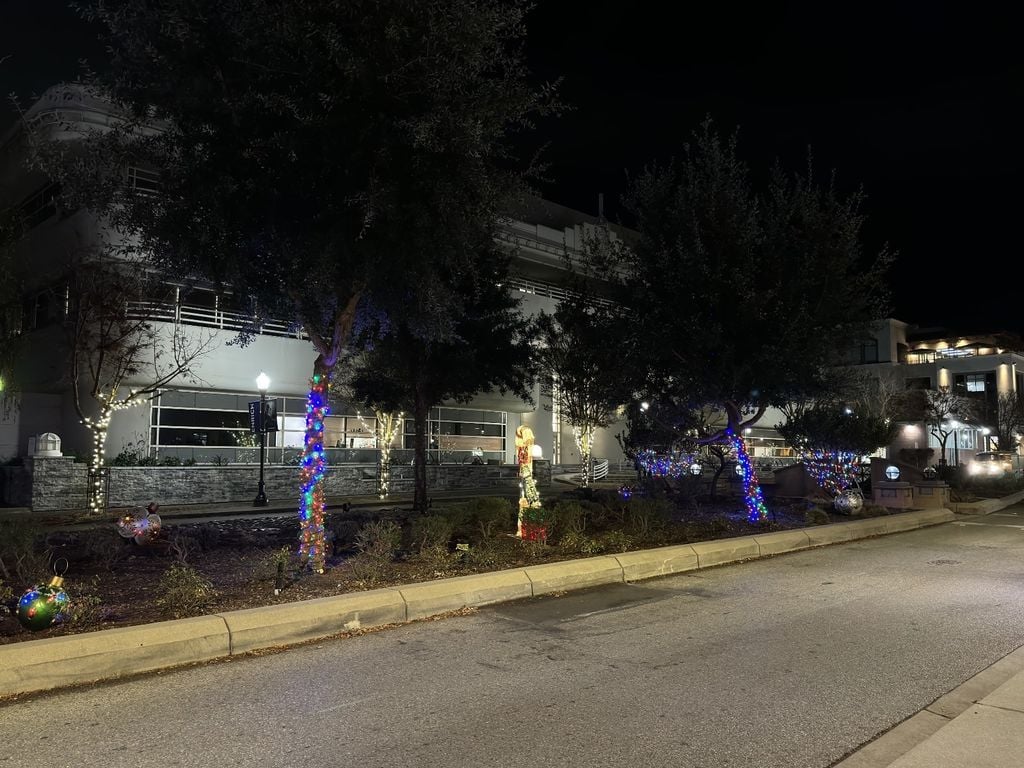
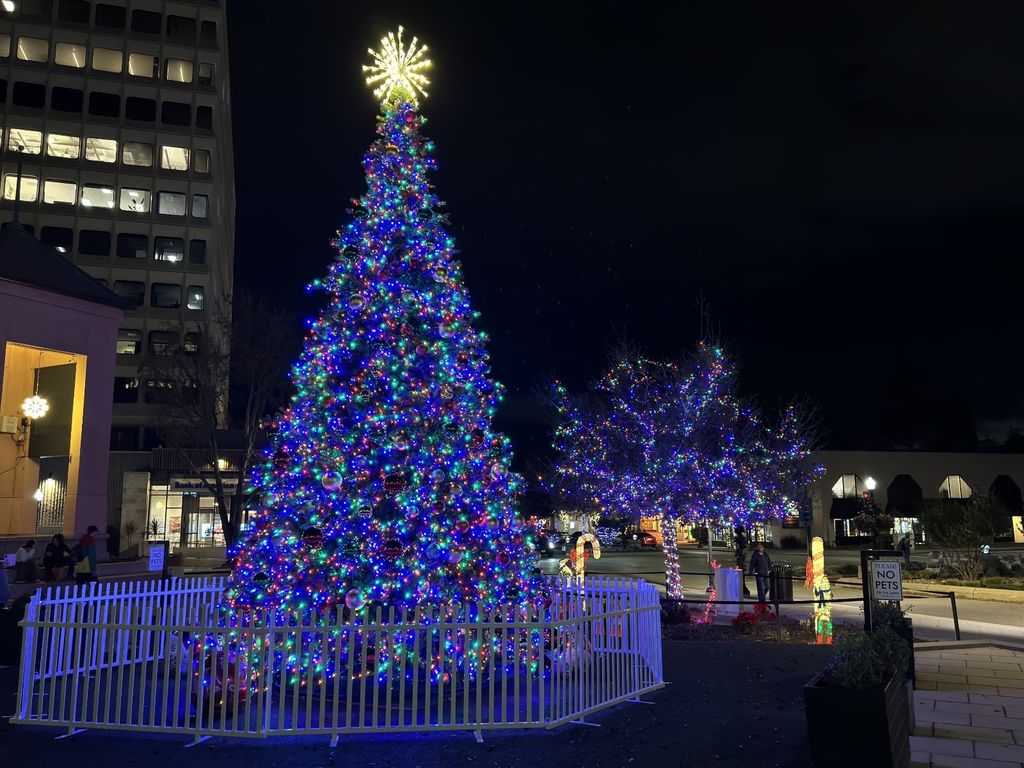
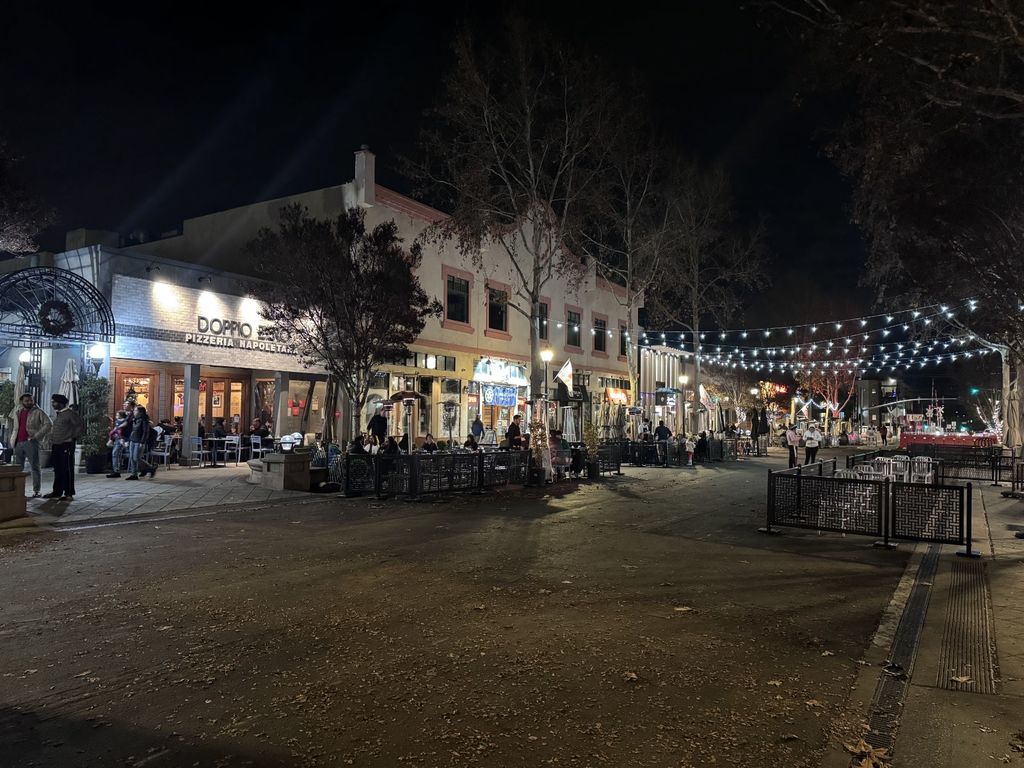
Castro Street runs about seven blocks through the core of downtown, from the train station at Evelyn Avenue down toward El Camino Real. What makes it work is density. There are dozens of restaurants covering just about every cuisine, a couple of independent bookstores, coffee on nearly every block, and enough going on at night that the sidewalks never roll up at 6 p.m. It’s also the city’s gathering place, home to the Mountain View Art and Wine Festival every September along with a steady calendar of smaller events, live music nights, and holiday lights that make it feel like a small town in the middle of the tech world.
Where to Eat on Castro Street
Food is the main reason people keep coming back, me included. For Italian, Vaso Azzurro Ristorante has been a downtown fixture for years, and Eureka! is a reliable stop for a burger and a local beer. Cascal serves Latin tapas and gets loud in the best way on a Friday night, while Crepevine is the easy brunch spot when you’re meeting friends. If you want something quick and lighter, Asian Box does fresh Southeast Asian-style rice and noodle boxes.
Free Listing Alerts
Be First to See New Homes Before Everyone Else
Good homes rarely sit for long, and the best ones are often in contract before the weekend. Tell me where to send them and I'll email you new listings as soon as they hit the MLS.
You're all set. Thanks! New listings will start landing in your inbox. If you don't see the first one, check your promotions or spam folder.
Keep walking and you’ll find classic French cooking at La Fontaine, Middle Eastern plates at Mediterranean Grill House toward the El Camino end, and a longtime favorite for Indian food at Sakoon. For coffee, Red Rock Coffee at the corner of Castro and Villa is a local institution, and Dana Street Roasting Company is just around the corner on West Dana Street.
Nightlife, Books, and Browsing
Castro Street stays lively well after dinner. Opal Nightclub is right on Castro, and Alberto’s Night Club, just around the corner on West Dana, is known for its salsa and Latin dance nights. During the day, Books Inc and East West Bookshop are two of the best reasons to wander, and the mix of boutiques, dessert shops, and boba spots means there’s always somewhere to duck into between meals.
A Main Street Built for Walking
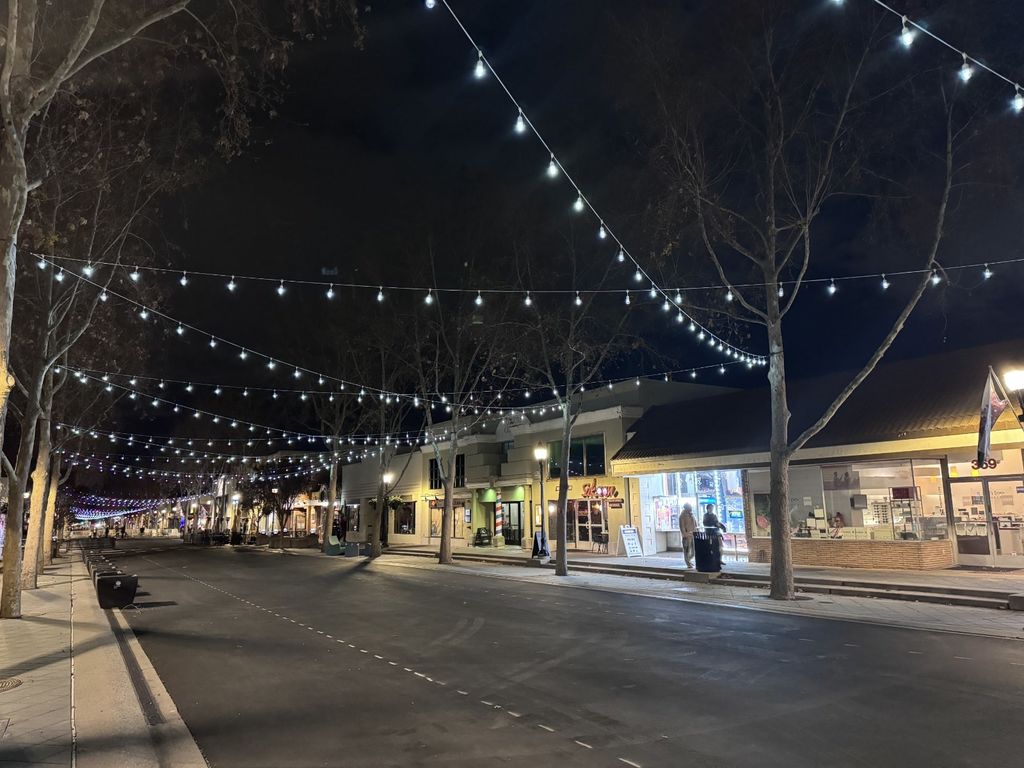
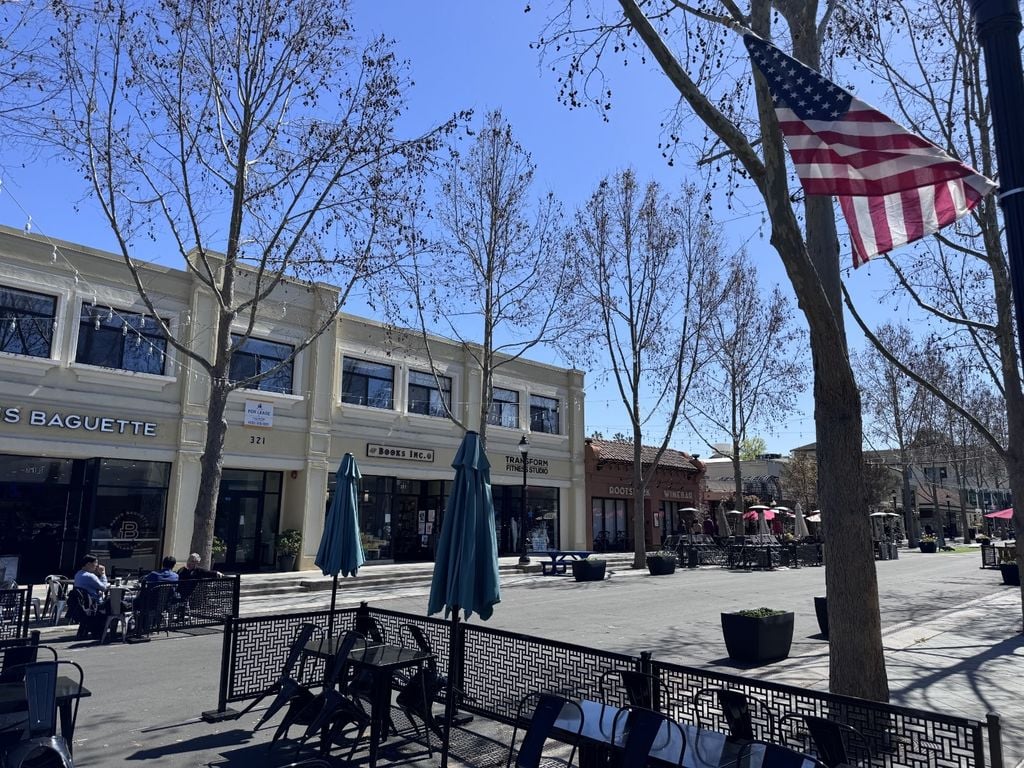
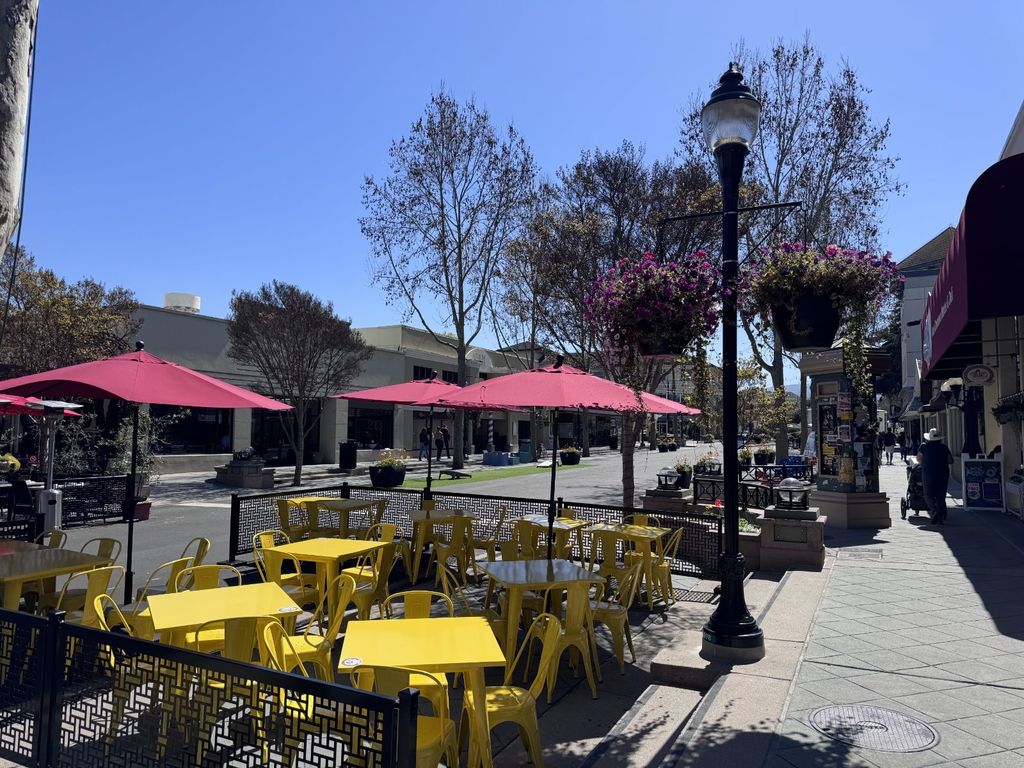
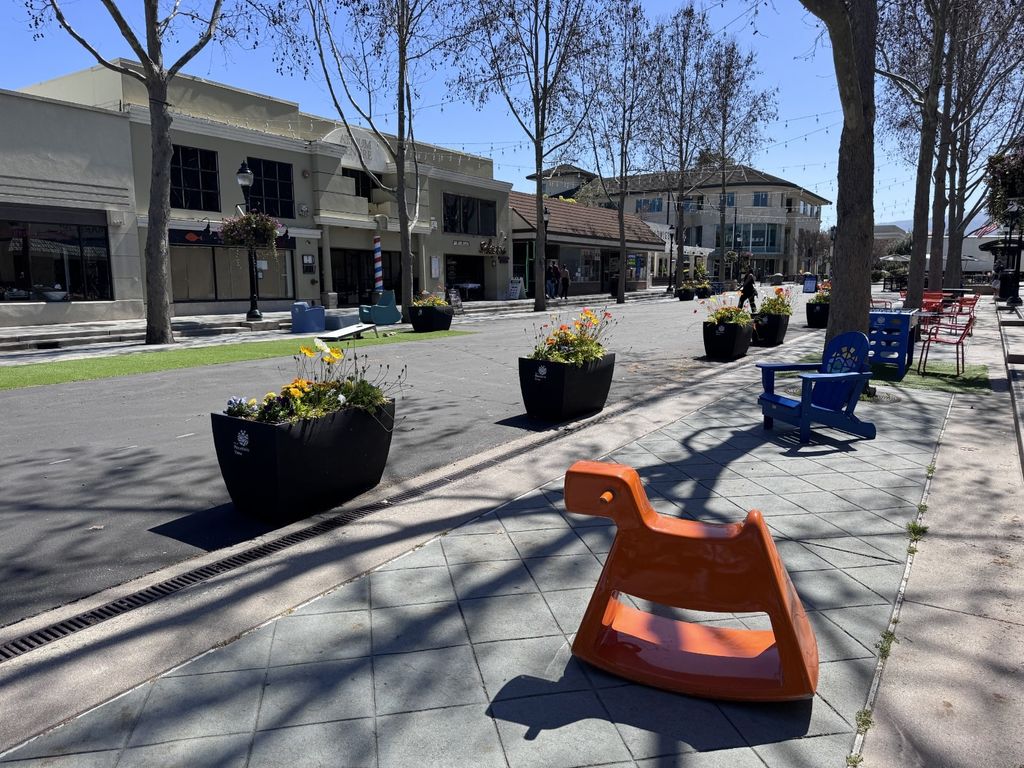
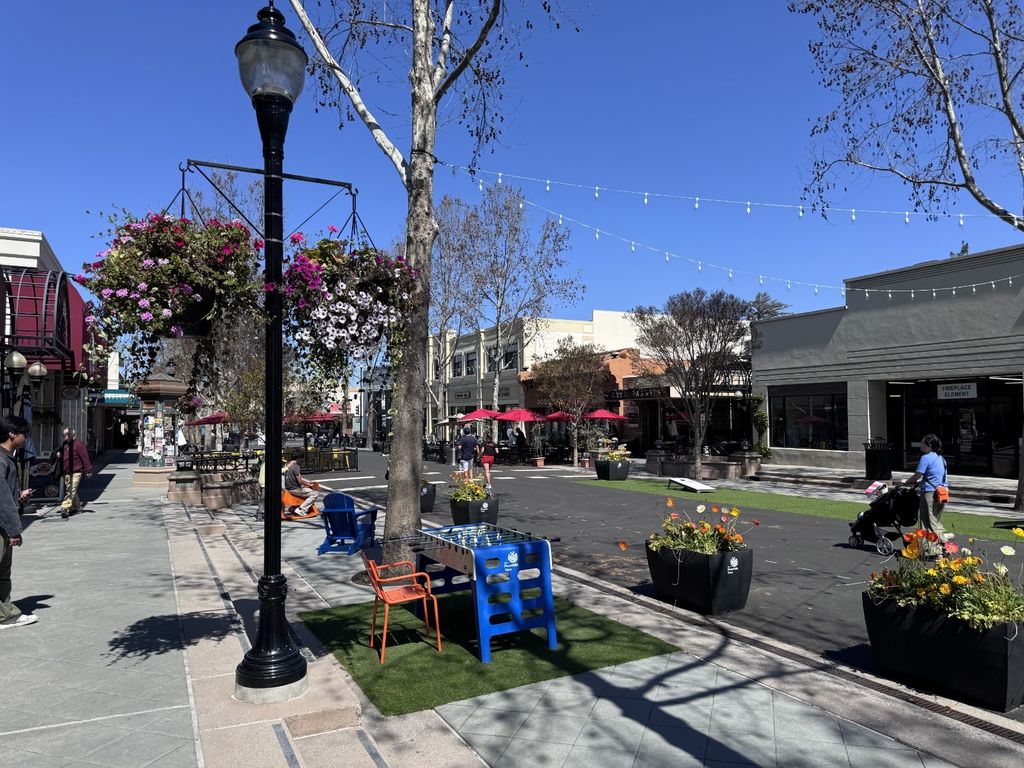
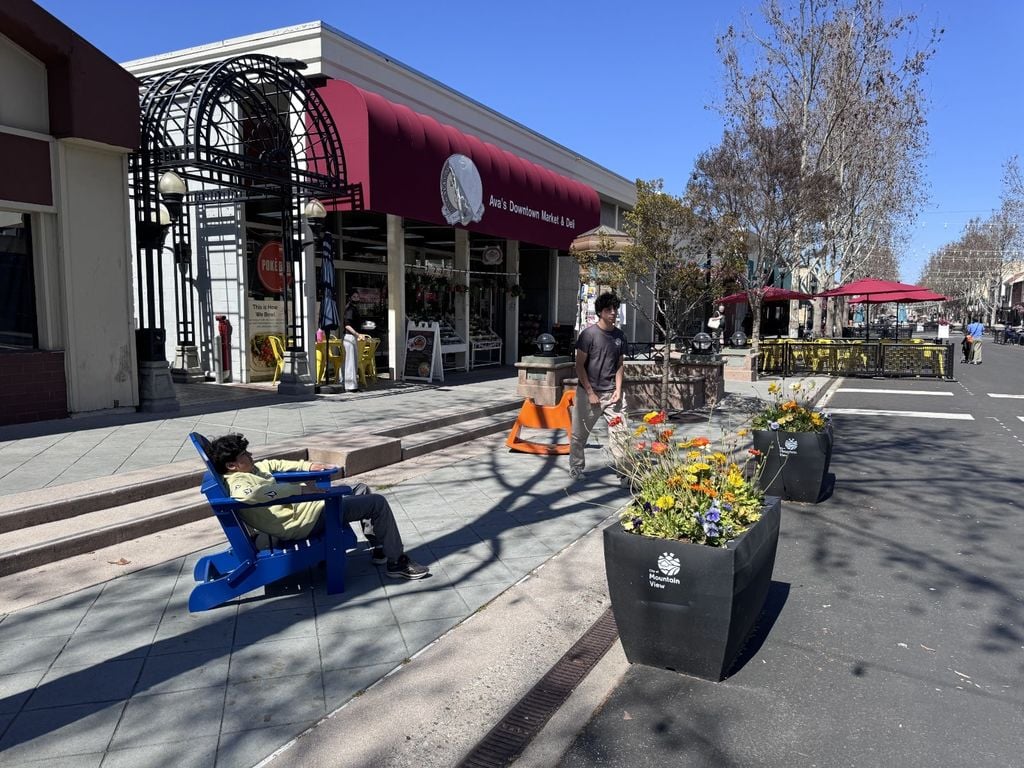
The thing that sets Castro Street apart from every other downtown in Santa Clara County is that its busiest stretch doesn’t have cars on it. The 100, 200, and 300 blocks were closed to traffic in 2020 so restaurants could serve outdoors, and in October 2022 the city council made it official by adopting a permanent pedestrian mall. Today those blocks are filled with patio dining, parents pushing strollers, and kids on scooters, while the cross streets still let you drive in and park within a block or two. That walkability is a big part of why Mountain View home prices near downtown sit where they do, which I’ll get into below.
What’s Changing on Castro Street
The pedestrian mall is permanent, but the street itself is still a work in progress, and the city has been rolling out improvements in phases rather than all at once.
What’s Already Done
For now the closed blocks are still handled with bollards and railings while the city works through the permanent design. In the meantime it has added decorative fencing around the outdoor dining areas, painted a center walkway down the street, resurfaced the pavement, and brought in public art on the safety bollards along with new wayfinding signs to help visitors find their way around downtown.
What’s Coming Next
The next big step is at the Villa Street and Dana Street intersections, where the city is designing 21-foot-wide crosswalks right down the middle of the mall so you can keep walking straight through instead of detouring to the corners. That work is estimated at about $1.7 million and should take around six months to build once design is finished, with the California Street intersection planned for a later phase. Further out, the city’s long-term plan for the Caltrain crossing is to close Castro to cars at Central Expressway and build undercrossings at the tracks for people walking and biking, though construction depends on funding. There’s also a steady pipeline of private development downtown, including office, hotel, and condo projects, so expect to see some construction fencing over the next few years.
Living Within Walking Distance of Castro Street
Here’s the part most Castro Street guides skip. Plenty of people who love spending a Saturday downtown eventually ask the same question: what would it take to actually live here? Walkable homes near Castro are some of the most competitive in Mountain View, but there are more options than people assume, and the right choice usually comes down to the type of home you want and how close you need to be.
Old Mountain View
Old Mountain View is the neighborhood wrapped around downtown, roughly between Shoreline Boulevard and Calderon Avenue from the train tracks down to El Camino Real. It’s the closest thing Mountain View has to a classic tree-lined neighborhood, with older bungalows, Victorians, and mid-century homes on smaller lots, plus a growing number of newer rebuilds. From most of it you can walk to Castro in five to fifteen minutes. These are also some of the hardest homes in the city to buy. Only a handful sell in a typical month, and Redfin had the neighborhood’s median sale price around $2.3 million earlier this year, with most homes selling over asking. With so few sales, any single number can swing a lot from month to month, which is why I’d always rather pull current comps for a specific street than lean on one headline figure.
Free 50+ Page Buyer Guide
The Silicon Valley Strategic Purchase Blueprint
Five percent over the mark costs about $89,500 on a median Santa Clara County home, and nobody feels it the day they win. Learn what actually drives value here, what a disclosure package isn't telling you, and how to write a strong offer without overpaying.
You're all set. Thanks! The Strategic Purchase Blueprint is on its way to your inbox. If you don't see it in a few minutes, check your promotions or spam folder.
Downtown Condos and Townhomes
If you want to be even closer, the condos and townhomes in and around Downtown Mountain View can put you a two or three minute walk from Castro. They’re usually the most affordable way into walkable Mountain View, and they’re popular with tech buyers who would rather ride Caltrain or light rail than sit on 101. Pay close attention to HOA dues and how well the association’s reserves are funded, because those vary a lot from one complex to the next and can change what a home really costs you each month.
Nearby Pockets Worth a Look
Just outside Old Mountain View, the streets in Shoreline West and east of Calderon Avenue still give you a reasonable walk or a very short bike ride to Castro. North of Central Expressway, the Moffett Boulevard area has some of the lowest-priced homes in the city and is a short walk across the tracks to the station, which makes it worth a look if you’re trying to stretch your budget and still walk to dinner.
What It Costs Right Now
Citywide, Mountain View’s median sale price was about $1.8 million in August 2026, up roughly 3% from a year earlier, and homes were going under contract in under three weeks at about 104% of asking on average. That number blends condos, townhomes, and single-family homes, so a single-family home within walking distance of Castro typically runs well above it, while a downtown condo or townhome can come in well below it. If you want to see the current numbers broken out in more detail, my Mountain View home prices page is updated with the latest MLS data.
The Commute Advantage
The Mountain View station at the north end of Castro is served by both Caltrain and VTA light rail, so you can get to San Francisco, Palo Alto, and San Jose without a car, and the big North Bayshore tech campuses are a short bike ride or shuttle away. For a lot of the tech buyers I work with, that’s the whole point. Being able to walk to the train in the morning and walk to dinner at night is a lifestyle you can’t get in most of Silicon Valley.
Free Buyer Strategy Call
Before you tour a single home, let's build your game plan.
In Silicon Valley, the buyers who win usually aren't the ones with the biggest offer. They're the ones who knew exactly how they'd compete before the right house ever came up. In 30 minutes we'll talk through your timing, how your down payment and equity comp fit together, and which neighborhoods really match the way you live, then put together a plan to win the home you want without overpaying for it.
Book My Buyer Strategy Call →
The Trade-offs
Living this close to downtown isn’t for everyone, and I’d rather you hear the downsides from me before you write an offer. Homes near the tracks get train noise and crossing bells. Lots in Old Mountain View tend to be smaller, and many of the older homes need real updating. Weekend parking near Castro gets tight, and festival weekends bring the crowds right to your street. On the school side, most of the area is served by the Mountain View Whisman School District for elementary and middle school and the Mountain View-Los Altos district for high school, but attendance boundaries change by street, so always confirm with the district for a specific address.
Is Castro Street Right for You?
Whether you come for dinner, a festival, or just a Sunday walk with a coffee in hand, Castro Street is the best example of what a real downtown can feel like in Silicon Valley, and it keeps getting better as the city builds out the pedestrian mall. If you’re starting to wonder whether you could live close enough to walk to it, I’d love to help you figure out what your budget actually gets you near downtown and how to compete when the right home comes up.
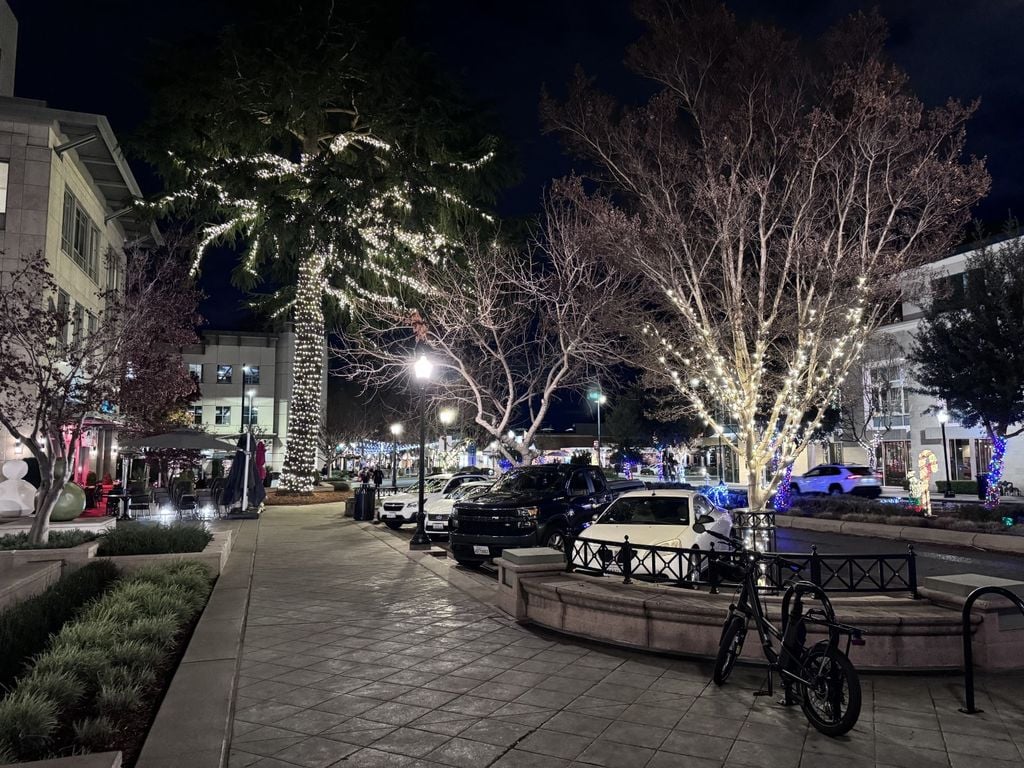
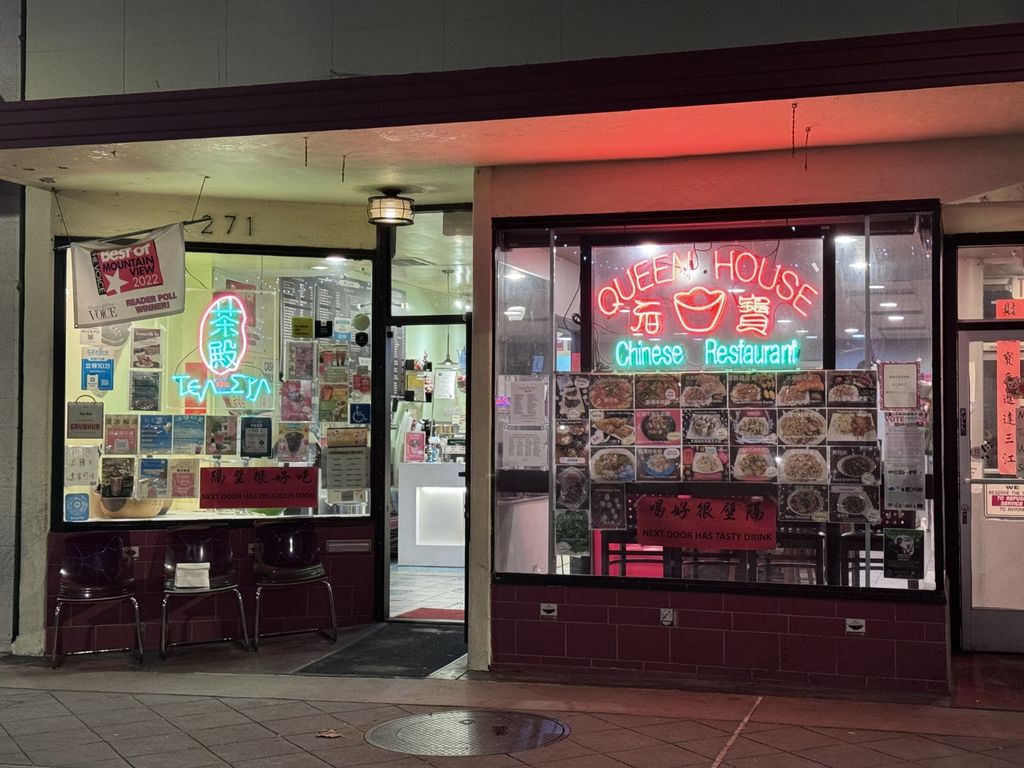
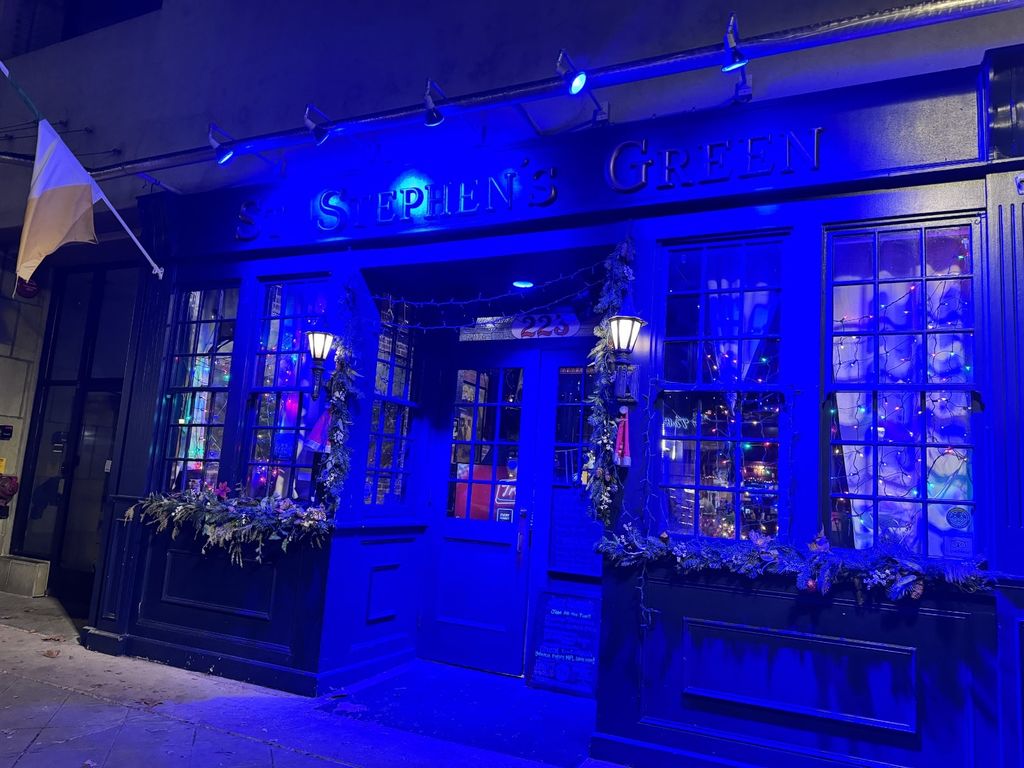
Castro Street Mountain View Photo Gallery
Frequently Asked Questions
Where is Castro Street in Mountain View?
Castro Street is the main street of downtown Mountain View. It runs from the Caltrain and VTA light rail station at Evelyn Avenue south toward El Camino Real, and the busiest restaurant blocks sit between Evelyn and California Street.
What is Castro Street best known for?
It is known for one of the densest collections of restaurants and cafes in Silicon Valley, a lively evening scene, and a real main street feel that is hard to find anywhere else in the valley.
Is Castro Street closed to cars?
Yes. The 100, 200, and 300 blocks were closed to traffic in 2020 for outdoor dining, and the Mountain View City Council made them a permanent pedestrian mall in 2022. The cross streets are still open, so you can drive in and park within a block or two.
How much time should I plan to spend on Castro Street?
For coffee or a quick meal and a short stroll, plan on one to two hours. If you want to shop, have dinner, and grab dessert, three or four hours goes by fast.
Is Castro Street walkable?
Very. Restaurants, coffee shops, bookstores, and boutiques are packed close together, and once you arrive you can do the whole outing on foot.
What are the best things to do on Castro Street besides eating?
Browse Books Inc and East West Bookshop, grab coffee, listen to live music on summer evenings, and plan around big events like the Mountain View Art and Wine Festival in September.
Is Castro Street good for families?
Yes. With the car-free blocks, plenty of casual places to eat, and dessert and boba shops along the way, it is an easy stroll-and-snack outing with kids.
When is the best time to visit?
Weeknights are great for dinner, and weekday lunches are busy with the local work crowd. Weekends are the liveliest, so go earlier in the day if you want a more relaxed visit.
Is there public transit nearby?
Yes. The Mountain View station at the north end of Castro Street is served by both Caltrain and VTA light rail, which makes downtown one of the most transit-friendly places to live or visit on the Peninsula.
How much does it cost to live near downtown Mountain View?
Mountain View’s citywide median sale price was about $1.8 million in August 2026, but that figure blends condos, townhomes, and single-family homes. Single-family homes within walking distance of Castro Street usually sell well above the citywide median, while downtown condos and townhomes are typically the most affordable way to live within walking distance.
Are there single-family homes within walking distance of Castro Street?
Yes. Old Mountain View, the neighborhood wrapped around downtown, has older bungalows, Victorians, and mid-century homes within a five to fifteen minute walk of Castro. Only a handful sell each month, so they are some of the most competitive homes in the city.
Which schools serve the downtown Mountain View area?
Most downtown addresses are served by the Mountain View Whisman School District for elementary and middle school and the Mountain View-Los Altos Union High School District for high school. Attendance boundaries vary by street, so always confirm with the district for a specific address.
Amazing Mountain View Homes for Sale
2
3
4
5
6
7
8
9
10
11
12
13
14
15
16
17
18
19
20
21
22
23
24
25