Living in Downtown Santa Cruz
Downtown Santa Cruz centers on Pacific Avenue between Water Street and the area around Laurel Street, with Front Street and Cedar Street running parallel on either side, and it is the commercial and civic heart of the city. It has been the main street since the nineteenth century, and its current form is largely the result of rebuilding after the October 1989 Loma Prieta earthquake, which destroyed or condemned much of the historic commercial core and reshaped the street over the following decade.
Downtown Santa Cruz History
The history goes much further back. Mission Santa Cruz was founded on September 25, 1791 by Father Fermin de Lasuen, the twelfth of California’s missions, on the hill just above today’s downtown, and in 1797 the Spanish established a civilian town, Villa de Branciforte, directly across the San Lorenzo River. The Neary Rodriguez Adobe at Santa Cruz Mission State Historic Park, a few blocks up Mission Hill, is the last surviving building from the mission era. A handful of older commercial buildings survived the 1989 quake, and the Town Clock at the north end of Pacific Avenue is the landmark most people use to orient themselves.
Pacific Avenue, the Arts and Daily Life
Bookshop Santa Cruz, the Museum of Art and History on Front Street and the Del Mar Theatre are the places people name, and the Santa Cruz Wharf, Main Beach and the Boardwalk are a short walk south. The Wednesday downtown farmers market is a real institution, the Kaiser Permanente Arena on Front Street hosts Santa Cruz Warriors games, and the whole downtown is compact enough to cross comfortably on foot. October is its own event here, and my guide to Halloween in downtown Santa Cruz covers Pacific Avenue’s biggest night.
Downtown Condos and Housing
Housing downtown is predominantly attached. Mixed use buildings with apartments and condominiums above ground floor retail make up most of the stock, with a scattering of older houses on the residential side streets, and a wave of new apartment buildings has gone up in the last several years. The biggest project under way is the city’s new downtown library and housing building, which pairs a new main library with about 124 affordable apartments, child care and a parking garage and began construction in 2025.
For downsizing clients the attached stock matters enormously, because this is one of very few places in Santa Cruz County where you can buy a single level home with an elevator, secured entry and an association handling the building, within walking distance of groceries, restaurants, a doctor and a bus. Association fees, reserves and rental rules vary a lot from building to building, so I read those documents carefully for any client I represent.
Services, Schools and Getting Around
Services sit unusually close together here. The city’s Downtown Senior Center operates out of the London Nelson Community Center at 301 Center Street, with classes for adults 55 and up, day trips and free Medicare counseling, and the main branch of the Santa Cruz Public Libraries is downtown. Dominican Hospital on Soquel Drive is about ten minutes away by car. Schools run through Santa Cruz City Schools, though downtown households skew smaller, so school assignment drives value less here than in the family neighborhoods.
Transit is the practical argument for living downtown. The Santa Cruz METRO Pacific Station transit center sits at the heart of downtown, making this the hub for local routes and for the Highway 17 Express commuter bus to Diridon Station in San Jose. The Coastal Rail Trail segment from California Street to Pacific Avenue and Beach Street was completed in 2025, adding a flat, car free route along the coast.
Is Downtown Santa Cruz a Good Fit for Downsizers?
For many people it is the best fit in the county. Condominiums with elevators and single level floor plans are available, the senior center, library, grocery stores and the bus hub are all within a few blocks, and the streets are mostly flat. The trade offs are noise and activity on Pacific Avenue, especially on weekend nights and during events, limited private outdoor space, and monthly association dues that need to be counted in the budget alongside the mortgage and taxes.
The move I help people make most often here looks like this: sell a house with stairs and a garden you have stopped using, buy a downtown condominium, and put the difference to work funding the next twenty years. If you are 55 or older, Proposition 19 may let you carry your current property tax base to that condominium, and people who want a small house instead of a building often look at nearby Midtown across the river.
The Downtown Santa Cruz Housing Market
Redfin’s Downtown Santa Cruz data shows a median sale price of about $1.08 million for the three months ending September 2026, down 3.7 percent from a year earlier, at about $805 per square foot. Homes took a median of 79 days to sell compared with 15 days a year before, and only four sold in September, so buyers have more room to negotiate than they did last year. The citywide median was about $1.35 million over the same period, which reflects how much of the city’s sales are detached houses, and downtown condominiums often trade well below that. My guide to living in Santa Cruz covers the rest of the city, including the Westside just beyond downtown.
Frequently Asked Questions About Downtown Santa Cruz
What is the median home price in Downtown Santa Cruz?
Redfin showed a median sale price of about $1.08 million for the three months ending September 2026, down 3.7 percent from a year earlier. That works out to about $805 per square foot. Downtown sales are mostly condominiums, so the figure runs below the citywide median of about $1.35 million.
Are there condos for sale in Downtown Santa Cruz?
Yes, downtown has the largest concentration of condominiums in the city, mostly in mixed use buildings with shops on the ground floor. Many have elevators and secured entry. Association fees and building rules vary widely, so review them before you buy.
Is Downtown Santa Cruz good for seniors?
It is one of the most practical places in the county to live without driving much. The Downtown Senior Center, the main library, groceries and the METRO transit hub are all close together on flat streets. The trade off is noise and activity on Pacific Avenue.
How do you get from Downtown Santa Cruz to San Jose?
The Highway 17 Express bus leaves from the downtown METRO transit center and runs to Diridon Station in San Jose. By car, Highway 17 takes about thirty five to forty five minutes when traffic is light. It can take well over an hour at peak times.
How long do homes take to sell downtown right now?
Redfin reported a median of 79 days on market for the three months ending September 2026, up from 15 days a year earlier. Only four homes sold in September. That slower pace gives buyers more room to negotiate than they had last year.
Moving from a house to a condominium is a big change, and the arithmetic behind it deserves real attention, from capital gains to association reserves to what the move frees up for the years ahead. Working through that with older adults and their families is my full time practice. Book a call with me to talk it through.
Want the full market report for Downtown Santa Cruz?
We want to ensure that you have all the information needed to make the best decisions when it comes to your home goals. When you enter your info below you will get instant access to the area's latest market report, complete with sales and demographic trends.

Free Relocation Guide
Thinking About a Move to Santa Cruz County?
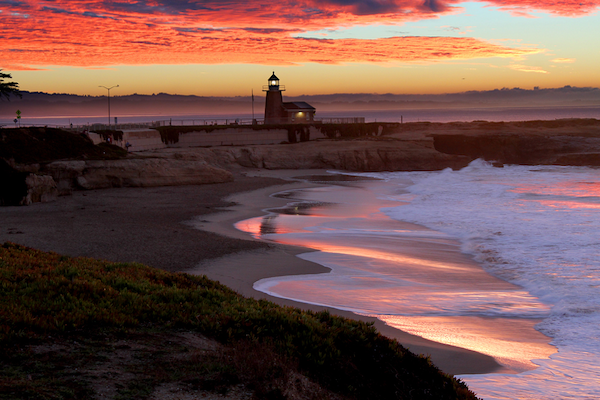
Everything I'd tell a friend before they moved here, from Boulder Creek to Watsonville. Neighborhoods, housing, health care, beaches, the commute over the hill, and the local events worth planning your year around.
Read the Relocation Guide →Schools In The Area


Silicon Valley Home Search
Tired of falling for homesthat already sold?
The big portals are full of homes that went pending last week. My search pulls straight from the MLS across Santa Clara and Santa Cruz counties, so everything you see is actually available, and you can save a search to get new listings the day they hit.
See What's Available Today →
Free 30-Minute Buyer Strategy Call
Not sure how to competein this market?
Most Santa Cruz County buyers who miss out didn't have a bad offer. They just didn't have a plan before the right house came up. In 30 minutes we'll go over your budget, timing and target neighborhoods, and you'll leave knowing exactly how you'd compete without overpaying. No pressure and no obligation.
Get My Buyer Game Plan →