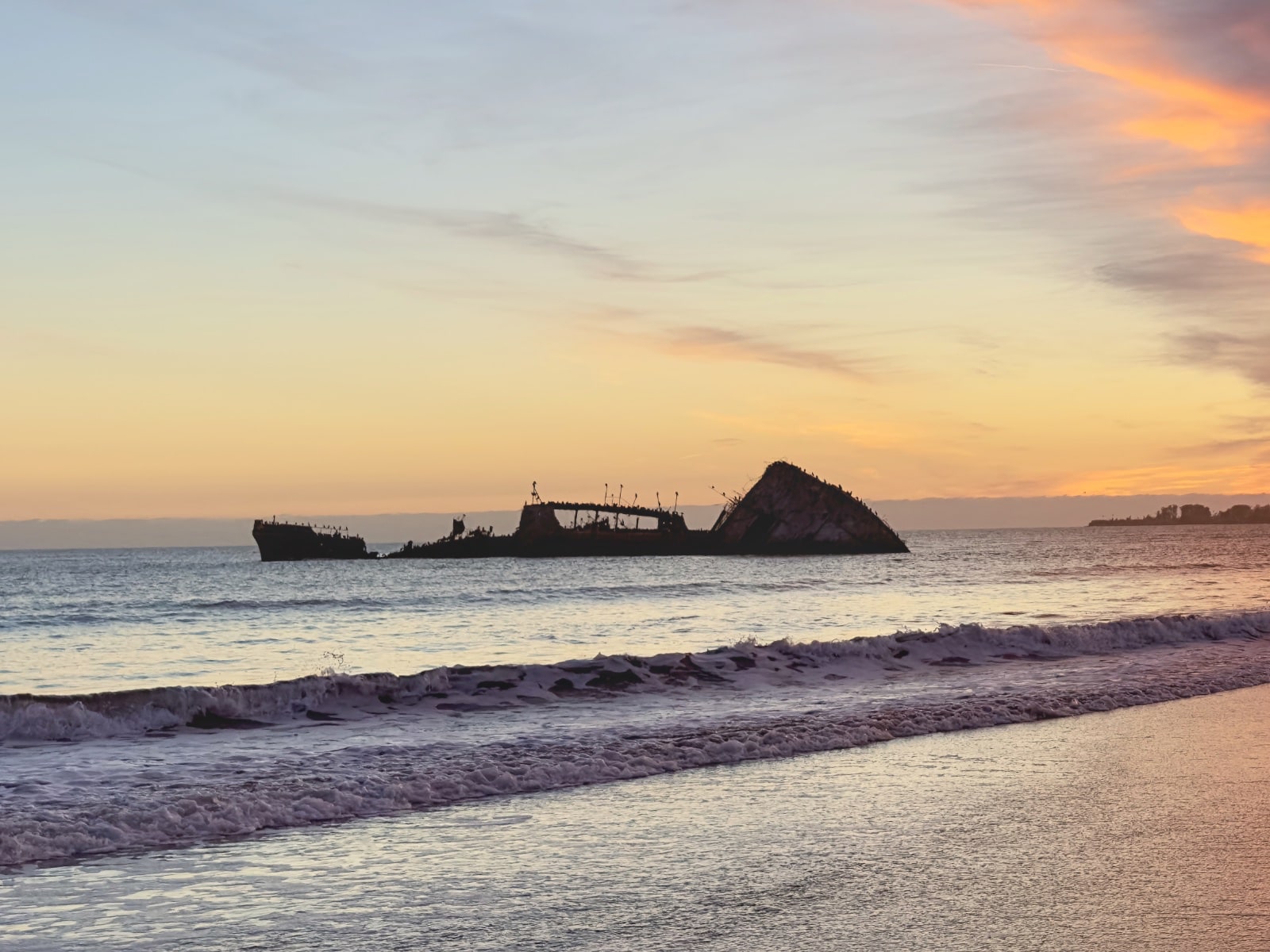
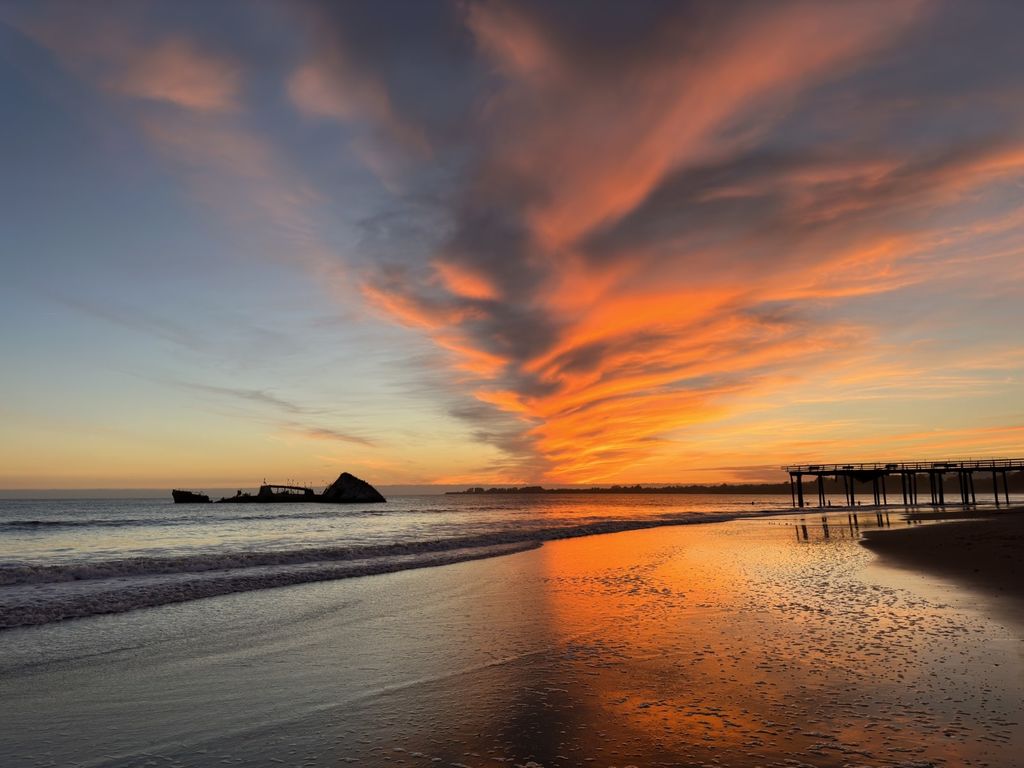
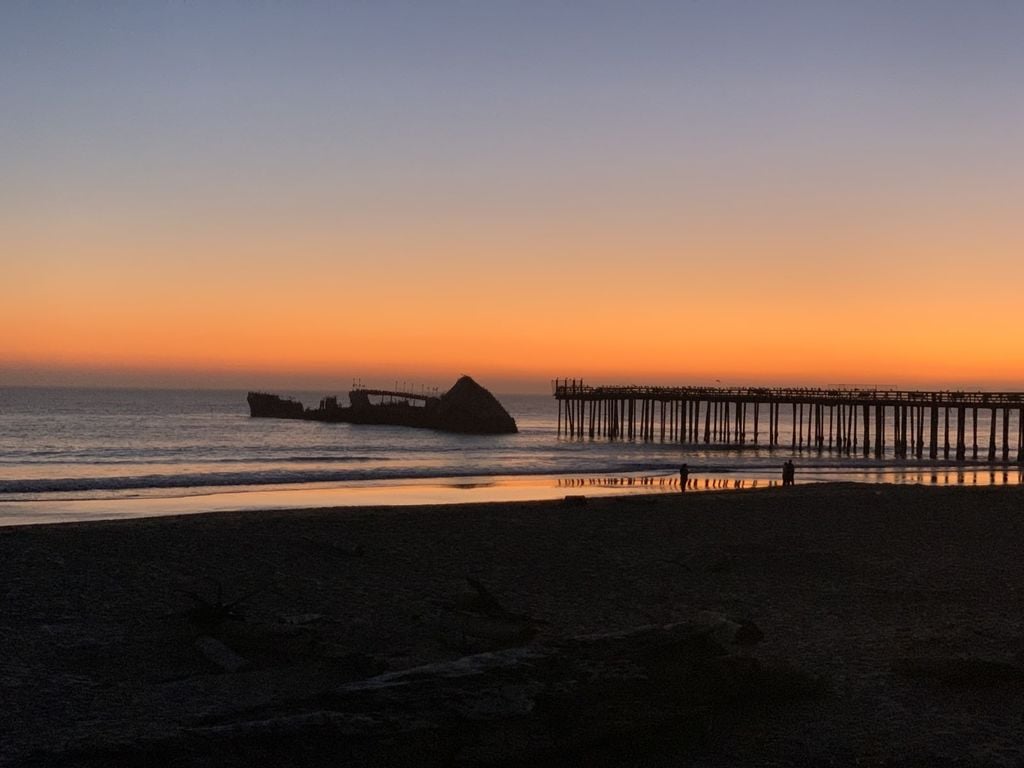
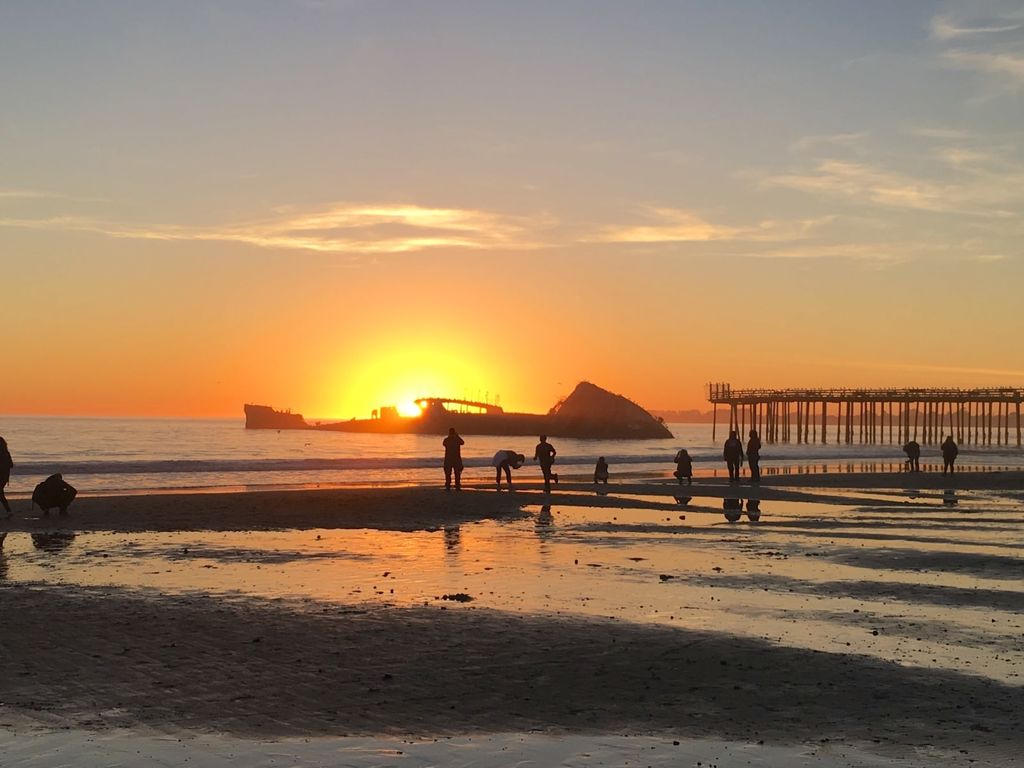
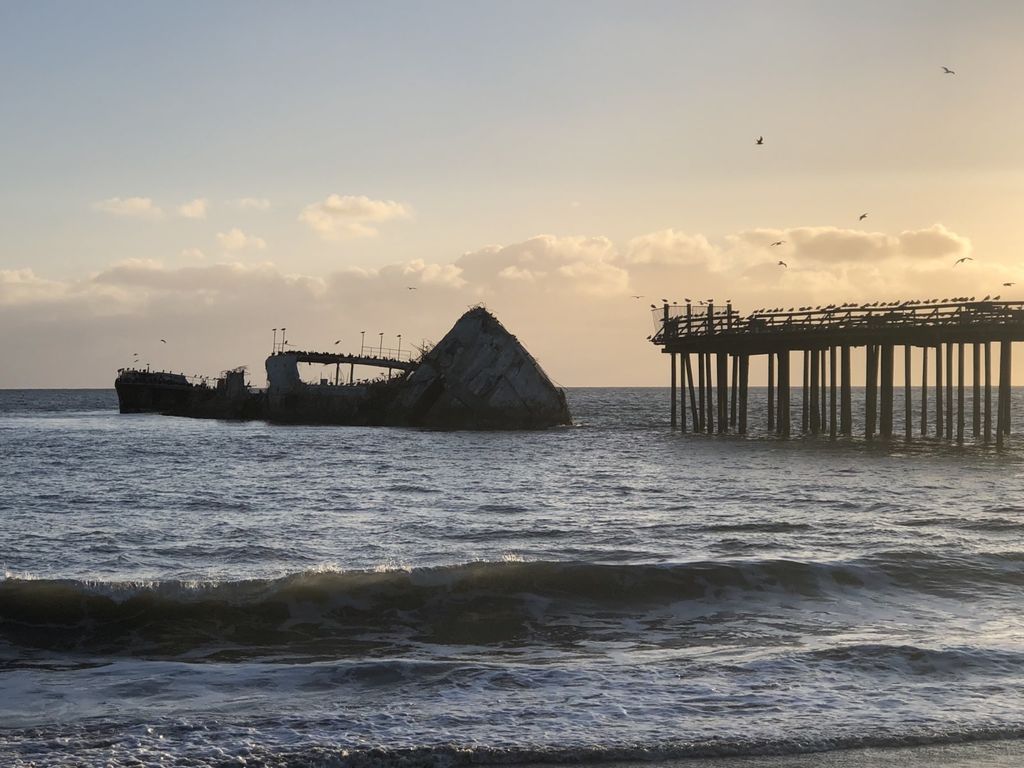
If you’ve spent any time at Seacliff State Beach, you’ve seen it: a huge gray hull sitting just off the sand, covered in pelicans and cormorants. That’s the SS Palo Alto, known to generations of locals simply as the “Cement Ship,” and it’s one of the best known landmarks in Aptos, a coastal town on the Monterey Bay side of Santa Cruz County. It was built as a concrete oil tanker at the very end of World War I, never carried a drop of oil, spent a couple of wild summers as a floating nightclub, served as a fishing pier for decades, and now lives on as an artificial reef. Here’s the whole story, from the Oakland shipyard to the storms of 2023.
Key Takeaways
Summary: The SS Palo Alto is a 1919 concrete tanker built for World War I that never sailed in service. It was sunk at Seacliff State Beach in Aptos in 1930 to serve as an amusement ship, became a state-owned fishing pier in 1936, and today is a closed but still visible wreck and artificial reef after storms destroyed its pier in 2023.
Accurate Home Price Data Is Just a Click Away!

Live MLS Data
What Are Homes Actually Selling For Right Now?
Median price, days on market, and how many homes are selling over asking, pulled straight from current MLS data for your neighborhood.
See the Live Sales Data →
The Inception: A Concrete Solution
The SS Palo Alto’s story starts with World War I. After the United States entered the war in 1917, German U-boats were sinking cargo ships faster than yards could replace them, and steel was scarce. Engineers argued that steel-reinforced concrete could fill the gap, since a concrete hull used far less steel and could be built by workers who weren’t trained shipwrights. On April 12, 1918, President Woodrow Wilson authorized the Emergency Fleet Corporation’s concrete ship program. The idea wasn’t new. French inventor Joseph-Louis Lambot built a small rowboat out of iron-reinforced concrete in the late 1840s, but nobody had tried it at the scale the government now had in mind.
A Concrete Fleet
The government planned a much larger concrete fleet than it ever built, and only 12 ships were finished, all after the armistice of November 11, 1918. The SS Palo Alto was built by the San Francisco Shipbuilding Company at a yard in Oakland. Crews started pouring her hull in January 1919 and launched her sideways into the estuary on May 29, 1919. She measured 420 feet between perpendiculars (about 434 feet overall), was the first concrete tanker ever built and the largest concrete ship of her day, and cost close to $1.8 million. Her sister ship was the SS Peralta. With no war left to fight, and concrete ships proving heavy and costly to operate, the Palo Alto never went into service. She sat in mothballs on San Francisco Bay until 1924, when she was sold for scrap, and she was still sitting idle when her fate took an unexpected turn in 1929.
A New Vision: From Oil Tanker to Entertainment Venue
In 1929 the Seacliff Amusement Corporation bought the ship with plans to turn it into a seaside attraction. (You’ll sometimes see the buyer called the “Cal-Nevada Stock Company,” but that’s a mix-up with Calavada, one of the company’s creditors.) In January 1930 tugs towed the hull down the coast to Seacliff, and on January 25 crews flooded it so it settled onto the sandy bottom in shallow water. A roughly 630-foot wooden pier was built out from the beach to reach it.
The amusement ship opened on June 21, 1930, with a party in the Rainbow Ballroom that drew thousands of people. Onboard were a dance floor, a café, a 54-foot heated swimming pool, and concessions that included slot machines, bingo and other games of chance, and local lore says there was plenty of bootleg liquor during those Prohibition summers. Visit Santa Cruz County’s history of the ship also mentions a restaurant called the Fish Palace and a neon sign on the bluff that simply read “The Ship.”
The good times didn’t last. The Great Depression was squeezing everyone, and in the winter of 1932 a storm cracked the ship’s hull at its midsection. The company defaulted on its loans that same year, the party ended after only two seasons, and the ship was stripped of its fittings. Fishermen soon took it over as a place to cast their lines.
Sold for a Dollar
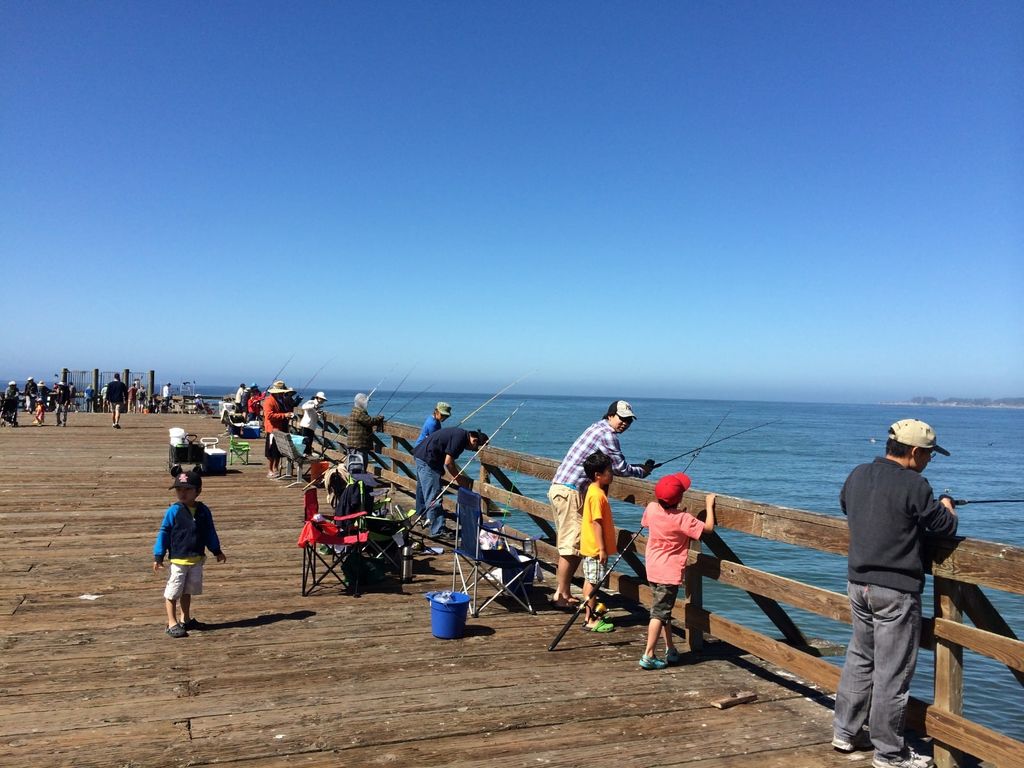
In a surprising twist, the State of California bought the SS Palo Alto in 1936 for $1, and it became part of Seacliff State Beach. For the next several decades the pier and ship were one of the most popular fishing spots on the Central Coast, and visitors could walk the deck and take in views of Monterey Bay. Time and the ocean kept chipping away at it, though. The state closed the foredeck in 1958, a 1963 storm split the hull further along the old 1932 crack, and storm damage closed the pier in 1980 until local volunteers helped get it repaired and reopened in 1983.
The SS Palo Alto: A Century of History and Maritime Memories
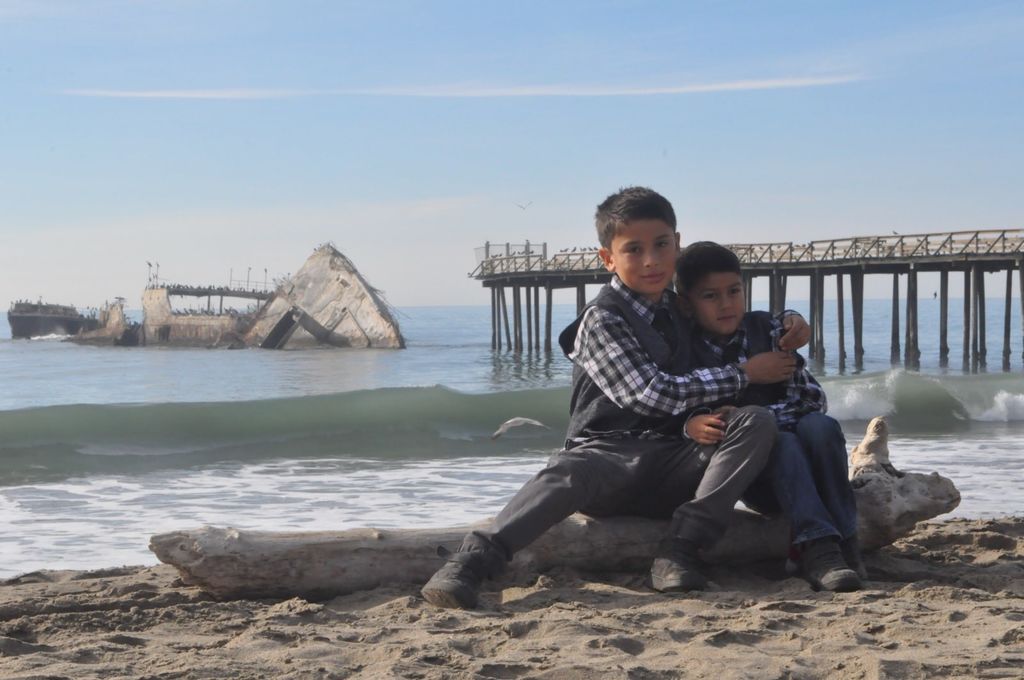
The ship has weathered a lot of storms, both literal and financial. In the mid-2000s, oil still trapped inside the hull began leaking and killed dozens of seabirds, and in 2006 the state spent about $1.8 million removing roughly 500 gallons of oil from the wreck. By 2016 the ship was rolling badly in heavy surf and was closed to visitors, and a storm on January 21, 2017 tore away its stern. Even so, what’s left remains the signature image of Seacliff State Beach.
An Artificial Reef and a Bustling Ecosystem
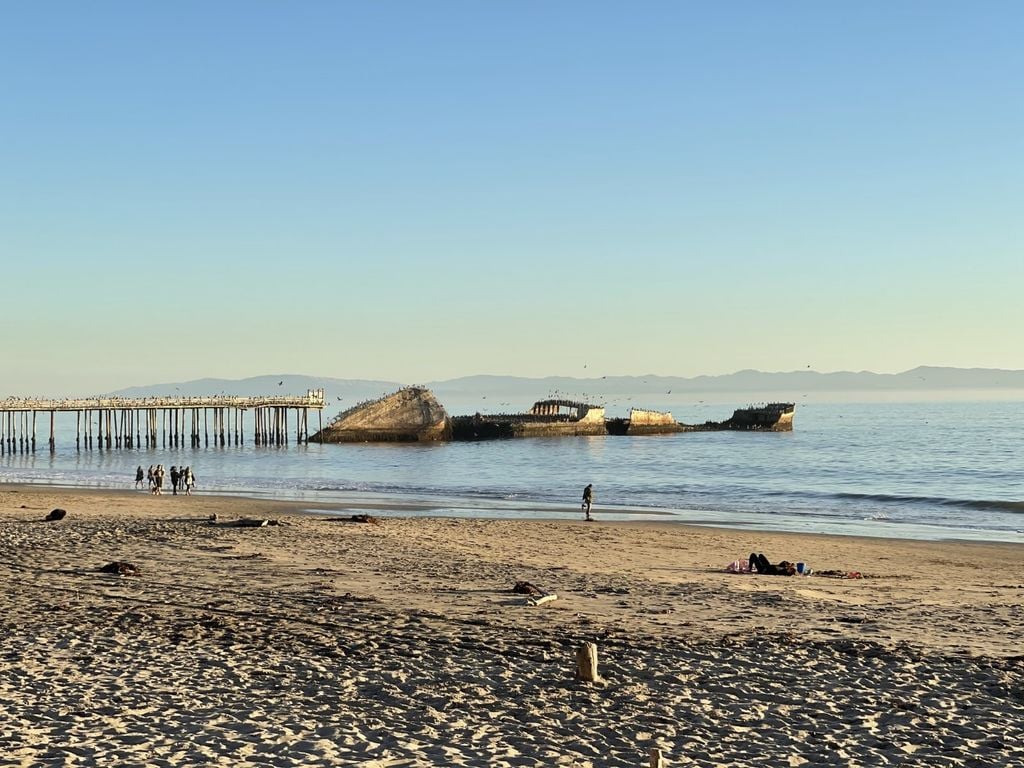
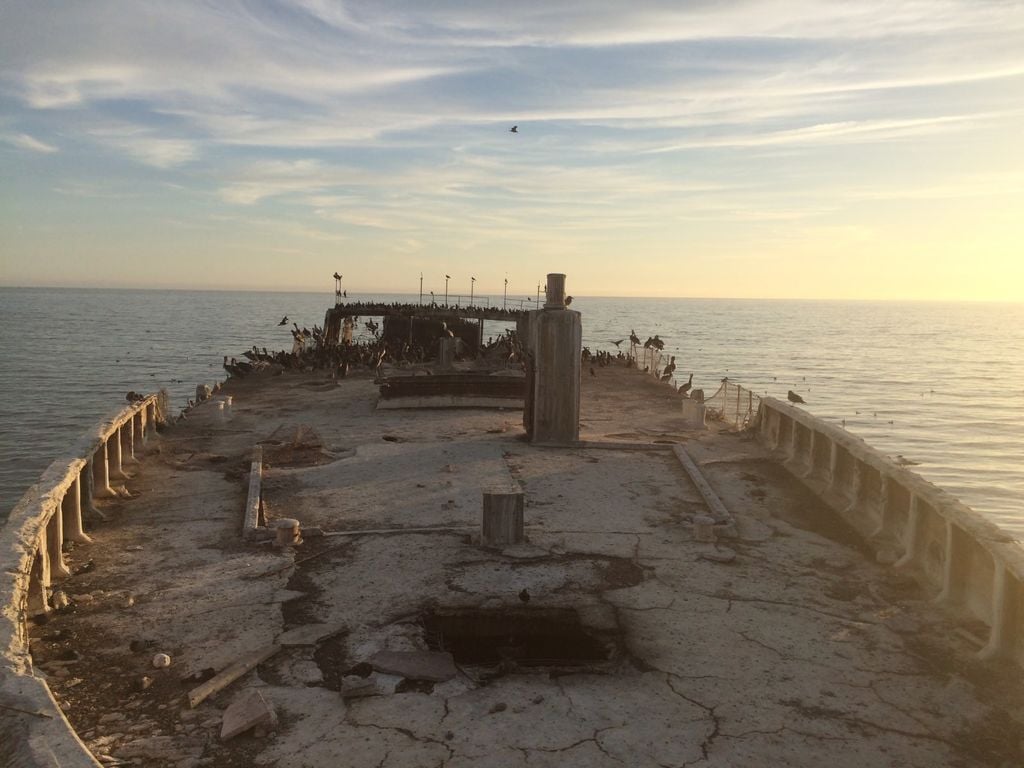
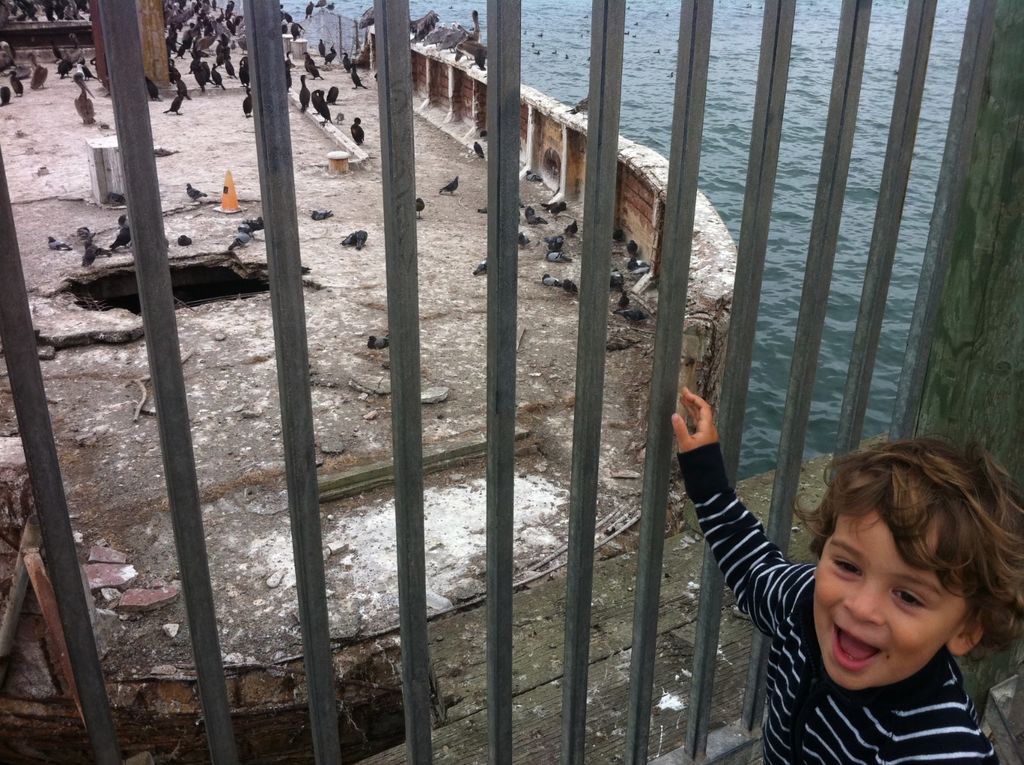
The SS Palo Alto is closed to people, but it’s busier than ever with wildlife. The broken hull serves as an artificial reef, with mussels, sea stars and anemones covering its sides and fish like halibut, lingcod and mackerel moving through the flooded interior. Brown pelicans, cormorants and gulls use it as a roost, and sea lions regularly haul out on it, which makes it a great spot for wildlife watching from the beach.
Centennial Celebrations
The ship turned 100 on May 29, 2019. Local groups, including the Friends of Santa Cruz State Parks, marked the anniversary with events where hundreds of locals and visitors shared memories and paid tribute to one of the county’s most beloved landmarks.
The Wooden Pier: A Victim of Nature’s Fury
The end of 2022 and the start of 2023 brought a series of atmospheric rivers that hit Santa Cruz County hard. On January 5, 2023, high surf and huge waves smashed Seacliff’s wooden pier, which had stood for more than 90 years, along with much of the park’s seawall and its RV campground. On January 19, 2023, President Joe Biden visited Aptos and Seacliff State Beach to survey the damage. Engineers determined the pier was beyond repair, demolition started in March 2023, and it was gone by that May.
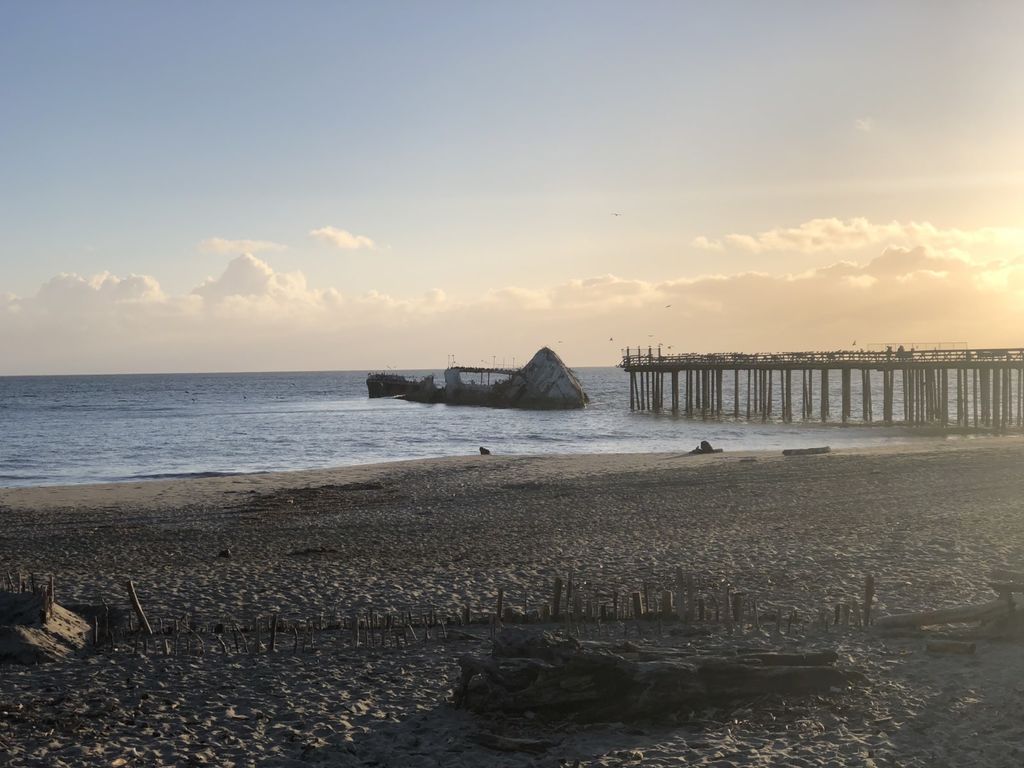
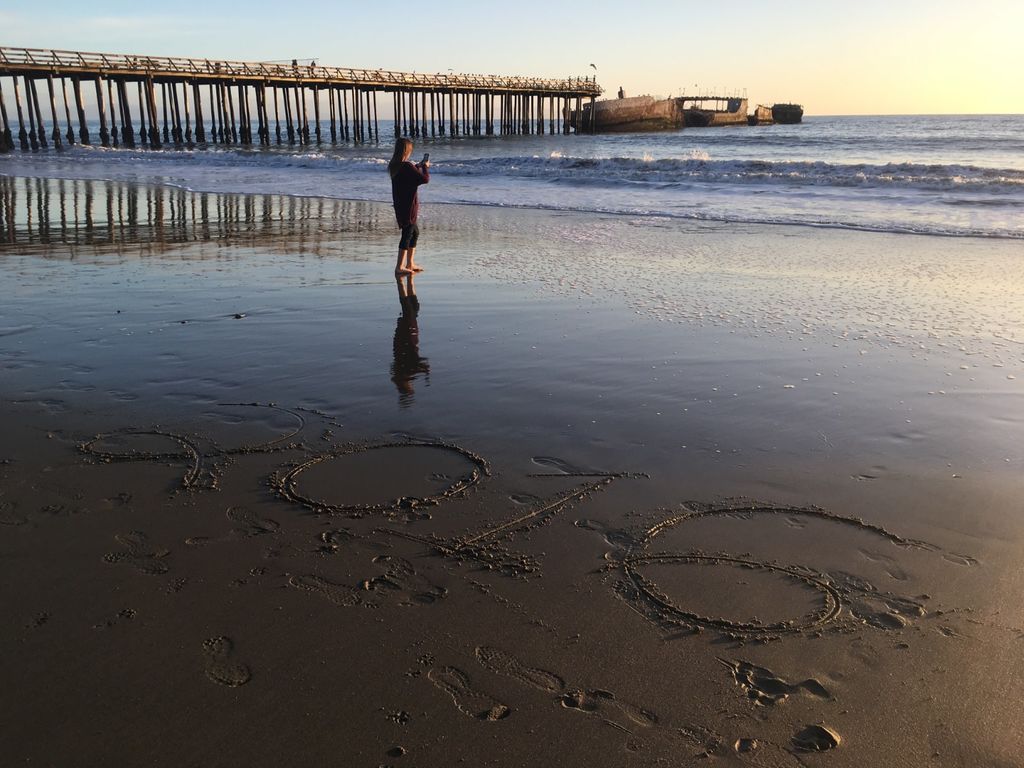
The ship itself is still there, just without a way to reach it. The beach and day use area have reopened, but some facilities are still being rebuilt, and California State Parks, the Friends of Santa Cruz State Parks and Parks California are working on a long-term recovery plan through Resilient Seacliff. Before you go, check the Seacliff State Beach page on the California State Parks website for current conditions.
Visiting the Cement Ship Today
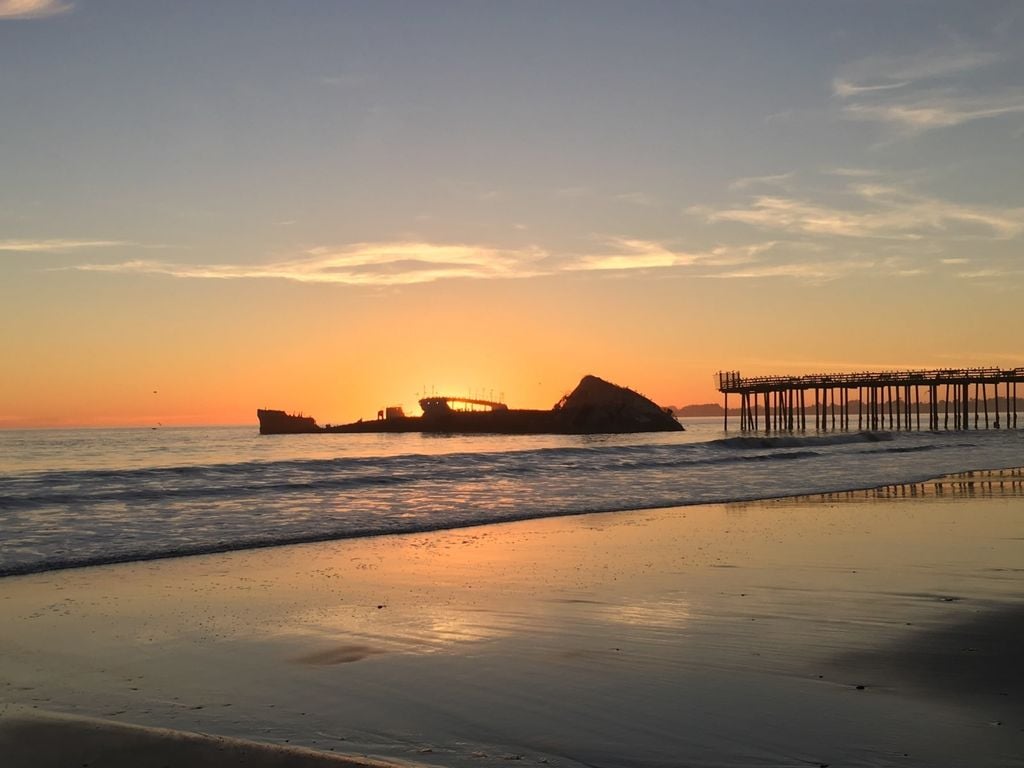
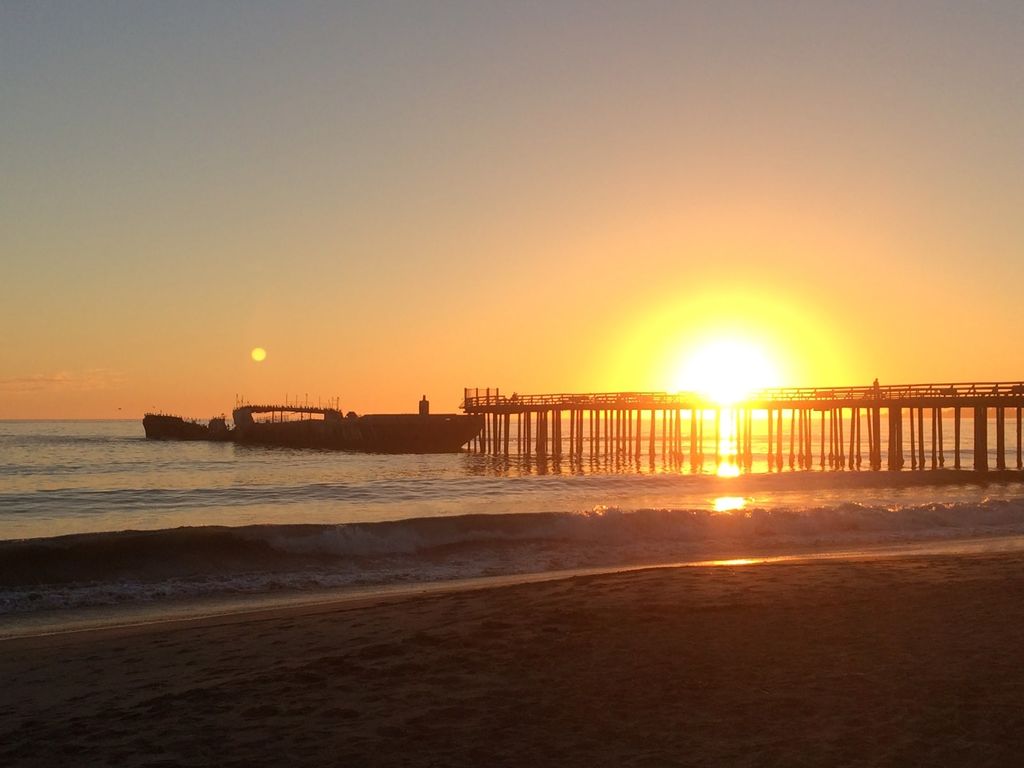
Seacliff State Beach is at the end of State Park Drive, just off Highway 1 in Aptos. You can see the ship clearly from the sand and from the bluff above, and sunset is the best time for photos. If you want to make a day of it, New Brighton State Beach is just up the coast, Rio del Mar Beach is a walk down the sand, and The Forest of Nisene Marks State Park is a few minutes inland. For a bit more local history, stop by the historic Bayview Hotel in Aptos Village, and when you’re hungry, here are some of the best restaurants in Aptos. For the full history of the ship, the SS Palo Alto Wikipedia article is a good place to start.

Free Listing Alerts
Be First to See New Homes Before Everyone Else
Good homes rarely sit for long, and the best ones are often in contract before the weekend. Tell me where to send them and I'll email you new listings as soon as they hit the MLS.
You're all set. Thanks! New listings will start landing in your inbox. If you don't see the first one, check your promotions or spam folder.
In Conclusion: The Enduring Legacy of the SS Palo Alto
The SS Palo Alto’s journey from a wartime concrete tanker to a beloved landmark is a great example of how a place can reinvent itself. It never served in the war it was built for, its nightclub days lasted two summers, and its pier is gone, but the ship still pulls people to Seacliff to look out at it and share their own memories of fishing off the deck or walking the old pier.
It may never be an entertainment venue or a fishing pier again, but it’s still the guardian of Seacliff State Beach, facing the sea as it has since 1930. If this stretch of coast has you thinking about a move, take a look at what it’s like living in Aptos and check the latest Aptos home prices.
SS Palo Alto Photo Gallery
Frequently Asked Questions
What is the SS Palo Alto?
The SS Palo Alto, known locally as the Cement Ship, is a concrete oil tanker launched in Oakland in 1919 for the World War I Emergency Fleet program. It was never used as a tanker and has rested in shallow water at Seacliff State Beach in Aptos since 1930.
Why was the Cement Ship made of concrete?
Steel was scarce during World War I, and German submarines were sinking ships faster than they could be replaced. Steel-reinforced concrete used much less steel, so President Woodrow Wilson authorized a concrete ship program in April 1918. Only 12 of the ships were finished, all after the war ended.
How did the SS Palo Alto end up at Seacliff State Beach?
The Seacliff Amusement Corporation bought the idle ship in 1929, towed it to Seacliff in January 1930, and flooded it so it settled on the bottom. It opened as an amusement ship that June, and the State of California bought it for $1 in 1936 after the company failed.
Can you still walk on the Cement Ship?
No. The ship has been closed to the public for years, and the wooden pier that led to it was destroyed by a storm on January 5, 2023 and removed that spring. You can still see the wreck from the beach and the bluff.
Is Seacliff State Beach open?
Yes, the beach and day use area have reopened, though some facilities damaged in the 2023 storms are still being rebuilt. Check the California State Parks website for current conditions before you go.
What lives on the SS Palo Alto today?
The wreck is an artificial reef. Mussels, sea stars and anemones cover the hull, fish such as halibut, lingcod and mackerel live inside it, and pelicans, cormorants and sea lions use it as a resting spot.
How old is the Cement Ship?
The SS Palo Alto was launched on May 29, 1919, so it passed its 100th birthday in 2019. It has been at Seacliff State Beach since January 1930.
Free Relocation Guide
Thinking About a Move to Santa Cruz County?
Everything I'd tell a friend before they moved here, from Boulder Creek to Watsonville. Neighborhoods, housing, health care, beaches, the commute over the hill, and the local events worth planning your year around.
Read the Relocation Guide →Coastal Aptos Homes for Sale
2
3
4
5
6
7
8
9
10
11
12
13
14
15
16
17
18
19
20
21
22
23
24
25