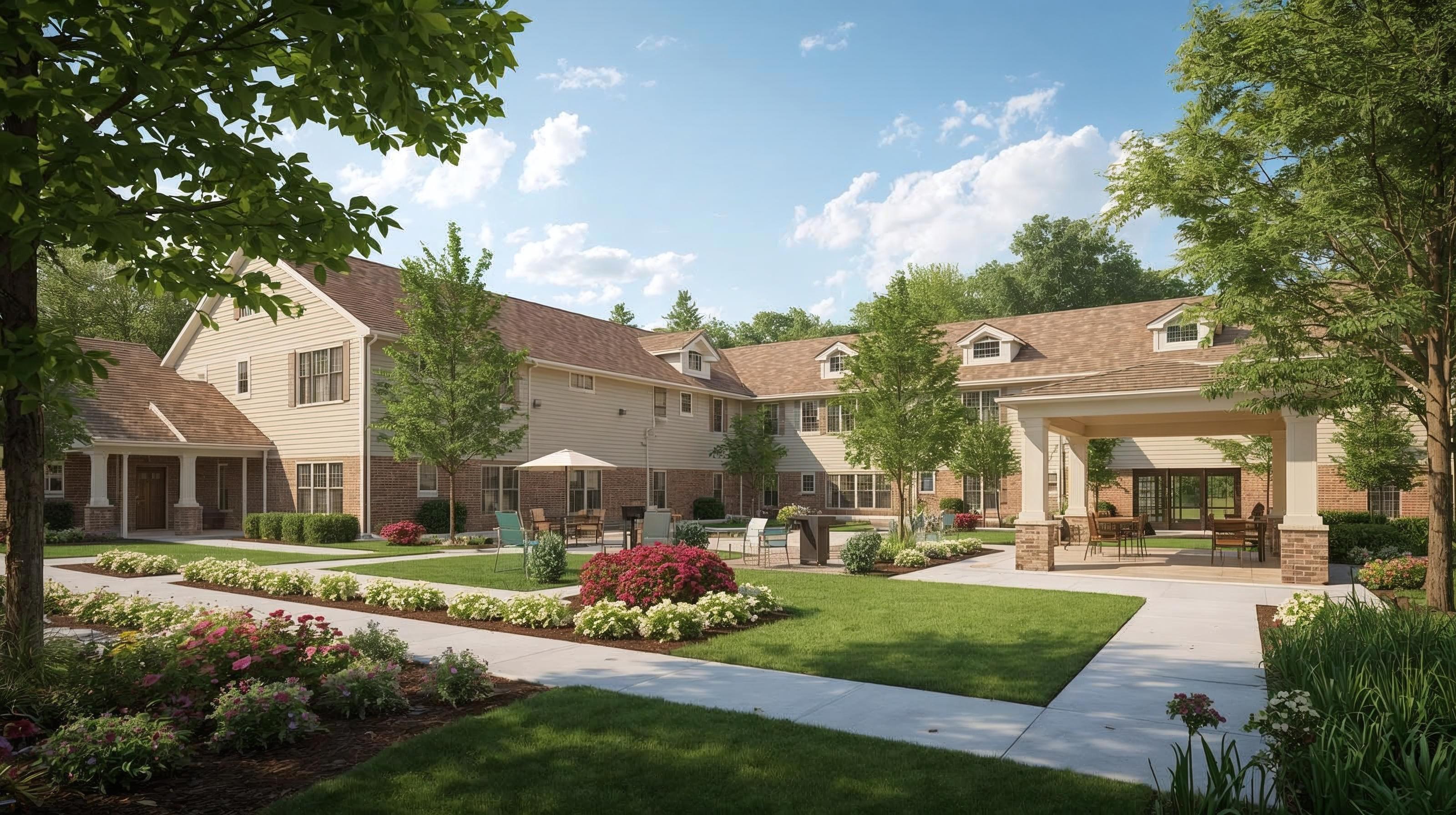
Key takeaways
Moving to assisted living is rarely just a housing decision—it’s a health, safety, and quality-of-life decision that often becomes harder (and more expensive) when made in a crisis rather than planned ahead.
In the Bay Area, cost and availability vary widely by location and level of care. Waiting until a fall, hospitalization, or caregiver burnout forces the move can limit choices and compress timelines.
The biggest risk isn’t moving too early—it’s waiting too long. Early planning gives families time to evaluate care options, coordinate finances and home equity, and make the transition on their own terms instead of under pressure.
Summary: Assisted living moves work best when planned early—before health or safety issues force fast decisions—so families can protect choice, dignity, and financial flexibility.
If you’ve started thinking about assisted living for yourself or a loved one, chances are you’re feeling both curiosity and hesitation. It’s a big transition, and here in the Bay Area, where housing choices are as varied as the people who live here, the decision takes on even more weight. Families often ask me the same three questions: Why should we consider assisted living? When is the right time to make the move? And how do we go about it without losing our minds in the process?
Let’s unpack each of these, because understanding the why, when, and how can turn what feels like an overwhelming change into a step toward a safer, healthier, and more fulfilling life.
The Why: Peace of Mind, Safety, and Quality of Life
The number one reason families consider assisted living is peace of mind. For older adults, especially those living alone, small challenges can snowball into real risks. Falls, medication mismanagement, or even simple loneliness can take a toll on health and happiness. Assisted living communities provide an environment designed to minimize those risks while still preserving independence.
Here in the Bay Area, many assisted living communities offer more than just basic care. You’ll find robust activity calendars, chef-prepared meals, fitness programs, and transportation options. The goal isn’t to take away freedom — it’s to give it back. By lifting the burden of cooking, cleaning, and home maintenance, residents can spend their energy on hobbies, social connections, or simply enjoying their day-to-day lives.
For families, knowing that a loved one has 24/7 support if needed is invaluable. Instead of constant worry, you can shift back into being a daughter, son, spouse, or friend again — roles that too often get overshadowed when caregiving becomes overwhelming.
The When: Recognizing the Right Time
One of the toughest parts of this journey is figuring out when “someday” becomes “today.” Most families wait until there’s a crisis — a hospitalization, a fall, or sudden decline — but ideally, you don’t want to wait that long.
Some signs it might be time to explore assisted living:
-
Struggles with daily tasks. Things like dressing, bathing, or cooking are becoming more difficult.
-
Safety concerns. Frequent falls, near-misses in the kitchen, or leaving the stove on.
-
Social isolation. A lack of connection with friends or neighbors, or entire days spent alone.
-
Caregiver burnout. Family members are stretched too thin and their own health or wellbeing is at risk.
Here in the Bay Area, where housing is expensive and caregiving support often comes at a premium, families can find themselves juggling impossible schedules. The right time is usually when staying at home no longer supports safety, health, or happiness — and making the move earlier often leads to a smoother, more positive transition.
The How: Navigating the Move Smoothly
Once the decision is made, the “how” becomes the next challenge. The process can feel daunting, but breaking it down into steps makes it manageable.
-
Research communities. Tour several assisted living communities in the Bay Area. Pay attention to the culture, amenities, care services, and, importantly, how residents seem to feel when you walk in the door.
-
Plan financially. Assisted living isn’t cheap, especially here. Costs vary widely, so compare what’s included — meals, transportation, activities, medical oversight — and consider selling a current home as part of the funding plan.
-
Downsize thoughtfully. Moving into assisted living usually means rightsizing belongings. Focus on creating a comfortable, familiar environment in the new space with cherished items, photos, and keepsakes.
-
Involve the family. Keep conversations open, honest, and compassionate. If everyone feels part of the decision, the move tends to go more smoothly.
-
Lean on professionals. From senior move managers to real estate agents who specialize in working with older adults, there are experts here in the Bay Area who can help with everything from downsizing to legal planning.
Help For A Sudden Move to Assisted Living

Moving Forward with Confidence
At its heart, the move to assisted living is about creating a life that’s safer, easier, and more joyful. It’s about replacing worry with peace of mind and trading isolation for community. In the Bay Area, we’re fortunate to have a wide range of high-quality communities to choose from, each with its own personality and offerings.
If you’re at the stage where this transition is on the horizon, take the time to explore your options now. The earlier you start, the more choices you’ll have, and the smoother the process will be. Moving to assisted living doesn’t mean giving up independence — it means setting yourself up to thrive in this next chapter of life.
Assisted Living Communities: What They Are, the Myths, and the Real Benefits
When I say “assisted living,” many people picture a hospital corridor and a strict schedule. That’s not what assisted living is. Assisted living communities are apartment-style residences (studios and 1–2 bedrooms) that provide personal care support—help with activities of daily living like bathing, dressing, medication management, meals, housekeeping, transportation, and 24/7 staff on site—without the medical intensity of a skilled nursing facility. In other words, they’re built to extend independence, not replace it. You keep your own home space and daily rhythm; you just have a reliable safety net when you want it.
Common myths I hear—and what’s actually true:
- “It’s basically a nursing home.” Not so. Assisted living is non-medical daily support with nursing oversight, not round-the-clock clinical care. Most residents live in private apartments with kitchenettes and personal furnishings.
- “I’ll lose control of my day.” You set your schedule: sleep in, eat when you like, come and go, have guests, keep a car if appropriate. The team adapts to your routine.
- “It feels institutional.” Modern communities look and live like boutique apartments—think bistros, libraries, gardens, gyms, salons, theaters, art studios, and patios instead of linoleum hallways.
- “No pets allowed.” Many assisted living communities are pet-friendly with reasonable guidelines.
- “It’ll isolate me.” The opposite: there’s a built-in social fabric—clubs, classes, outings, volunteer groups, lectures, music nights, and holiday events—so connection requires less effort.
- “It’s always more expensive than staying home.” When you compare the total cost of ownership (in-home care hours, maintenance, utilities, landscaping, repairs, transportation, plus opportunity cost), assisted living can be competitive—and it’s far more predictable.
Why assisted living can be great—even for fiercely independent people
-
Safety without smothering. 24/7 staff, emergency response, and better lighting/layouts reduce risk. Medication oversight lowers avoidable hospital visits. You’re supported, not supervised.
-
Healthy routines made easy. Fresh meals, hydration reminders, fitness classes, and walking paths make it simpler to do the right things consistently.
-
Instant community. Friendship happens faster when the clubhouse, coffee bar, and activity calendar are steps from your door. Purpose doesn’t have to be scheduled weeks out—it’s down the hall.
-
Family becomes family again. Loved ones stop being on-call case managers and go back to being visitors, lunch dates, and travel companions.
-
Lock-and-leave freedom. No yard work, no roof dramas, no contractor chase. Travel is simpler and more frequent.
-
Care that flexes. As needs change, support can scale—from a little help with meds today to extra ADL assistance after a surgery, often without moving. (If memory care is needed later, many campuses offer a seamless transition.)
How I advise clients to evaluate a community (quick checklist): Tour twice (day/evening), eat a meal on site, and talk with residents. Ask about staff training and turnover, nurse coverage hours, response times, individualized care plans, activity participation rates, transportation options, and what’s included vs. fee-for-service (levels of care, medication management, escorts). Review licensure, inspection history, and contract terms (rate-increase policies, notice periods). If you’re on the fence, request a respite stay for a true test drive.
Bottom line: Assisted living isn’t about giving up independence—it’s about protecting it with the right mix of privacy, support, and community. For many people, it’s the most sustainable way to “age in place” with confidence—in community, not in isolation.
When it comes to assisted living, let me be clear: this doesn’t mean “giving up” either. It’s simply a living arrangement that provides a little more support for folks who need it—think meals prepared for you, help with medication, transportation to appointments. But these services are delivered in beautiful, thoughtfully designed environments that feel like upscale apartment living, not institutions. A lot of folks who know these communities well will compare them to a “cruise ship on land” – with great food, entertainment, excursions, and lots of fun to be had, day and night.
Frequently Asked Questions
What is assisted living (and what is it not)?
Assisted living is apartment-style senior housing with help for daily needs like bathing, dressing, medication management, meals, housekeeping, transportation, and 24/7 staff on site. It’s not a hospital or a skilled nursing facility—think “independence with a safety net,” not round-the-clock medical care.
How is assisted living different from a nursing home or skilled nursing facility?
Assisted living focuses on non-medical daily support (with nursing oversight), while skilled nursing is for higher medical needs and more clinical care. If someone needs intensive medical supervision, rehab, or complex nursing, a skilled nursing setting may be the better fit.
When is the right time to move to assisted living?
Most families wait until a crisis (a fall, hospitalization, sudden decline), but the smoother path is earlier—when staying at home no longer supports safety, health, or happiness. If daily life is getting harder or riskier, it’s time to start exploring options.
What are the clearest signs it might be time to consider assisted living?
Common signals include: struggles with daily tasks (dressing, bathing, cooking), safety issues (falls, leaving the stove on), social isolation, medication mismanagement, and caregiver burnout where family support is becoming unsustainable.
Will assisted living take away independence?
Not inherently. Many communities are designed to preserve independence—private apartments, flexible routines, optional services, and support that’s there when you want it. The goal is to reduce risk and remove burdens (meals, cleaning, home maintenance), so residents can spend energy on living.
What services are usually included in assisted living?
Most communities provide meals, housekeeping, activities, transportation, and staff availability 24/7. Personal care (ADL support) and medication management are often offered as part of care levels or add-on packages, so it’s important to confirm what’s included vs. fee-for-service.
How much does assisted living cost in the Bay Area?
Costs vary widely by location, apartment type, and care level—and Bay Area pricing can be especially high. The key is to compare apples-to-apples: what’s included (meals, transportation, activities, medication management, care hours) and what triggers a move to a higher level of care.
How do families typically pay for assisted living?
Many families combine multiple sources: income, savings, long-term care insurance (if applicable), and sometimes proceeds from selling a home. It’s helpful to create a plan early so the move isn’t forced on a compressed timeline.
How do I choose the right community?
Tour multiple communities and pay attention to “feel” as much as features—culture, staff engagement, resident energy, and cleanliness. Then dig into the details: staffing model, nurse coverage, response times, care-plan process, and contract terms.
What questions should I ask on tours?
Ask about staff training and turnover, nurse coverage hours, emergency response times, individualized care plans, activity participation, transportation options, what’s included vs. extra, rate-increase policies, notice periods, and licensure/inspection history. If possible, tour twice (day and evening) and eat a meal on-site.
Is a “respite stay” worth doing before committing?
Yes—if available, a short respite stay is one of the best ways to test drive a community. It helps families validate fit, routines, food, social life, and the level of support—without committing to a permanent move immediately.
How do you handle the move without it becoming overwhelming?
Break it into steps: research communities, plan finances, downsize thoughtfully (bring cherished items to make the new space feel like home), keep family conversations open, and lean on professionals like senior move managers and specialists who help coordinate downsizing, logistics, and home-sale timelines.
Time to talk to a REALTOR?

Gracious Homes at The Villages in San Jose
2
3
4
5
6
7
8
9
10
11
12
13
14
15
16
17
18
19
20
21
22
23
24
25