Key takeaways
Downsizing to a 55+ community isn’t about “giving something up”—it’s often about gaining simplicity, predictability, and a lifestyle designed around how you actually want to live in this next chapter.
Many 55+ communities offer built-in social connection, amenities, and low-maintenance living, which can meaningfully reduce isolation, physical workload, and day-to-day stress compared to staying in a large family home.
The biggest advantage is optionality: selling earlier (by choice, not necessity) can unlock equity, preserve flexibility, and allow you to move on your own timeline—before health, market conditions, or logistics force rushed decisions.
Summary: Downsizing to a 55+ community is less about downsizing life and more about upgrading flexibility, connection, and ease—especially when the move is planned proactively rather than reactively.
I spend a lot of time with folks in their 60s, 70s, and 80s who tell me the same thing: “Seb, I want to stay independent. I don’t want to move to a rest home. I don’t want to be around a bunch of decrepit old people.” I hear you. None of us picture our best years as a beige hallway with a faint smell of disinfectant and early dinners. But here’s what I’ve learned guiding long-time Bay Area homeowners through this season of life: aging in place doesn’t have to mean staying in the exact same place. It means living in a place that actually supports how you want to live—safely, simply, and socially—for the next twenty years. And for many people, they’ll find that perhaps the best option is to move into a 55+ Community, where they can age in place in a supportive environment that fully supports independent living.
For many, the smartest path to true independence is downsizing to age in place—either into a thoughtfully designed single‑level home or into a modern 55+ community that looks more like a resort than anything you’ve seen on TV. Let’s walk through the myths, the real benefits, the financial tools (hello, Prop 19), and a step‑by‑step plan so you can make a move that protects your lifestyle, health, and wealth.
The Big Reframe: Aging in Place vs. Staying Put
Aging in place is about maintaining control of your daily life. It’s about living where you’re safe, connected, and able to do the things that matter. A two‑story house with narrow halls, a slippery tub, and a yard that eats your weekends may be familiar—but it’s not necessarily friendly to your future self. When the home starts dictating your choices (skip the stairs, stop gardening, avoid the bathtub), it’s time to consider a better fit, not a bigger fight.
Downsizing—what I like to call right‑sizing—can be the key to more independence, not less. Fewer chores. Lower costs. Easier mobility. Better access to friends, services, and activities. The goal isn’t to shrink your life; it’s to remove the friction.
Five Myths About 55+ Communities (and What’s Actually True)
Myth #1: “55+ is just a nursing home with nicer furniture.”
Reality: Nursing homes provide skilled medical care. 55+ communities are independent‑living neighborhoods designed for active adults. Think walking trails, pickleball, gyms, pools, clubhouses, hobby studios, lecture series, wine tastings, travel clubs, day trips, volunteer groups, crafts, and maker spaces. The vibe is more boutique resort than hospital corridor.
Myth #2: “I’ll be surrounded by ‘old people’ and feel older.”
Reality: You’ll be surrounded by peers who actually want to do things. Most residents choose these communities because they value health, purpose, and social connection. You won’t feel older—you’ll feel more active because the fun is built in and right outside your front door.
Myth #3: “It’ll be boring and restrictive.”
Reality: The schedule is packed, and you’re in control. Participate in as much or as little as you like. HOAs do have rules, but they usually reduce hassle (no more paint wars, lawn equipment, or roof drama). Many allow pets, gardening in planters, and personalized interiors.
Myth #4: “It’s too expensive.”
Reality: Add up your current costs: property taxes, utilities, lawn care, roof, exterior paint, tree service, irrigation repairs, pest control, and the big‑ticket items that lurk in older homes. A low‑maintenance home or HOA that covers exterior upkeep can actually stabilize costs and reduce surprises. Many 55+ options also include amenities you’d otherwise pay for à la carte (gym, pool, classes, security).
Myth #5: “I’ll be far from family and services I rely on.”
Reality: The best 55+ communities sit near hospitals, clinics, shopping, restaurants, and transit. I routinely help clients choose a location that brings them closer to adult kids or grandkids or keeps them in the same metro area with better accessibility. Guests are welcome and usually love the pool.
Your Neighbor Sold their House too Cheap!

Why 55+ Can Be the Most “Independent” Option of All
1) A built‑in social fabric. Loneliness is a real health risk. 55+ communities make it easier to find friends and stay engaged without the logistics burden. Walk out your door, join a club, or wander to the clubhouse for coffee—you’ll feel connected quickly.
2) Safety by design. Better lighting, sidewalks, maintained common areas, traffic calming, and neighbors around during the day all add up to peace of mind.
3) Serious maintenance relief. Exterior paint, roofing, siding, landscape, irrigation, and sometimes even internet are handled or coordinated by the HOA. That’s time you get back for travel, hobbies, and family.
4) Lock‑and‑leave freedom. Many clients want to travel more. With lower‑maintenance homes and community oversight, spontaneous trips require less planning (and fewer house‑sitter favors).
5) Fitness and wellness on site. When the pool, gym, and classes are 3 minutes away on foot, fitness stops being an errand and becomes part of the day.
If you still prefer an all‑ages neighborhood, I’ve got you. Many of these wins can be recreated in the right single‑level home with smart design and a good location.
The Social Side: Why Community Matters More Than Square Footage
A big house can hide quiet problems: isolation, uneven floors, dim lighting, and rooms that echo with memory more than activity. Smaller spaces, near the people and places you care about, can increase your quality of life. Here’s how I help clients evaluate a location:
- Proximity to people: kids, grandkids, friends, faith communities, clubs.
- Proximity to services: primary care, specialists, pharmacy, dentist, physical therapy, and hospital.
- Daily convenience: groceries, coffee, parks, libraries, trails, and fitness options.
- Transportation: safe sidewalks, ride‑share reliability, paratransit access, and easy freeway entry without heavy traffic snarls.
- Public safety and lighting: well‑lit blocks, visible neighbors, and a sense of activity.
When these boxes are checked, your social energy goes up and your dependence on others goes down. That’s independence.
The Money: How to Move Smart with Prop 19 and Tax‑Savvy Sales
Prop 19 in Plain English (California)
If you’re 55+ (or severely disabled), Prop 19 generally allows you to transfer your property tax base from your primary residence to a replacement primary residence anywhere in California, up to three times in your lifetime. That means you can move without getting walloped by a brand‑new, sky‑high tax assessment. There are rules about timing and value (for example, if you buy more expensive than you sell, there’s an upward adjustment), and paperwork must be filed correctly and on time. But for many of my clients, Prop 19 is the key that unlocks a move that otherwise felt impossible.
Important: Every situation is unique. Talk to your tax professional and county assessor’s office for specifics on timelines, qualifying conditions, and forms.
Reducing or Deferring Capital Gains
If you’ve owned your home for a long time, appreciation is a blessing—and a tax puzzle. A few strategies worth exploring with your CPA/attorney:
- Home‑sale exclusion: Many homeowners qualify for the federal exclusion on the sale of a primary residence (subject to caps and occupancy rules).
- Structured Installment Sale: Instead of taking all proceeds at once, you can spread the sale price over multiple years through an installment arrangement documented at closing. Taxes are recognized as payments are received, potentially keeping you in lower brackets and creating a steady income stream. (This isn’t the same as the buyer paying you directly over time—there are compliant structures that remove default risk.)
- Capital improvements records: Reconstruct and document improvements to raise your cost basis and reduce taxable gain.
- If the property is a rental: 1031 exchange into more passive real estate or fractional interests (not for primary residences).
- Charitable planning options: For philanthropically minded sellers, tools like charitable remainder trusts can reduce taxes and provide income.
The headline: You have options. The earlier we plan, the better the outcome.
A Step‑by‑Step Downsizing Plan (The Calm Way)
Step 1: Vision & Priorities
List your top five must‑haves (single‑level living, near grandkids, walkable errands, modern kitchen, workshop, etc.). Decide whether you want a 55+ community or an all‑ages neighborhood—and why.
Step 2: Financial Clarity
Meet with your CPA/financial advisor to map out Prop 19 eligibility, estimate property taxes on the target price range, and decide whether a structured installment sale or other strategy could make sense.
Step 3: Home Readiness & Timing
I’ll help you assess the current home: which improvements will actually improve marketability and net proceeds. We’ll develop a pre‑list budget and schedule that won’t turn into a remodel odyssey. Declutter with intention: keep the story, not the stuff.
Step 4: Search & Shortlist
We’ll compare 55+ options and single‑level homes that meet universal design needs. I’ll preview for safety/flow, get HOA info, and pull a true cost‑of‑ownership analysis (taxes, dues, utilities, insurance, maintenance).
Step 5: Sell Strategically
We’ll stage for scale (even smaller homes show big with the right staging), market with data‑driven pricing, and screen buyers for certainty. If you’re doing an installment structure or other tax plan, we’ll coordinate the required language and third‑party professionals before we open escrow.
Step 6: Smooth Transition
We’ll plan move logistics, donation/pickup schedules, and a first‑week setup list (shower chair, grab bars, nightlights, smart locks, Wi‑Fi, TV, and coffee maker—trust me on the coffee maker). You’ll wake up on day one in a dialed‑in home.
A Tale of Two Moves (Real Patterns I See)
The “Why didn’t we do this sooner?” move.
A couple sells a large two‑story after a knee surgery scare. They buy a single‑level home a few miles closer to the kids, add a curbless shower and better lighting, and join a neighborhood walking group. They spend less time on chores, more time with grandkids, and travel two months a year. Their only regret is not doing it five years earlier.
The “Surprised 55+ fan” move
A client swore he’d never live in a 55+ community. We toured three. He picked one with a woodshop and a cycling club. Six months in, he’s busier than ever, plays pickleball three mornings a week, and has a standing Friday dinner with neighbors. His doctor is five minutes away; his kids visit more because the pool is a hit with the grandkids.
FAQs I Get All the Time
Can I bring my dog?
In many 55+ communities, yes—often with size/breed rules. In single‑family neighborhoods, check local ordinances and HOA CCRs.
Will I lose privacy?
Not if you choose well. Ask me to target lots with setbacks, end units, or perimeter locations, and add privacy landscaping where allowed.
What about my stuff?
We’ll inventory your favorites, digitize photos, and right‑size furniture. I have vetted partners for estate sales, donations, and climate‑controlled storage.
What if my health changes later?
That’s exactly why universal design and location matter. You’re building flexibility into your future so you can adapt in place rather than make a crisis move.
The Bottom Line
Downsizing to age in place is not about giving up space—it’s about gaining freedom. It’s shedding the maintenance treadmill, minimizing trip hazards and tax surprises, and maximizing connection and joy. Whether you choose a lively 55+ community or a beautifully designed single‑level home, you’re creating a platform for your best years.
If you’re in Silicon Valley or nearby and want a strategy that blends Prop 19 planning, tax‑savvy sale options (including structured installment sales), universal design, and the best local inventory, I’m here to help. We’ll make a data‑driven plan, execute calmly, and land you in a home that supports the life you actually want to live.
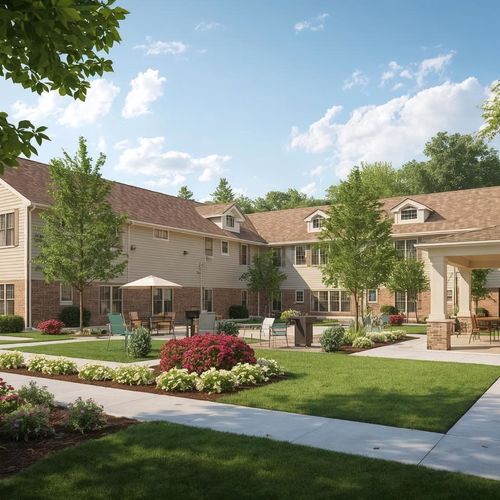
Today’s 55+ communities are vibrant, energetic places designed for active, independent adults who are looking to simplify their lives and maximize their freedom. You’ll find gorgeous walking trails, lap pools, tennis and pickleball courts, fitness centers, arts and crafts studios, woodworking shops, and community gardens. Many communities offer organized events, travel groups, lecture series, wine tastings, yoga classes—you name it. They’re not about winding down; they’re about turning the page into an exciting new chapter.
Frequently Asked Questions
What is a 55+ community?
A 55+ community is a residential neighborhood designed for adults aged 55 and older. These communities typically offer low-maintenance homes, age-friendly layouts, and shared amenities like clubhouses, fitness centers, and social activities.
Do I have to be retired to live in a 55+ community?
No. Many residents are still working part-time or full-time. The age requirement is about community design and lifestyle—not employment status or income.
Are 55+ communities only for people who want an “active” lifestyle?
Not at all. While many offer activities and events, participation is optional. Some residents enjoy social calendars, while others value the quieter environment, smaller homes, and reduced upkeep.
How are 55+ communities different from assisted living?
55+ communities are independent living environments. Residents live in their own homes and manage their daily lives themselves. Assisted living provides care services, meals, and medical support—very different models with different costs and expectations.
Are 55+ homes more affordable than single-family homes?
Often, yes—especially in high-cost areas like the Bay Area. Homes are usually smaller, newer, and designed for efficiency. Monthly costs can also be more predictable due to bundled maintenance and amenities.
What are the tradeoffs of moving to a 55+ community?
The main tradeoff is space and location. You may give up a large yard or a familiar neighborhood. In return, many people gain simplicity, social connection, and freedom from ongoing maintenance responsibilities.
Is downsizing to a 55+ community irreversible?
No. Many buyers choose these communities precisely because they preserve optionality. You can sell later, rent in some cases, or move again if needs change—without the urgency that often comes from waiting too long.
How does moving earlier (by choice) change the experience?
Moving while you’re healthy and in control tends to reduce stress and increase satisfaction. You’re choosing the community, the home, and the timing—rather than reacting to health, market, or family pressure.
What should I consider financially before downsizing?
Key factors include net proceeds from your current home, HOA fees, property taxes, and long-term cash-flow comfort. The goal isn’t just lowering costs—it’s creating predictability and flexibility in retirement.
Can I still host family and visitors in a 55+ community?
Yes. Most communities welcome guests and overnight visitors. Some have guest suites or flexible parking policies, though rules vary—so it’s important to review HOA guidelines before buying.
How do I know if a 55+ community is right for me?
The best test is exposure. Visit communities, attend open houses, talk to residents, and imagine daily life there—not just the home itself. Fit is more about lifestyle than square footage.
When is the best time to explore this option?
Earlier than most people think. Exploring options 1–3 years before a move gives you clarity and leverage, even if you decide not to move right away.
Time to talk to a REALTOR?

Gracious Homes at The Villages in San Jose
2
3
4
5
6
7
8
9
10
11
12
13
14
15
16
17
18
19
20
21
22
23
24
25