
Free Buyer Strategy Call
Before you tour a single home,let's build your game plan.
In Silicon Valley, the buyers who win usually aren't the ones with the biggest offer. They're the ones who knew exactly how they'd compete before the right house ever came up. In 30 minutes we'll talk through your timing, how your down payment and equity comp fit together, and which neighborhoods really match the way you live, then put together a plan to win the home you want without overpaying for it.
Book My Buyer Strategy Call →
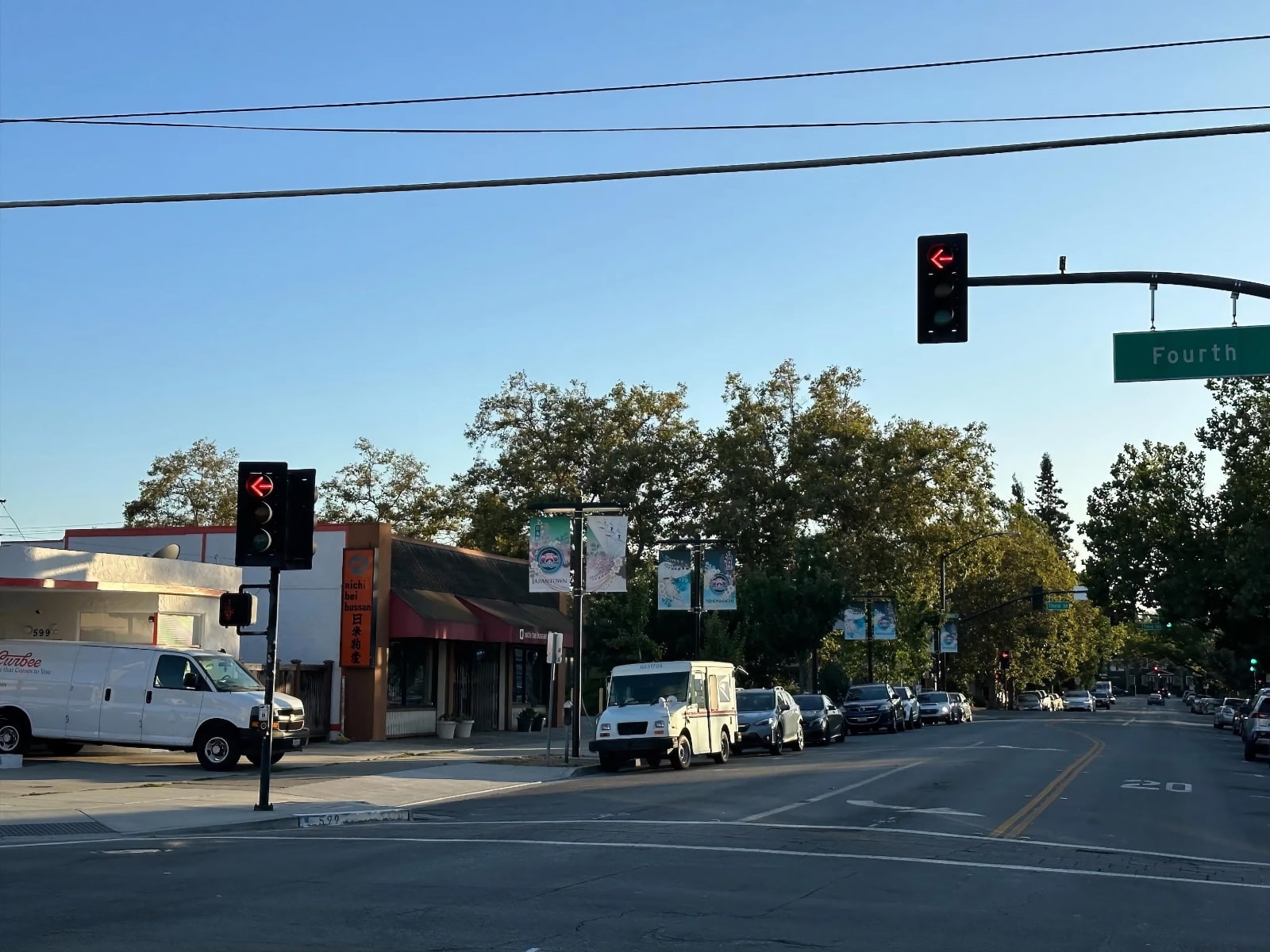
Want the full market report for Japantown?
We want to ensure that you have all the information needed to make the best decisions when it comes to your home goals. When you enter your info below you will get instant access to the area's latest market report, complete with sales and demographic trends.
Silicon Valley Home Search
Stop scrolling stale listings.See what's really for sale today.
A lot of the homes on the big portals went pending last week, and you don't find out until you've already fallen for one. My home search pulls straight from the MLS across Santa Clara and Santa Cruz counties, so every home you see is actually available. Filter by price, neighborhood and home type, save the searches you care about, and be the buyer who already knows the inventory when the right house comes up.
Search Homes For Sale Now →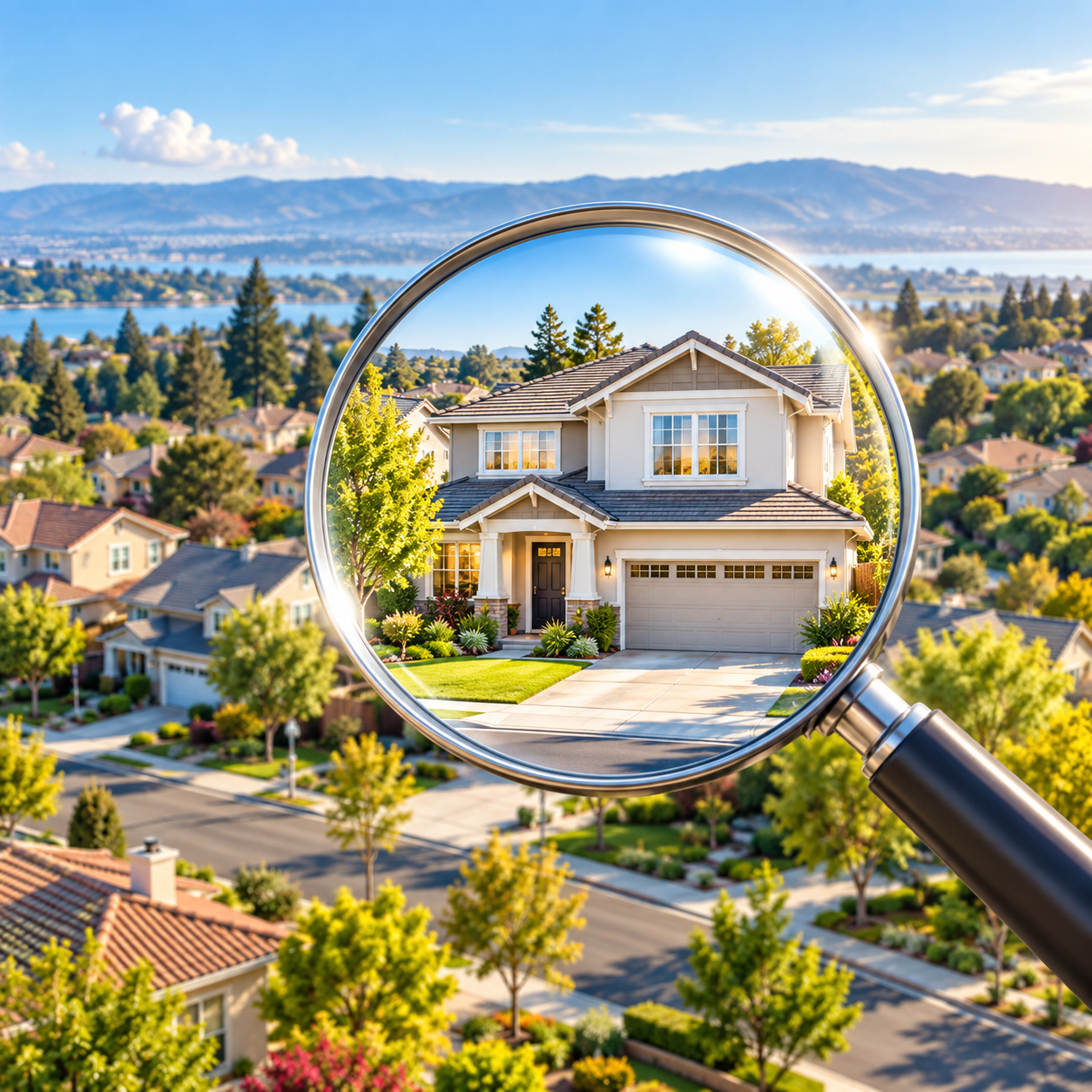
Local News & Advice
Read helpful resources and articles related to the area.
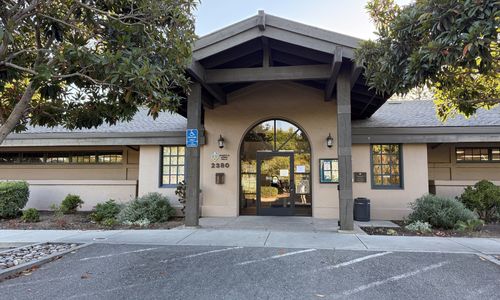
Hearts & Minds Activity Center in San Jose: Dementia Day …
Written By Seb Frey, Broker Associate at Compass, Certified Senior Advisor (CSA) and Seniors Real Estate Specialist (SRES),…
Willow Glen: Why It's My Favorite Neighborhood In San Jose
TakeawaysWillow Glen is a historic district of San Jose in ZIP code 95125 (with parts of 95126), roughly…
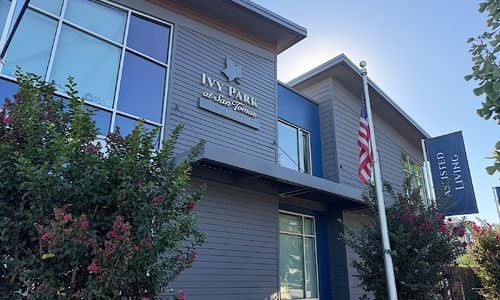
Ivy Park at San Tomas in San Jose: Assisted Living …
Written By Seb Frey, Broker Associate at Compass, Certified Senior Advisor (CSA) and Seniors Real Estate Specialist (SRES),…
At Home in Japantown
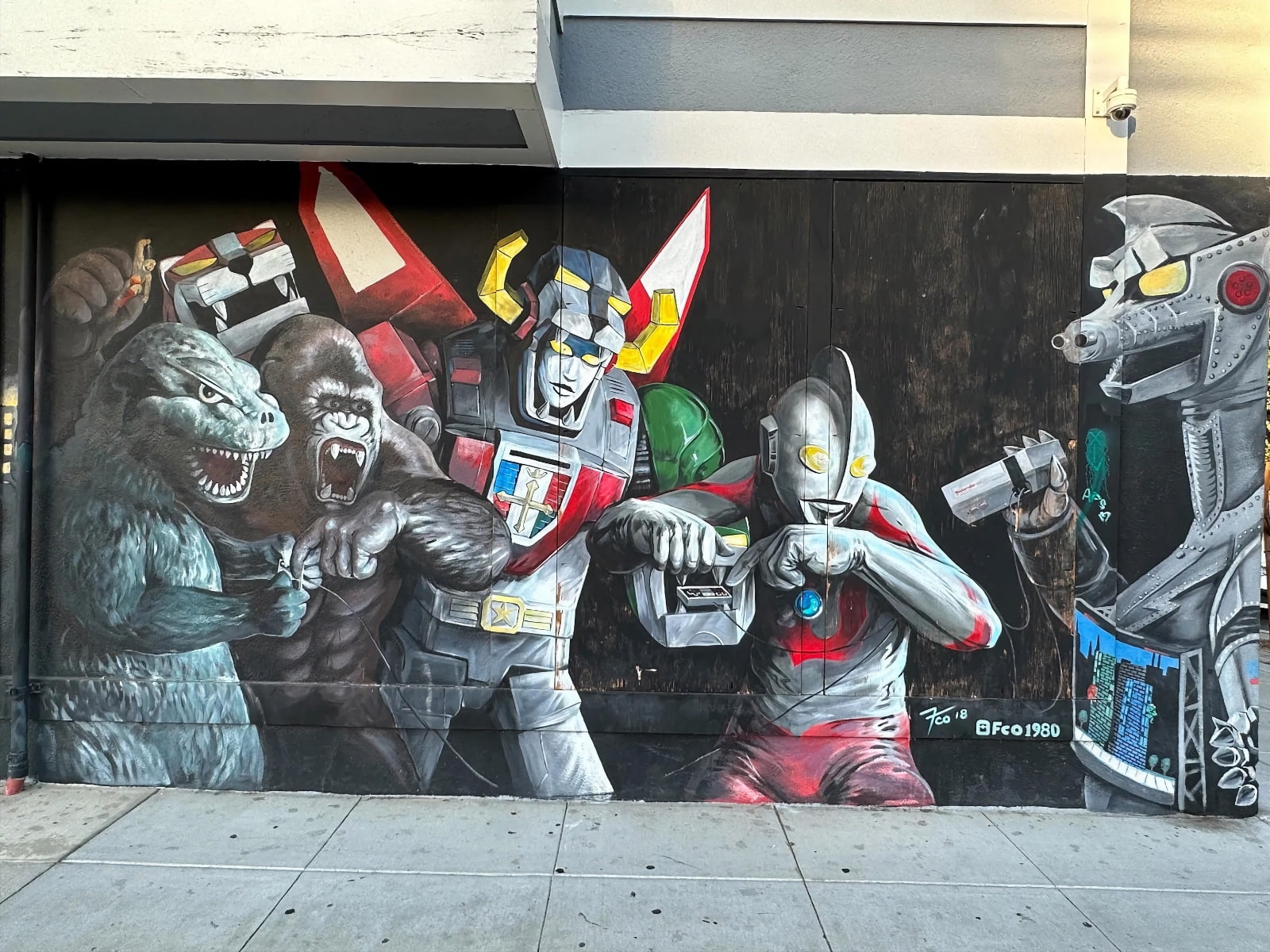
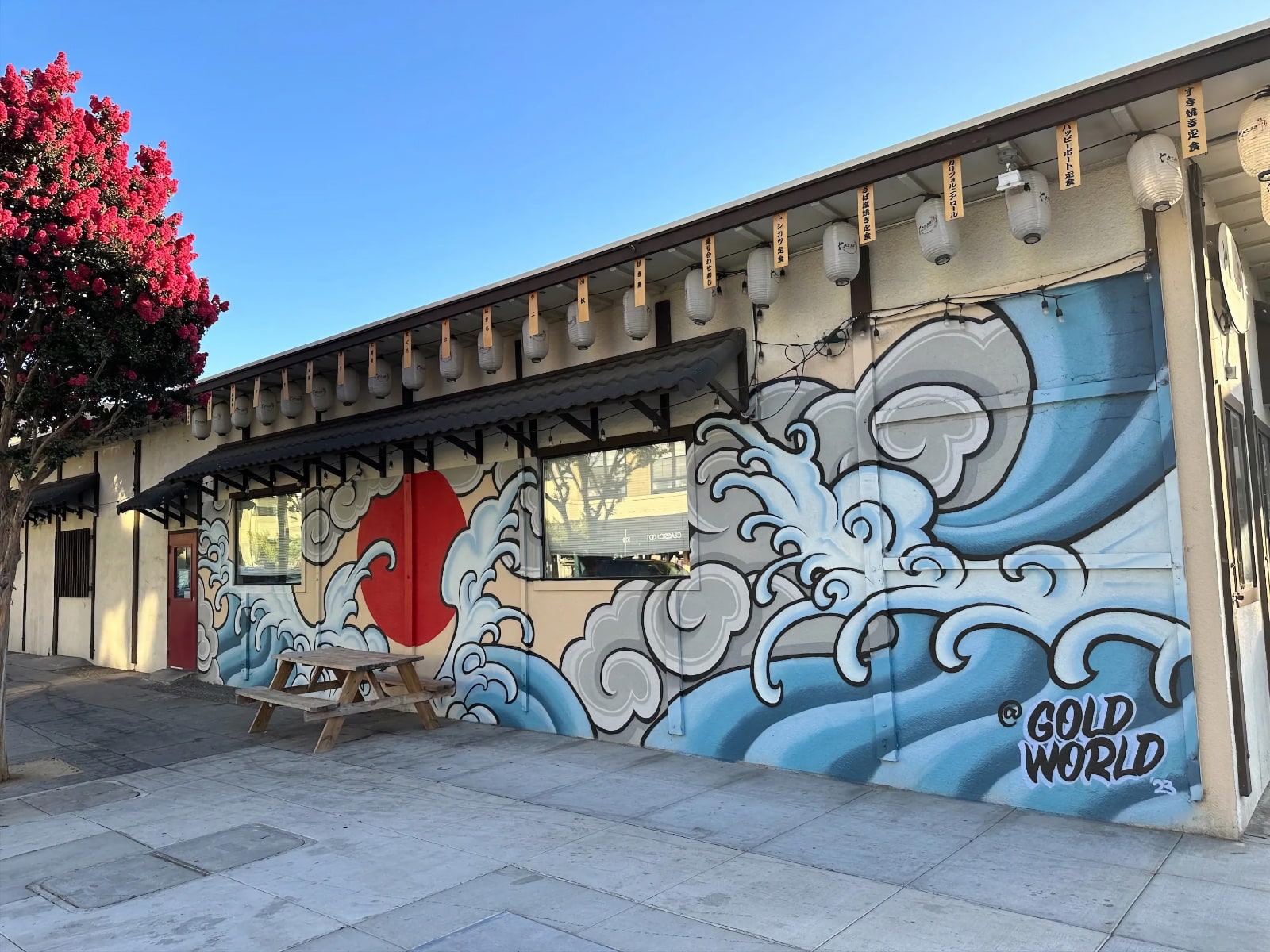
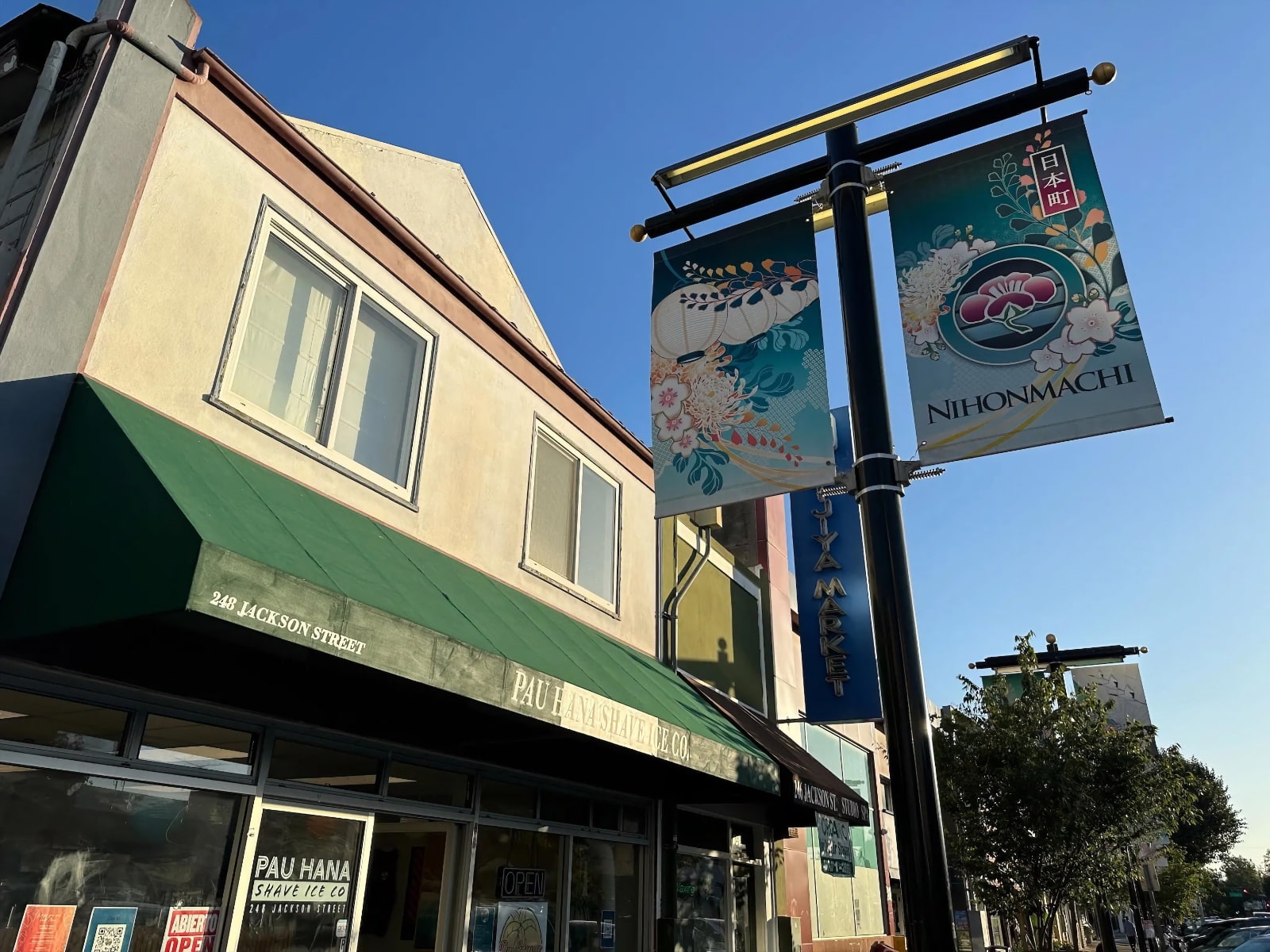
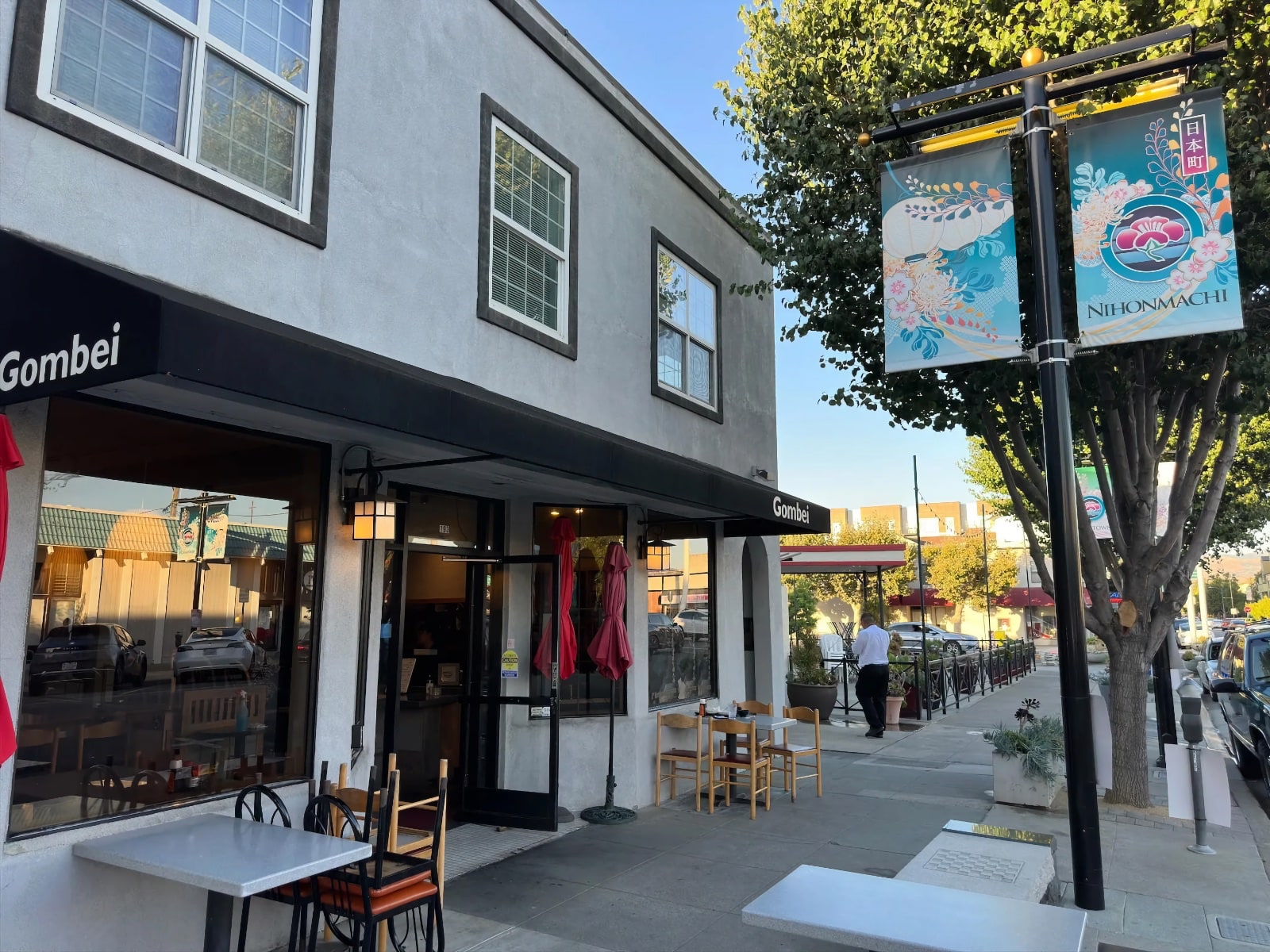
San Jose’s Japantown is one of only three historic Japantowns left in the United States, alongside San Francisco and Los Angeles. That is not marketing language, it is simply the fact, and it is the single most important thing to understand about this neighborhood just north of downtown. In 2025 the state formally recognized it as a California cultural district.
The community here dates to the late nineteenth century and survived what destroyed most others. During the Second World War, residents were forcibly removed to internment camps, and a great many lost their homes and businesses permanently. The neighborhood rebuilt afterward, which is why it still exists when so many others do not. The San Jose Buddhist Church Betsuin, completed in 1937, remains a centre of the community.
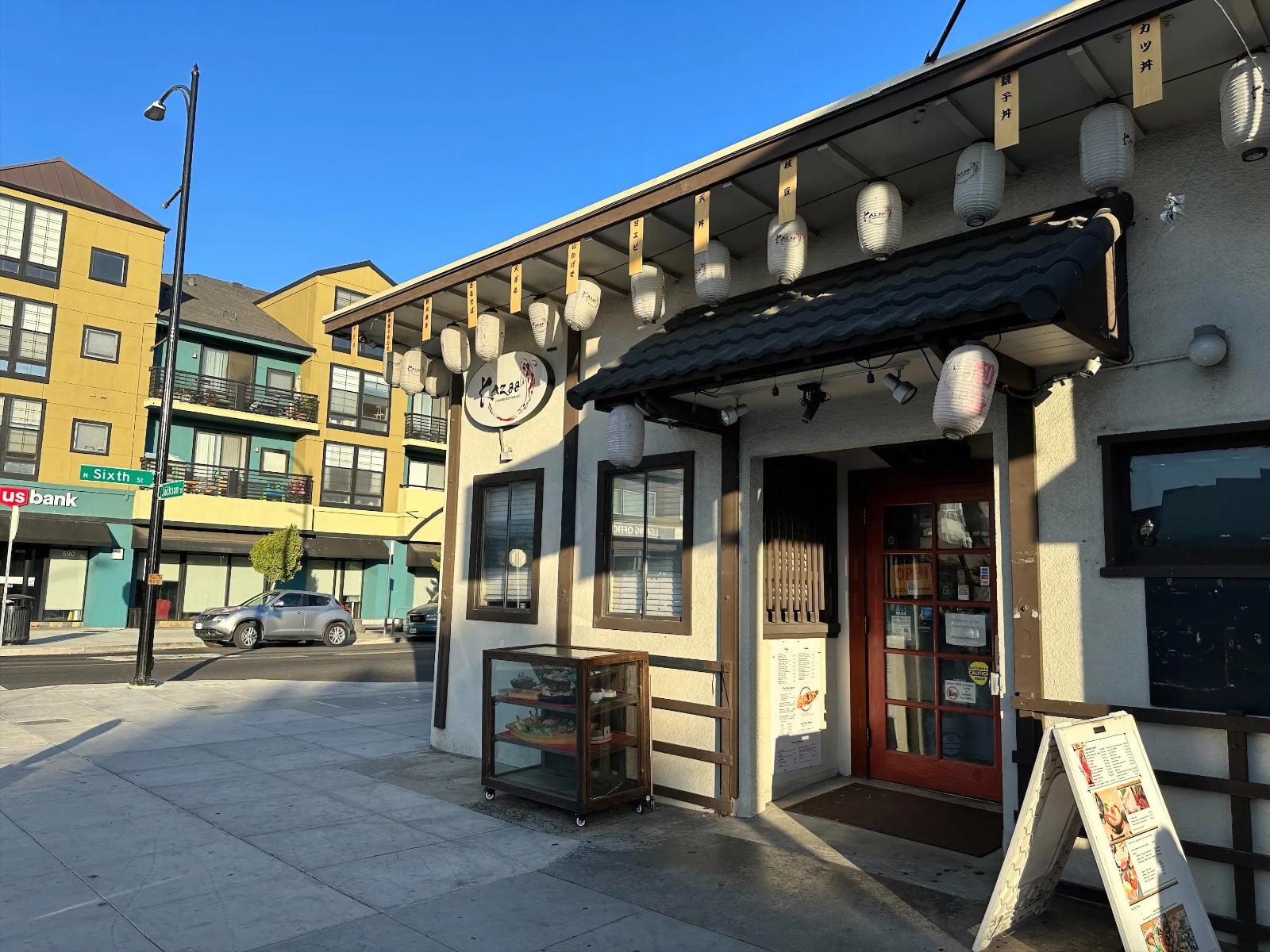
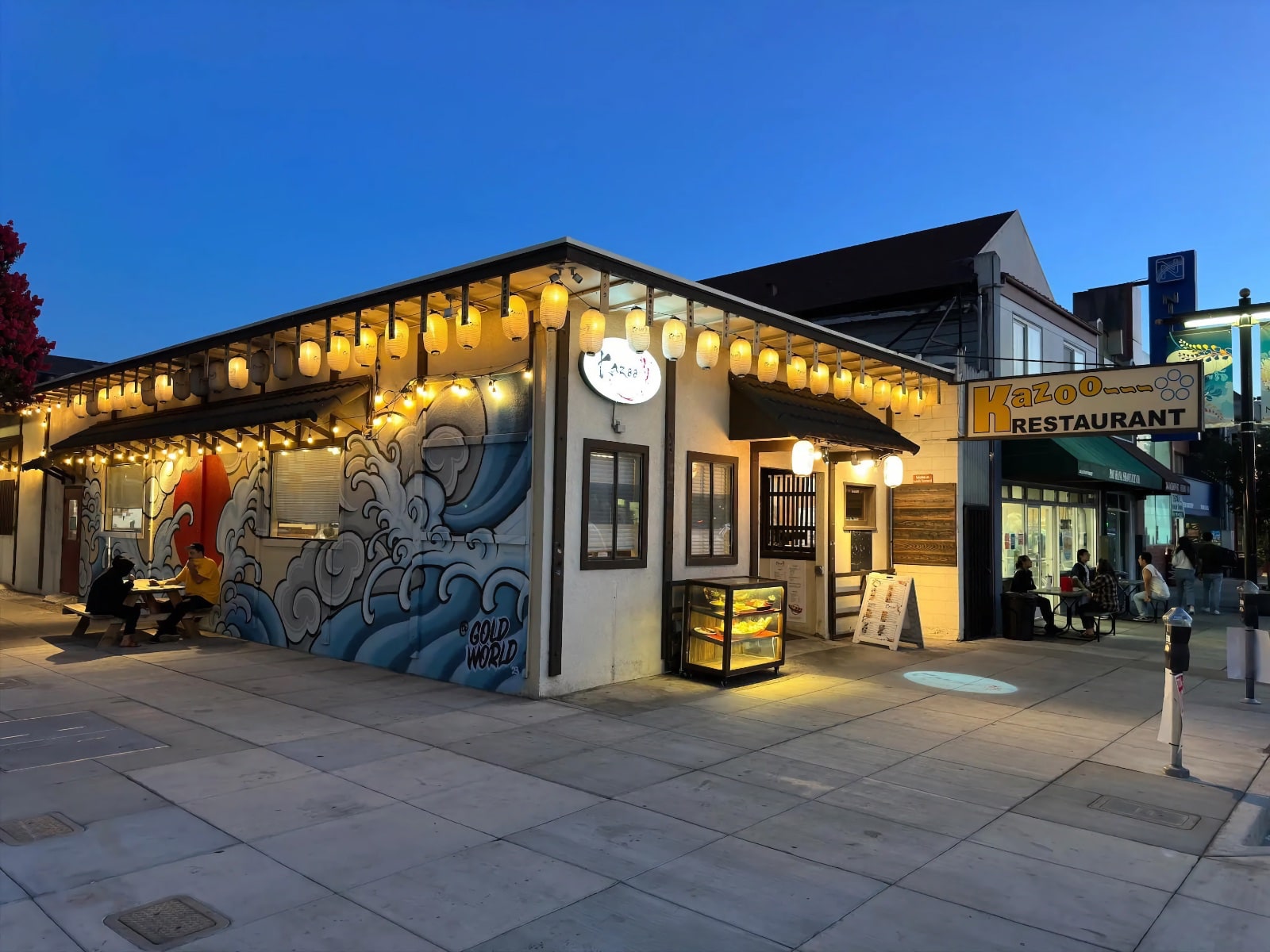
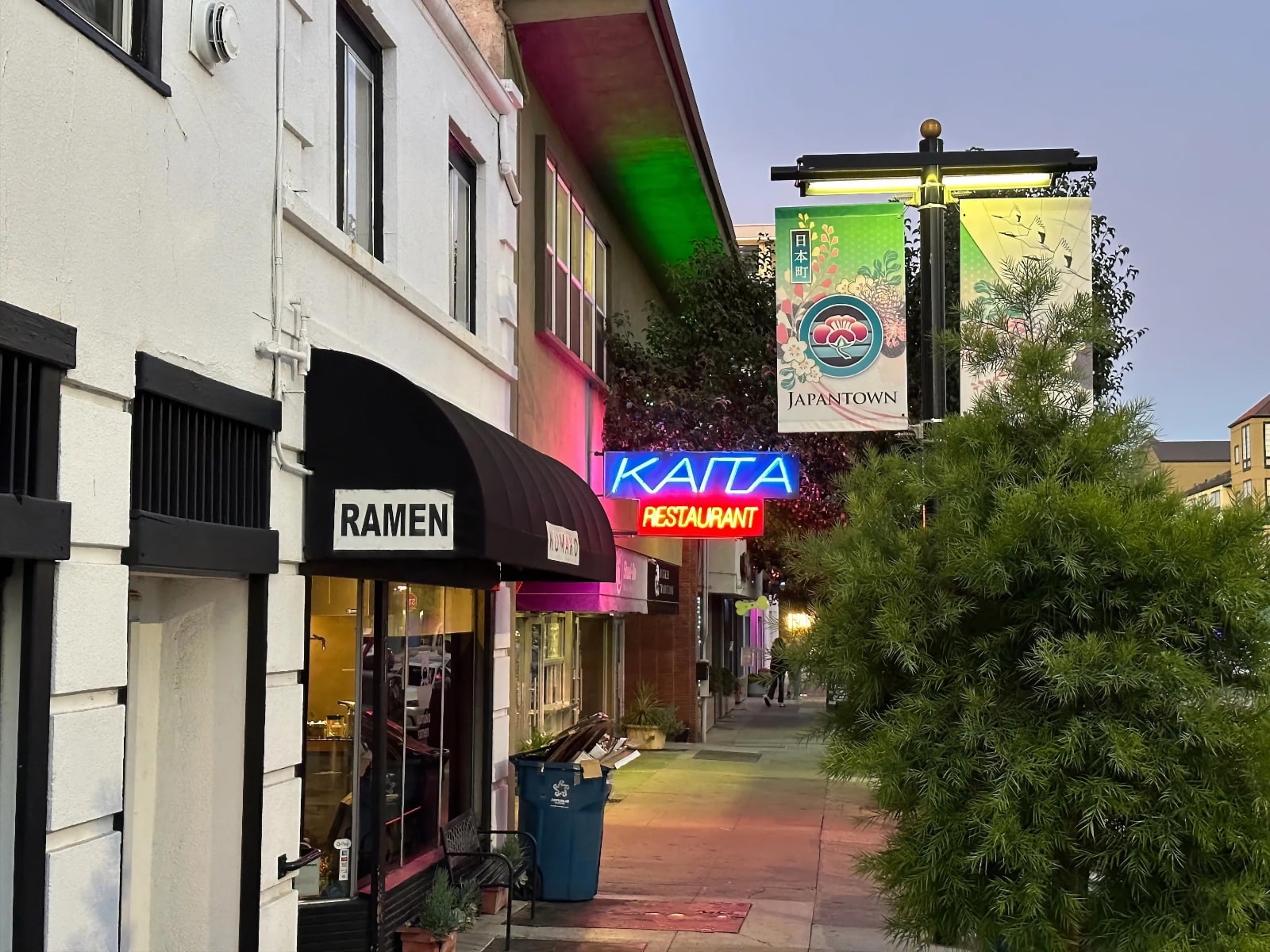
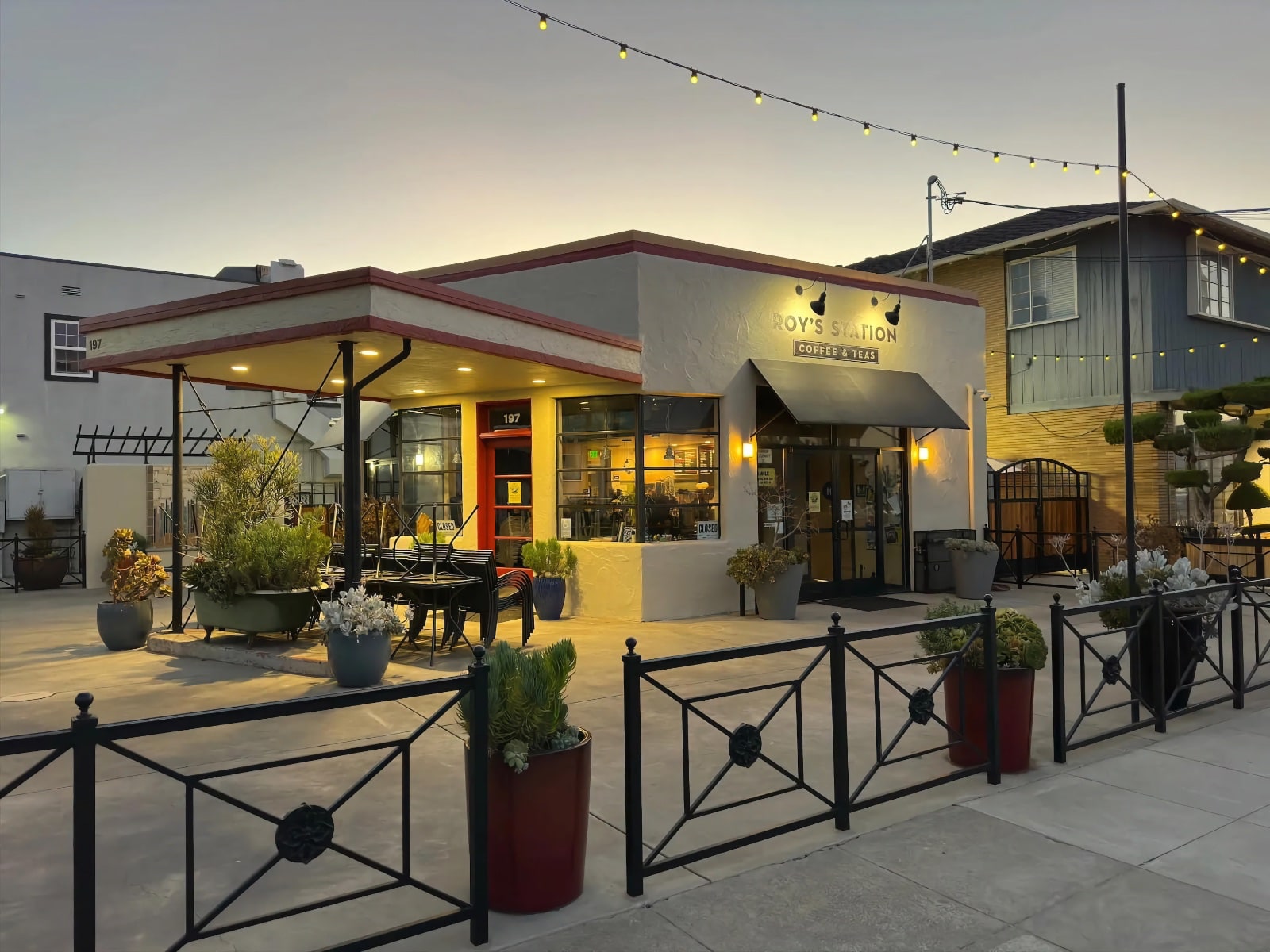
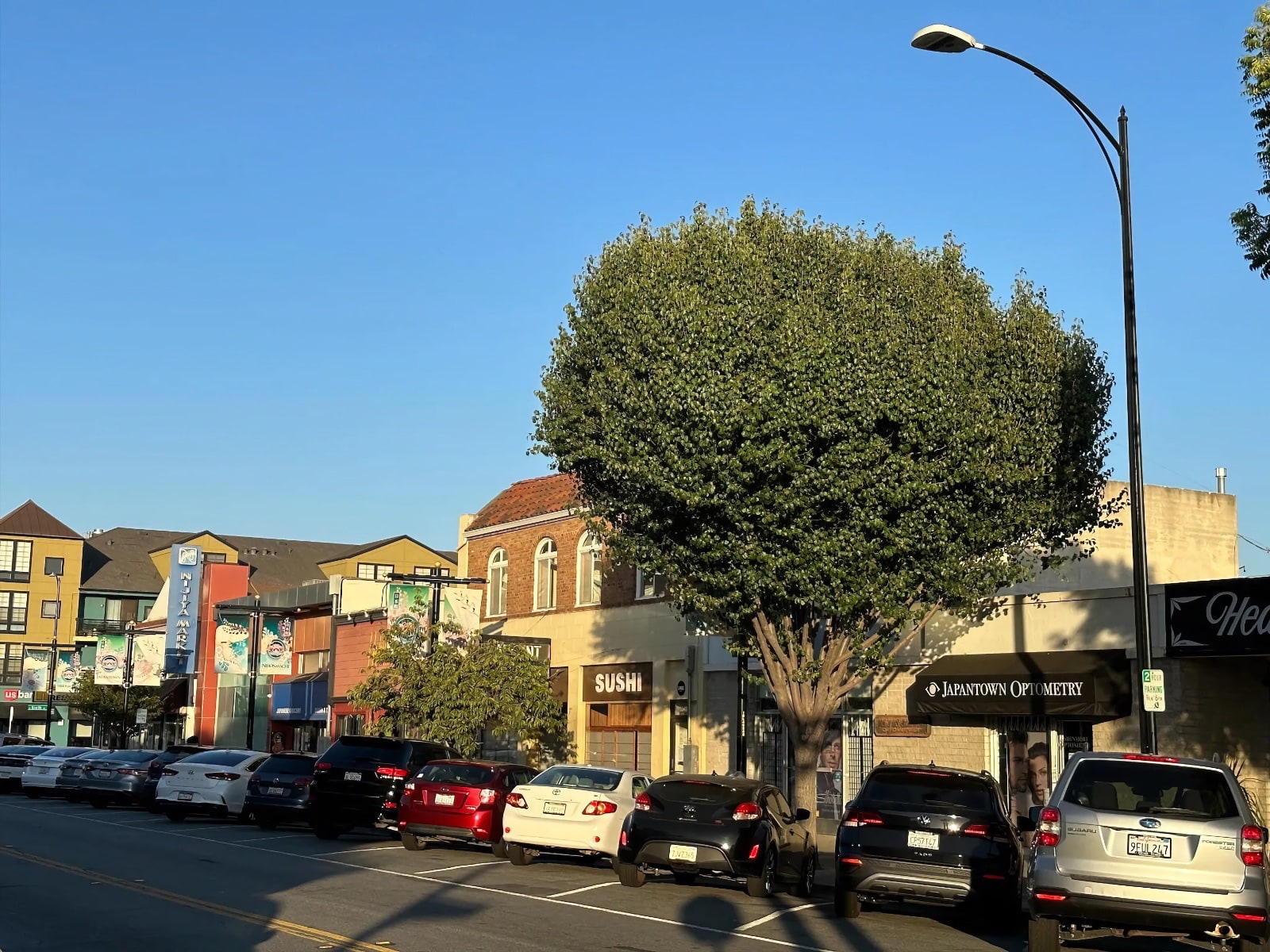
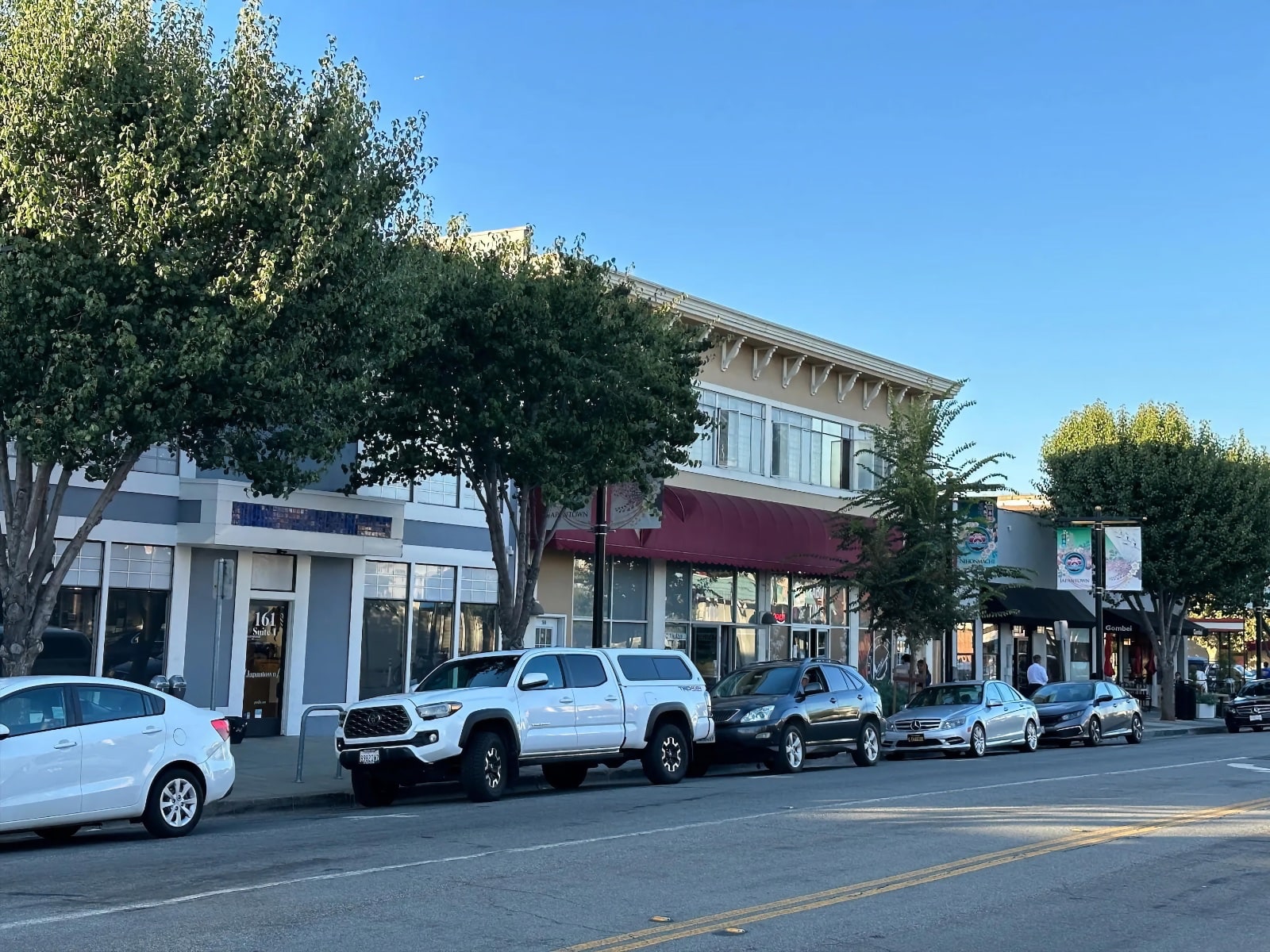
Today Japantown runs along North Fifth and Jackson Streets, a compact district of family owned restaurants, shops, groceries and cultural institutions, much of it operated by families who have been here for generations. It is walkable, it is flat, and it has a density of genuinely useful everyday businesses that most San Jose neighborhoods lack.
The residential housing around the commercial core is a mix of older homes, some dating to the Victorian era given the proximity to the Hensley historic district immediately south, along with newer infill and attached housing built as downtown has densified. That mix means there are both walkable older houses and lower maintenance options within a few blocks.
For my clients this neighborhood makes a specific kind of sense. If you want to be able to walk to a grocery store, a restaurant and a community that knows you, on flat ground, close to downtown and to transit, there are very few places in San Jose that deliver it and this is one. It is also a neighborhood where cultural continuity matters to people, and for families with roots here that weighs more than square footage.
Schools run through San Jose Unified School District, with assignment depending on the parcel, so I verify rather than assume. The main branch of the San Jose Public Library is downtown, the city runs older adult programming through neighborhood community centers under the Active Adults 50 and Over program, and Santa Clara Valley Medical Center is a short drive.
Transit is strong. San Jose Diridon Station with Caltrain, Amtrak and VTA light rail is minutes away, light rail runs through downtown, and Highways 87 and 101 are close. The airport is immediately north, which is convenient for visiting family.
On price, San Jose ran a citywide median sale of about $1.4 million through the summer of 2026, down roughly three and a half percent year over year, with a median of about 21 days to contract. Housing in and around Japantown varies widely by type and age, so the citywide figure is only a starting point and I would price from genuinely comparable nearby sales. My San Jose home prices page tracks the trend and the full San Jose area guide covers the rest of the city.
Families with long roots in this neighborhood often face decisions that go beyond a straightforward sale, involving multiple generations, inherited property and questions about keeping a house in the family. Proposition 19 changed the rules around passing property to children significantly, and the planning deserves real attention. Working through that with older adults and their families is my full time practice. Book a call with me for an honest conversation, or read about my selling process.

