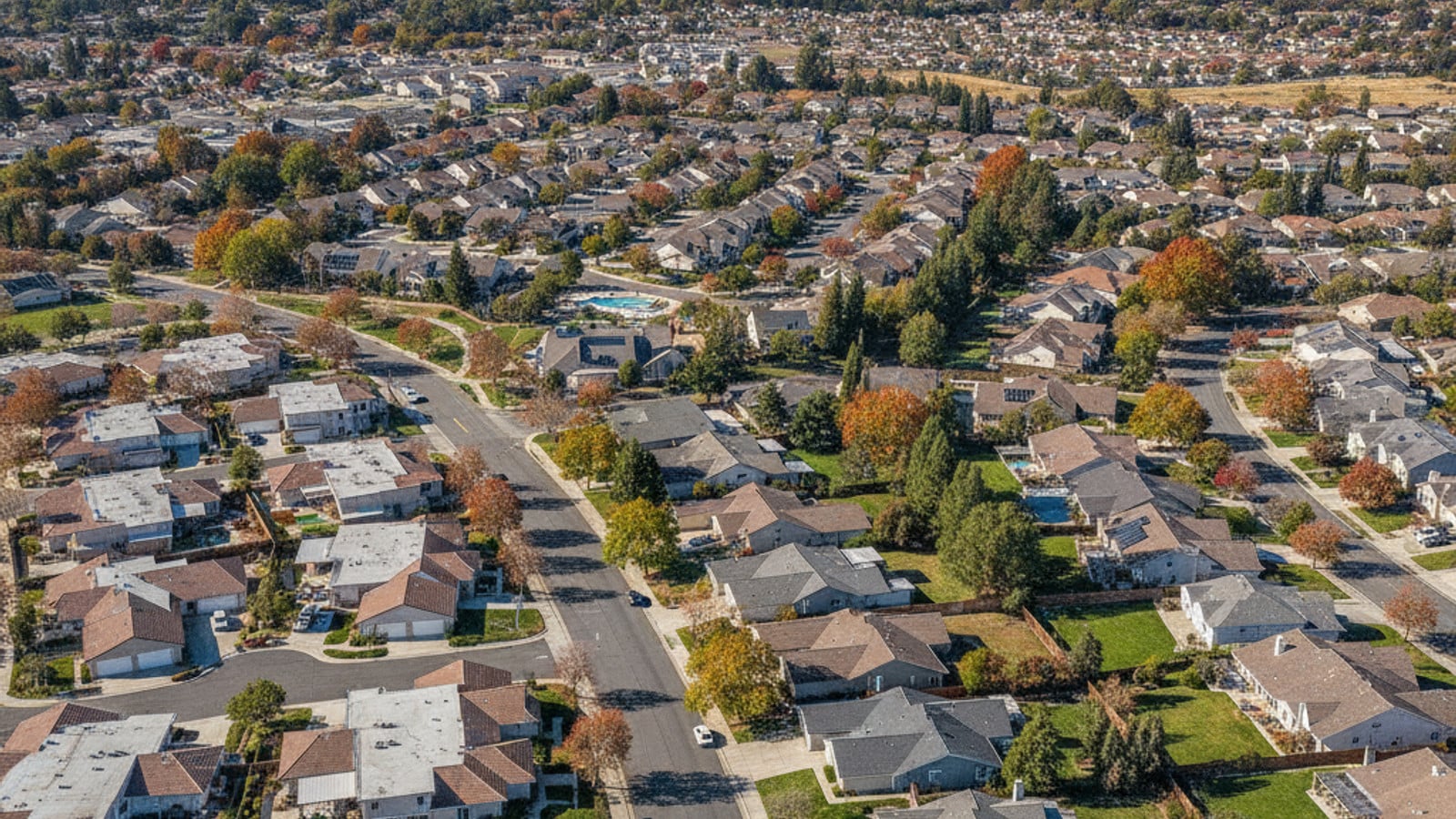
Buyers exploring the San Francisco Bay Area often ask about age-restricted housing options. The median home price across the broader region remains high, making specialized developments an attractive alternative for older adults looking to downsize.
Understanding what is a 55+ community Silicon Valley, CA, requires looking at both state laws and local homeowner association rules. These neighborhoods offer specific amenities and maintenance services, but they also come with unique ownership requirements.
The Rules for Age-Restricted Housing in California
The Housing for Older Persons Act (HOPA) sets the federal baseline for age-restricted real estate. Under this law, a development qualifies if at least 80% of its occupied units house at least one person who is 55 years of age or older.
California Civil Code adds another layer of rules regarding who else can live in the home. A qualified permanent resident, such as a spouse or a caregiver, can usually reside in the property if they are at least 45 years old.
Buyers should note that these neighborhoods are designed for an active lifestyle and independent living. They do not provide medical care, nursing staff, or assisted living services on-site.
Housing Styles and 2026 Prices
Available homes in these developments range from low-maintenance condominiums to detached single-family homes. Builders typically focus on features that support aging in place, such as single-story layouts, wider hallways, and minimal yard upkeep.
Prices for this housing segment vary widely depending on the square footage and the specific city. Smaller condos currently start in the low $500,000s, while larger single-family homes can reach up to $1.5 million.
Shoppers should review the current inventory in cities like San Jose, CA, and Cupertino, CA, where active adult communities are well-established. Properties in these specific price brackets tend to sell quickly due to limited supply.
Monthly Dues and Shared Amenities
Homeowners in these developments pay monthly homeowner association (HOA) dues to fund common areas and exterior maintenance. In 2026, monthly fees at established locations like The Villages Golf and Country Club in San Jose, CA, range from $800 to over $1,400.
The exact cost depends on the size of the property and whether it is a condo or a detached house. These dues generally cover structural insurance, roof replacement, landscaping, and basic utilities like water and trash collection.
Residents also gain access to extensive recreation facilities designed to support an active adult community environment. A typical amenity package includes:
Swimming pools and hot tubs
Fitness centers with specialized equipment
Tennis courts, pickleball courts, and bocce courts
A central clubhouse or restaurant for social events
Prospective owners should review the HOA budget to understand exactly what is covered before submitting an offer. Well-funded reserves ensure these shared spaces remain in good condition without requiring unexpected special assessments.
Nearby Healthcare and Transit Options
Most of these age-restricted developments are located within a short drive of major medical centers. Residents have convenient access to specialized care at facilities like Stanford Health Care and El Camino Hospital.
Public transportation networks provide additional mobility for residents who prefer not to drive. The Santa Clara Valley Transportation Authority (VTA) operates bus and light rail routes throughout San Jose, CA, and surrounding towns.
For longer trips across the San Francisco Bay Area, Caltrain offers a direct route up the peninsula. Strong highway connectivity via Interstate 280 and Highway 101 also makes it easy to visit family or attend regional events.
Frequently Asked Questions
What is the 80/20 rule in a 55 plus community?
This federal requirement mandates that 80% of the homes must have at least one occupant who is 55 or older. The remaining 20% of units can potentially house younger residents, though individual homeowner associations in Santa Clara County often set their own age minimums for that remaining portion.
How much does it cost to live in a 55+ community in California?
Buyers can expect to pay anywhere from $500,000 for a small condo to over $1.5 million for a premium single-family home. You also need to budget for monthly HOA fees, which regularly exceed $1,000 in the Bay Area to cover resort-style amenities and exterior upkeep.
What is the downside of 55+ communities?
The most common drawbacks are the high monthly dues and the restrictions placed on younger visitors. For example, grandchildren are welcome to visit, but association rules usually limit their stay to a maximum of 30 to 60 days per year.
Check out this article next