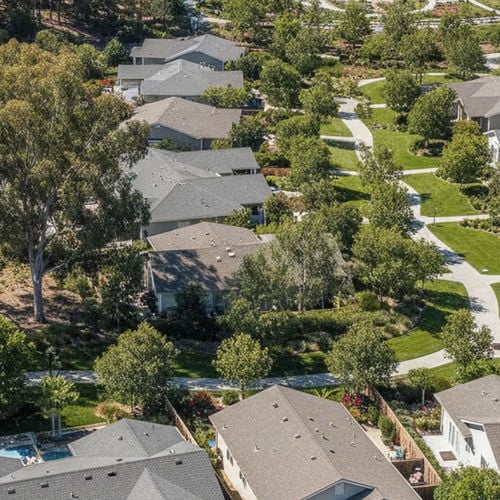
Buying a Home in a 55+ Community in Silicon Valley, CA: A Guide for 2026
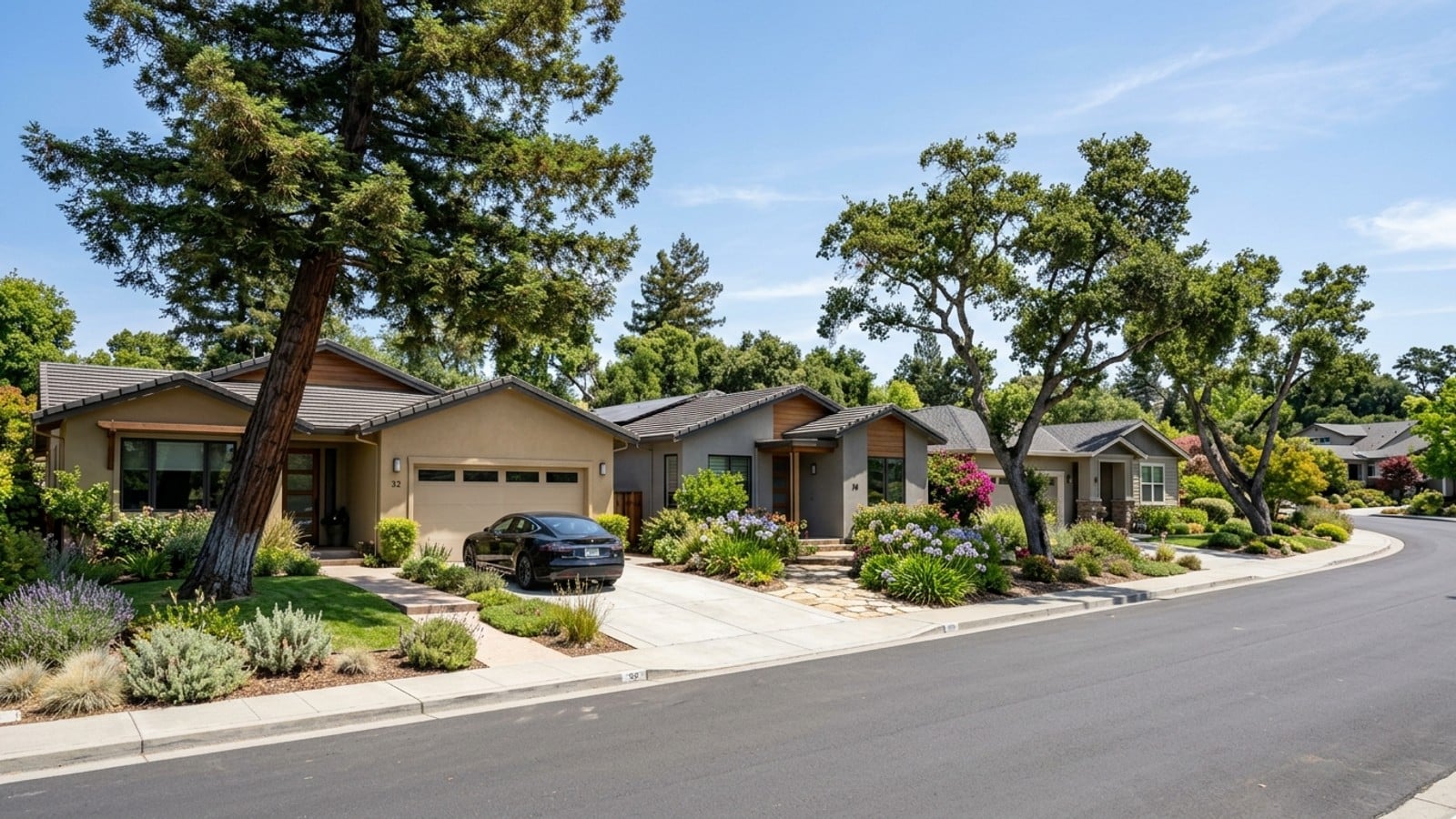
Santa Clara County's median single-family home price sits around $1,990,000. That number sets the tone for everything that follows - what you can buy, where you'll look, and how quickly you'll need to move when something right comes along. If you're thinking about downsizing and staying in the region, the 55+ community real estate market doesn't slow down to accommodate the search.
Most buyers at this stage want the same things: a single-story layout, low-maintenance exterior, and reasonable proximity to healthcare. The inventory exists - across Santa Clara and San Mateo counties you'll find designated age-restricted communities as well as condominium developments that work well for aging in place - but you have to know where to look and be ready when something comes up.
What to Know Before You Start Looking
Homes in Santa Clara County sell in roughly 16 days. About 60% of properties sell above asking price. Those two facts alone tell you that showing up without your financing in order is a waste of everyone's time, including yours.
The other thing to sort out early is the difference between designated age-restricted developments and general low-maintenance properties. Both can work, but they're different searches with different rules, different HOA structures, and different timelines. Knowing which direction you're headed helps narrow the ZIP codes considerably.
If you're coordinating the sale of a current home at the same time, that timing piece is worth talking through with your agent before you start touring. It's a common situation here, and getting it sequenced right matters.
Silicon Valley Real Estate Market Snapshot
Santa Clara County has about 2,203 active listings right now, which works out to a 1.9-month supply. That's a seller's market by any measure, and properties with the features older buyers actually want - zero-step entries, ground-floor primary suites, single-level floor plans - move especially fast because they appeal to a wide range of buyers, not just the 55+ crowd.
The county's median sale price across all property types is approximately $1,655,500, though homes within specific 55+ developments or luxury retirement enclaves vary considerably from that figure. Recent sales data shows only 1,157 homes sold in the county in a comparable period, which means the pool of options is genuinely limited. Move-in ready properties that need no accessibility modifications tend to draw multiple offers. The buyers who win are the ones who've already done the homework - comparable sales reviewed, financing confirmed, agent tracking new listings daily.
Could you use a Helping Hand?

Housing Types and Price Ranges for Aging in Place
You'll find a mix of single-family homes, townhouses, and condominiums suited for this stage of life. Named 55+ communities include The Villages Golf & Country Club in San Jose's Evergreen foothills and Cape Cod Village, a 55+ manufactured-home community in Sunnyvale. There are also condo communities in Los Gatos and Menlo Park worth a look.
Pricing depends on location and amenities. Saratoga's typical home values run from roughly $3.45 to $3.6 million in 2026, which reflects the luxury end of the market. Other areas offer more modest condominium options at a very different price point.
Traditional single-story homes outside age-restricted communities give you independence without HOA-managed programming. These are common in older neighborhoods across Sunnyvale and Cupertino. Budget for potential modifications - widening doorways, updating the primary bathroom - because most of these homes weren't built with aging in place in mind.
Designated 55+ communities like The Villages Golf & Country Club offer gated security and extensive recreational facilities. At least one resident has to meet the age minimum. Before you fall in love with a unit, pull the HOA documents and read them. Monthly dues vary, what's covered varies, and you want to know what you're signing up for.
Low-maintenance condominiums in Menlo Park and Los Gatos offer something specific: a lock-and-leave lifestyle where the association handles roof repairs, landscaping, and exterior painting. If you split time between locations or plan to travel, this structure is worth the trade-offs.
Neighborhoods and Care Access
The Forum at Rancho San Antonio in Cupertino was recognized as the area's top retirement community by Mercury News readers in recent years (2023-2025). For buyers who want proximity to specialized medical care, neighborhoods near Stanford University are worth considering on that basis alone.
At the higher end of the spectrum, Vi at Palo Alto is a Type A Continuing Care Retirement Community near Stanford, combining high-end amenities with long-term care services. The Saratoga Retirement Community offers apartment and cottage homes with pricing running from $5,000 to $7,000 per month - that's the comprehensive care and housing package, not just a unit. These continuing care options let residents move from independent living into assisted care without relocating.
For everyone else, the practical question is: how far is this house from your doctors? Map it before you make an offer.
Find your Place

Location, Counties, and Getting Around
Silicon Valley spans Santa Clara and San Mateo counties, running south from San Francisco along US-101 and I-280. Where you buy within that geography shapes your daily life in concrete ways.
Palo Alto covers ZIP codes 94301, 94303, and 94306. Mountain View includes 94040, 94041, and 94043. Further south, Cupertino (95014), Los Gatos (95030), and Saratoga (95070) each have a distinct feel and their own housing mix. Menlo Park and Palo Alto put you closer to San Francisco; San Jose is further south and closer to Norman Y. Mineta San Jose International Airport (SJC). San Francisco International Airport (SFO) is accessible from either county via the major freeways.
Cost of Living and Lifestyle
This region is expensive, full stop. In 2024, the median household income for the area was around $149,600, and a household needed approximately $125,280 annually just to cover a standard two-bedroom apartment. If you're on a fixed income, running those numbers with a financial advisor before you start shopping isn't optional - it's the first step.
Property taxes, HOA dues, and general living costs add up quickly here. What the region does offer in return: a Mediterranean climate with dry, warm summers and mild, wet winters, which reduces seasonal maintenance demands considerably. Residents also have access to cultural landmarks including Stanford University's Hoover Tower, the Winchester Mystery House in San Jose, and the Peralta Adobe, among others.
The Premiere Real Estate Network for Older Adults

Choosing a Real Estate Agent for Downsizing
The average real estate commission in California runs about 5.47% total, split between both sides. Some full-service agents charge up to 6%. Commissions are negotiable, and you should ask any agent you interview to walk you through their fee structure at the start.
For this kind of purchase, experience with 55+ communities specifically matters. Agents who work these neighborhoods know which developments have upcoming vacancies, understand the local HOA structures, and can read a reserve study before you write an offer. A Seniors Real Estate Specialist (SRES) designation is worth looking for - it indicates training in downsizing, retirement financing, and the tax and estate issues that come with this move.
Interview more than one agent. Find someone who communicates clearly and knows the Santa Clara and San Mateo county 55+ inventory without having to look it up.
The Home-Buying Process in California
California real estate involves extensive documentation - natural hazard disclosures, preliminary title reports, inspection periods, and escrow procedures. The timeline is specific, and understanding it prevents delays at closing.
With homes averaging just 16 days on the market in Santa Clara County, you need financing organized before you tour anything. Cash buyers should have proof of funds ready. If you're financing, have your pre-approval letter in hand.
On financing: Lenders here evaluate retirement income, pensions, and asset depletion when qualifying buyers. If you're using proceeds from the sale of a previous home, coordinate the timing with your lender and escrow officer early. Confirm how your specific income streams affect your debt-to-income ratio before you're in the middle of a transaction.
On inspections: Hire a licensed inspector and pay close attention to the details that matter for aging in place - hallway widths, walkway conditions, primary bathroom layout. Identifying necessary modifications during the inspection period gives you the opportunity to request repairs or credits rather than absorbing those costs after closing.
On closing costs: Expect escrow fees, title insurance, and property tax prorations. The exact amounts depend on purchase price and loan type. Review the estimated settlement statement carefully before you sign anything.
Timing is Everything in Life
Frequently Asked Questions
Can my younger spouse or adult children live with me in a Silicon Valley 55+ community?
A younger spouse generally can. The federal Fair Housing Act's exemption requires at least 80% of occupied units to have one resident who is 55 or older, and California Civil Code Section 51.3 protects spouses and cohabitants of the qualifying senior as "qualified permanent residents." Adult children are less protected. Read the HOA documents at any community you're considering - including places like The Villages Golf & Country Club - to see their exact age requirements for additional household members.
Are there communities in Silicon Valley where you own the land, or are they all space-rent setups?
Both structures exist here, and the difference is worth thousands a month. At developments like The Villages Golf & Country Club in San Jose, you hold traditional fee-simple ownership of both the home and the land, as you do in the condo communities in Los Gatos and Menlo Park. Manufactured-home communities like Cape Cod Village in Sunnyvale work differently: you own the home itself but pay monthly space rent for the land underneath it, currently running roughly $1,600 to $2,100 per month there. Confirm which structure applies before you compare prices, because a lower sticker price in a space-rent park is not the bargain it first appears.
How does Proposition 19 work when I'm downsizing to a 55+ home in Santa Clara County?
Proposition 19 is a California law that allows eligible homeowners aged 55 and older to transfer their property tax base to a new home. If you're looking at properties in Santa Clara County or San Mateo County, consult a tax professional about your specific situation. You'll need to complete the proper county assessor forms to apply for the transfer.
What happens if I leave my 55+ home to family members who don't meet the age requirement?
Family members can inherit the property, but they may not be able to live in it if they don't meet the minimum age rules. Associations in Silicon Valley 55+ developments typically enforce occupancy requirements. Heirs generally have the option to sell the home or - if the community permits it - rent it to an age-qualifying tenant.
Can I rent out my home in a senior development if I eventually move into assisted living?
It depends on the HOA's bylaws. Some 55+ communities cap the percentage of units that can be rented, or require tenants to meet the same age restrictions as owners. Review the rental policies for any community in Sunnyvale, Cupertino, or San Jose before you buy.
What are typical HOA fees in Bay Area 55+ communities, and what do they cover?
Fees vary widely. High-end continuing care facilities like the Saratoga Retirement Community charge $5,000 to $7,000 per month for comprehensive care and housing. In standard 55+ developments, monthly dues typically cover exterior maintenance, landscaping, and access to shared amenities like clubhouses or pools. Ask for a full breakdown before you sign anything.
Time to talk to a REALTOR?

Senior Friendly Homes in Silicon Valley South
2
3
4
5
6
7
8
9
10
11
12
13
14
15
16
17
18
19
20
21
22
23
24
25
Check out this article next