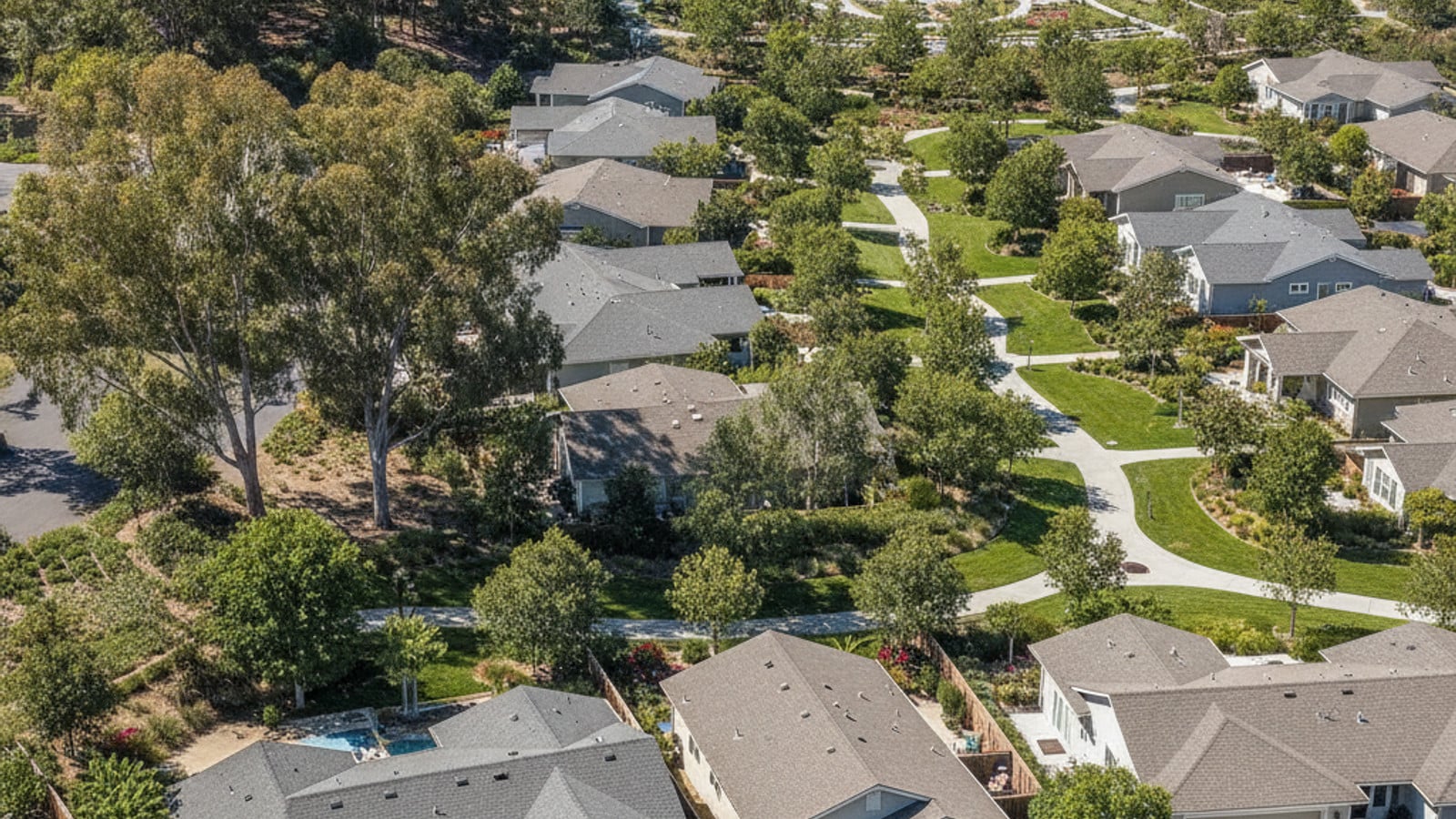
When exploring Age Restricted Housing Silicon Valley, CA, buyers will find dozens of retirement communities designed specifically for older adults. These neighborhoods differ from standard residential subdivisions because federal and state laws allow them to mandate the age of their residents.
Buyers generally choose between two types of developments: 55+ communities and 62+ communities. Because these properties qualify for specific legal exemptions, they do not have to follow standard fair housing rules regarding familial status.
California Laws Governing 55+ Developments
The Housing for Older Persons Act (HOPA) works alongside the federal Fair Housing Act to establish the baseline rules for senior housing. Under federal law, these properties are legally permitted to exclude families with children.
California enforces its own layer of regulations through the Unruh Civil Rights Act. This state law prohibits age discrimination in general housing but provides a specific exemption for senior citizen developments, with the details spelled out in Civil Code Section 51.3.
To preserve the exemption, these neighborhoods must publish their age policies clearly and enforce a routine age verification system - typically a resident survey updated at least every two years - to demonstrate their residents meet the requirements.
The core occupancy rules include:
- At least 80 percent of the occupied units must include one person 55 years of age or older.
- The remaining 20 percent of units can house younger residents, though most associations choose to enforce the 55+ rule across the entire community.
- In a 62+ community, all residents must be 62 or older, with only narrow exceptions such as live-in employees.
Occupancy Rules for Younger Spouses, Children, and Caregivers
A common scenario for buyers involves a younger spouse or partner moving into the home. California law allows for a "qualified permanent resident" to live with the primary senior occupant: a spouse or cohabitant of any age, a person providing primary physical or economic support, or, in many Santa Clara County developments, another secondary resident at least 45 years of age.
The rules regarding a grandchild or adult child depend on the specific homeowner association guidelines and familial status exemptions. Most 55+ communities restrict minors from living in the home permanently, but California law requires senior communities to permit temporary guest stays of at least 60 days per year - so grandchildren can visit for extended stretches even where they cannot live full-time.
Exceptions exist for specific medical and family situations. A live-in caregiver providing continuous health support to a senior citizen can reside in the home regardless of their age. Additionally, a disabled child of any age can generally live with an eligible occupant.
Could you use a Helping Hand?

Property Types and 2026 Market Prices
As of mid-2026, entry-level condominiums, studio apartments, and mobile homes in Santa Clara County senior communities typically range from $400,000 to $600,000. These lower-priced options are common in San Jose and the City of Santa Clara. Note that in manufactured-home communities, buyers own the home but usually pay monthly space rent for the land, which changes the total cost picture considerably.
Buyers looking for single-story detached homes will find a different price tier. Single-family homes in these neighborhoods often range from $800,000 to over $1,500,000 depending on the square footage and lot size.
Continuing Care Retirement Communities (CCRCs) offer an alternative model where residents pay an upfront entrance fee and transition through different levels of care. If a resident outlives their financial resources, many non-profit CCRCs have benevolent funds to ensure the individual is not evicted.
Monthly Homeowners Association Fees
Monthly HOA fees in Silicon Valley senior developments currently range from about $500 in smaller condo communities to over $1,400 at the largest full-amenity developments. The exact amount depends on the age of the community and the extent of the shared amenities.
These dues typically pay for exterior building maintenance, roof replacements, security gates, and landscaping. They also fund the upkeep of shared spaces like the community clubhouse and private roads.
Buyers should factor these monthly costs into their long-term budget. Rising insurance premiums across California and the cost of repairing aging infrastructure often cause HOA dues to increase over time.
Find your Place

Using California Proposition 19 for Property Taxes
California Proposition 19 allows eligible buyers aged 55 and older to transfer their existing property tax base to a new home. This tax portability benefits long-time homeowners who want to downsize without facing a massive property tax increase.
Transferring an assessed property tax base from a previous home can save buyers thousands of dollars annually when purchasing real estate in a new community. Eligible homeowners can use this transfer benefit up to three times during their lifetime.
To qualify for the base year value transfer, the replacement property must be purchased or newly built within two years before or after the sale of the original primary residence. The new home can be located anywhere within California.
On-Site Amenities and Local Healthcare Access
Most age-restricted neighborhoods center around a main clubhouse that serves as the social hub. Residents have access to private fitness centers, community pools, and organized recreational activities.
Proximity to medical care is a primary factor for buyers choosing a location in Santa Clara County. The region offers access to major networks like Stanford Health Care and Kaiser Permanente.
Living within a short drive of these medical centers provides peace of mind for residents managing ongoing health conditions. Many communities are built specifically along major transit routes to reduce the commute to these hospitals.
The Premiere Real Estate Network for Older Adults

If a move is part of the picture, my guide to downsizing in Silicon Valley for homeowners over 60 walks through Prop 19, timing the sale against the move, and where people actually go.
Frequently Asked Questions
What is the 80/20 rule in an age-restricted community?
Federal law requires that 80 percent of the homes in a 55+ development contain at least one person who meets the age threshold. The remaining 20 percent can technically house younger residents. However, most local homeowner associations write their bylaws to require 100 percent compliance to avoid risking their legal exemption.
What happens if I run out of money in a CCRC?
Many non-profit Continuing Care Retirement Communities maintain a reserve fund to assist residents who outlive their assets. You will need to prove that you spent your money on approved living and medical expenses, rather than giving it away. For-profit facilities may have different policies, so buyers should review the specific residency contract before committing.
Can underage people live in senior housing?
Minors cannot reside full-time in a standard 55+ or 62+ development. However, California Civil Code Section 51.3 requires senior communities to allow temporary residency by underage guests for at least 60 days per year, so extended grandchildren visits are protected by state law. A disabled adult child or a full-time medical caregiver may qualify for a permanent occupancy exemption depending on the association's specific rules.
Time to talk to a REALTOR?

Senior Friendly Homes in Silicon Valley South
2
3
4
5
6
7
8
9
10
11
12
13
14
15
16
17
18
19
20
21
22
23
24
25
Check out this article next