Updated October 2026
Selling a home in Silicon Valley can be an exciting but costly endeavor. Before you start dreaming about the profits you’ll make, it’s important to understand the various expenses involved in the selling process. By factoring in these costs ahead of time, you can have a clear estimate of your potential profit and avoid any financial surprises. In this article, we will explore the standard fees associated with selling a home in Silicon Valley and provide you with a comprehensive guide to understanding the expenses involved.
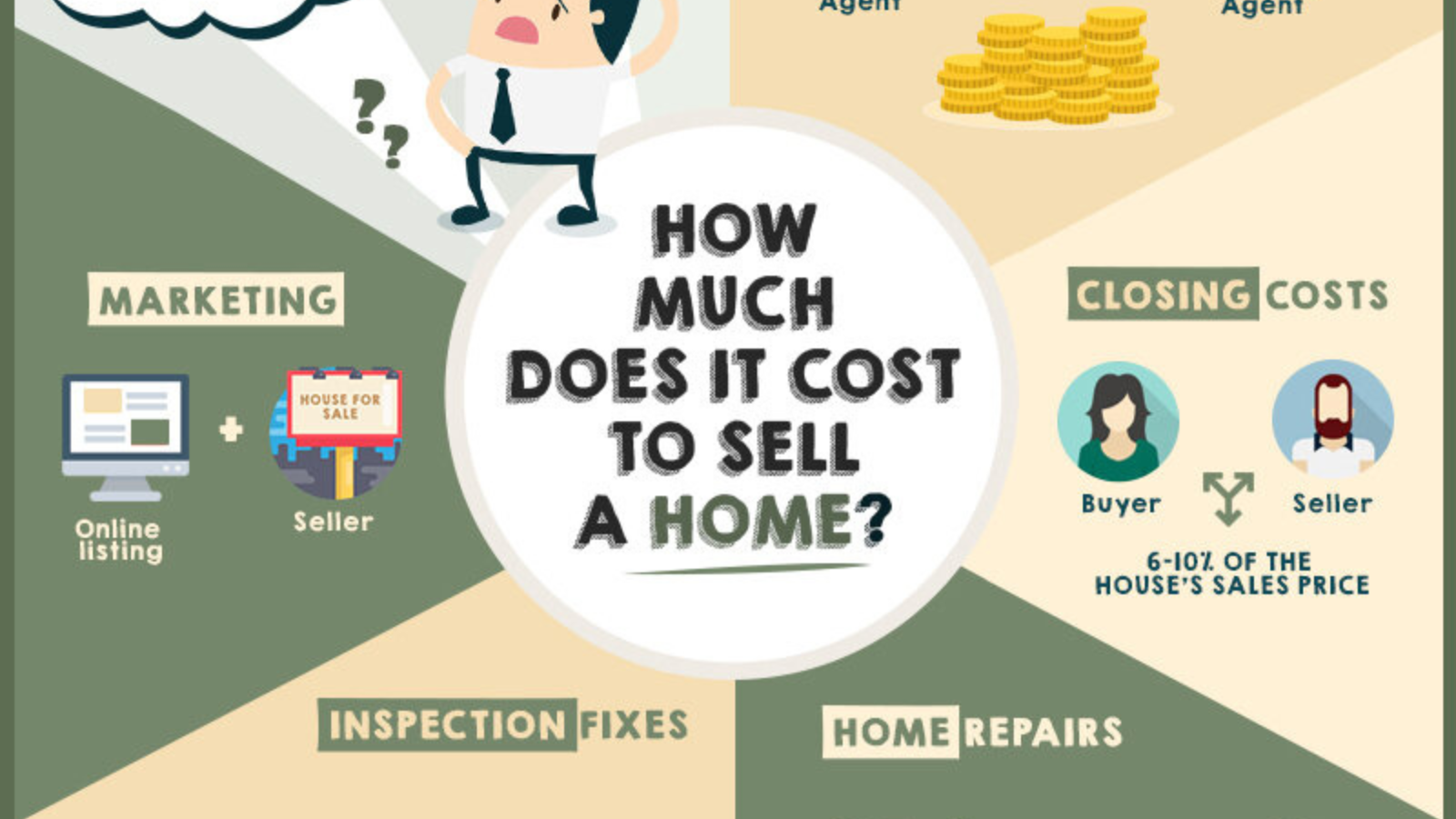
1. Realtor’s Commission
When selling your home in Silicon Valley, one of the most significant expenses you’ll encounter is the REALTOR’s commission. While this fee is negotiable and can vary depending on the market and property value, listing fees commonly run in the 2% to 3% range. Since the NAR settlement practice changes took effect in August 2024, the buyer’s agent is paid under the buyer’s own agreement, but many sellers still agree to contribute through the offer. Redfin’s closed-sale data put the average buyer’s agent commission at about 2.2% on homes over $1 million in 2025, so total commission often lands somewhere around 4% to 5.5%. I break it down in how much commission Bay Area REALTORS® charge.
While you may consider selling your home without an agent to save on commission fees, it’s essential to consider the responsibilities and expertise that a professional agent brings to the table. A skilled agent will have access to market information and a network of potential buyers, increasing the likelihood of a successful sale.
2. Closing Costs
Closing costs are another expense to consider when selling your home in Silicon Valley. These costs are typically shared between the buyer and the seller, depending on the agreements made during the negotiation process. Not counting commission, seller closing costs in Santa Clara County usually come to roughly 1% to 2% of the sale price, mostly transfer taxes, the owner’s title policy and escrow. Add commission and most sellers land somewhere around 6% to 8% all in, before any repairs or prep.
As a seller, you are generally responsible for covering the title transfer fees, notary fees, and escrow expenses. Additionally, outstanding balances for property taxes and mortgage fees may need to be settled. It’s also important to consider potential prorated shares of water and sewage bills. It’s important to note that closing costs are deducted from the profit of selling your home, rather than paid directly out of pocket.
Transfer Taxes in Santa Clara and Santa Cruz Counties
Transfer taxes are the line item that surprises sellers most, because they depend on which city the home is in. According to Chicago Title’s 2026 California Customary Practices Guide, in Santa Clara County the seller customarily pays the county transfer tax, the owner’s title policy and the escrow fee, and city transfer taxes are customarily split between buyer and seller. All of this is negotiable in the contract.
| Where | Transfer tax | Notes |
|---|---|---|
| Santa Clara County (all cities) | $1.10 per $1,000 | Customarily paid by the seller |
| San Jose | $3.30 per $1,000, plus Measure E on sales over $2.3 million | Measure E applies to the full price: 0.75% from $2,300,000.01 to $5 million, 1% from $5 million to $10 million, 1.5% over $10 million |
| Palo Alto | $3.30 per $1,000 | |
| Mountain View | $3.30 per $1,000 up to $6 million; $15 per $1,000 on the entire price above $6 million | Higher rate took effect December 20, 2024 |
| Other Santa Clara County cities (Los Gatos, Saratoga, Campbell, Cupertino, Sunnyvale, Santa Clara, Milpitas and others) | No city transfer tax | County tax only |
| Santa Cruz County | $1.10 per $1,000 | Seller pays; owner’s title policy and escrow are customarily split in Santa Cruz County |
| City of Santa Cruz | Graduated tax on the portion above $1.8 million (Measure C, effective July 1, 2026) | 0.5% to 2% by tier, capped at $200,000; customarily split |
Sources: Santa Clara County Clerk-Recorder on Measure E, City of Mountain View, and the Chicago Title 2026 customary practices guide. Double-check the current figures with your escrow officer before you sign, because thresholds and rates do change.
Accurate Home Price Data Is Just a Click Away!

Live MLS Data
What Are Homes Actually Selling For Right Now?
Median price, days on market, and how many homes are selling over asking, pulled straight from current MLS data for your neighborhood.
See the Live Sales Data →3. Home Repairs
To maximize your home’s market value and appeal to potential buyers in Silicon Valley, it’s crucial to present your property in the best possible condition. Home repairs and improvements may be necessary to ensure your home stands out in a competitive market. While these repairs can add to your selling expenses, they can also increase your chances of selling at a higher price.
Consider investing in repainting, addressing any functional issues in key areas such as the kitchen and bathrooms, and enhancing the overall curb appeal of your home. By making these improvements, you can make a positive impression on potential buyers and potentially increase your selling price.
4. Inspection Fixes
During the home buying process, the buyer’s inspector may identify major faults or issues with your property. If significant problems, such as sewage leaks or roof issues, are discovered, you will likely be responsible for covering the costs of these fixes. It’s essential to budget for potential inspection-related expenses to avoid any last-minute financial burdens.
By addressing these repair issues proactively, you can present a well-maintained home and instill confidence in potential buyers. While it may require upfront investment, it can ultimately lead to a smoother selling process and potentially higher offers.
5. Marketing
Marketing your home effectively is crucial in Silicon Valley’s competitive real estate market. Your agent may recommend a comprehensive marketing campaign that includes online listings, physical posters, and other promotional materials. While these marketing efforts can drive more visibility and interest in your property, they also come at a cost.
You will need to budget for professional photography, the creation of a floor plan, and potentially press advertising. These marketing expenses can help showcase your home’s best features and attract qualified buyers. Investing in high-quality marketing materials can be a worthwhile expense that increases your chances of selling quickly and at a desirable price.
Your Customized Improvement Plan

6. Staging and Home Preparation
In Silicon Valley, where homebuyers have high expectations, staging and preparing your home for showings can significantly impact its saleability. While staging is not a mandatory expense, it can help potential buyers visualize themselves living in the space and create an emotional connection.
Consider hiring a professional stager or investing in quality furniture and decor to highlight your home’s best features. Additionally, decluttering and organizing your space can make it appear larger and more appealing. While these expenses may seem like an additional cost, they can potentially lead to a quicker sale and higher offers.
7. Home Warranty
Offering a home warranty can provide buyers with peace of mind and increase their confidence in purchasing your property. While not mandatory, it’s something worth considering, especially in a competitive market like Silicon Valley.
A home warranty typically covers major systems and appliances in the home, providing buyers with protection against unexpected repairs or breakdowns. The cost of a home warranty can vary depending on the coverage and duration. By including a home warranty in your selling package, you can attract more buyers and potentially negotiate a higher selling price.
8. Capital Gains Tax
In Silicon Valley, where property values can appreciate significantly, it’s important to consider the potential capital gains tax implications when selling your home. Capital gains tax is a tax on the profit made from the sale of a property or investment. The tax rate can vary depending on your income and the length of time you owned the property.
It’s essential to consult with a tax professional or accountant to understand the specific capital gains tax regulations in your area and plan accordingly. By accounting for potential tax obligations, you can accurately estimate your net profit from selling your home.
Change Happens

9. Moving and Storage
Once your home is sold, you’ll likely need to budget for the costs of moving and storage. Whether you’re relocating within Silicon Valley or moving to a different area, expenses such as hiring professional movers, renting a moving truck, and temporary storage can add up.
To minimize costs, consider decluttering and downsizing before the move. Selling or donating unwanted items can help reduce the amount of belongings you need to transport, ultimately saving you money. Additionally, compare quotes from different moving companies to find the most cost-effective option.
10. Miscellaneous Expenses
In addition to the main expenses mentioned above, there may be other miscellaneous costs associated with selling your home in Silicon Valley. These can include home staging consultations, legal fees, and any necessary repairs or maintenance discovered during the selling process.
It’s important to budget for these additional expenses to avoid any financial surprises along the way. By being prepared and accounting for all potential costs, you can navigate the selling process smoothly and ensure a successful transaction.
Three Sample Seller Net Sheets
Here’s how commission and transfer taxes alone play out on three typical Silicon Valley sales. These are illustrations, not quotes. I’ve assumed total commission of 4.75% (a 2.5% listing fee plus 2.25% toward the buyer’s agent, in line with Redfin’s closed-sale data for $1 million-plus homes), and I’ve shown the full city transfer tax even though it’s customarily split with the buyer. Escrow, title, recording and HOA fees come on top, and your title officer can give you exact figures.
| $1,200,000 San Jose condo | $2,500,000 San Jose house | $3,000,000 Los Gatos house | |
|---|---|---|---|
| Commission at 4.75% | $57,000 | $118,750 | $142,500 |
| County transfer tax ($1.10 per $1,000) | $1,320 | $2,750 | $3,300 |
| San Jose base tax ($3.30 per $1,000) | $3,960 | $8,250 | None |
| San Jose Measure E (0.75% of full price over $2.3M) | None | $18,750 | None |
| Total before escrow, title and prep | $62,280 | $148,500 | $145,800 |
Notice what happens in San Jose just above $2.3 million: Measure E adds $18,750 on a $2.5 million sale, which is why pricing right around that threshold deserves a real conversation with your agent. A price just under the line can sometimes net more than one just over it.
For Longtime Owners: The Costs That Never Show Up on a Net Sheet
If you’ve owned your home for 25 or 30 years, the biggest number in your sale may not be commission at all. It may be capital gains tax. Married couples can exclude up to $500,000 of gain on a primary residence and single owners up to $250,000 (IRS Publication 523), and in Silicon Valley a long-held home’s gain is often well past that. I walk through the math in my capital gains guide for 30-year owners. On the other side of the ledger, if you’re 55 or older and buying again in California, Prop 19 can let you keep your low property tax base, which can be worth more over time than everything on this page. And if the home is being sold by a trust or an estate, there are separate costs I cover in probate fees and commission on a Silicon Valley home and trustee fees and the costs of selling a trust house.

Capital Gains Calculator
Bought for $180K and worth $2.4M today? See what you'd owe in capital gains tax.
After decades in Silicon Valley, your gain can blow right past the $250,000 and $500,000 exclusions. Plug in your numbers and see your estimated tax bill and how much cash you'll walk away with.
Run My Numbers →Conclusion
Selling a home in Silicon Valley involves various expenses that sellers need to consider. From realtor’s commissions to closing costs, home repairs, and marketing expenses, it’s important to understand the financial implications before listing your property. By budgeting for these costs and planning accordingly, you can set realistic expectations and maximize your potential profit. Remember to consult with professionals such as real estate agents, tax advisors, and movers to ensure a smooth and successful selling experience in Silicon Valley.
Frequently Asked Questions
How much does it cost to sell a house in Santa Clara County?
Most sellers spend roughly 6% to 8% of the sale price all in, before any repairs or prep. Commission is the largest piece, and transfer taxes, the owner’s title policy and escrow usually add about 1% to 2%.
Who pays transfer tax in Santa Clara County?
By custom the seller pays the county transfer tax of $1.10 per $1,000, and city transfer taxes in San Jose, Palo Alto and Mountain View are customarily split between buyer and seller. It’s negotiable.
What is San Jose’s Measure E tax?
It’s an additional city transfer tax on sales over $2.3 million, charged on the full price: 0.75% up to $5 million, 1% up to $10 million, and 1.5% above $10 million.
Which Santa Clara County cities have a city transfer tax?
San Jose, Palo Alto and Mountain View. Los Gatos, Saratoga, Campbell, Cupertino, Sunnyvale, Santa Clara and Milpitas don’t charge their own.
Do I pay capital gains tax when I sell my house?
Only on gain above the home sale exclusion of $250,000 for single owners or $500,000 for married couples filing jointly, if you meet the ownership and use tests. Talk to your CPA, because long-held Silicon Valley homes often exceed those amounts.
Time to talk to a REALTOR?