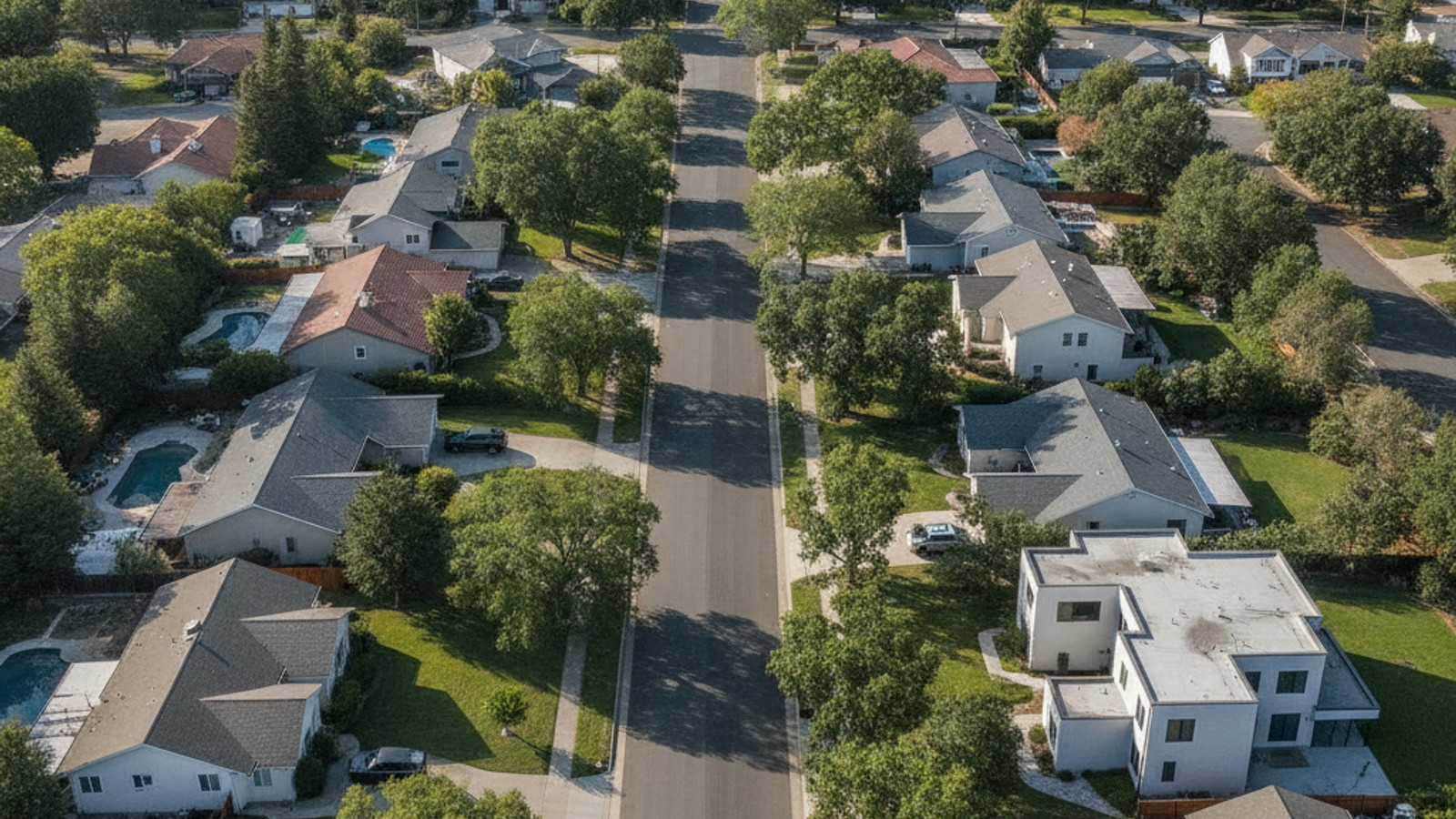
Inheriting property in Santa Clara County often means managing an asset worth well over a million dollars. The process involves coordinating family dynamics, legal paperwork, and California tax laws, making it crucial to work with the best real estate agent for seniors in Silicon Valley.
Many older homes in cities like San Jose, CA, Saratoga, CA, and Los Gatos, CA have been owned by the same family for decades. Preparing these properties for the market requires knowing how to clear the title, assess the current value, and handle left-behind belongings.
Who Has the Legal Right to Sell the Property
The first hurdle is figuring out who holds the legal authority to sign a listing agreement and transfer the deed. If the property is held in a living trust, the successor trustee can typically sell the home right away. Homes left without a trust or named beneficiary must go through the California probate system.
Probate in Santa Clara County currently averages nine to eighteen months to complete. The court appoints an executor to manage the estate during this time. This person is responsible for maintaining the property, paying off any existing mortgage, and settling outstanding debts.
A title search is required to verify ownership and uncover any liens attached to the house. Escrow companies use this report to ensure the title is completely clear before closing. Buyers will not close on a home with clouded ownership.
Taxes, Proposition 19, and Capital Gains
Heirs selling an inherited property benefit from a tax rule called the step-up in basis. This adjusts the home's value for tax purposes to its fair market value on the date of the parent's death. When the house is sold, capital gains tax is only calculated on the appreciation that occurred after that date, not the decades of prior growth.
California property taxes are handled differently under Proposition 19. Children inheriting a home must move into the property within one year and make it their primary residence to keep the parent's lower tax base. The 2026 rules allow the original assessed value plus up to $1,044,586 to be excluded from reassessment under these specific conditions.
If the heirs choose to sell the home instead of living in it, the property goes through a tax reassessment. The proceeds from the sale still benefit from the step-up in basis, shielding the estate from massive tax bills. Sellers should consult a tax professional to determine exact obligations and identify deductions for sale-related expenses.

Free 9-Step Guide for Heirs
The Guide to Selling an Inherited Property with Ease
Nine steps from the day you inherit to the day you close: settling the debts and utilities, clearing the house without losing the keepsakes, getting a real number on value, knowing when you need a probate attorney and a CPA, and which repairs actually pay you back. Every month you hold the house costs property tax, insurance and utilities, so it pays to have a plan before you start.
You're all set. Thanks! The Guide to Selling an Inherited Property with Ease is on its way to your inbox. If you don't see it in a few minutes, check your promotions or spam folder.
Silicon Valley Housing Market Trends
Single-family homes in Santa Clara County maintain a median price between $1.7 million and $2.1 million as of mid-2026. Buyer demand stays consistent because of the ongoing concentration of tech employment in the region. Well-maintained properties in good locations attract steady interest from local workers.
Appropriately priced homes spend an average of 14 to 18 days on the market before going under contract. Sellers should order an appraisal to determine the current market value before setting a listing price. Pricing a home too high can cause it to sit, even with current demand levels.
Working with a real estate agent helps heirs compare recent sales in specific neighborhoods. An accurate initial price generates more showings and often leads to multiple offers.
Emptying the House and Sorting Belongings
Decades of accumulated belongings fill many older residences in the area. Sorting through these items takes time, especially when multiple family members live out of state. Heirs should remove all personal keepsakes and sensitive documents before bringing in a real estate agent for a walkthrough.
Properties located near major transit routes like Highway 101 and I-280 often attract quick interest from buyers once the interior is fully cleared. Presenting an empty, clean house allows buyers to visualize the space. Families have a few reliable ways to handle the remaining household goods:
Hire a local estate sale company to price and sell valuable furniture, art, and collectibles.
Contract a clean-out service to haul away broken items, old appliances, and heavy debris.
Donate usable clothing and household goods to local Santa Clara County charities.
Choosing Between As-Is and Updating
Many inherited properties are mid-century homes that have not been updated in twenty or thirty years. Families face the decision of whether to invest in renovations or list the house in its current condition. Selling as-is allows the family to close the estate faster and avoid out-of-pocket construction expenses.
Some buyers in this region look exclusively for turnkey properties, while others prefer to remodel a house to fit their specific tastes. An agent can help evaluate which minor repairs will yield the highest return on investment. Fresh paint, professional landscaping, and deep cleaning usually pay off without requiring major capital.
Major renovations like kitchen and bathroom overhauls rarely return dollar-for-dollar value. Sellers should factor the cost of any planned updates into the expected sale price. A house priced correctly for its condition will sell without needing a complete modernization.
Free Inherited Home Strategy Session
Inherited Mom or Dad's house? Find out what it will net each heir, and what to do first.
In a 30-minute call, we'll estimate what the house will sell for and what each heir walks away with after selling costs. We'll also sort out whether to sell as-is or do some light prep, and how probate or the trust affects your timing. I'll flag the tax questions to take to your CPA, like the step-up in basis and whether Prop 19 makes keeping it worthwhile. You'll leave with real numbers and a clear order of operations. No listing agreement, no pressure.
Book My Inherited Home Strategy Session →
Frequently Asked Questions
How do I avoid capital gains tax when selling my parents' home?
The step-up in basis automatically shields most of the property's historical appreciation from taxation. You only pay taxes on the difference between the home's value on the date of death and the final sale price. Selling the property shortly after inheriting it usually results in minimal taxable gain.
How long does the probate process take in Santa Clara County?
The local court system typically requires nine to eighteen months to finalize an estate that lacks a trust. The executor must use this time to clear outstanding debts and prepare the property for the market. Having a clear timeline helps families plan for ongoing maintenance costs like utilities and insurance.
What happens to the property taxes under Prop 19 if we sell the home?
The property will be reassessed to its current market value for the new buyer upon closing. The parent's original tax base is only preserved if an heir moves in and uses the home as their primary residence. Since the house is being sold, the estate does not need to worry about the reassessment, as the new owner will assume the updated tax bill.
Senior Friendly Homes in Silicon Valley South
2
3
4
5
6
7
8
9
10
11
12
13
14
15
16
17
18
19
20
21
22
23
24
25
Check out this article next