
Free Buyer Strategy Call
Before you tour a single home,let's build your game plan.
In Silicon Valley, the buyers who win usually aren't the ones with the biggest offer. They're the ones who knew exactly how they'd compete before the right house ever came up. In 30 minutes we'll talk through your timing, how your down payment and equity comp fit together, and which neighborhoods really match the way you live, then put together a plan to win the home you want without overpaying for it.
Book My Buyer Strategy Call →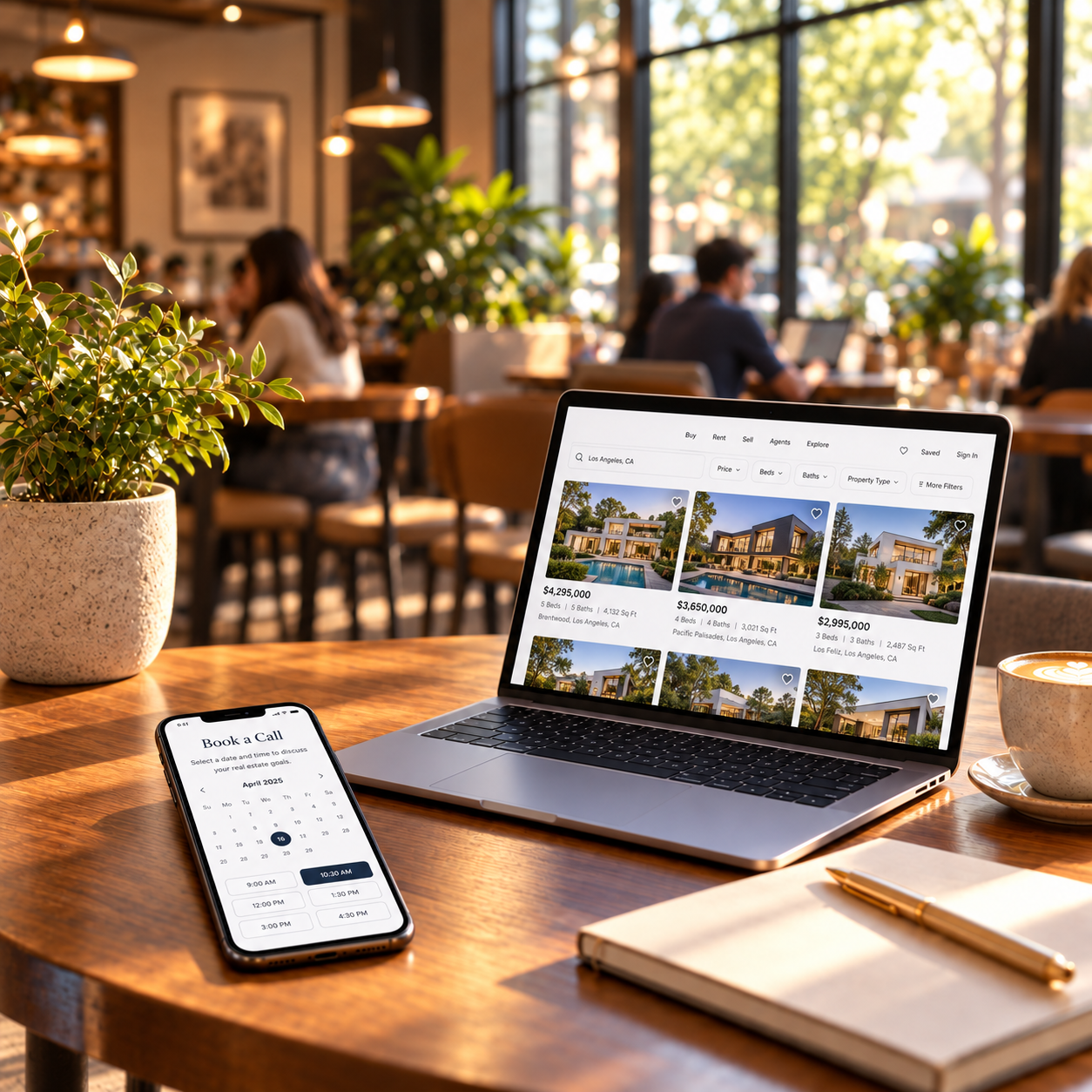
Want the full market report for Central San Jose?
We want to ensure that you have all the information needed to make the best decisions when it comes to your home goals. When you enter your info below you will get instant access to the area's latest market report, complete with sales and demographic trends.
Silicon Valley Home Search
Stop scrolling stale listings.See what's really for sale today.
A lot of the homes on the big portals went pending last week, and you don't find out until you've already fallen for one. My home search pulls straight from the MLS across Santa Clara and Santa Cruz counties, so every home you see is actually available. Filter by price, neighborhood and home type, save the searches you care about, and be the buyer who already knows the inventory when the right house comes up.
Search Homes For Sale Now →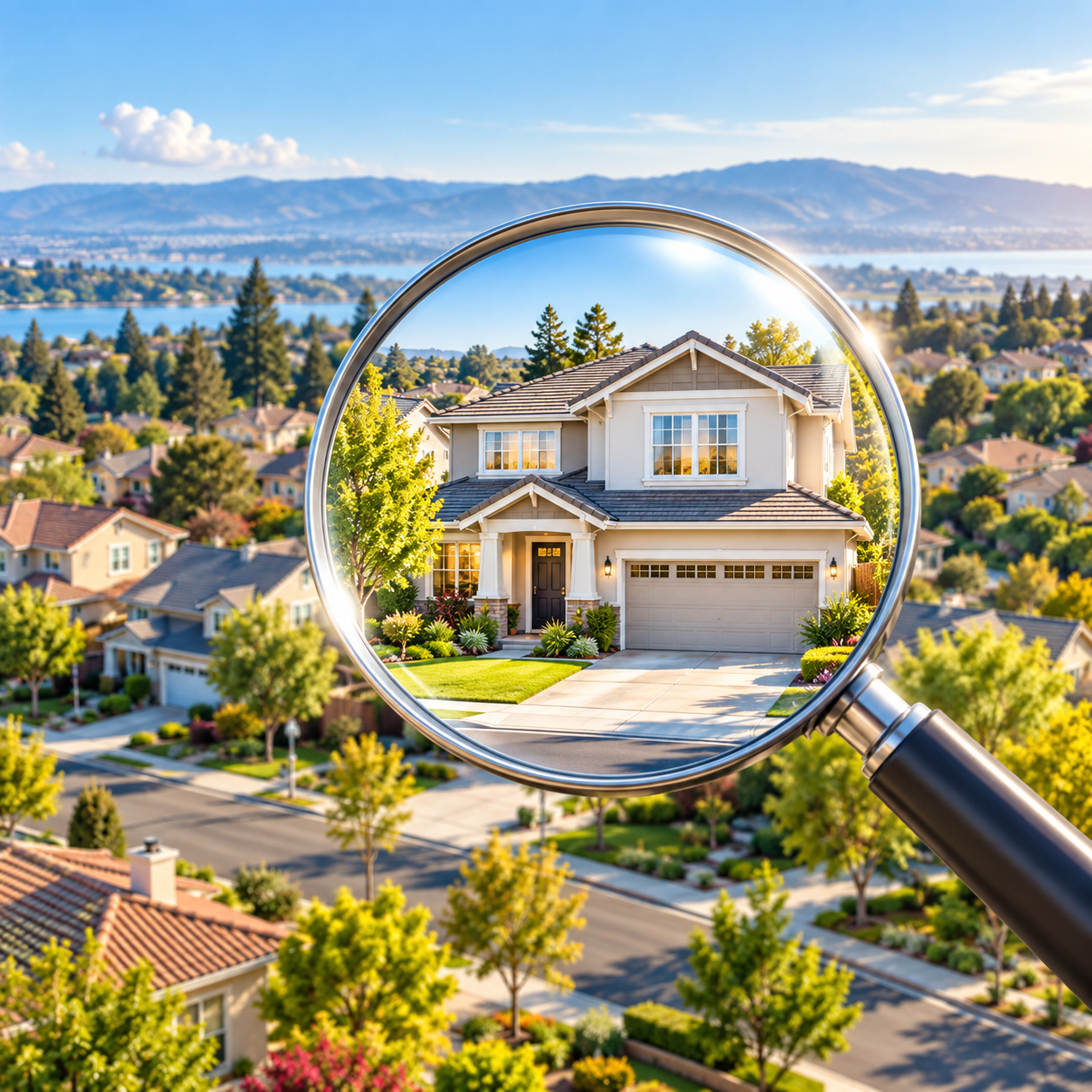
Local News & Advice
Read helpful resources and articles related to the area.
The Good News for Silicon Valley – October 20, 2026
your parents bought their house decades ago, selling now could cost the family $300,000 or more in capital…
The Good News for Santa Cruz – October 20, 2026
your parents bought their house decades ago, selling now could cost the family $300,000 or more in capital…
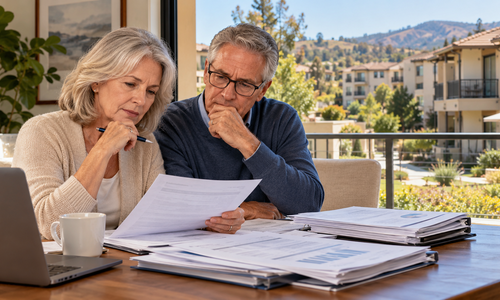
Condo and HOA Red Flags for Downsizers: A Santa Clara …
What to check before an older homeowner buys a condo or townhome: reserve studies, special assessments, SB 326…
At Home in Central San Jose
Central San Jose is a label the property market uses rather than a neighborhood the city recognizes. There is no official boundary for it, it does not appear in San Jose’s planning documents or its neighborhoods data, and different listing sites draw it differently. What people generally mean by it is the older core of the city around downtown, taking in the genuinely distinct neighborhoods that surround it.
Those real neighborhoods are worth knowing by name, because each has its own character and its own price behaviour. Downtown is the high rise and condominium core. Japantown just north is one of only three historic Japantowns left in the United States. Hensley is a designated City Landmark Historic District of Victorian homes. Naglee Park east of downtown is a Conservation Area of large older houses near the university. The Rose Garden and Shasta Hanchett Park on the west side hold the city’s best concentrations of period revival and Craftsman architecture, and The Alameda connects them toward Santa Clara.
I make the point because a citywide or a region wide median tells you almost nothing about any of them. San Jose covers 178 square miles, more than San Francisco and Oakland combined, and the central neighborhoods alone span everything from a 1870s Victorian to a brand new high rise condominium. Anyone pricing a house off a Central San Jose average is working from a number that describes no actual property.
What the central neighborhoods do share is location. You are close to downtown, to San Jose State, to the main library, to the SAP Center and above all to San Jose Diridon Station, which brings together Caltrain, Amtrak, ACE and VTA light rail in one place. For anyone thinking about the years when driving gets harder, that access is the strongest argument for buying anywhere in this part of the city.
The housing is mostly older, which cuts both ways. Character and walkability on one side, stairs and maintenance on the other, with newer condominium stock downtown as the exception that offers single level living. I look hard at the specific property rather than the area when advising someone on whether a house will still work for them in ten years.
Schools across the central neighborhoods run mainly through San Jose Unified School District, though San Jose is carved up among many districts and boundaries do not follow neighborhood names. I verify assignment parcel by parcel on every listing.
For services, the main branch of the San Jose Public Library is downtown, the city runs older adult programming through neighborhood community centers under its Active Adults 50 and Over program, and Santa Clara Valley Medical Center on Bascom Avenue is the county trauma center.
On price, San Jose ran a citywide median sale of about $1.4 million through the summer of 2026, down roughly three and a half percent year over year, with a median of about 21 days to contract. For anything in the central neighborhoods I would rather run comparable sales from the immediate blocks than rely on that figure. My San Jose home prices page tracks the trend and the full San Jose area guide covers the whole city.
If you own in one of these older neighborhoods and want a straight answer about what your house would bring, that answer comes from the specific street rather than from an area label. Establishing it properly, along with the capital gains and Proposition 19 planning that comes with a long ownership, is what I do for older adults and their families. Book a call with me for an honest conversation, or read about my selling process.

