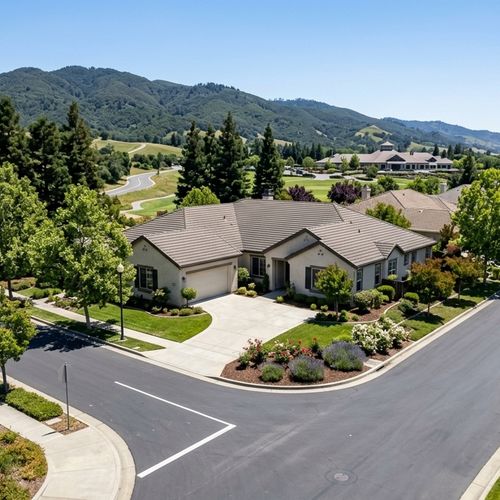
Santa Clara County's broader market moves fast - median sale price around $1.64 million, homes sitting on the market for roughly 18 days. For buyers who want to downsize or shift their lifestyle toward living in a 55+ community in Silicon Valley, CA, a standard single-family neighborhood often means maintaining a large property without any built-in network of people in the same chapter of life.
That's the gap active adult communities are designed to fill. Buyers exploring 55+ community social life in Silicon Valley, CA find that these neighborhoods are built specifically around connection and recreation - not just around a smaller floor plan. Instead of isolated suburban streets, you get a development structured entirely around shared amenities and daily interaction with your neighbors.
Why Buyers Choose Active Adult Living in Silicon Valley
Moving to a restricted-age neighborhood is about more than square footage. For most buyers, the real draw is the social infrastructure that comes built in. In a typical neighborhood, you might go weeks without a real conversation with the person next door. These communities are designed so that doesn't happen.
Under the Housing for Older Persons Act (HOPA), at least one resident in each home must be 55 or older. That creates a shared baseline - neighbors who are largely in the same phase of life, often looking to replace work-centric routines with hobbies and free time. The whole orientation of daily life shifts toward low-maintenance living and making the most of it.
Facilities and Amenities Built for Connection
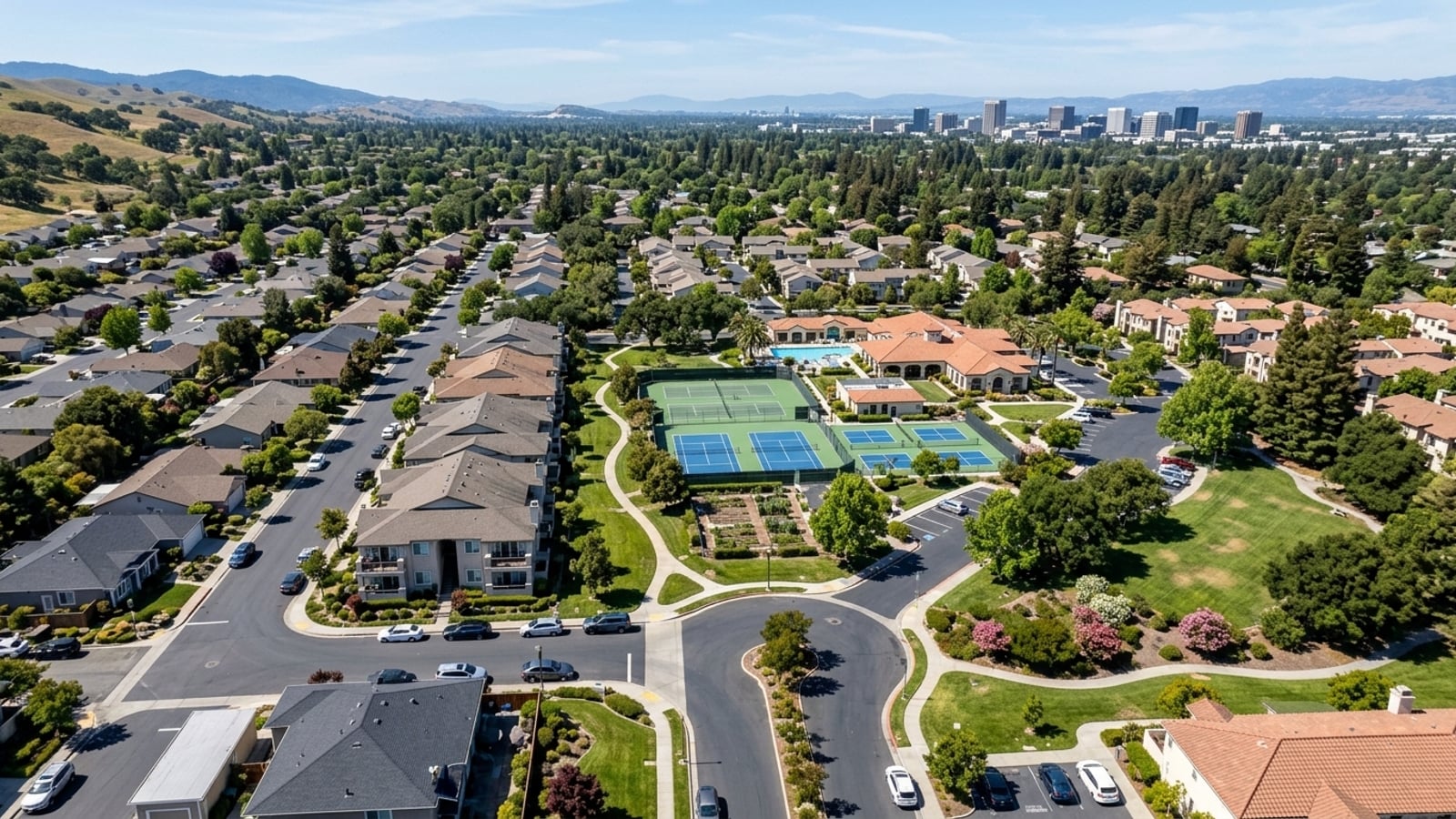
The physical layout of these neighborhoods shapes how residents actually interact day to day. Rather than isolated cul-de-sacs, the design tends to funnel foot traffic toward central gathering spaces. The most prominent 55+ communities in the area include The Villages Golf and Country Club in San Jose, Cottage Green in Morgan Hill, and Valley Village in Santa Clara. You'll also find options like Moss Creek and Summercrest Villas in San Jose.
Whatever the specific neighborhood, the amenities are the foundation of the community's culture. Shared spaces turn casual greetings into regular social routines - and that's not an accident, it's the design.
Community Hubs and Recreation Centers
The clubhouse is the anchor. Morning coffee groups, evening holiday parties, card games, continuing education classes - it all runs through there. Many clubhouses also include specialized spaces like woodworking shops, libraries, and pool halls, which let residents pursue individual hobbies while still being in a shared environment. You're not retreating to your garage alone; you're doing your thing alongside people who get it.
Outdoor Recreation and Fitness Options
The South Bay's mild climate makes outdoor amenities a genuine selling point, not a brochure line. Across Silicon Valley's 55+ developments, you'll commonly find hiking trails, swimming pools, spas, community gardens, tennis courts, and pickleball courts.
The larger communities go well beyond that. The Villages Golf and Country Club spans over 1,200 acres and includes an 18-hole golf course, a 9-hole course, a driving range, and an equestrian center. That's a serious operation.
How Activity Directors Keep the Calendar Full
Great facilities matter, but facilities don't organize themselves. Some smaller enclaves rely on resident volunteers to run the social calendar, which works until it doesn't. Larger active adult communities often employ dedicated staff specifically to manage programming - fitness classes, off-site excursions around Santa Clara County, the works.
That structure takes real pressure off individual residents and ensures things actually happen consistently, not just when someone has the energy to organize them.
Resident-Led Hobby Clubs
Most of the day-to-day social life runs through resident-led special interest groups - book clubs, gardening committees, arts and crafts groups, and plenty of others. Because residents come from diverse professional backgrounds, the variety of clubs tends to reflect that. And if a group doesn't exist for your particular interest, you can generally start one and reserve community space to meet. That's not a small thing.
The Role of a Full-Time Lifestyle Director
A lifestyle director is a staff member hired by the Homeowners Association (HOA) to plan, coordinate, and execute community events. They handle booking entertainment, scheduling fitness instructors, and organizing large-scale gatherings - the logistics that would otherwise fall through the cracks. For someone new to a community, the lifestyle director is the fastest way to get plugged in. Don't overlook that resource.
Home Prices and HOA Fees in Santa Clara County
The financial picture here is different from the broader Santa Clara County market. While the county median sits around $1.64 million, 55+ properties cover a wider spectrum. In 2026, home prices in South Bay 55+ developments range from about $450,000 for a smaller condo to over $1,500,000 for a premium single-family home. At The Villages in San Jose specifically, prices run from the low $300,000s up to $1,300,000, depending on configuration.
The purchase price is only part of the equation, though. You need to understand the ongoing costs before you fall in love with a floor plan.
Budgeting for Monthly HOA Dues
The amenities and social programming are funded through HOA dues, and in Silicon Valley's 55+ communities those fees are real numbers. Typical dues run between $800 and $1,400 per month. At The Villages, fees can range from $900 to $1,900 per month - and sometimes exceed $1,500 depending on the property type and specific amenities included.
Review the HOA documents carefully. You want to know exactly what maintenance and social programming those fees cover before you're under contract.
Popular Housing Styles and Floor Plans
Active adult developments typically offer a mix of condos, attached villas, and single-family homes. Most floor plans lean single-story, which minimizes stairs and reduces exterior upkeep. The whole point is to spend less time on house and more time on life - and the floor plans reflect that intent.
Frequently Asked Questions
Do HOA dues in Silicon Valley 55+ communities typically cover the costs of social events and club memberships?
Yes, HOA dues generally fund maintenance of the clubhouse, pools, and shared facilities. That said, individual social events, specialized classes, or specific hobby club memberships may require small additional fees to cover materials or instructors.
Are there active adult communities in Silicon Valley, CA with social clubs geared toward retired tech professionals?
Specific clubs vary by neighborhood, but because these groups are resident-led, you'll often find them reflecting the local demographic. Residents can start their own groups and reserve community space to meet - so professional networking or technology-focused clubs can form wherever there's interest.
What are the rules for grandchildren attending social events or using amenities at 55+ communities in California?
It depends on the specific community's HOA rules. Most 55+ developments allow grandchildren to visit and use amenities like swimming pools during designated hours, but they generally can't reside in the home full-time.
How does the social scene in a dedicated 55+ community compare to a standard luxury condo complex in Silicon Valley?
A dedicated 55+ community offers a much more structured social environment. A luxury condo might have a pool and a gym; an active adult community adds dedicated spaces like woodworking shops and pool halls specifically designed to encourage daily interaction. Different purpose entirely.
Can I attend a social mixer or club meeting to test the community culture before buying a 55+ home in Silicon Valley, CA?
Yes - many communities allow prospective buyers to tour the clubhouse or attend a public event when accompanied by a real estate agent or a current resident. It's a good way to see facilities like the pickleball courts and the library actually in use rather than just on a brochure.
How do I verify if a Silicon Valley active adult neighborhood actually has a thriving social calendar before making an offer?
Ask to see the community's current monthly newsletter or event calendar during your tour. A real schedule of fitness classes, club meetings, and excursions tells you far more about resident engagement than any marketing material will.
Check out this article next