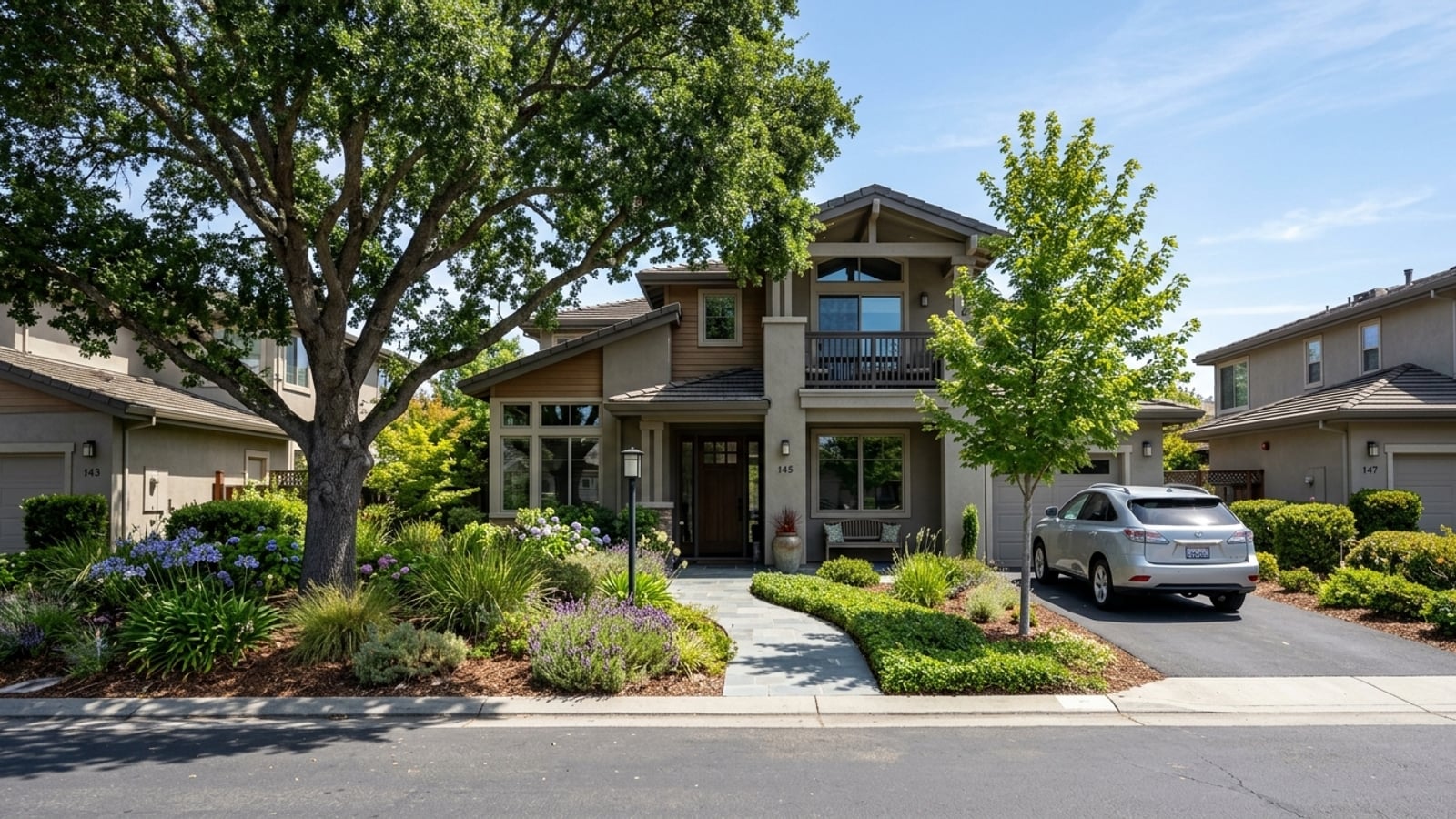
Inheriting real estate in Santa Clara County is already a significant event - and when the property sits inside an age-restricted neighborhood, the laws and rules around 55+ communities in Silicon Valley make the process a layer more complicated. The median sale price for homes in the area runs around $1,645,000, so you're not dealing with a minor asset here.
Taking ownership of a senior living condo or house involves more than a standard title transfer. You'll need to sort out federal age restrictions, local homeowner association bylaws, and California's specific tax laws before you can make any real decision about whether to sell, rent, or move in.
Federal Laws and Local HOA Rules for Senior Communities
The rules about who can actually live in these neighborhoods start at the federal level but land in your lap through the local HOA. When a homeowner passes away, the property title transfers to the heir - but the right to occupy the home doesn't automatically come with it.
Associations in these developments operate under specific federal guidelines to hold onto their age-restricted status. If a board stops enforcing those rules, it risks losing its legal standing as a senior community entirely.
The Housing for Older Persons Act (HOPA) and the 80/20 Rule
The federal Housing for Older Persons Act sets the baseline for how these neighborhoods run. Under HOPA, at least 80% of the occupied units must have at least one resident who is 55 or older.
The remaining 20% can technically house younger residents, but associations aren't required to allow that. Most local boards keep their internal standards well above the federal floor precisely so they never risk dipping below that 80% threshold.
Reviewing Silicon Valley HOA Bylaws
Silicon Valley has fewer large-scale 55+ master-planned communities than other parts of California. Sunnyvale stands out as a local hub with multiple options and resort-style amenities - pools, fitness centers, clubhouses. Developers like Del Webb market broader Northern California communities near Lathrop as options for Bay Area retirees who want to stay in the region.
Whatever the property, you'll need to pull the specific governing documents for your inherited home. Each board sets its own policies for underage heirs, and there's real variation out there.
Your Options for the Inherited Property
Once you have a handle on the association's rules, you can figure out what to do with the home. Your age, your financial picture, and the local market all factor in.
Homes in Santa Clara County are spending an average of just 18 days on the market right now. That's a short runway from list to contract, which puts heirs in a decent position if selling makes sense.
Selling the Home in the Bay Area Market
For heirs who don't meet the age requirements, selling is usually the most straightforward path. Inventory is tight - around 2,084 active listings in the county - so well-maintained homes tend to move quickly.
You'll need to clear probate before you can close a sale. Also budget for California HOA transfer fees, which generally run $200 to $500 and are typically handled at closing.
Renting the Property Out
Leasing can generate steady income if the association permits it. Most 55+ developments cap the number of rentals allowed at any one time to keep the community predominantly owner-occupied.
If the board does allow rentals, your tenants still have to meet the age requirements. Being a landlord doesn't let you sidestep the 55+ rule.
Moving In (If Permitted)
At 55 or older, you can generally move in without much friction. Younger heirs face a harder road - your options come down entirely to the association's bylaws and where the community's current demographics sit relative to that 80% threshold.
Some boards will grant temporary waivers or permit a younger heir to occupy the home if the community is comfortably above the federal minimum. Those exceptions are rare. Don't assume you can move in without getting written approval first.
Managing California Probate and HOA Costs
California probate takes time - typically 9 to 18 months for average estates. Formal probate often lands in the 12-to-18-month range because of a mandatory four-month creditor claim period. Simpler estates can close in 9 to 12 months; contested ones can stretch well past two years.
That timeline matters because the estate doesn't get to press pause on its bills while the court works through things.
Handling HOA Fees During the Probate Process
Property taxes, utilities, and monthly association dues all keep running while probate is open. The estate is on the hook for all of it.
Silicon Valley HOA dues tend to run higher than the state median - some communities charge $800 or more per month. The executor needs to stay current on those payments. Late fees and liens against the property are the last thing you want stacking up while you're already navigating the legal process.
California Prop 19 and Estate Taxes
Under California's Proposition 19, children can no longer automatically inherit a parent's low property tax base. To keep it, the inherited home has to become the child's primary residence within one year of the transfer.
Even then, the exclusion is capped at $1 million above the prior assessed value. If you rent the home out, sell it, or the value runs past that cap, the property gets fully reassessed to current market value - which in Santa Clara County is a meaningful number.
California doesn't have a state-level estate or inheritance tax, so heirs don't owe the state anything on the transfer itself. Federal estate taxes only apply to very large estates exceeding $13.99 million per individual.
Frequently Asked Questions
Can I live in an inherited 55+ community home in Silicon Valley if I am under 55?
It depends on the HOA's specific bylaws. The federal 80/20 rule allows up to 20% of units to house younger residents, but most local boards enforce stricter age minimums than that. You'll need written approval from the association before you move in if you're under the age requirement.
How does California's Prop 19 affect property taxes when inheriting a senior community home in Silicon Valley?
Prop 19 prevents you from carrying forward your parent's low property tax base unless you make the home your primary residence within one year. Even if you do move in, the exclusion is capped at $1 million above the prior assessed value. Sell or rent the home and it gets reassessed at current market value.
Do Silicon Valley 55+ HOAs require a formal approval process before transferring the title to an heir?
Yes - most associations require a formal review to update the title and confirm the new owner understands the community's rules. You'll also likely pay a transfer fee, which generally runs $200 to $500 in California.
Am I allowed to rent out an inherited Santa Clara County 55+ condo to senior tenants if I am too young to move in?
Yes, provided the association's bylaws allow rentals. Your tenants still need to meet the community's age restrictions, and the board may limit the total number of leased units in the development.
How much time do local senior communities give heirs to sell the property if they don't meet the age restrictions?
It varies by community, but boards generally allow a grace period while the home moves through the California probate process. Since average estates take 9 to 18 months to settle, the HOA will expect the estate to keep paying monthly dues throughout that window.
What happens if my spouse was 55+ and passed away, but I am under the age requirement for our Silicon Valley home?
Most community bylaws include specific protections for surviving spouses who are under 55. As long as one occupant previously met the age requirement, the surviving spouse is typically allowed to remain in the home.
Check out this article next