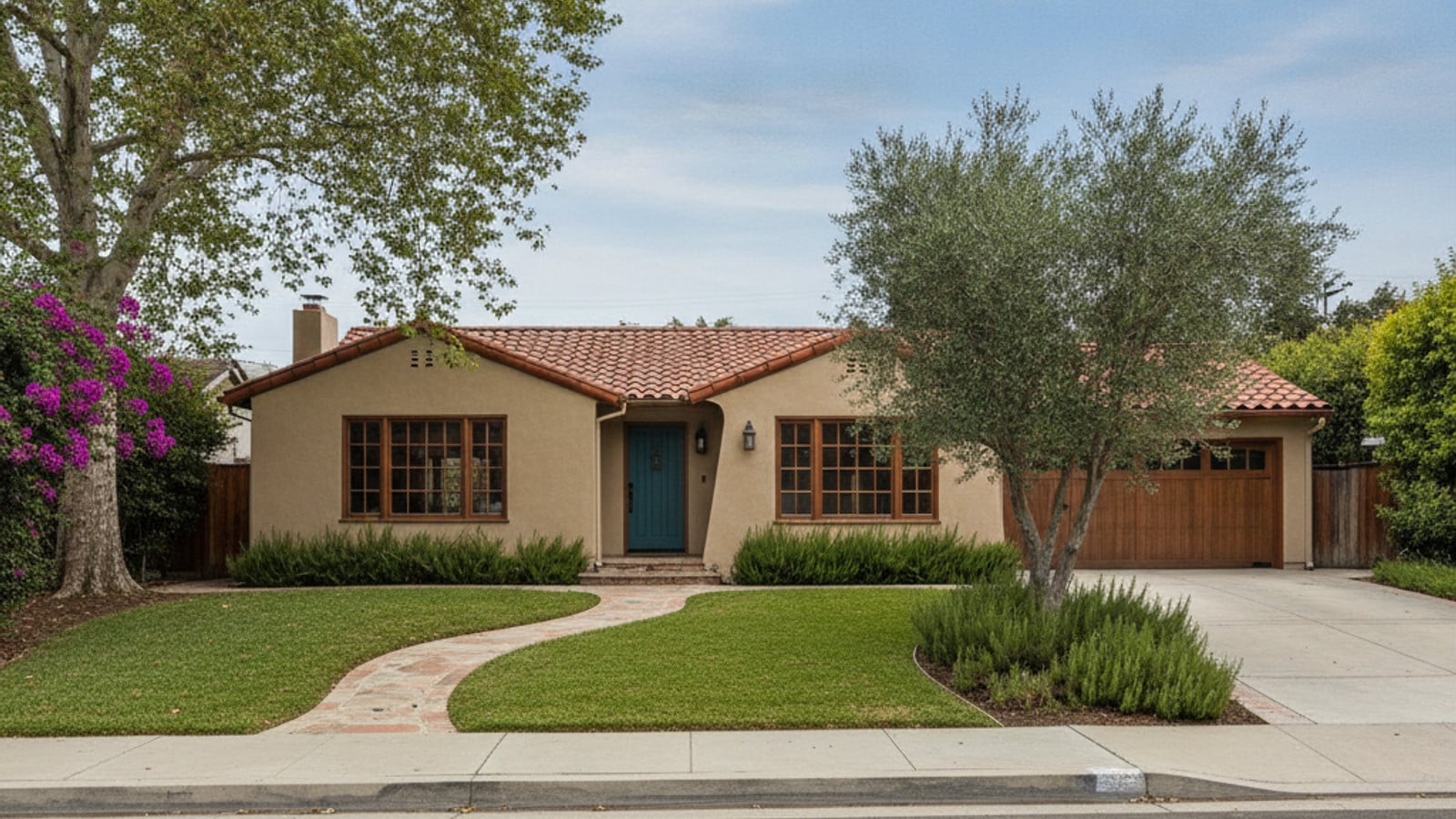
Santa Clara County has seen a steady rise in older adults transitioning out of large single-family homes into more manageable spaces. Downsizing decades of memories presents a unique set of physical and logistical challenges for seniors and their families. Coordinating a relocation across the San Francisco Bay Area takes careful planning and dependable support. Often, the first step is consulting the best real estate agent for seniors in Silicon Valley CA.
A standard four-bedroom house in San Jose, CA, often contains thousands of individual items that need sorting, packing, and transporting. Tackling this project without professional help can quickly overwhelm even the most organized families. Specialized moving companies step in to manage the entire process from the first packed box to the final furniture placement.
Booking specialized Senior Moving Services, Silicon Valley, CA, ensures the transition goes smoothly. These professionals focus on minimizing disruption and handling the logistics of moving seniors into a smaller home or assisted living facility.
What Local Senior Relocation Companies Provide
A standard estate cleanout involves sorting through a lifetime of belongings before a single box goes onto the truck. Local companies specializing in senior relocations bring trained crews to manage this initial phase. They help clients decide what to keep, donate, or discard.
Once the sorting is complete, the crew begins the physical packing process. Professional movers supply all necessary boxes and packing materials to secure the household goods. They also manage the unpacking process at the destination to ensure the new space is immediately livable.
These specialized teams take on several specific tasks to streamline moving day:
Clearing estates and sorting items for donation or disposal.
Providing custom packing materials for artwork and delicate goods.
Measuring floor plans to ensure existing furniture fits the new layout.
Handling antique pieces, medical equipment, and fragile items with specialized care.
Common Housing Transitions for Older Adults
Many older adults in the Bay Area spend decades in multi-level single-family homes before deciding to downsize. Shifting to a single-story property eliminates the daily challenge of stairs. This type of move requires careful floor plan coordination to fit a large household into a smaller footprint.
Moving into condominiums introduces a different set of logistical hurdles. Buyers should review HOA rules regarding moving hours and parking restrictions for large trucks. Movers often need to reserve loading docks and service elevators well in advance.
Transitions into managed care, assisted living, or memory care facilities demand precise timing. Facilities usually have designated move-in windows and specific protocols for vendors entering the building. Moving companies coordinate directly with facility directors to ensure the transfer aligns with the community's schedule.
Current Moving and Storage Costs in Santa Clara County
As of 2026, a standard 10x10 self-storage unit in the San Jose area averages $192 to $205 per month. Many downsizers use these units to hold excess furniture while deciding what to keep or pass down to relatives. Storage facilities near major transit corridors tend to sit at the higher end of that price range.
Storing sensitive goods like wooden antiques or electronics requires specialized environments. Climate-controlled 10x10 units in the county currently average around $211 per month. This protects valuable items from the temperature fluctuations common in the region.
Full-service moving rates depend on household size, distance, and the volume of items requiring special handling. A local move across town costs less than a long-distance relocation across California. Adding services like debris hauling or donation drop-offs will increase the final bill.
How Long a Local Move Takes from Start to Finish
A full-service local move within Santa Clara County typically spans three to four weeks from the initial estimate to moving day. The pre-move phase demands the most time, as families sort through decades of accumulated possessions. Dedicating a few hours each day to downsizing prevents the task from becoming overwhelming.
Professional packing and crating usually take one to two days for a standard single-family home. The crew works room by room to secure the entire home efficiently. Attempting to pack a house without professional help often stretches this phase into several weeks.
The actual schedule for loading, transit, and unloading within the local area usually wraps up in a single day. Working with an expert senior move manager keeps the project on schedule and prevents last-minute delays. They coordinate the moving company, the storage facility, and the final destination to ensure a seamless transition.
How Traffic and Geography Shape Your Moving Day
Moving trucks traveling through Silicon Valley rely on I-280, US-101, and SR-85 to reach different parts of the region. The choice of route impacts how long the transit phase takes. Dispatchers monitor morning and afternoon commute patterns to avoid having loaded trucks sitting in gridlock.
Proximity to major healthcare centers like Stanford Health Care and El Camino Hospital often influences where older adults choose to relocate. Neighborhoods near these facilities see high demand from downsizers. Movers frequently route their trucks through these specific corridors when delivering clients to nearby senior living communities.
Traffic congestion along these main arteries dictates the start time for the moving crew. A company might schedule an early morning load-in to ensure the truck hits the highway before the midday rush. Planning around the Bay Area's predictable traffic bottlenecks keeps the hourly labor costs down.
Checking Industry Certifications and Insurance
California law mandates that any company operating moving trucks must carry an active permit from the Bureau of Household Goods and Services. Consumers should verify this state licensing before signing any contracts. Requesting proof of insurance upfront protects your belongings if an accident occurs during transit.
Industry-specific credentials indicate a higher level of training for senior relocations. The National Association of Senior Move Managers (NASMM) sets baseline standards for companies specializing in this niche. A business recognized as Silver Certified has demonstrated consistent adherence to these professional practices over time.
Families should ask specific questions during the free estimate to confirm the company's qualifications:
Can the company provide a valid state permit number?
Does the business hold active membership in NASMM or maintain a Silver Certified status?
What specific liability coverage applies to high-value or fragile items?
Does the company carry workers' compensation insurance for its crew members?
Frequently Asked Questions
Are movers specifically trained to cater to the needs of older adults?
Yes, specialized crews undergo training to communicate effectively and minimize the emotional stress of downsizing. They learn how to pace the project for older clients and handle specialized medical equipment. A certified senior move manager in the Bay Area often oversees these teams to maintain quality control.
How do moving companies handle fragile or valuable items?
Professional teams use custom crating and specialized packing materials for delicate antiques and artwork. They catalog high-value items separately and load them into secure sections of the truck. If you are moving from a large estate in Marin County, CA, the crew will allocate extra time specifically for securing these pieces.
Can senior moving services help with transitions to assisted living facilities?
These companies manage the entire transition into managed care environments. They coordinate directly with the facility's management to reserve elevators and secure loading zones. Unpacking services ensure the new suite is fully set up before the resident arrives.
Check out this article next