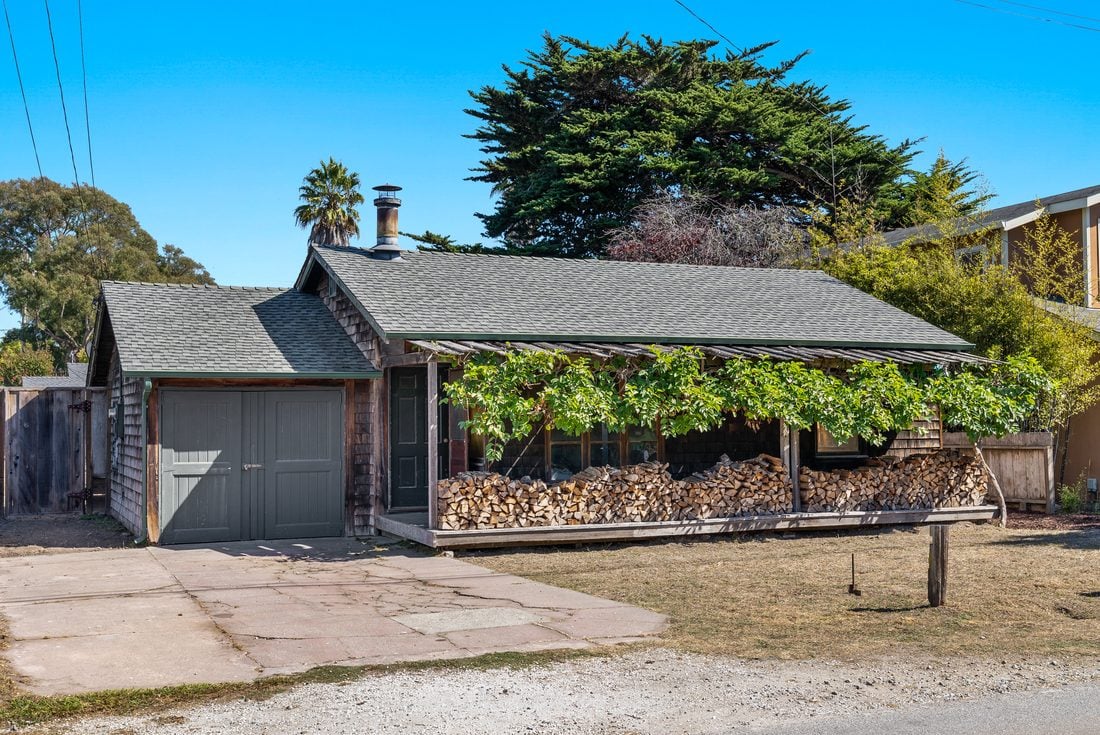
A small cottage with termite damage, a failing sewer line and no heat. It drew six offers, lost a $1.6 million cash buyer two days into escrow, and still sold all cash for $1,400,005, $125K over the asking price.
The Results
- $1,400,005 sale price, 9.8% over the $1,275,000 list price.
- 6 offers, 5 of them with no contingencies at all
- 8 days from going active on the MLS to an accepted offer
- All cash, 7-day close, with the buyer taking on the sewer line replacement
- 37 days from signing the listing agreement to closing
The Situation
The sellers were two brothers who had inherited their father’s home, which he had owned for decades. They were cleaning it out themselves, on weekends as time allowed. It was an emotional process, made more complicated because one of them lived about a hundred miles away and the other would be traveling overseas for work during the offer period.
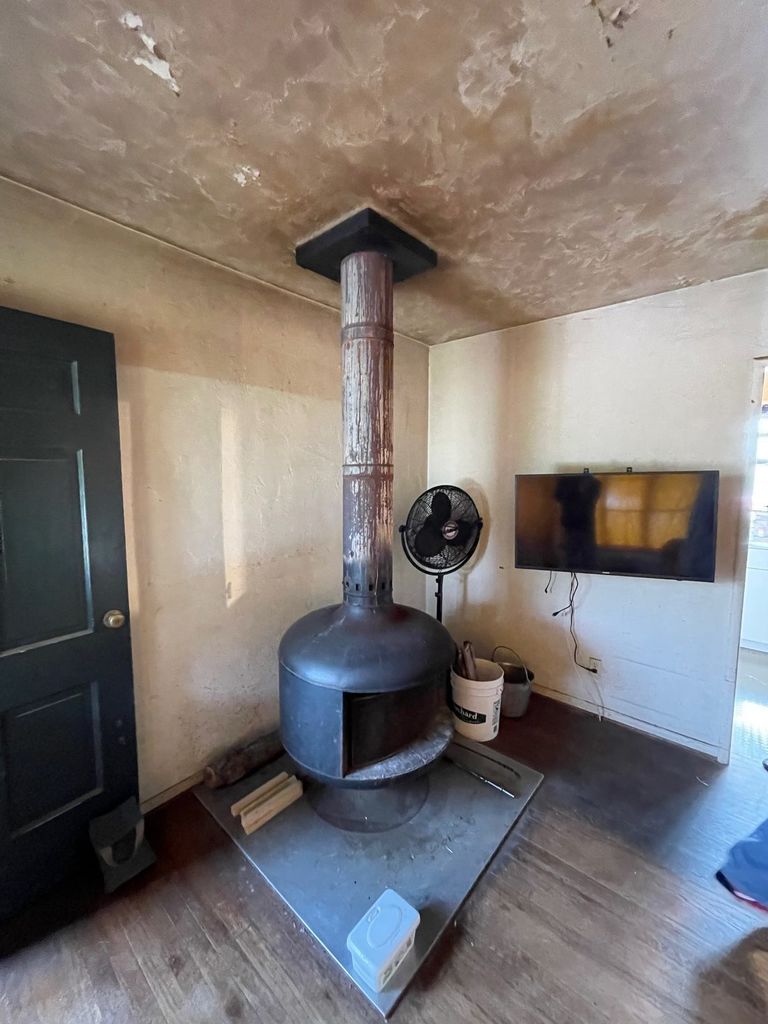
The location was clearly the best thing about the house: a quiet, low-traffic block in the middle of a prime beach neighborhood, a few minutes’ walk from the surf. The condition and functionality were the worst. It was 674 square feet with one bathroom, but no indoor shower or tub (the shower was outdoors!). The only heat was a wood stove, and the house had an old, unsafe Zinsco electrical panel, galvanized plumbing, and worn shingle siding.
 The Demand Maximization Strategy at Work
1. Put every flaw on the table before listing
Before the house went on the market I ordered a sewer lateral video inspection with a repair bid, a termite inspection, a full home inspection, a preliminary title report, and a natural hazard report. The results weren’t pretty: $15,350 in termite work and a $10,500 sewer line replacement, and of course, that old Zinsco panel was famously unsafe (and would today be a major hurdle to getting home insurance). Every report went into the disclosure package, which was posted online for buyers and agents before the first showing. By the third day on the market, 20 agents had requested the disclosure package.
2. Make it presentable at no cost to the sellers
I arranged for landscaping, junk removal, and a professional cleaning. The sellers finished the clean-out at their own pace, and I built the schedule around them. The Demand Maximization Strategy isn’t about spending a lot of money on home prep work that won’t move the needle in terms of net cash to the seller at close. Rather, it learns from Prospect Theory, where buyers are about 2.5 times more motivated to avoid things they dislike than they are drawn to things they like. That yields outsize rewards on pre-sale prep work, coupled with a quick time to market.
3. Sell the neighborhood, not just the house
The reality is that what drives value throughout California is the location. If you take that 1970s tract home in San Jose worth $1.7M and move it to Omaha, Nebraska, that same house would be worth $350K. The difference is the location – the dirt, in other words. Knowing what you’re really selling goes a long way toward deciding how to market the property and maximize the sale price.
So the photo and drone shoot covered the neighborhood as much as the house: the surf, the coffee shops, the ocean views from the street. It produced a listing video, a property website, short videos for social media, and paid online ads. Seven buyers reached out within hours of the ads going live.
4. Build demand before going live
The house spent a week as Coming Soon, with a sign in the yard and 450 postcards inviting the neighbors to an open house with tacos and a magician. Everyone who lives in that neighborhood knows someone else who wants to live there, so I thought it was important to reach out to them directly, so they could help spread the word. I wanted the big open house with the tacos and magician because I wanted prospective purchasers to get a real feel for the lifestyle the home affords. With a home that small, clearly it’s really about living outside – in the backyard, and in the neighborhood. Having the tacos and magician would mean buyers would have a reason to linger, sit on the back deck, kick back and enjoy a beautiful fall day in the backyard of a house that could be theirs.
Four agents asked to make preemptive offers before the house hit the market. I asked all of them to wait for the open market, because I know that, generally speaking, the seller will make more money when there’s the kind of competition only the open market can provide. In fact, that’s a central tenet of the Demand Maximization Strategy.

Before & After Photos
I always counsel buyers and sellers alike that what they’re primarily paying for is lot size and location. There wasn’t much to be done with the house, except clean and empty it out; it represented only a very small fraction of the overall value. So in terms of staging the home, we focused on improving the presentation of the backyard. We mowed the lawn, planted tomatoes, trimmed the landscaping, and pressure washed the back deck so that the wood looked (almost) like new.
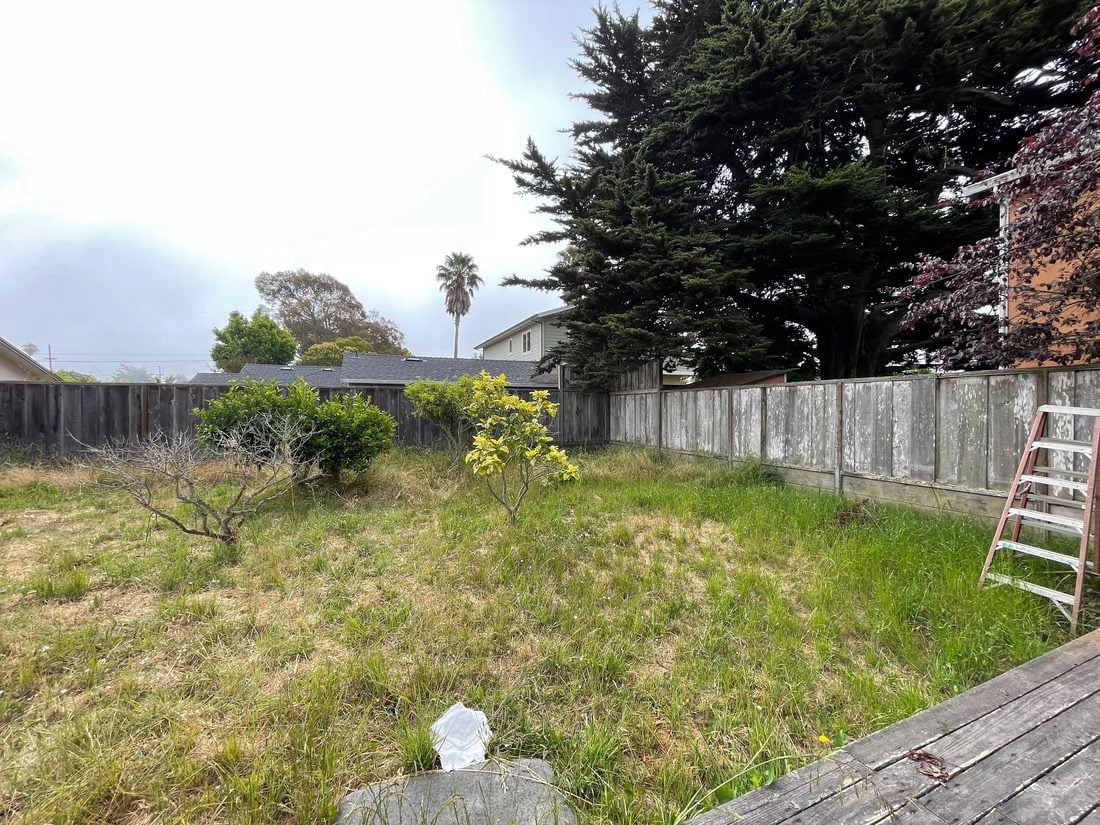
Backyard, before
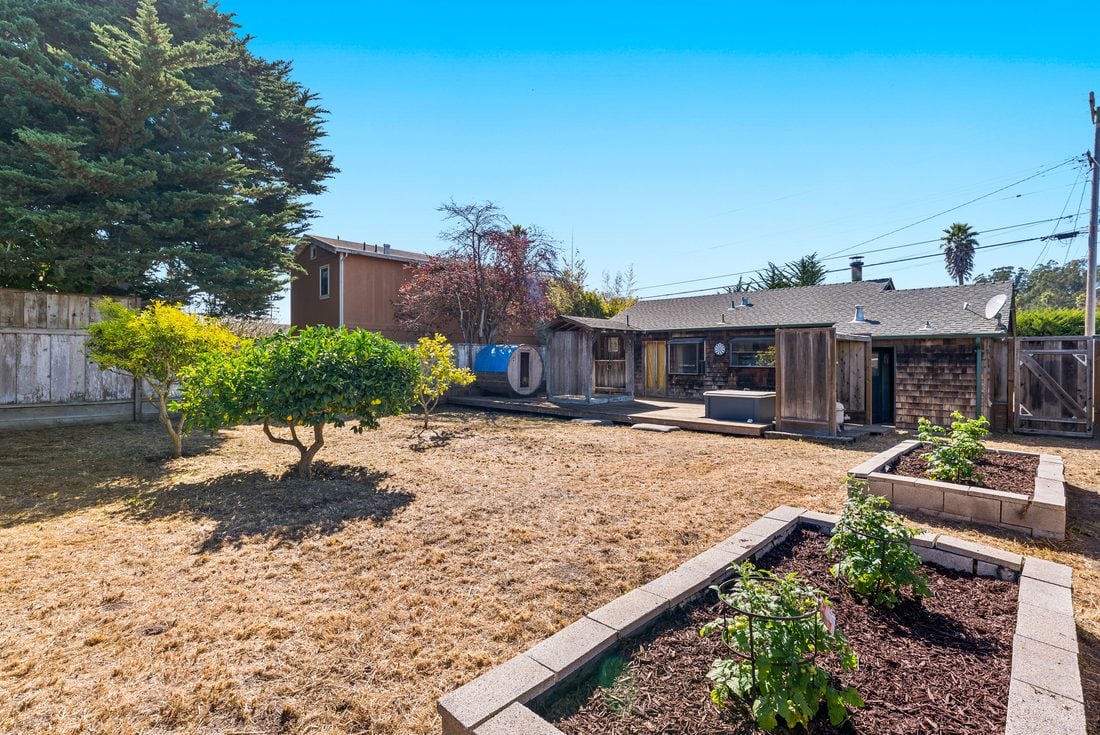
Backyard, after
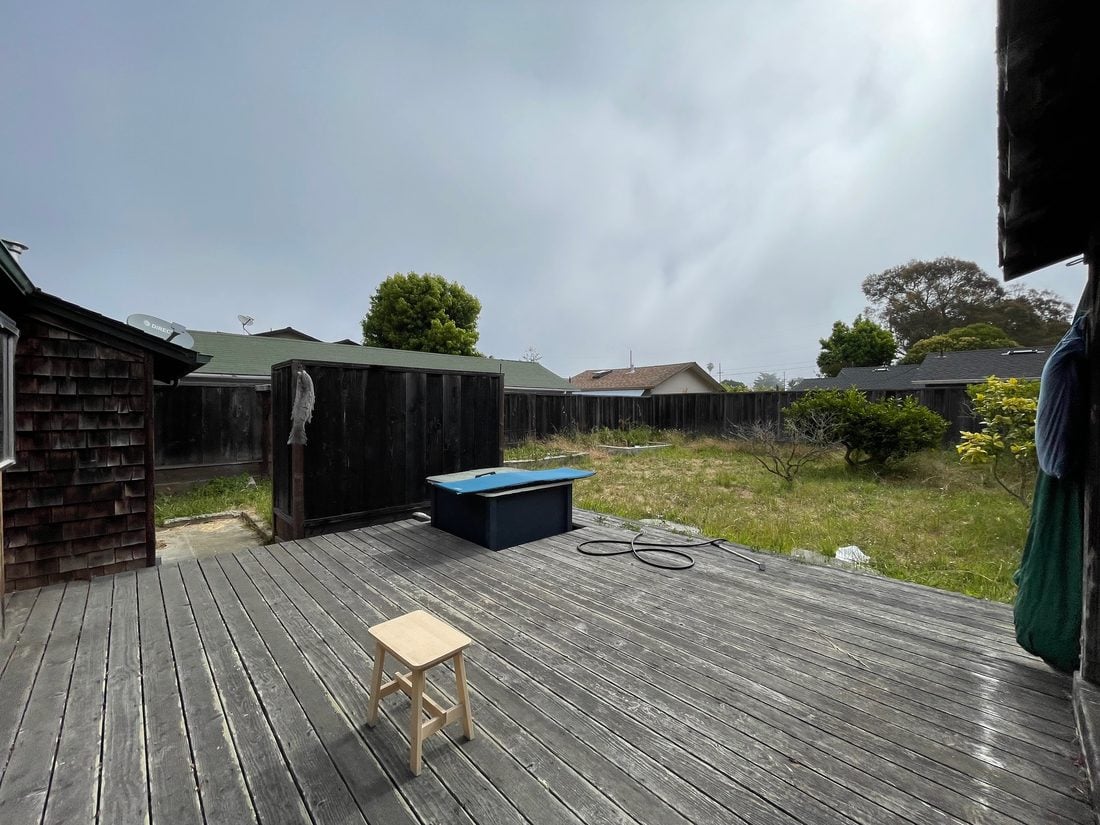
Deck and sauna, before
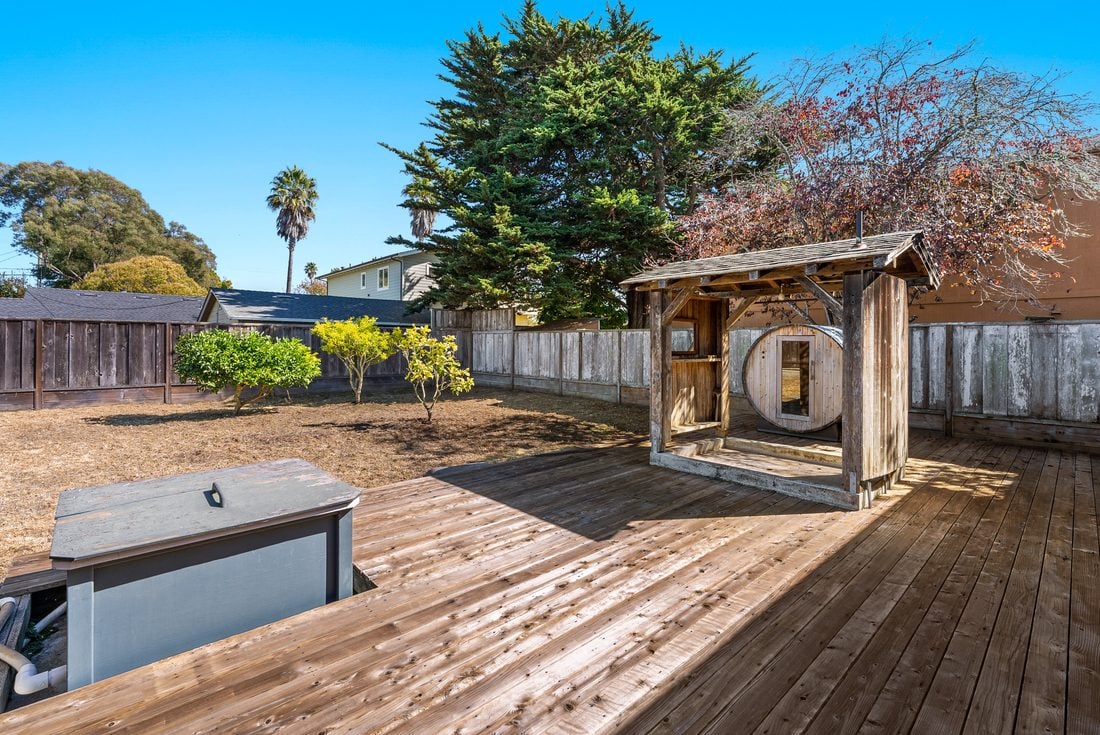
Deck and sauna, after
The Offers
The first offer arrived the evening the house went active: $1,325,000 cash with no contingencies. It was a strong offer, but it was day one. I advised the sellers to wait, and they did.
Three days later a second cash offer came in at $1,350,000, and then another at $1.3M. I sent a multiple counter offer to three buyers at once. It lets the sellers counter several buyers without being committed to any of them – it’s one of the beautiful features of a multiple counter offer; the counter offer the seller makes is 100% non-binding on the seller, keeping all their options open, while keeping the buyers engaged. After a couple of days of back-and-forth, an all-cash investor accepted at $1.6 million, and we went into contract. I had my reservations about that offer, since it was crazy, crazy high – but given that it was cash, and without any contingencies, the sellers accepted it with fingers crossed.
Two days later, the investor walked away, even though that buyer had made a non-contingent offer.
The sellers were frustrated and wanted to go back to that buyer and offer them the home at $1.5 million. I advised against trusting that buyer a second time. This business is all about trust; fool me once, shame on you; fool me twice, shame on me. So the house was back on the market the same day, and three more offers came in over the next 24 hours, including the investor coming back at a much lower $1.2 million. For the final round, I told every buyer that five offers were in play and asked for their highest and best, without saying who was ahead.
It’s true what they say: knowledge is power. When I am negotiating with buyers, I am very careful to play my cards close to the vest. I only release information which I am legally or ethically required to share, or which I think would advantage the seller. I’m very careful never to tell buyers anything that I think could dissuade any capable buyer from making any kind of offer, since the number of offers is, I believe, what ultimately drives prices highest. Buyers who don’t know where they stand tend to bid higher, because of the fear of missing out. With a little deft negotiation, I was able to get four of the five to increase their offers.
| Buyer | Financing | First Offer | Final Offer | Outcome |
|---|---|---|---|---|
| Buyer A | All cash, 7-day close | $1,325,000 | $1,400,005 | Accepted |
| Buyer B | All cash, 10-day close | $1,350,000 | $1,385,000 | Offered backup |
| Buyer C | Loan, no contingencies | $1,300,000 | $1,360,000 | Not selected |
| Buyer D | 20% down, loan contingency | $1,275,000 | $1,275,000 | Not selected |
| Buyer E | 50% down, no contingencies | $1,205,000 | $1,225,000 | Not selected |
| Buyer F | All cash investor | $1,600,000 | $1,200,000 | Walked, then came back again, much lower |
The buyer on the first night paid $75,005 more than their day-one offer.
Does your place need a little work?
Sell As-Is. Sell for More.
No remodel, no lowball investor offer. Most Bay Area sellers net more selling as-is, and I'll show you how to get full market value without fixing a thing.
Show Me How →
Timeline: Listing to Closing in 37 Days
Prepare
- September 24: Listing agreement signed. Title report ordered, inspections booked.
- September 27–October 10: Sewer lateral, termite, and home inspections. Landscaping, junk removal, and cleaning.
Market
- October 3: Photo and drone shoot. Coming Soon at $1,275,000. Sign installed, postcards mailed.
- October 5: Video, property website, and online ads go live.
- October 10: Active on the MLS, with 28 buyer inquiries by that afternoon. First offer that evening: $1,325,000 cash.
- October 13: Broker tour and open house, about 20 groups. Second offer: $1,350,000 cash.
Negotiate
- October 15: Multiple counter offer to three buyers. Accepted by a cash investor at $1.6 million.
- October 17: The investor walks away. Back on the market the same day. Two new offers that night.
- October 18: Sixth offer arrives. Highest-and-best round. Accepted at $1,400,005, all cash. Backup position offered to the runner-up.
Close
- October 19: Escrow opens.
- October 31: Recorded and closed. Closing was moved back a few days so a seller returning from overseas could sign and remove the hot tub.
The Takeaway: Tell Buyers Everything, Then Let Them Compete
Buyers can price a known problem. With the termite report, sewer video, and repair bid online from day one, they knew exactly what they were getting. Five of the six buyers waived every contingency, and the winning buyer took on the sewer line replacement.
The rest came down to patience and process. The sellers passed on a strong first-night offer, kept every buyer in play with a multiple counter offer, relaunched the same day a contract fell apart, and ran a final round where no one knew where they stood. The result was 9.8% over list, all cash, with a 7-day close.
A Few Last Details
The two brothers who had inherited the home both grew up there. They had conflicted feelings about selling the home, but neither was able to buy the other out. But they wanted to take something of it with them, aside from some of the personal effects. One of the sons chose to take the hot tub, which his father had actually built; I had my handyman come and remove the hot tub from the deck and bring it to his home a few miles away. The other son wanted the stove from the kitchen – it wasn’t just any stove. His father had been a chef, and the stove was a monstrous industrial-grade appliance. I had that removed and shipped to his home in the North Bay. Before accepting the offer, I negotiated with the buyer that these items would not convey, and I coordinated the move and paid for it as my closing gift to the family.
Free 9-Step Guide for Heirs
The Guide to Selling an Inherited Property with Ease
Nine steps from the day you inherit to the day you close: settling the debts and utilities, clearing the house without losing the keepsakes, getting a real number on value, knowing when you need a probate attorney and a CPA, and which repairs actually pay you back. Every month you hold the house costs property tax, insurance and utilities, so it pays to have a plan before you start.
You're all set. Thanks! The Guide to Selling an Inherited Property with Ease is on its way to your inbox. If you don't see it in a few minutes, check your promotions or spam folder.
Senior Friendly Homes in Silicon Valley South
2
3
4
5
6
7
8
9
10
11
12
13
14
15
16
17
18
19
20
21
22
23
24
25