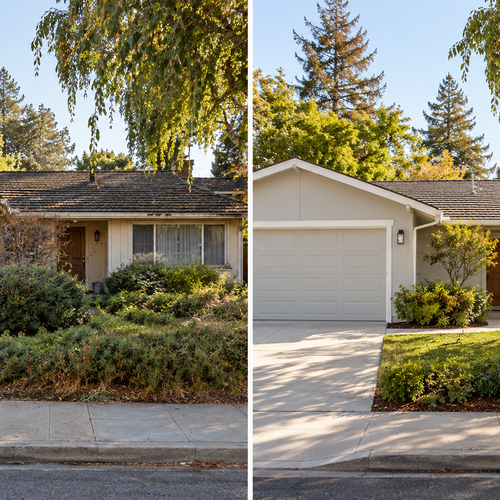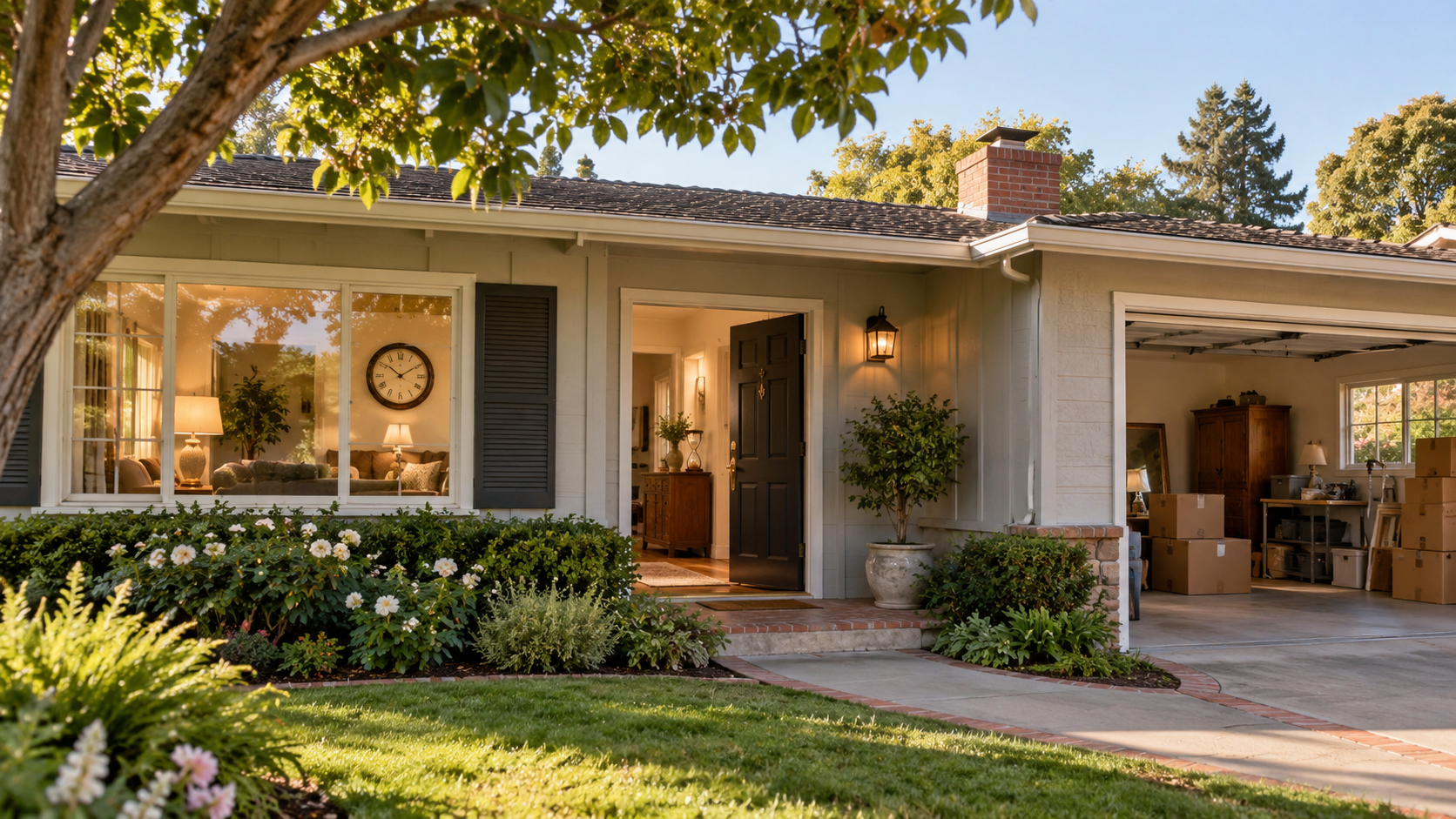
“How long is this going to take?” is the first question almost every executor asks me, usually right after they have been told probate takes “about a year” by someone who has never been through it in Santa Clara County. The real answer depends on a handful of factors you can partly control, and on a court calendar you cannot. Here is how the timeline actually plays out in our county, month by month, based on the probate sales I have handled over the past two decades. For the full process, see my guide to selling a house in probate in Santa Clara County. So how long does it take to sell a house in probate here? It depends mostly on one court order, and I’ll walk you through both timelines.
Key Takeaways
Summary: Most smooth probate sales in Santa Clara County close 5 to 9 months after the petition is filed, and the full probate takes 9 to 18 months. Court confirmation, family disagreement, and a house full of belongings are what usually stretch that timeline.
From my practice: One probate co-op I sold took 198 days from listing agreement to closing, and very little of that was the court. We spent the fall pulling up carpet and refinishing the original parquet, went live just before Christmas, and didn’t get an offer until showings started in January. After that came the co-op board’s application and interview, a city energy and water inspection that required a new toilet, and two plumber cancellations. The executor had full IAEA authority, so there was no confirmation hearing, and the timeline was driven almost entirely by the property itself.
The Two Clocks Running at Once
It helps to think of probate as two clocks. One is the legal clock: the petition, the hearing, Letters, the four-month creditor period, the accounting, and the final distribution. The other is the real estate clock: the cleanout, the preparation, the marketing, and the escrow. The real estate clock can start well before the legal one reaches the point where a sale can close, and the families who get through fastest are the ones who use the waiting time well.
A Realistic Month-by-Month Timeline
This is what a typical full-authority sale looks like in Santa Clara County when the heirs are cooperating.
| Month | Legal side | Real estate side |
|---|---|---|
| 0 to 1 | Hire an estate attorney, gather the will, death certificate, and deed. File the Petition for Probate. | Secure the house, change locks, notify insurance of vacancy, keep utilities on. |
| 1 to 3 | Notice is published and mailed. Probate examiner reviews the file. | Estate sale or cleanout, pre-listing inspection, pricing analysis, minor prep. |
| 2 to 3 | First hearing, about 60 to 90 days after filing. Order for Probate signed. | Photos and marketing materials ready so the house can list when Letters arrive. |
| 3 to 4 | Letters issued. Four-month creditor period begins. Probate referee appraises the house. | List the house. Most homes in good price ranges see offers within 1 to 4 weeks. |
| 4 to 5 | Notice of Proposed Action sent to heirs, 15-day objection period, or immediate consent. | Escrow opens, buyer completes inspections and financing. |
| 5 to 6 | Proceeds deposited in estate account. | Close of escrow. |
| 7 to 8 | Creditor period ends. Taxes and final bills paid. | |
| 9 to 14 | Final accounting and petition for distribution filed and heard. | |
| 10 to 18 | Heirs receive distributions. Estate closed. |
If the executor has limited authority or an heir objects, the sale goes to a court confirmation hearing instead of a 15-day notice. That typically adds one to three months between accepted offer and closing, depending on when the hearing is calendared. I explain that hearing in the probate overbid and confirmation hearing in Santa Clara County.
Free Executor Checklist
Inherited a Home in Silicon Valley? The Executor's First 30 Days
A plain-English checklist for adult children and executors that covers how to secure the house, what not to throw away, whether you're dealing with a trust or probate, and the tax questions to ask before anything gets listed or cleared out.
You're all set. The Executor's First 30 Days checklist is on its way to your inbox. If you don't see it in a few minutes, check your promotions or spam folder. And if you have questions in the meantime, you're welcome to call or text Seb at 408.413.3087.
What Slows Things Down
- Family disagreement. An heir who objects to the Notice of Proposed Action forces a court hearing, and a contested probate can add many months or even years. See when heirs disagree about selling.
- Probate examiner defects. Santa Clara County’s examiners are thorough. A missing notice, an incorrect form, or an unsigned declaration can result in a continuance of several weeks.
- A house full of belongings. A home of 50 years with a full garage and attic can take two months to clear if the family tries to do it themselves. A professional estate sale company or cleanout crew is often done in two to four weeks.
- A reverse mortgage. The lender will expect repayment, usually within six months of the death with possible extensions. That clock doesn’t wait for probate, so it’s important to communicate with the servicer early. I wrote about what happens when a parent dies with a reverse mortgage.
- A tenant or a family member living in the house. Tenant protections in San Jose and other cities are strong, and an occupant who doesn’t want to leave is a real obstacle to a sale.
- Title problems. Old liens, a deed that was never recorded properly, or a property that was supposed to be in a trust but wasn’t can all add time.
A real example: The longest probate sale I’ve handled took 354 days from the family’s first call to closing. We had an all-cash buyer in contract at $600,000, but two weeks into escrow they found a crack in the slab under the carpet, the HOA wouldn’t commit to fixing it, and the buyers walked. It took two more price reductions and about five months before three offers came in over five days, and we closed at $547,500. What got it back on track was disclosing the crack to every buyer, pushing the HOA in writing until it funded a geotechnical investigation, and pricing to the market we actually had instead of the one from June.
What Speeds Things Up
- Ask for full IAEA authority in the petition. It avoids the court confirmation hearing entirely when heirs agree. See IAEA full authority vs. court confirmation.
- Use the waiting period. The 60 to 90 days between filing and the first hearing is the perfect time to clean out, inspect, and prepare the house, so it can list the week Letters are issued.
- Line up heir consents in advance. If all heirs sign the consent on the Notice of Proposed Action, there’s no 15-day wait.
- Get a pre-listing inspection. Buyers move faster, and escrow is less likely to fall apart over surprises.
- Hire an attorney who knows the Santa Clara County probate department. Clean filings avoid continuances.

Free 9-Step Guide for Heirs
The Guide to Selling an Inherited Property with Ease
Nine steps from the day you inherit to the day you close: settling the debts and utilities, clearing the house without losing the keepsakes, getting a real number on value, knowing when you need a probate attorney and a CPA, and which repairs actually pay you back. Every month you hold the house costs property tax, insurance and utilities, so it pays to have a plan before you start.
You're all set. Thanks! The Guide to Selling an Inherited Property with Ease is on its way to your inbox. If you don't see it in a few minutes, check your promotions or spam folder.
When the Heirs Actually Get Paid
This is the part that surprises families the most. Closing on the house doesn’t put money in the heirs’ pockets. The proceeds go into the estate’s bank account and stay there until the creditor period has passed, final bills and taxes are paid, and the court approves the final accounting and distribution. In some estates, the court may allow a preliminary distribution before the estate closes, but that’s something to discuss with your attorney, not something to budget around. If an heir is counting on the money for a down payment or to pay down debt, I recommend they plan on 10 to 18 months from the date of death, not from the date the house sold.
Compared to a Trust Sale
If the house had been in a living trust, the successor trustee could typically list it within weeks of the death and close within two to three months, without any court involvement. That contrast is one of the main reasons I encourage my older clients to review their estate plans, and I cover it in selling a property in a trust. For families already in probate, the timeline above is the realistic one. Go back to my guide to selling a house in probate in Santa Clara County for each step in detail.
Sources and Further Reading
- California Courts Self-Help Guide: Property After Someone Dies
- California Probate Code § 10503 (sales under independent administration authority)
- California Probate Code § 10300 (notice of sale for court-supervised sales)
- California Probate Code § 10311 (overbids at confirmation)
- IRS Publication 559, Survivors, Executors, and Administrators
Frequently Asked Questions
How long does probate take in Santa Clara County?
A typical probate in Santa Clara County takes 9 to 18 months from filing to final distribution. Contested estates or those with complications can take longer.
How soon can you sell a house in probate?
The house can be listed once Letters are issued, which is usually 2 to 4 months after the petition is filed. A smooth sale commonly closes 5 to 9 months after filing.
Can you list a probate house before Letters are issued?
You can prepare the house, get inspections, and plan marketing before Letters are issued, but the executor shouldn’t sign a purchase contract until Letters are in hand.
How long is the creditor period in California probate?
Creditors generally have four months after Letters are issued to file claims, and the estate can’t be closed before that period ends.
Does a court confirmation sale take longer?
Yes. A court confirmation sale typically adds one to three months compared with a full-authority IAEA sale, depending on the court calendar.
Free Inherited Home Strategy Session
Inherited Mom or Dad's house? Find out what it will net each heir, and what to do first.
In a 30-minute call, we'll estimate what the house will sell for and what each heir walks away with after selling costs. We'll also sort out whether to sell as-is or do some light prep, and how probate or the trust affects your timing. I'll flag the tax questions to take to your CPA, like the step-up in basis and whether Prop 19 makes keeping it worthwhile. You'll leave with real numbers and a clear order of operations. No listing agreement, no pressure.
Book My Inherited Home Strategy Session →
Senior Friendly Homes in Silicon Valley South
2
3
4
5
6
7
8
9
10
11
12
13
14
15
16
17
18
19
20
21
22
23
24
25