What to Expect From a 55+ Community in Silicon Valley, CA
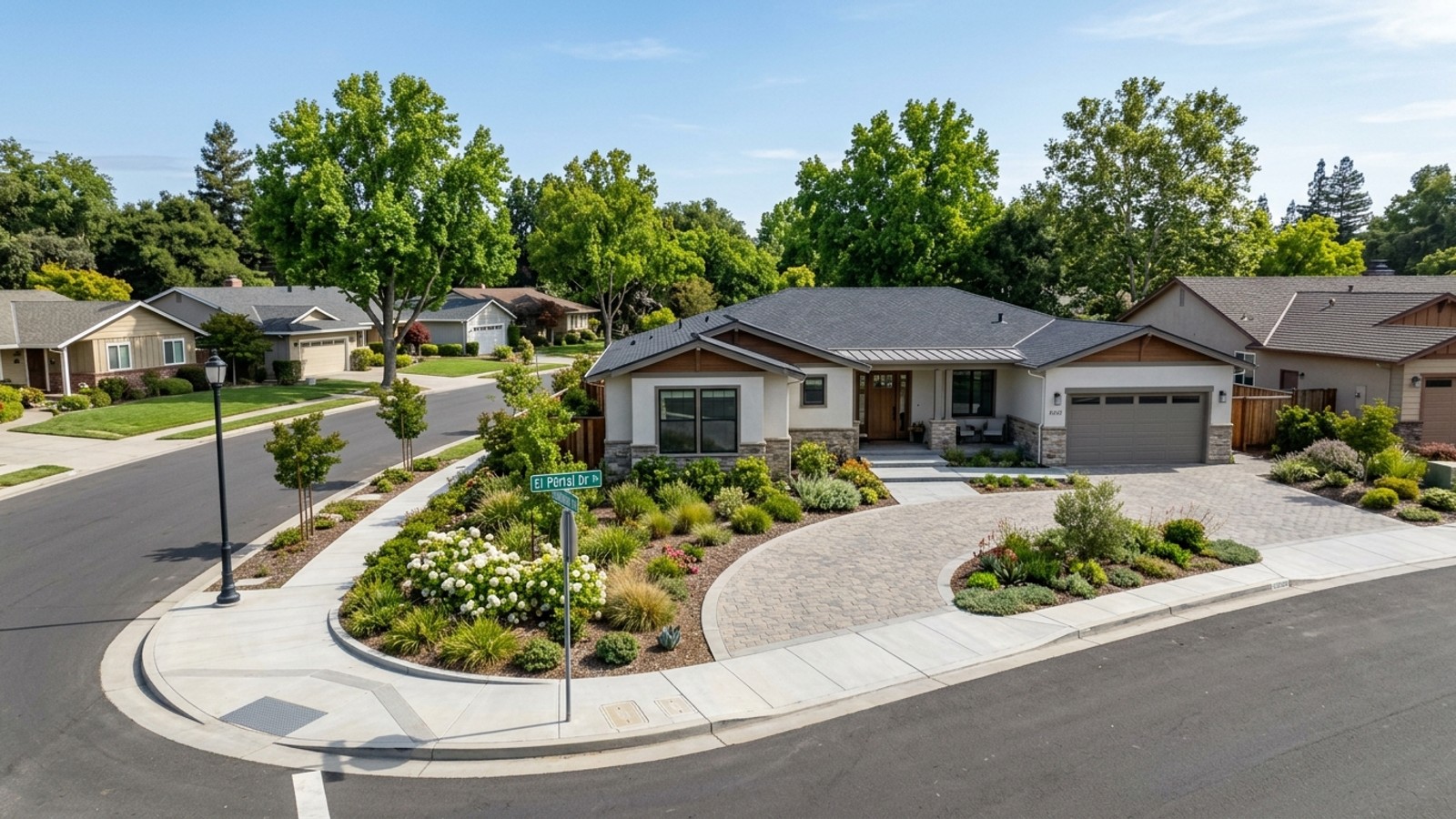
Santa Clara County real estate doesn't wait for anyone. As of mid-2026, homes are spending a median of just 16 days on the market, the median sale price sits around $1,655,500, and more than 60% of properties sell above list price. With roughly 2,200 homes available across the entire county, buyers looking to downsize are stepping into one of the most compressed markets in the country. Finding the best real estate agent for 55+ communities in Silicon Valley, CA is a practical first step.
If you're specifically looking at 55+ options, the picture gets even tighter. This region offers a mix of active-adult neighborhoods, continuing care facilities, and senior apartments - and each category carries its own price structure, its own rules, and its own tradeoffs against your long-term healthcare needs and monthly budget.
Age-Restricted Living in Silicon Valley
Age-restricted communities are built around a straightforward premise: you live among peers, and someone else handles the exterior upkeep. Landscaping, common area maintenance, sometimes even roof replacement - those get bundled into a monthly HOA fee. You trade some control over your property's exterior for a more predictable maintenance schedule. Whether that's a good deal depends entirely on how much you value that control.
The local market has both for-sale homes and rental apartments aimed at seniors. Because the broader Santa Clara County housing supply is already tight, dedicated senior units don't sit vacant long. If something fits your needs, you'll want to move.
Understanding California's 80/20 Age Rule
Federal and state law set the floor here. Under the Housing for Older Persons Act, a community can legally restrict residency by age if at least 80% of its occupied units house at least one person who is 55 or older. That leaves the remaining 20% of units open to younger residents - but only if the specific community's bylaws allow it.
California enforces this rule to keep communities operating as intended, but many HOAs go further and write stricter requirements into their governing documents, sometimes requiring every resident to meet the age threshold. Before you write an offer, read the HOA guidelines for that specific development. Don't assume.
Senior Housing Options Available Locally
The senior housing market isn't one thing - it breaks into several distinct categories based on how much independence and care you need, and they're priced accordingly.
Active-adult neighborhoods focus on independent living. Single-family homes, townhouses, or condos - usually single-story, usually with accessible features. You handle your own daily activities and healthcare. HOA fees cover common areas, and you typically get access to a clubhouse, fitness center, and organized events.
Assisted living and continuing care are a different animal. Assisted living facilities provide daily help with medication management, meals, and personal care, and the monthly fee covers room, board, and those services together. Continuing Care Retirement Communities - CCRCs - take a tiered approach on one campus: you can move from an independent apartment into assisted living or skilled nursing as your needs change, without changing your address. For buyers thinking long-term, that continuity matters.
Senior apartments offer a rental-only model for independent seniors. Elevators, accessible floor plans, communal spaces - and you're completely out of the property tax and maintenance business. Mobile-home parks are the other rental-adjacent option: you buy the manufactured home and pay monthly space rent to the park owner. The entry price is lower, but you're carrying an ongoing land lease.
Think through your current health and what you might need in five or ten years before you commit to a type. Moving between levels of care later adds real cost and stress.
Notable 55+ Communities in the Region
Here's something worth saying plainly: Silicon Valley has far fewer dedicated 55+ housing developments than Southern California. Land values and zoning in Santa Clara County have historically pushed toward single-family subdivisions and high-density tech housing, not sprawling golf-course retirement communities. If that's what you're picturing, you'll probably need to look outside the immediate valley.
That said, established options do exist. Cottage Green in Morgan Hill, CA and Village Green in Gilroy, CA are dedicated senior living communities within Santa Clara County. Buyers willing to cross into neighboring San Joaquin County can explore Regency by Toll Brothers in Tracy, CA, which offers modern floor plans and upgraded finishes.
For renters who want premium amenities without age restrictions, Santa Clara Square and Monticello in Santa Clara, CA and Villas at Bair Island in Redwood City, CA offer elevator access and high-end finishes near retail and dining - and they attract plenty of active adults.
Affordable senior housing is a longer conversation. Several non-profit organizations and municipal housing authorities manage subsidized apartment buildings for low-income seniors, but waitlists often stretch for years. Income limits apply and are updated annually based on area median income. This side of the market requires patience and research that starts well before you need to move.
Costs of Age-Restricted Living in Santa Clara County
The financial reality here is blunt. The total cost of living in Santa Clara County sits 131% higher than the national average. A single person in the city of Santa Clara needs roughly $4,512 per month to cover basic living expenses. Housing makes up the largest piece of that - averaging $1,835 per month for a single person, which is 53% higher than the national baseline. Healthcare, energy, and transportation add another $968 to that monthly total.
Rents, CCRC Fees, and What Medicare Actually Covers
Market-rate apartments average around $3,217 per month in San Jose, CA and approximately $3,610 in Sunnyvale, CA as of mid-2026. Those figures apply to most 55+ independent living rentals as well. Luxury two-bedroom units run $4,727 or more per month.
CCRCs require a substantial upfront entrance fee before you even get to the monthly charges. Across California, entrance fees start around $100,000 and can easily exceed $1,000,000. Nationally, average CCRC entrance fees range from $400,000 to $480,000 - and given what real estate is worth here, Silicon Valley facilities tend to price toward the top of that range.
On the insurance side: Medicare generally does not cover independent living, assisted living, or long-term room and board. It pays for specific short-term skilled nursing care or medical treatments, and that's it. Daily living expenses come out of your pocket. Medi-Cal, California's Medicaid program, can help cover assisted living costs for seniors who meet strict low-income and asset requirements - but the facility has to be certified to accept Medi-Cal waivers, and availability is limited.
Retiring in the South Bay Area
The case for retiring here is real: excellent weather, a Mediterranean climate that keeps you outdoors year-round, proximity to the coast and the mountains, and cultural amenities that most retirement markets can't touch. The case against it is also real: the financial barrier is high, and retirees on fixed incomes need to run the numbers carefully.
Property taxes deserve a close look. California's Proposition 13 provides some protection, but buyers purchasing at today's median county price of $1,655,500 are still looking at a significant ongoing cost.
Healthcare Access
One area where this region genuinely delivers is medical care. Stanford Health Care in Palo Alto, CA is nationally ranked in 11 adult specialties and holds a 5-star rating - that kind of access is a legitimate draw for seniors prioritizing healthcare proximity. El Camino Health in Mountain View, CA and Kaiser Permanente centers in both Santa Clara and San Jose round out the network. Good Samaritan Hospital in San Jose and Santa Clara Valley Medical Center - nationally ranked for procedures involving diabetes, heart failure, pacemaker implantation, pneumonia, and stroke - add further depth.
Pros and Cons of Age-Restricted Neighborhoods
Moving into a dedicated senior community changes your daily life in ways that are hard to fully understand until you're living it. You're trading a mixed-demographic neighborhood for a peer-focused environment. For some people that's exactly the point. For others it feels confining within six months. Tour multiple properties. Every HOA has its own personality, its own enforcement style, its own activity calendar, and you want to know which one you're buying into.
The practical advantages are straightforward: homes designed for aging in place, single-story layouts, wider doorways, walk-in showers, and built-in maintenance services that free up time for the things you actually want to do. The social infrastructure - clubhouses, organized events - also matters more than most buyers expect. It's genuinely easier to meet neighbors when the community is built around it.
The drawbacks are just as real. HOA rules can be strict - exterior paint colors, landscaping choices, limits on how long visiting grandchildren can stay. Monthly fees can increase annually, which puts pressure on fixed budgets. And the absence of generational diversity bothers some residents more than they anticipated. If you've spent your life in a neighborhood with young families and working professionals, the adjustment isn't always easy.
How to Select and Tour a Property
Don't let a good lobby or a well-staged model home carry too much weight. What matters is the financial stability of the HOA or facility operator. Poorly managed communities hit residents with sudden special assessments to cover deferred maintenance - ask for the reserve fund balance and any known upcoming assessments before you get attached to a property.
Visit more than once, at different times of day. A community that seems perfectly quiet on a Tuesday morning might have a parking problem every Saturday. Ask the sales office or HOA board the uncomfortable questions, not just the easy ones.
For renters evaluating assisted living, ask about staff turnover rates, the exact procedure for transitioning to a higher level of care, and - critically - which services cost extra versus what's included in the base monthly fee. That last question can completely change the math.
Research state inspection reports for any assisted living or CCRC you're seriously considering. The California Department of Social Services maintains public records of citations and complaints for licensed care facilities. And if you can speak with current residents without management in the room, do it. Their answers will tell you more than any brochure.
Frequently Asked Questions
Can my under-55 spouse or adult children live with me in a Silicon Valley 55+ community?
It depends on the specific HOA. California's 80/20 rule requires 80% of units to have at least one resident who is 55 or older, so a younger spouse can often qualify if you meet the age requirement. But individual communities write their own bylaws, and some strictly prohibit adult children or anyone under 55 from establishing permanent residency. Read the documents for the specific development before you assume.
Are homes in Silicon Valley active adult communities generally cheaper than regular single-family homes?
They often carry a lower purchase price than the county's median of $1,655,500. That said, you need to factor in the monthly HOA dues, which can be substantial - and you're buying knowing that your future buyer pool is restricted by the age requirements when it comes time to sell.
What are the typical HOA fees for 55+ neighborhoods in the Silicon Valley area, and what amenities do they cover?
They vary widely by development. Generally they cover common area maintenance, landscaping, and access to shared facilities like clubhouses and fitness centers. Some fees also include exterior building repairs and roof replacement for townhomes or condos. There's no single number that applies across the board.
Which specific cities in Silicon Valley have the most established 55+ residential communities?
Dedicated age-restricted developments are relatively rare in the core valley. Morgan Hill has Cottage Green, and Gilroy has Village Green. Buyers looking for larger active-adult subdivisions often end up just outside the county - Regency by Toll Brothers in Tracy being the notable example.
What happens if I inherit a home in a California 55+ community but I'm not yet 55 years old?
You can legally own the property, but living in it is a different question. The HOA bylaws will determine whether you can occupy the home under the 20% exception of the 80/20 rule. If the HOA enforces a strict age minimum for all residents, you'll need to sell or rent the unit to an age-qualifying tenant.
Can I buy a house in a Silicon Valley senior community as an investment property and rent it out to qualifying tenants?
Yes, as long as the tenants meet the 55+ age requirement. Review the HOA documents first - some communities cap the total number of rentals allowed. Your tenants will still have to comply with all community rules and age restrictions, same as any owner-occupant.
Check out this article next