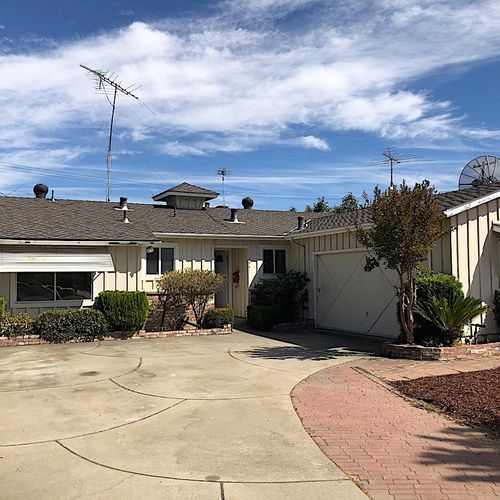
When families sell a parent’s house in probate, the fear I hear most often is a giant capital gains tax bill. It makes sense: a house bought in San Jose in 1974 for under $50,000 might sell today for $1.8 million or more, and people assume that $1.75 million difference is taxable. For inherited homes, it almost never works that way, and understanding why can save a family from some very expensive mistakes. I’m not a CPA, and every family should have one on the team, but these are the concepts I explain on almost every probate listing. This article is part of my complete guide to selling a house in probate in Santa Clara County. The short version on capital gains from inherited property is that most heirs owe far less than they fear because of the step-up in basis, but there are exceptions worth knowing about.
Key Takeaways
Summary: Heirs who inherit a California house generally get a stepped-up basis equal to its value at death, so selling soon afterward usually produces little or no capital gains tax. The costly mistakes tend to happen during life, when adding a child to title or gifting the house gives up that step-up.
From my practice: On a probate sale I handled, the owners had bought the house more than five decades earlier, and the probate referee appraised it at $710,000. We sold it for $700,000 all cash, 98.6% of that appraisal. When the sale price lands that close to the date-of-death value, the taxable gain is usually small, and that’s the conversation I want every executor having with the estate’s CPA before we set a price.
How the Stepped-Up Basis Works
Your capital gain on a sale is the sale price minus selling costs minus your basis. For property you buy, your basis is roughly what you paid plus improvements. For property you inherit, federal law resets the basis to the fair market value on the date of death. The decades of appreciation that happened while your parent owned the house are simply never taxed as capital gains. In probate, the probate referee’s appraisal on the Inventory and Appraisal is strong evidence of that date-of-death value, which is one reason it matters that the appraisal is accurate.

Free 9-Step Guide for Heirs
The Guide to Selling an Inherited Property with Ease
Nine steps from the day you inherit to the day you close: settling the debts and utilities, clearing the house without losing the keepsakes, getting a real number on value, knowing when you need a probate attorney and a CPA, and which repairs actually pay you back. Every month you hold the house costs property tax, insurance and utilities, so it pays to have a plan before you start.
You're all set. Thanks! The Guide to Selling an Inherited Property with Ease is on its way to your inbox. If you don't see it in a few minutes, check your promotions or spam folder.
A San Jose Example With Real Numbers
Suppose Mom bought her Willow Glen home in 1974 for $48,000. She died owning it in her own name, it went through probate, and the referee appraised it at $1,800,000. Eight months later the estate sells it.
| Inherited (stepped-up basis) | If Mom had added her son to title in 2015 | |
|---|---|---|
| Sale price | $1,850,000 | $1,850,000 |
| Commission and closing costs (illustrative) | ($102,500) | ($102,500) |
| Amount realized | $1,747,500 | $1,747,500 |
| Basis | $1,800,000 | About $924,000 (half stepped up, half carried over at $24,000) |
| Gain or (loss) | ($52,500) loss | About $823,500 gain |
In the inherited scenario, the estate actually has a loss once selling costs are included. In the second column, where Mom added her son to title during her life, the half he received as a gift keeps Mom’s original basis, and the family faces federal and California tax on hundreds of thousands of dollars of gain. The numbers are simplified, but the pattern is real, and it’s one of the most costly well-intentioned mistakes I see. My article on capital gains when selling a home you have owned for 30 years covers the planning side for parents who are still living.
Who Pays the Tax in Probate
When the house is sold during probate, the estate is the seller, and the sale is reported on the estate’s fiduciary income tax return, federal Form 1041 and California Form 541. Inherited property is automatically treated as long-term, no matter how soon after death it sells. If there’s a gain, the estate may pay the tax or, in some cases, the gain passes through to the heirs when proceeds are distributed. If there’s a loss, the CPA will look at whether it can be used and whether it can pass to the heirs in the estate’s final year. These details depend on the estate’s situation, so this is exactly where the CPA earns their fee.
What if the House Goes Up in Value During Probate?
Probate in Santa Clara County can take a year or more, and the market can move in that time. The step-up only covers value up to the date of death. If the house was worth $1,800,000 at death and sells 14 months later for $2,000,000, the gain above the stepped-up basis, minus selling costs, is taxable. On those numbers, with about $110,000 of selling costs, the gain would be roughly $90,000. That’s still a fraction of what it would have been without the step-up, but it’s worth knowing if the family is debating whether to hold the house for a stronger market.
Free Executor Checklist
Inherited a Home in Silicon Valley? The Executor's First 30 Days
A plain-English checklist for adult children and executors that covers how to secure the house, what not to throw away, whether you're dealing with a trust or probate, and the tax questions to ask before anything gets listed or cleared out.
You're all set. The Executor's First 30 Days checklist is on its way to your inbox. If you don't see it in a few minutes, check your promotions or spam folder. And if you have questions in the meantime, you're welcome to call or text Seb at 408.413.3087.
The Community Property Advantage for Married Couples
California is a community property state, and that brings a powerful benefit. When a married couple owns their home as community property and the first spouse dies, the entire house, not just the deceased spouse’s half, generally gets a new basis at its value on that date. When the surviving spouse later dies, the heirs get another step-up. For a widow or widower who is thinking about selling, this can mean very little taxable gain, and I cover that situation in selling a Silicon Valley home after your spouse died. The way title was held, and whether the couple’s documents treat the home as community property, can matter a great deal, so the CPA and attorney should review it.
A real example: The first thing I do on an inherited house is pull the deed. On one sale, the afternoon of the family’s first call, the grant deed showed the home was held in joint tenancy, so the mother’s share passed to her daughter automatically and there was no probate at all. How title was held affects the basis question too, which is why I send families to their CPA with the deed in hand before we list. That house sold at its full $479,975 asking price, all cash, and closed two days early.
Estate Tax Is a Different Tax
Capital gains tax and estate tax are often confused. California has no estate tax and no inheritance tax. The federal estate tax only applies to estates above the exemption, which is $15 million per person in 2026 after the 2025 federal tax law made the higher exemption permanent and indexed it for inflation. The vast majority of Silicon Valley families selling a parent’s home will owe no estate tax at all, though larger estates with significant stock or business holdings should plan carefully.
What Heirs Should Do
- Make sure the date-of-death value is well documented, through the probate referee’s appraisal and, if helpful, a separate appraisal.
- Keep records of all selling costs, including commission, escrow, and preparation expenses.
- Bring in a CPA who handles estate and trust returns early, not at tax time.
- If a sibling is keeping the house, understand that their basis also starts at the date-of-death value. See can an heir buy the house from a probate estate.
- If your parents are still living, talk to an estate attorney before anyone adds a child to title.
For the full probate sale process, go back to my guide to selling a house in probate in Santa Clara County.
Sources and Further Reading
- IRS Publication 551, Basis of Assets
- IRS Publication 559, Survivors, Executors, and Administrators
- IRS Publication 523, Selling Your Home
Free Inherited Home Strategy Session
Inherited Mom or Dad's house? Find out what it will net each heir, and what to do first.
In a 30-minute call, we'll estimate what the house will sell for and what each heir walks away with after selling costs. We'll also sort out whether to sell as-is or do some light prep, and how probate or the trust affects your timing. I'll flag the tax questions to take to your CPA, like the step-up in basis and whether Prop 19 makes keeping it worthwhile. You'll leave with real numbers and a clear order of operations. No listing agreement, no pressure.
Book My Inherited Home Strategy Session →
Frequently Asked Questions
Do you pay capital gains tax on an inherited house in California?
Usually very little. Inherited property receives a stepped-up basis equal to its fair market value at the date of death, so tax is due only on gain above that value, and selling costs often reduce or eliminate it.
Who pays capital gains tax when a house is sold in probate?
The estate is the seller and reports the sale on its fiduciary income tax returns. Depending on timing and distributions, gain or loss may pass through to the heirs. A CPA should handle the reporting.
Is an inherited house always long-term for capital gains?
Yes. Inherited property is treated as held long-term regardless of how soon after the death it’s sold.
What is the double step-up for community property in California?
When a married couple holds their home as community property, the whole home generally receives a new basis at the first spouse’s death, and the heirs get another step-up at the second spouse’s death.
Does California have an inheritance tax?
No. California has no estate tax or inheritance tax. The federal estate tax only applies to estates above $15 million per person in 2026.

Capital Gains Calculator
Bought for $180K and worth $2.4M today? See what you'd owe in capital gains tax.
After decades in Silicon Valley, your gain can blow right past the $250,000 and $500,000 exclusions. Plug in your numbers and see your estimated tax bill and how much cash you'll walk away with.
Run My Numbers →Senior Friendly Homes in Silicon Valley South
2
3
4
5
6
7
8
9
10
11
12
13
14
15
16
17
18
19
20
21
22
23
24
25