Starting Over After a Health Setback, With No Money for Repairs
3 bed, 2 bath · Sold for $630,000
This sale started with a request for a fast cash offer from a homeowner who was recovering from a health setback, had no money to prepare her house, and was ready for a fresh start somewhere new. It ended six months later with a family moving in on an FHA loan, and the owner texting me “Thank you for everything, you rock!!” from her bank.
Here is how we got there, and the people who made it happen.
The Results
- Sold for $630,000, $70,000 above the best as-is cash offer
- $38,000 in preparation and repairs, with the funding arranged so the owner didn’t need cash on hand
- $0 out of pocket for the owner before closing
- A last-minute $4,300 loan problem fixed without taking a dollar from the seller
The People
The owner. She owned the house free and clear, but after a hard stretch with her health she had no cash on hand and no way to pay for repairs. She wanted to sell and start over, and she needed time to move.
Her friend and housemate. He made the first call on her behalf, handled most of the communication, and did a lot of the hands-on work: packing, hauling, patching walls, and getting the house ready for every showing.
The buyers. A family buying with an FHA loan and 3.5% down, the kind of buyer who can’t take on a fixer-upper but can buy a clean, move-in-ready house.
The team. Felix and his crew, who did much of the cleanup and finish work. The escrow officer at Old Republic Title, who kept the paperwork moving through a delayed closing. And me, Seb Frey.
“We’re Looking for a Cash Offer”
In June, the owner’s friend filled out an online form for a fast cash offer. In his first emails, he explained the situation: the house was paid off, the owner was motivated, and they wanted to sell soon.
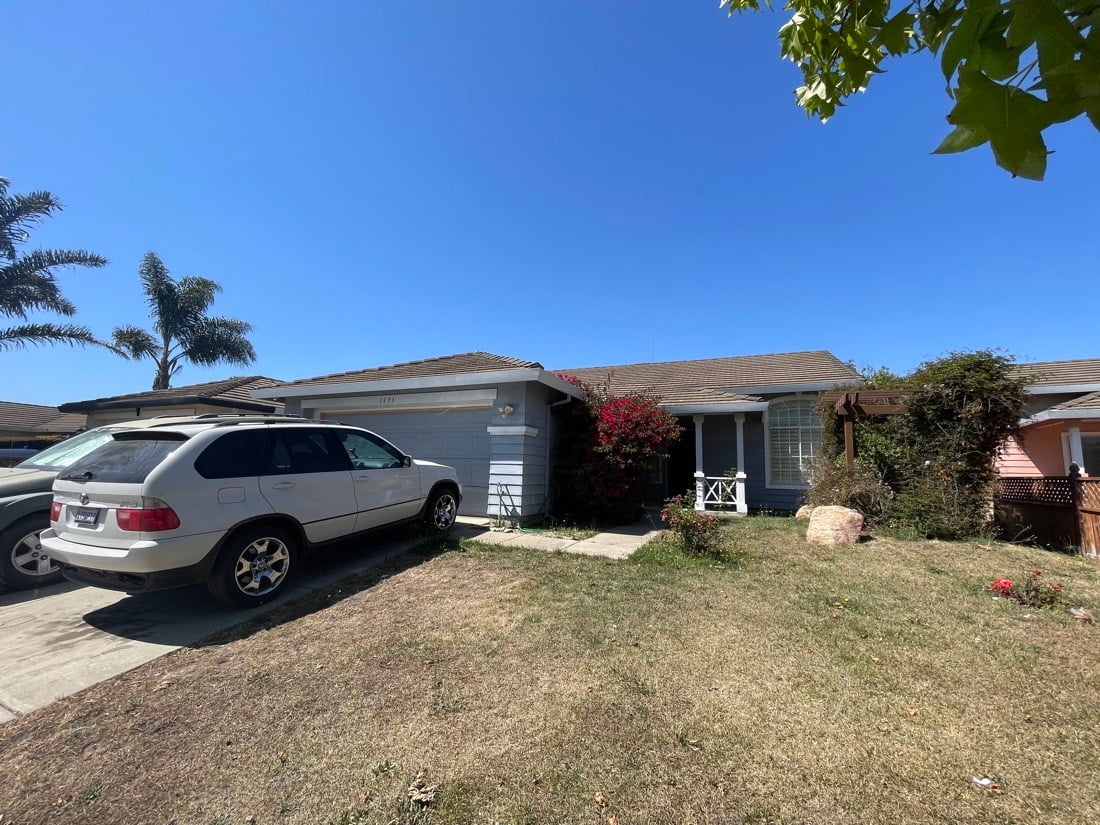
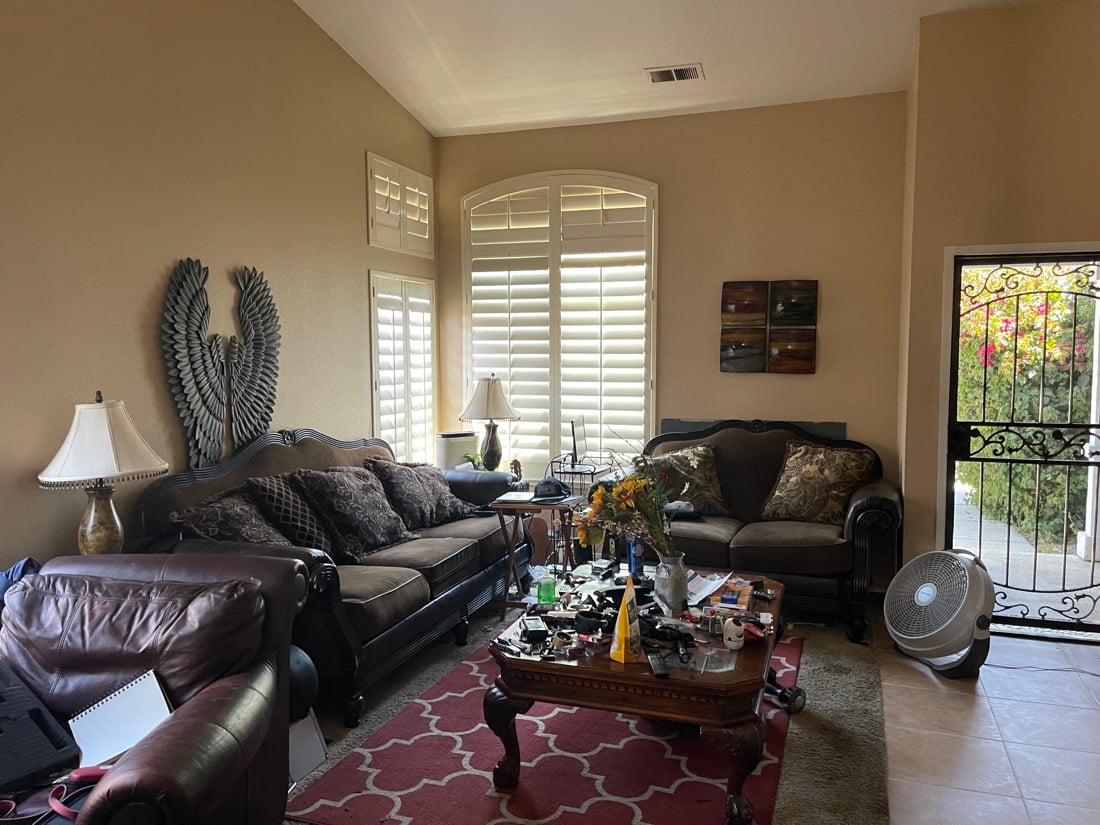
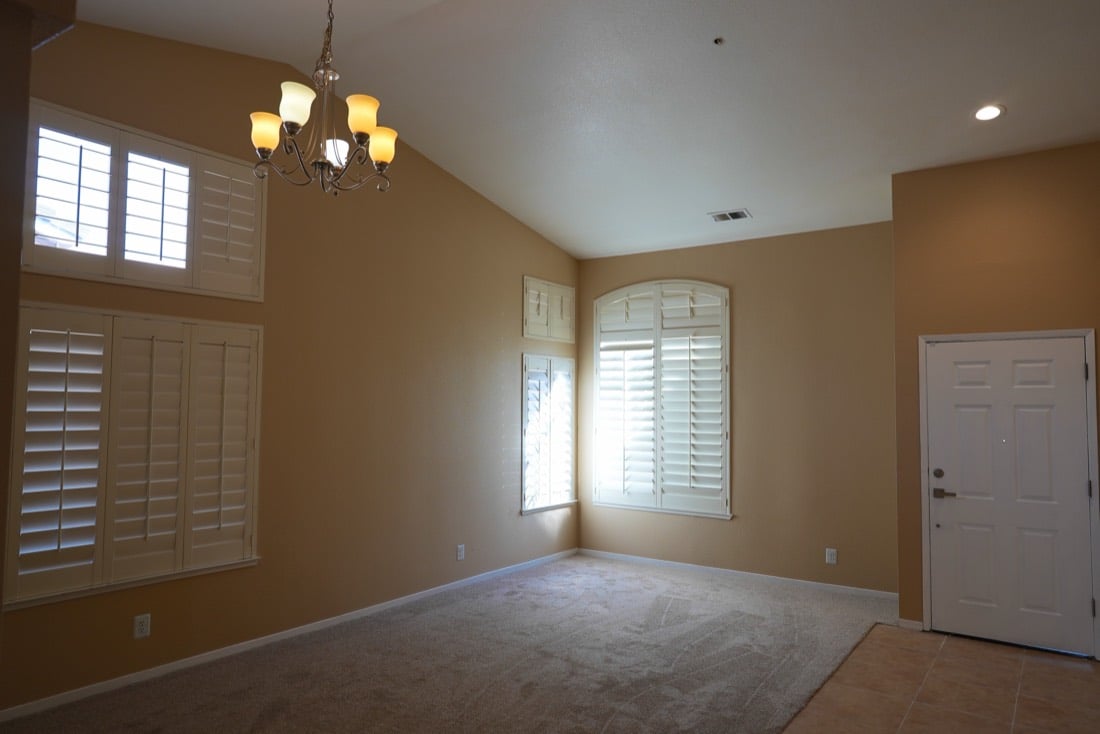
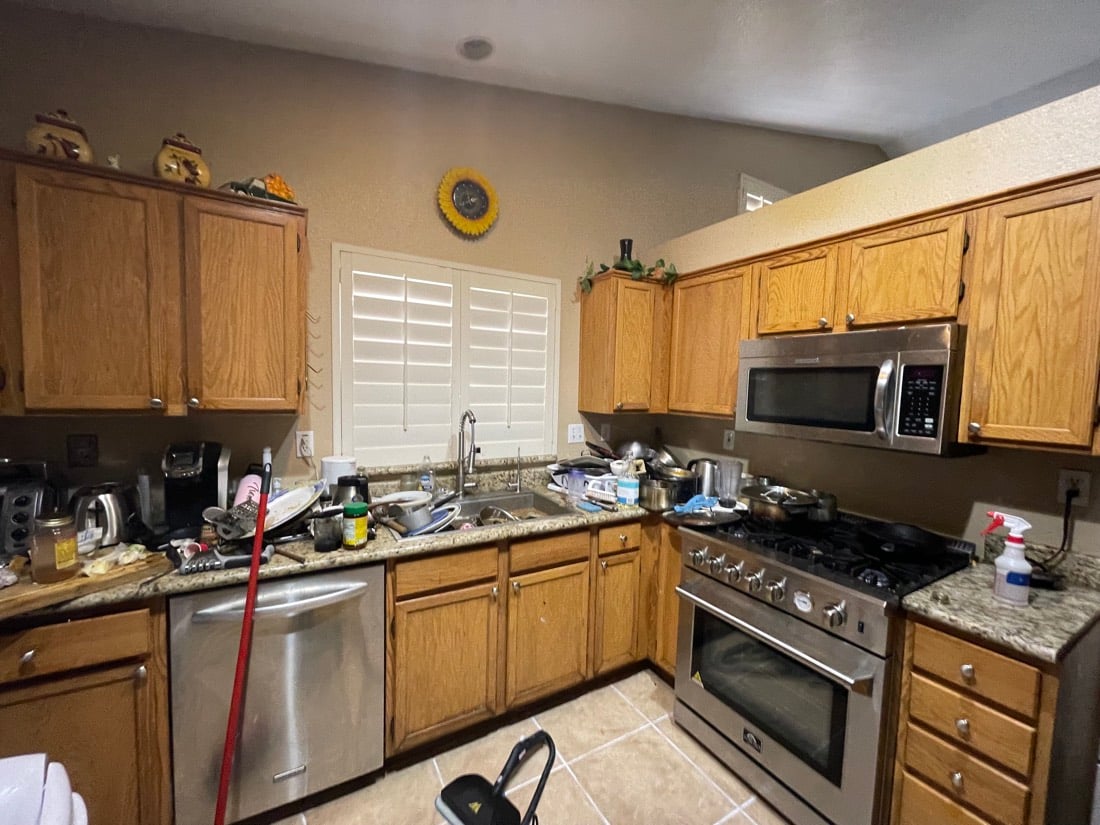
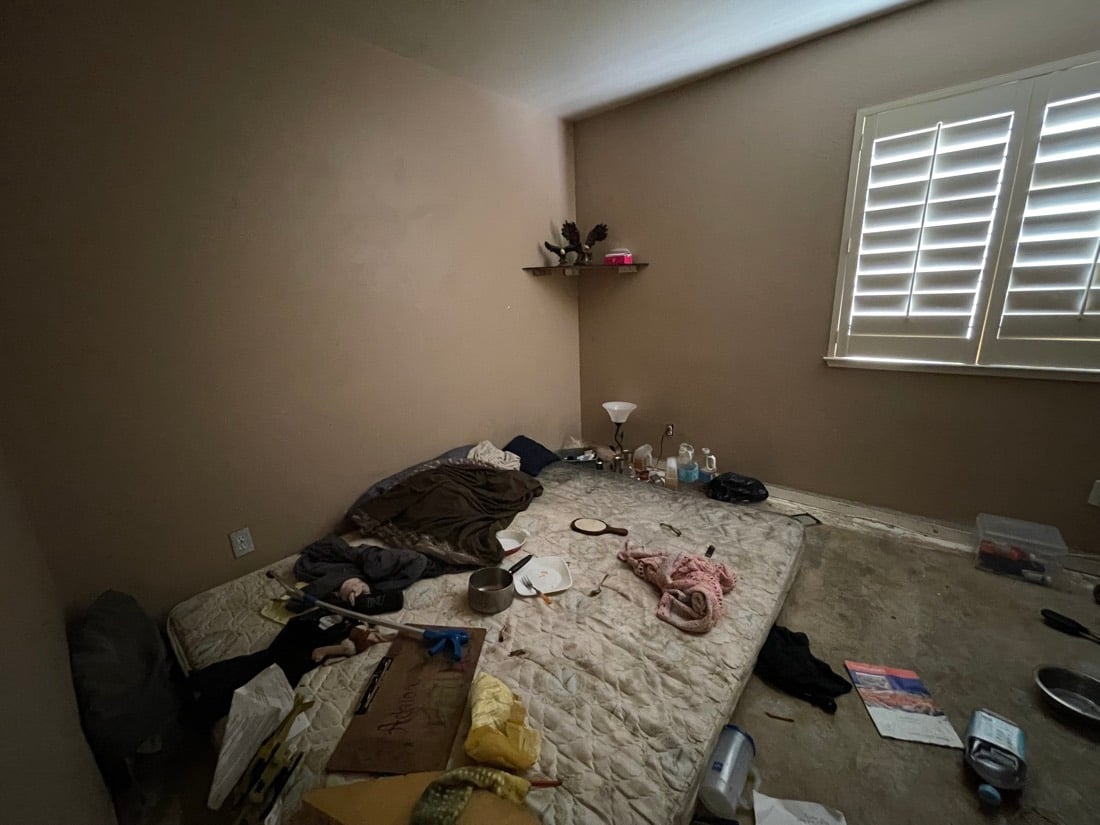
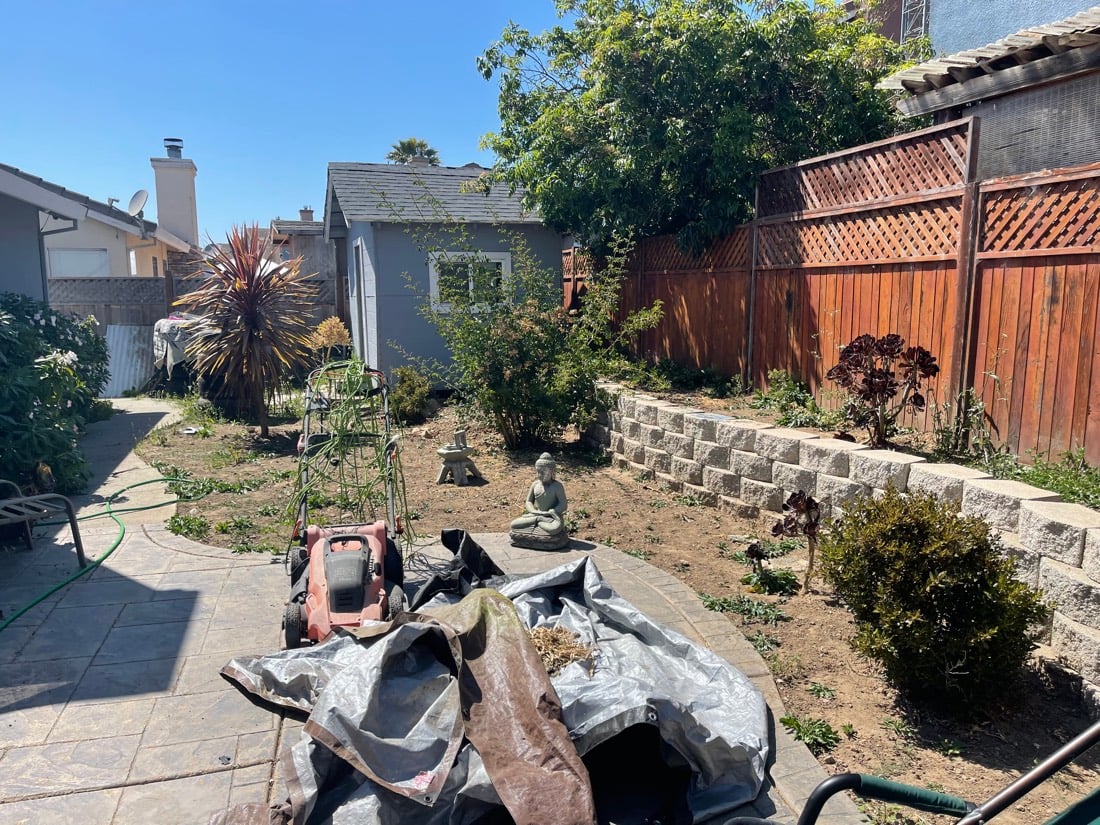
I walked the house on June 21. It was full of furniture and belongings, the lawn had died, the back yard was covered in debris, and several rooms needed new carpet, doors, and smoke detectors. That evening I sent over a 40-item work list.
The plan depended on a home-improvement loan for the owner. The next morning, the loan was denied. Her friend wrote that the loan was the main reason she had signed with me, and asked to be let out of the listing agreement.
I didn’t want them to give up on the house’s value because of a loan denial. So I did two things. First, I tested the as-is market with about 25 active investors. The offers came back at $510,000, $542,000, and $560,000 cash. Second, I found a way to get them the funds they needed for the repairs, so a lack of cash wouldn’t decide what the house sold for. They agreed, and we signed a pre-marketing agreement on July 15.
Chapter 2: Getting the House Ready, Together
The first job was getting everything out of the house. Over several weeks, the owner’s friend packed and labeled what she was keeping, we moved it into storage, and a 20-yard dumpster took the rest. He also took on a lot of the work himself: patching holes, replacing outlet covers and hardware, and cleaning walls.
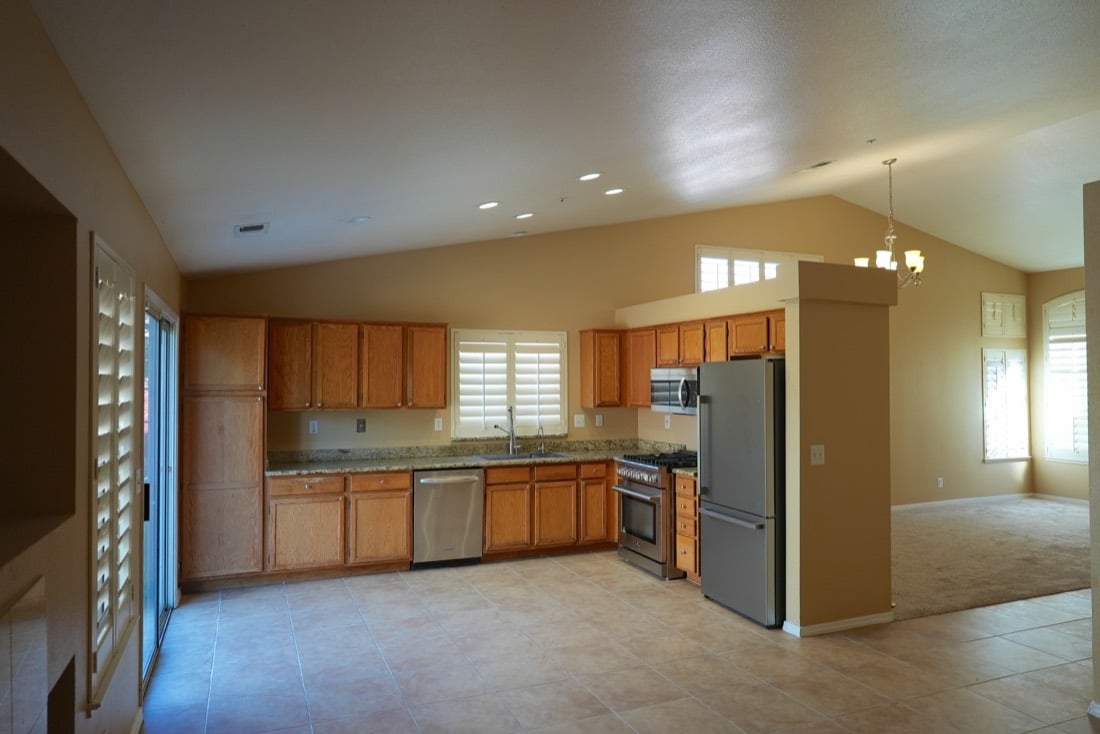
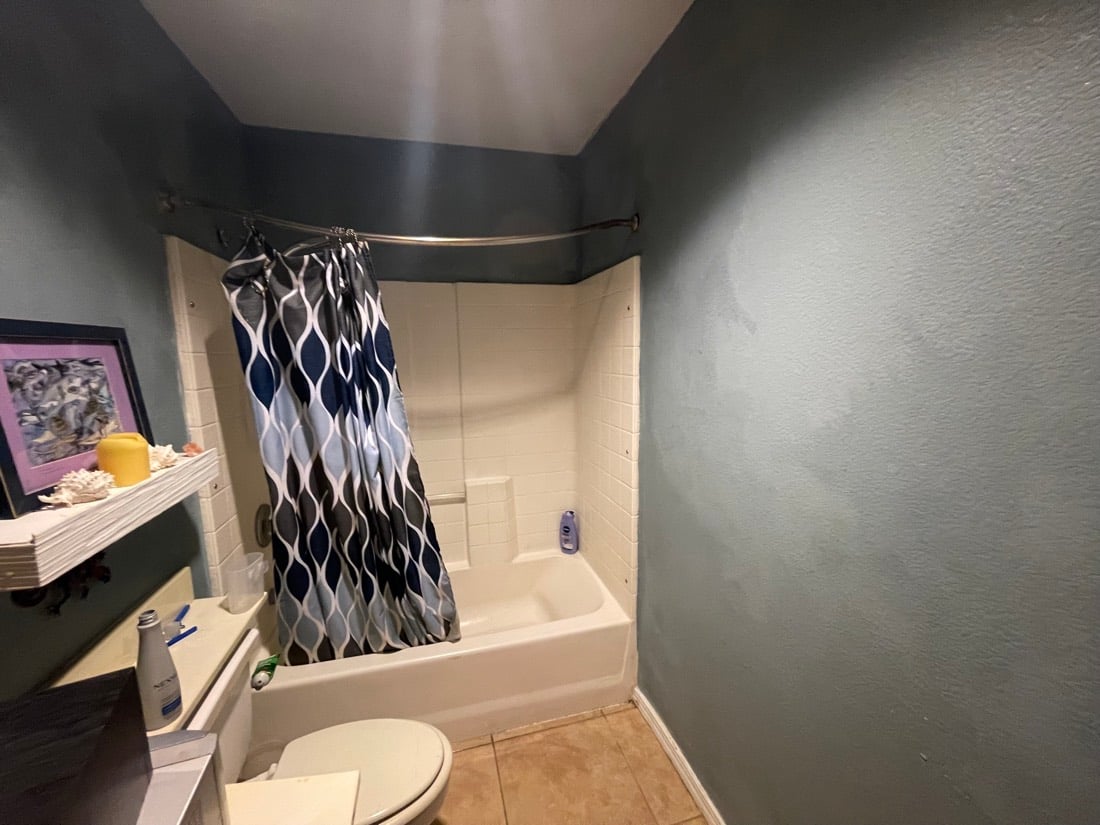
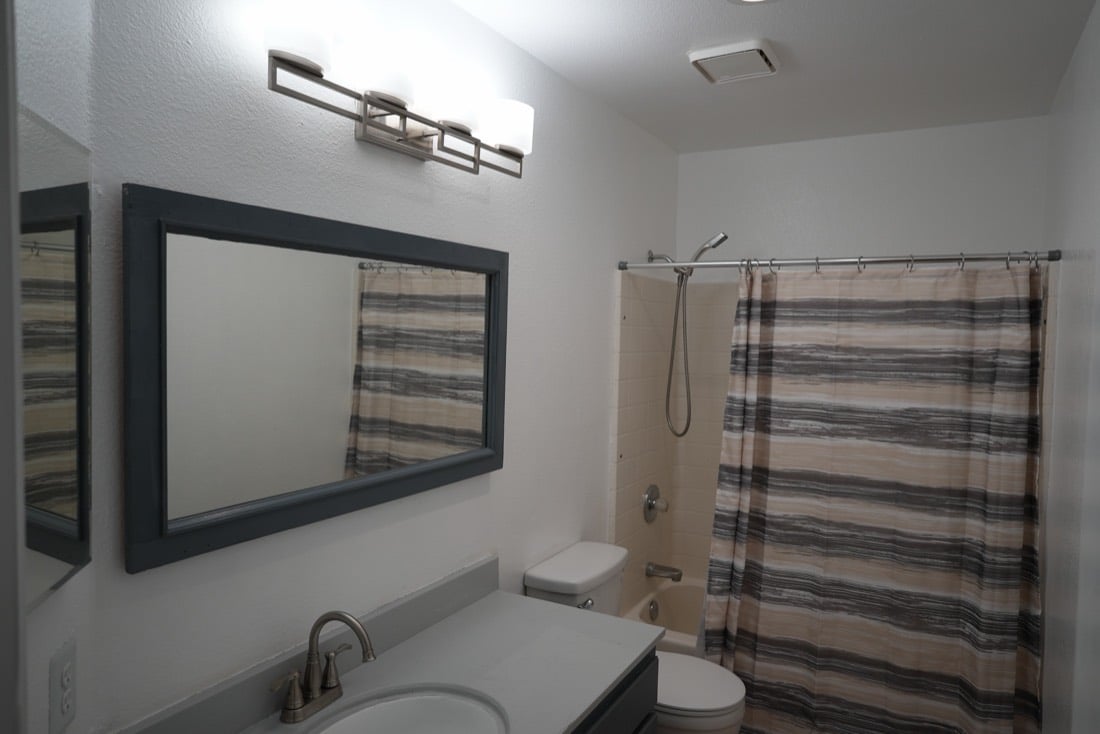
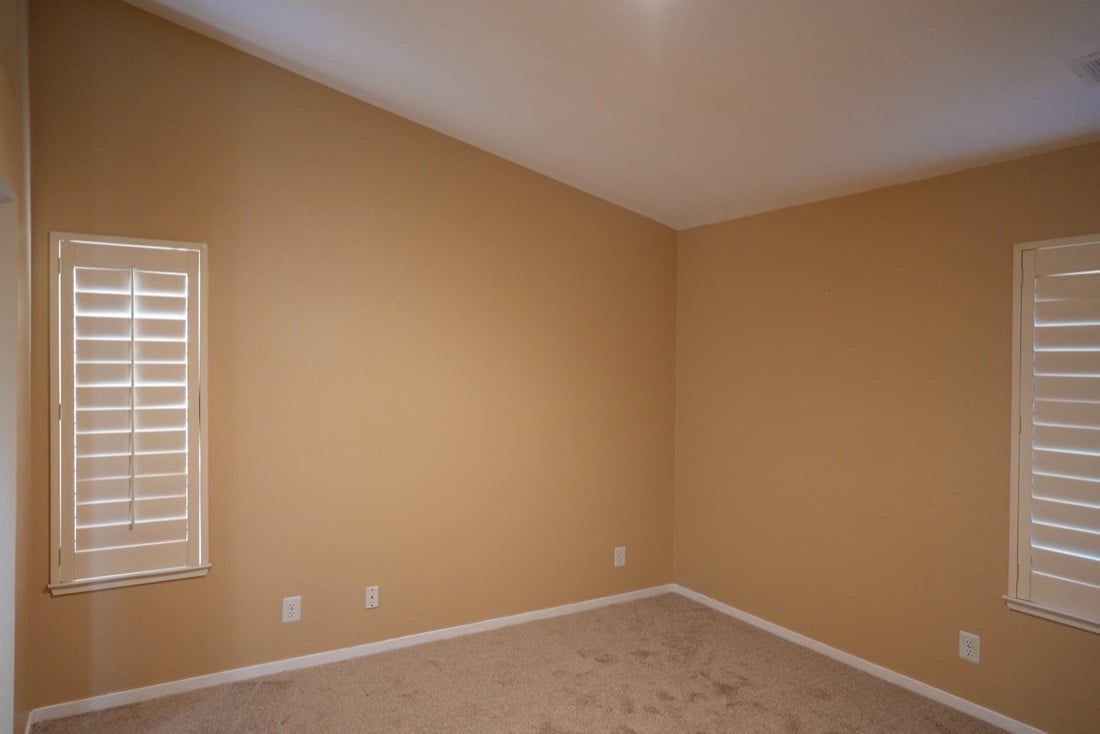
When a painting contractor bid about $20,000 for labor and management, I turned it down. Instead, Felix’s crew and the owner’s friend handled the work room by room, with materials from Home Depot. We added new carpet, new doors, a medicine cabinet and toilet, LED lighting, smoke and CO detectors, and a revived lawn with 40 bags of mulch.
Where the $38,000 Went
| Item | Cost |
|---|---|
| Crew and helper labor | $10,689 |
| Interior painting | $10,000 |
| Materials and fixtures | $5,983 |
| Temporary lodging | $3,584 |
| Hauling and storage | $2,384 |
| Carpet | $2,182 |
| Garage door, city report, misc. | $3,171 |
| Total | $37,994 |
I shared a running accounting with the owner as we went, so she always knew where every dollar was going.

Does your home need some work first?
Let's get it market-ready, and pay for it at closing.
Paint, repairs, flooring and staging, all handled for you through Compass Concierge with nothing out of pocket up front and no contractors for you or your family to manage.
See How It Works →Rather talk now? Call or text 408.413.3087
Chapter 3: Showing a Home People Live In
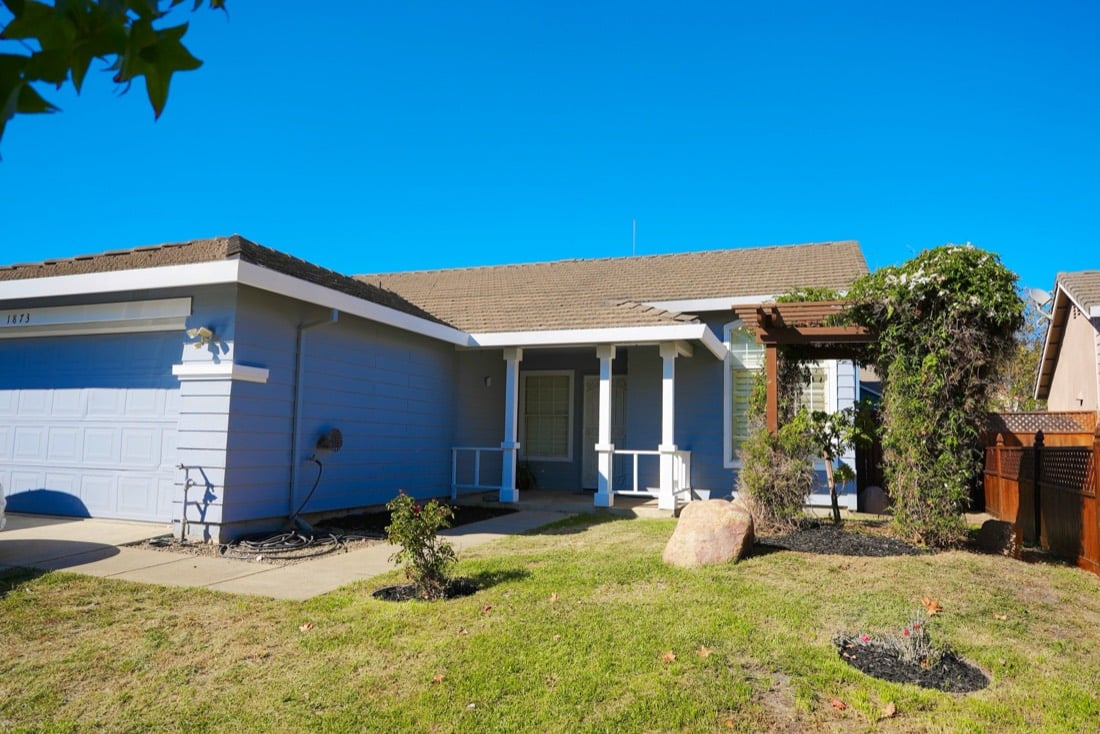
The house went on the market September 15 at $699,975. Interest rates were climbing every week that fall, and showings were slow, so we reduced the price to $650,000.
Selling a house while people are still living in it is hard on everyone. Every showing was coordinated by text, sometimes with only 20 minutes’ notice. I asked the household to step out so buyers could have the house to themselves, to keep it fresh and tidy, and to put personal items away. Some days a showing just wasn’t possible, and we rescheduled.
It paid off. One buyer came back three times. In the last week of October, the showing requests picked up, and on October 27 three offers arrived on the same day.
Chapter 4: The Hardest Conversation
I drove down the next day to go through the offers with the owner in person, and we sent a multiple counter offer to all three buyers that afternoon.
| Buyer | Financing | Offer | Seller Credit | Countered At | Final | Outcome |
|---|---|---|---|---|---|---|
| Buyer A | FHA, 3.5% down | $625,000 | $17,000 | $635,000 | $630,000 | Accepted |
| Buyer B | Conventional, 5% down | $625,000 | $18,750 | — | — | Withdrew |
| Buyer C | Conventional, 20% down | $600,000 | $5,000 | $640,000 | $600,000 | Backup offer |
Buyer A came back at $630,000, which was $5,000 under our counter. The owner’s first answer was no. She wanted $635,000. She was worried that after covering the preparation costs, she would end up with less than if she had sold as-is in June.
That was a fair worry, and it deserved a straight answer. That morning, the second buyer withdrew, and the third would not go above $600,000. I texted her:
“My advice is to take the best offer on the table today, whatever that turns out to be, because the next offers probably will be even lower. We had 3 offers that were all pretty similar. This is what the market is telling you. Listen to it.”
I also walked her through the math: $630,000 with a $17,000 closing-cost credit is really a $613,000 offer, about $18,000 better than the other offer still on the table. I sent her a spreadsheet estimating what she would walk away with after everything was paid. She asked good questions until she was sure she understood it, and then she decided. She signed on October 29, and the runner-up signed on as a backup.
Chapter 5: Holding It Together Through Escrow
The contract called for a 25-day close, which is ambitious for an FHA loan. The weeks in between were the hardest part of the whole sale for the owner, and a lot of my job was simply helping her get to the finish line.
- Day-to-day help. With her money tied up in the house, I made sure she had what she needed during escrow. When closing slipped while I was out of town, I had groceries delivered to the house.
- Repairs. I installed a CO detector myself before the appraisal and had an electrician fix an outlet. The owner chose to replace the broken dishwasher out of her move-out deposit.
- Keeping her informed. When the buyer’s lender pushed closing from November 23 to November 28, then to December 2, then to December 5, I explained each delay as it happened, so it never came as a surprise.
- Saving the deal. In the final days, the buyer’s lender found that the buyers could not receive about $4,300 of their credits. I told the buyer’s side it had to come out of the buyer’s agent’s commission or the deal was off. They agreed, and the owner’s proceeds were not reduced.
When the buyers finally signed their loan documents on December 5, I texted her: “I have never seen a sale not close after the buyer signs loan docs, not in 20 years.”
Chapter 6: “We Are Closed!”
The sale recorded on December 6, and her funds were wired that afternoon. A couple of hours later she wrote back:
“Thank you my wire transfer went through. Thank you for everything, you rock!!”
She had five days after closing to finish moving out. I checked in during the move, offered help, and helped arrange a hotel for the nights between moving out and her next step. After the buyers released her deposit, I picked up the check from escrow and drove it down to her.
Timeline
- June 17: Online request for a cash offer.
- June 21: Walkthrough, listing agreement, and 40-item work list.
- June 22: Home-improvement loan denied. The owner asks to cancel.
- June 23 – July 13: As-is offers from investors: $510K, $542K, and $560K cash.
- July 15: Pre-marketing agreement signed and repair funding in place.
- July – September: Cleanout, storage, repairs, paint, carpet, and landscaping.
- September 15: Listed at $699,975.
- By October 21: Price reduced to $650,000. Showings pick up.
- October 27: Three offers in one day.
- October 29: Accepted at $630,000. Backup offer signed.
- November: Inspection, appraisal, and lender delays.
- December 3: $4,300 credit shortfall covered by the buyer’s agent.
- December 6: Closed and funds wired.
The Takeaway
A cash offer sets a floor, not a price. Investors price in the cost of the work plus their profit. When the owner can’t pay for the work, the right agent can find a way to fund it.
On paper, the house sold for $70,000 more than the best cash offer. After the buyer’s closing-cost credit and the preparation costs, the owner still came out ahead of selling as-is, and she paid nothing upfront to get there.
But the numbers are only part of it. This sale took six months, a lot of patience on both sides, and a lot of texts. It needed someone to stay in it when the loan fell through, give honest advice when an offer felt disappointing, and keep the deal together while the lender kept moving the closing date. That is the job.

Free Guide for Families
Selling Mom or Dad's Home to Pay for Care?
Bay Area assisted living runs $7,800 to $8,300 a month, and the house is usually the only asset big enough to cover it. This guide walks you through timing the sale, who has legal authority to sign, the capital gains rules for seniors in care, and how a sale affects Medi-Cal and VA benefits, so the decision gets made from strength instead of in a crisis.
Read the Family Guide →Senior Friendly Homes in Silicon Valley South
2
3
4
5
6
7
8
9
10
11
12
13
14
15
16
17
18
19
20
21
22
23
24
25