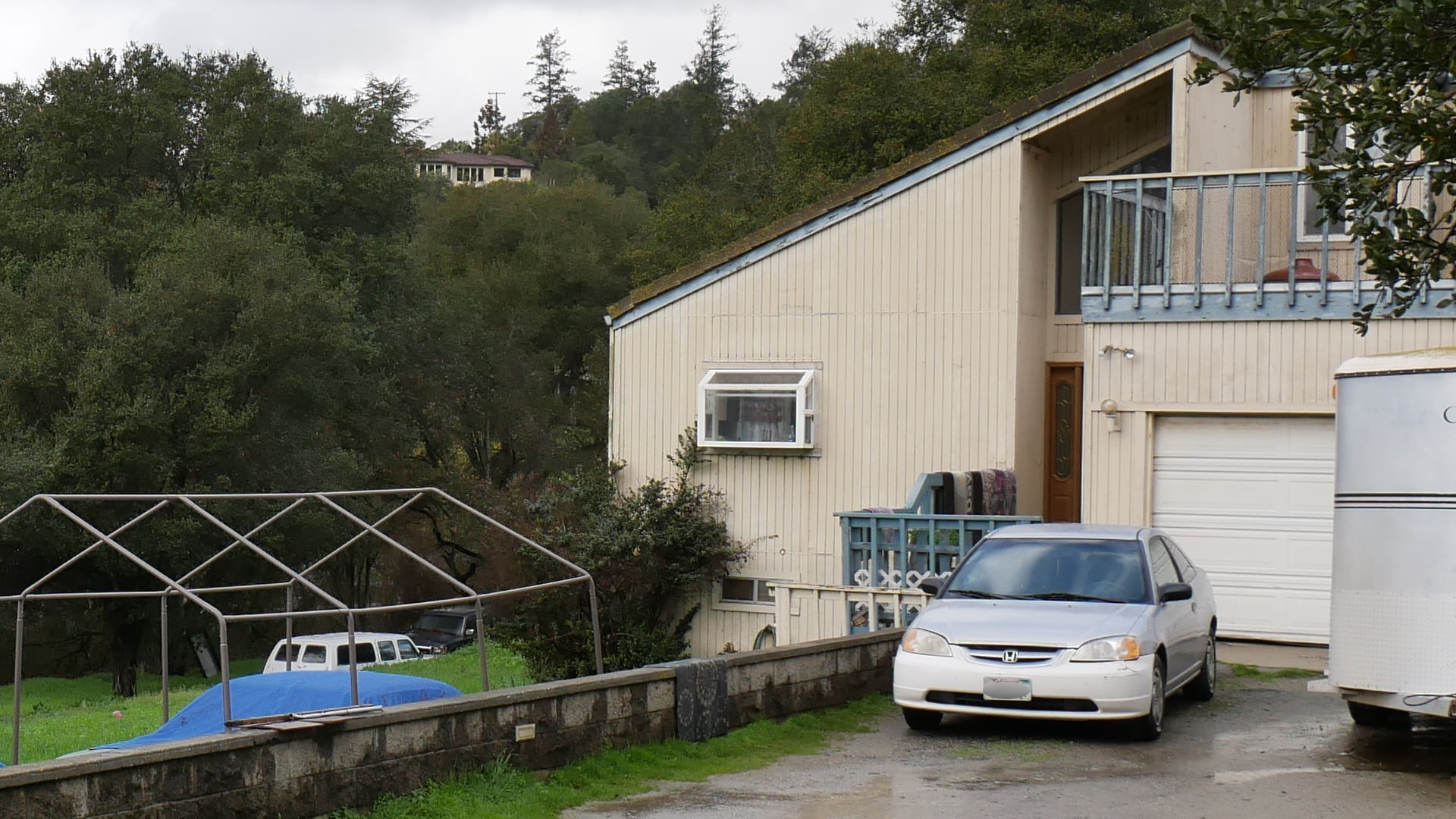
3 bed, 2 bath · 1,656 sq ft · 1.2 acres · Built 1978 · Closed March 22
A family rental owned for more than 30 years, inherited by two heirs who lived in different states, with tenants of 10 years still living in it. The house needed a lot of work, the kind of property that cash buyers would love to buy at a discount. The seller did receive two offers, but both initially came in under the asking price. The seller countered both buyers above asking, at $769,000, and one accepted. The sale closed five weeks after it went on the market, ahead of schedule.
The Results
- Sold for $769,000, $19,025 (2.5%) over the $749,975 list price
- $64,000 more than the winning buyer first offered. That offer was $705,000.
- $49,000 more than the best offer we received, which was $720,000
- 28 groups at the first open house, about twice the usual turnout for a semi-rural home
- Closed March 22, five weeks after listing and more than three weeks before the tenants’ move-out date
- About $25,000 less withheld for state taxes at closing. Instead of 3.33% of the price, only $492 was held back.
- Sold as-is. The buyer paid for the septic inspection.
The Family and the House
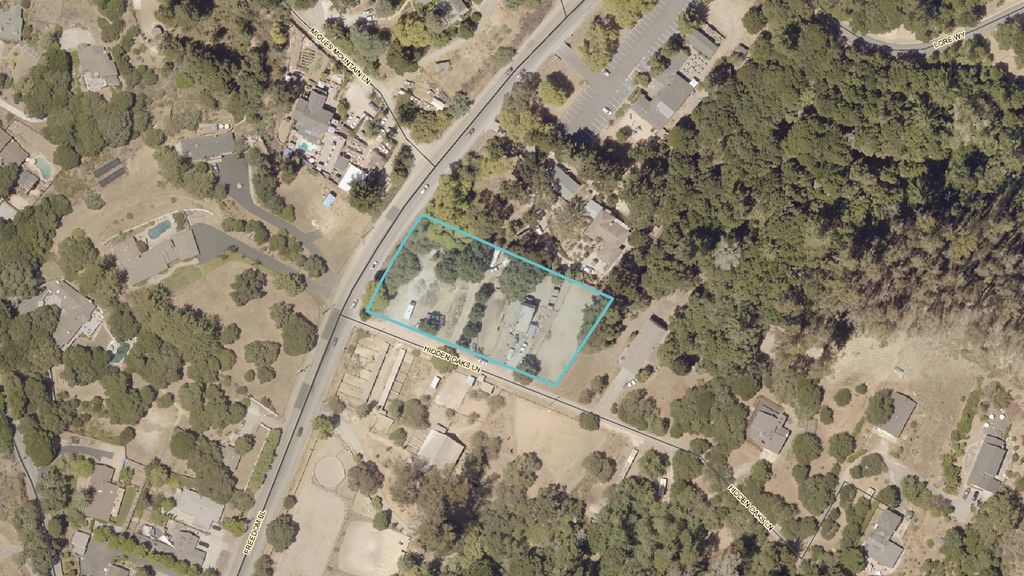
The owner bought the property in 1988 for $230,000. It is a gently sloping, oak-studded 1.2-acre lot down the street from the local high school and a few minutes from the coast, with room for horses and gardens. The house is a 1,656 sq ft split-level with wood cathedral ceilings, a sunken living room, and a rooftop deck off the primary suite.
The owner never lived there, nor did either of the trustees. For decades it was a rental, one of several houses the owner held in the area. In 2013 the owner put the properties into a living trust. After the owner’s death, two heirs took over as successor co-trustees and became equal beneficiaries.
The two co-trustees were in very different positions. One lived nearby and could sign papers in person. The other lived in Washington State and handled the trust’s paperwork from there. Each had their own attorney, as unfortunately there was no trust between them, with decades of bad blood had left them essentially estranged from one another, but both heirs had to approve every step.
The Situation
- Tenants of 10 years. The same tenants had rented the house for a decade at about $2,800 a month. They had been given notice to move out by April 16. The heirs wanted them treated well during their last weeks in the home, and every showing needed 24 hours’ notice.
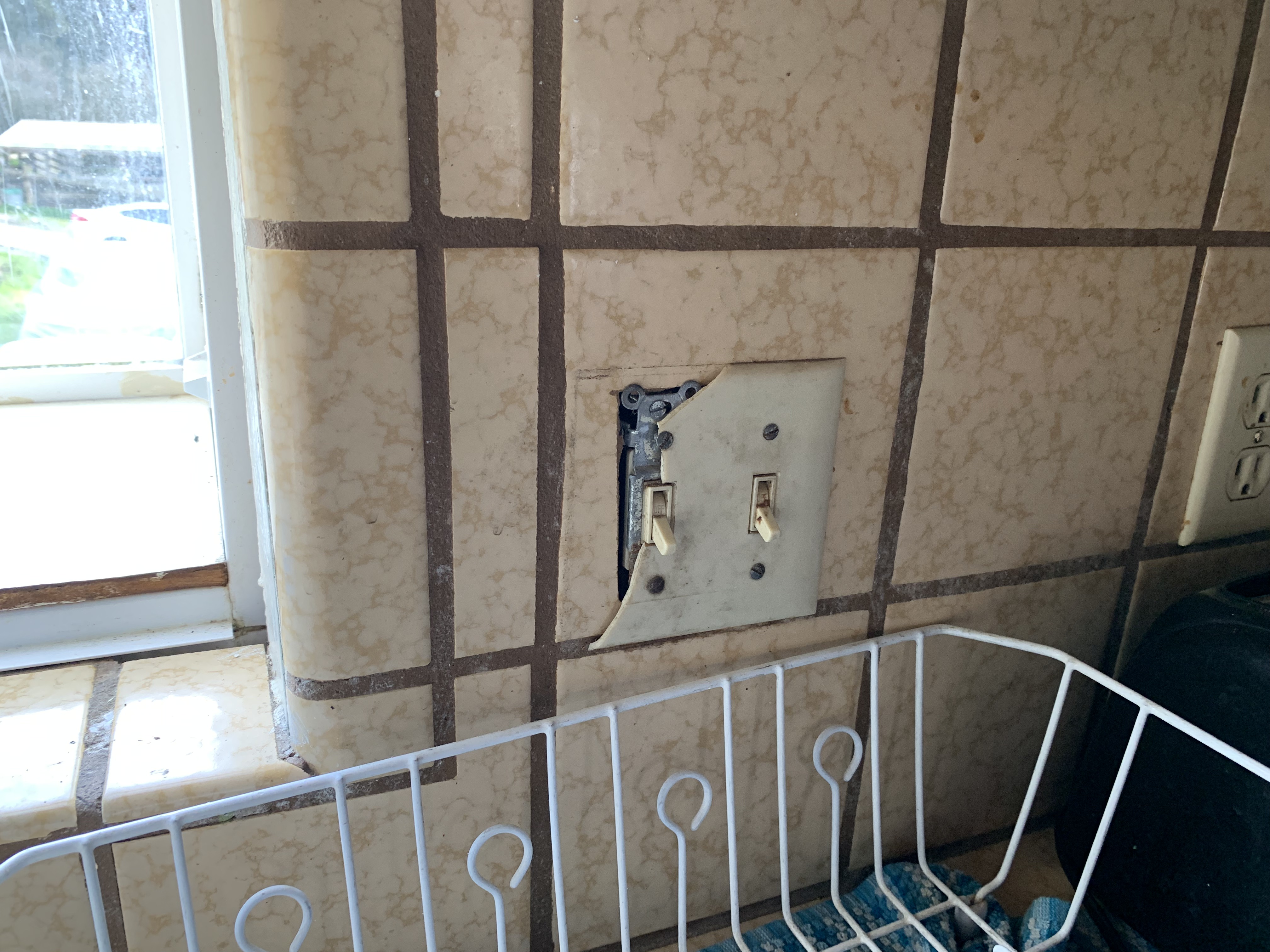
- A true fixer. After decades as a rental the house needed paint inside and out, new flooring, and probably a new roof. The pre-listing inspection also found moisture-damaged siding. I estimated it would take about $150,000 to make it a $1 million home. The trust was selling as-is, as they had no cash to do any of the repair work.
- A trust sale. A trust is exempt from the standard seller disclosure statement, and the heirs had never lived in the house, so they couldn’t answer buyers’ questions from experience.
- Rural paperwork. A septic system, a recorded road maintenance agreement, agricultural zoning, and a horse-boarding stable next door. Buyers, lenders, and title all ask about these.
- The wrong buyer for investors. At $2,800 a month in rent, the numbers didn’t work for investors. Several looked and passed. The buyer would have to be someone who wanted to live there and fix it up.
What We Did
1. Inspect before listing
The co-trustees ordered a full home inspection on January 9, five weeks before the listing. I put together a full disclosure package before the first showing: the inspection, the preliminary title report, the natural hazard report, septic records, the road agreement, and my own visual inspection disclosure. I also had the co-trustees complete the short exempt seller disclosure for trust sales. Two agents had downloaded the package by 9 AM the morning after the listing went live.
2. Price below the comps
The four closest recent sales ranged from $760,750 to $989,000. They sold at an average of $576 per square foot and 98.5% of list price. We listed at $749,975, below all of them and just under $750,000.
3. Market the land, and keep the tenants’ trust
Interior photos of a tenant-occupied fixer don’t help much, so the marketing focused on the acreage: a drone video and aerial photo with the parcel lines drawn in, a property website, a stack of printed flyers, and anotehr flyer showing monthly payments for FHA and conventional loans. I emailed agents and my sphere a “Screaming Deal” announcement. To protect the tenants, showings were set for specific times only: one weekday showing window and one Sunday open house. The tenants cooperated throughout.
4. Hold everyone to the same timeline
Agents called asking to bring offers early. I told each of them we would not go under contract before the Sunday open house, so every interested buyer had a fair chance. There were 17 inquiries over the long Presidents’ Day weekend. The two groups at the first weekday showing each stayed 30 to 45 minutes. Then 28 groups came through the open house, and three asked for the disclosure package.

Free 9-Step Guide for Heirs
The Guide to Selling an Inherited Property with Ease
Nine steps from the day you inherit to the day you close: settling the debts and utilities, clearing the house without losing the keepsakes, getting a real number on value, knowing when you need a probate attorney and a CPA, and which repairs actually pay you back. Every month you hold the house costs property tax, insurance and utilities, so it pays to have a plan before you start.
You're all set. Thanks! The Guide to Selling an Inherited Property with Ease is on its way to your inbox. If you don't see it in a few minutes, check your promotions or spam folder.
5. Keep the heirs informed
Both co-trustees got a written report after every showing and open house, plus a link to an online portal tracking activity. When an updated home three-quarters of a mile away listed at $850,000, I toured it, made a video, and sent the heirs an 11-point comparison. That showed them who would buy each house: buyers with more money wanting move-in ready, and buyers willing to do the work themselves.
6. Don’t take the first offer
The first offer came in 10 days after listing, at $720,000, from buyers who had come to both the showing and the open house. The second came the next day at $705,000. Neither was close to asking. I recommended we wait until the first offer’s expiration date, try to bring in more buyers in the meantime, and then counter at full price or higher. One trustee replied at 2:40 that morning:
“Their offer is low and it is early in the ballgame. I think we can do better. My thinking may change if after a couple of months we haven’t received better offers. So down the road, this offer may seem sweeter, but for now I agree to your plan.”
It took four days, not two months, to have a buyer under contract above asking.
7. Counter both buyers above asking
On February 27 I sent both buyers a Seller Multiple Counter Offer at $769,000, $19,025 over the list price. The second buyer also had to pay for the septic inspection. Late the next evening the second buyer, whose offer had been the lower one, accepted the full counter. The other buyer was undecided, and the remaining interested parties (who had yet to submit an offer) were talking about a contingent offer or $650,000 cash. I advised the heirs to take the committed buyer.
8. Disclose problems as they come up
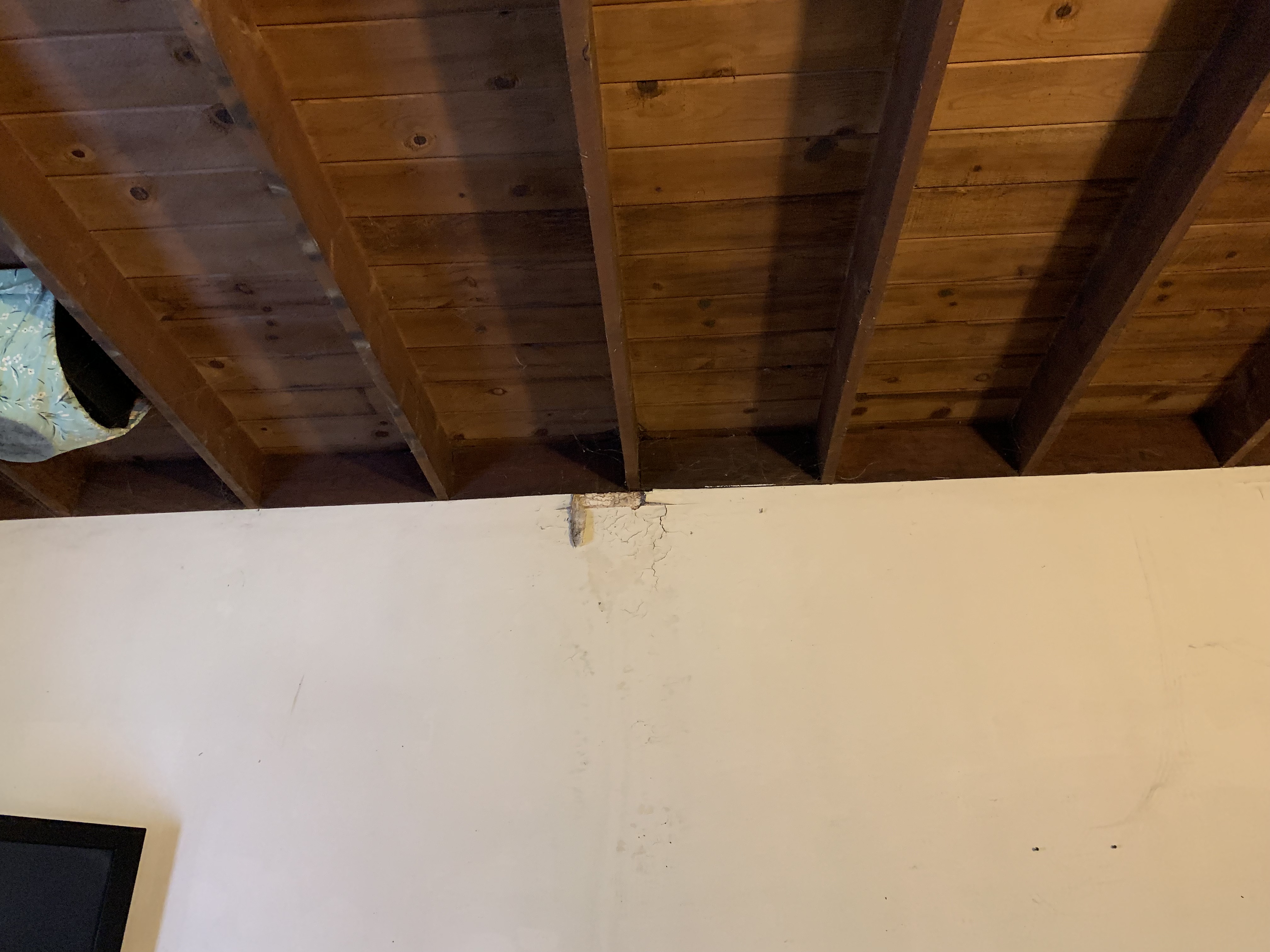
At an open house during escrow, some buyers noted a wet wall above the door into the garage, and what looked like mold on a garage wall. The heirs had already sent a roofer after an earlier storm, but this was apparently a new development. I updated my written disclosure with everything we had seen and had both co-trustees sign it. The buyers stayed in the deal. Their appraiser inspected on March 11.
9. Close early, in two states
The tenants moved out weeks before their April deadline, and everyone wanted to close as soon as possible. That gave us less than a week to finish. The co-trustee in Washington signed with a mobile notary and sent the documents back by FedEx the same day. The local co-trustee signed at the escrow office.
The house had never been the owner’s home, so escrow first planned to withhold 3.33% of the price, about $25,600, for state income tax. Because the trust’s taxable gain was only a few thousand dollars, I worked with escrow to withhold based on the gain instead, which came to $492.
The family wanted this sale to pay off the mortgage on another trust property, but escrow can only pay debts secured by the house being sold. The heirs’ attorneys arranged that payoff outside of escrow. The loan funded and the sale recorded the morning of Friday, March 22.
A Look Inside the As-Is Sale
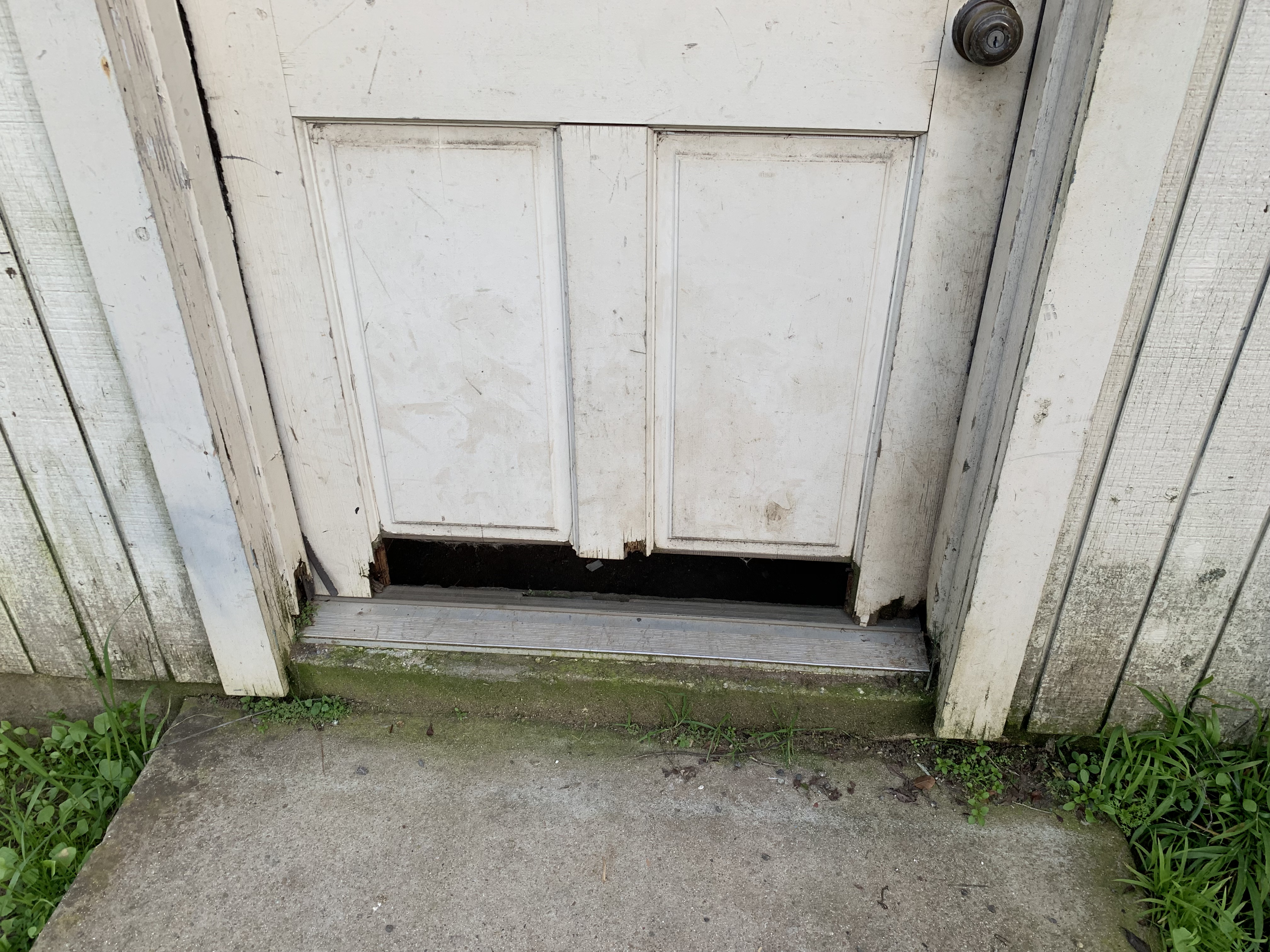
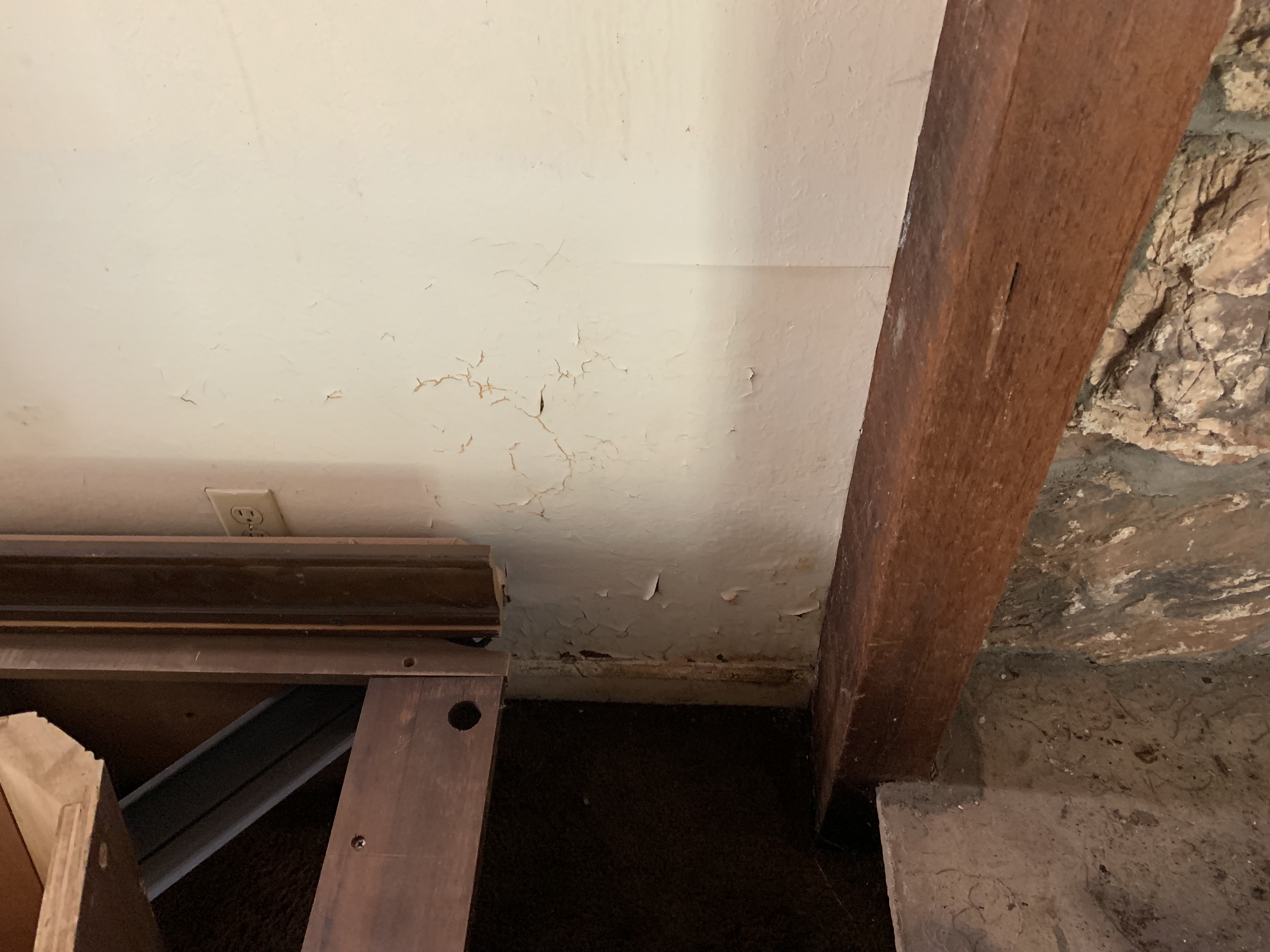
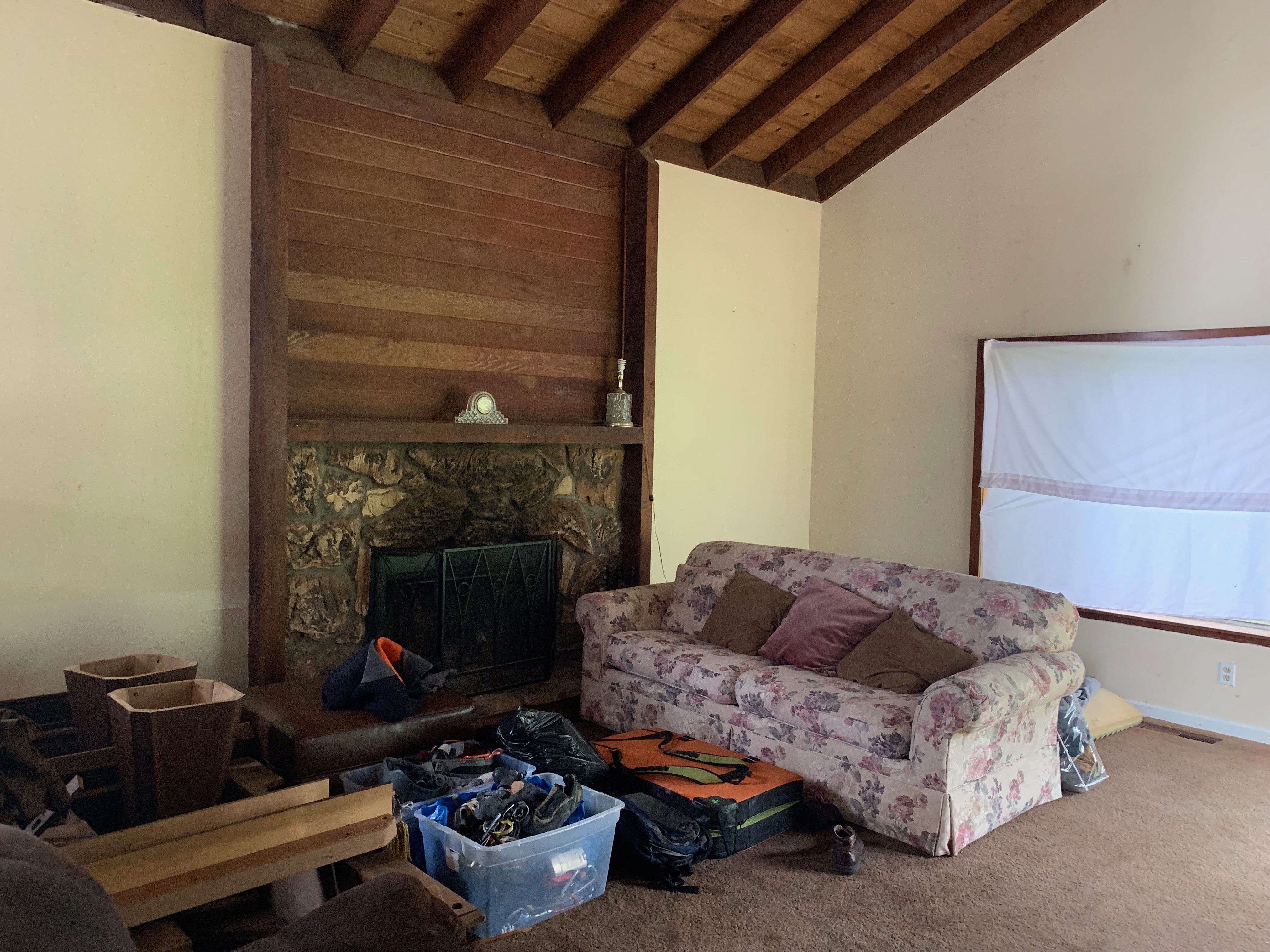
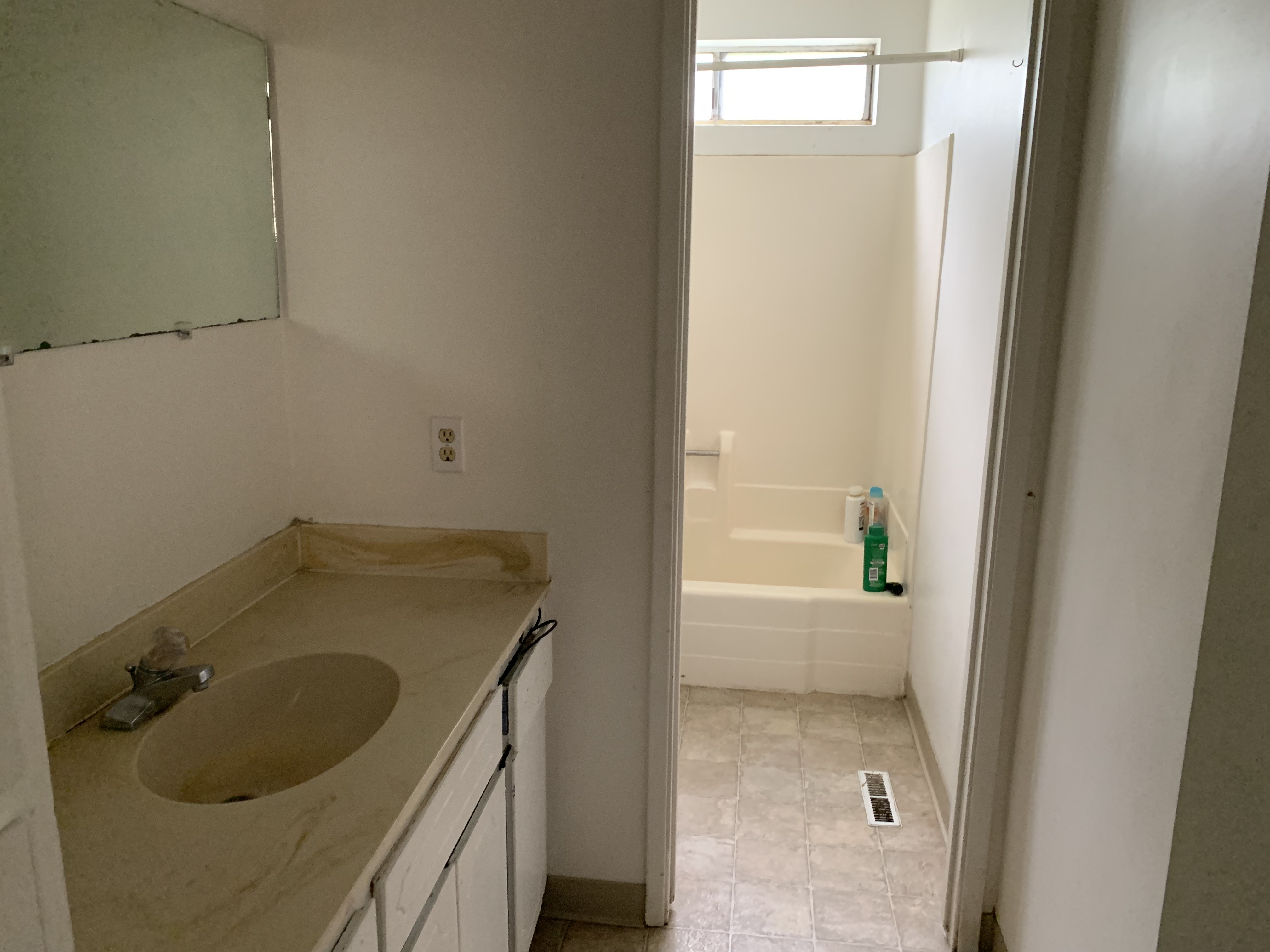
The Offers
| When | Buyer | Financing | Offer | Outcome |
|---|---|---|---|---|
| Feb 25, 2019 | Buyer A | Conventional, 20% down | $720,000 | Countered at $769,000; buyer undecided |
| Feb 26, 2019 | Buyer B | Conventional, 3% deposit | $705,000 | Countered at $769,000 and accepted |
| Mar 1, 2019 | Investor | All cash | $650,000 (verbal) | Declined |
Timeline: Listing to Closing in Five Weeks
Prepare
- January 9: Pre-listing home inspection.
- February 10–13: Market analysis, seller report, and preliminary title report.
- February 15: Listing agreement signed. Live on MLS at $749,975 that evening.
- February 16: Drone video and aerial photos, property website, and flyers. Two agents download the disclosures by 9 AM.
Market
- February 19: First showing. 17 inquiries over Presidents’ Day weekend.
- February 21: Email announcement to agents and my sphere. Title report comes back clean.
- February 24: Open house, 28 groups.
- February 25: First offer, $720,000.
- February 26: Second offer, $705,000. I tour the nearest competing listing and send the heirs a comparison.
- February 27: Both buyers countered at $769,000.
- February 28: Buyer B accepts at 8:47 PM.
- March 1: Both co-trustees sign. Pending.
Close
- March 3: Garage leak found. Disclosure updated and signed March 7–8.
- March 11: Appraisal.
- March 16: Tenants out early. Closing moved up.
- March 18–20: Co-trustees sign, one by mobile notary in Washington and one in person.
- March 22: Loan funds. Recorded and closed at $769,000.
The Takeaway: Two Heirs, Two States, One Decision at a Time
Settling a parent’s or relative’s real estate is rarely just a sale. There are co-trustees who need to agree, tenants who deserve respect, attorneys on both sides, and tax questions most people have never had to answer. Here, both heirs got the same information at the same time, so they could make each decision together, even from different states. The tenants were treated fairly and moved on early. The house sold over asking because we waited for real competition and then countered at the price the land was worth.
The heirs closed in five weeks with no repairs whatsoever (even with an actively leaking roof!), kept almost all of their tax withholding, and received $64,000 more than the buyer first offered.
Free Inherited Home Strategy Session
Inherited Mom or Dad's house? Find out what it will net each heir, and what to do first.
In a 30-minute call, we'll estimate what the house will sell for and what each heir walks away with after selling costs. We'll also sort out whether to sell as-is or do some light prep, and how probate or the trust affects your timing. I'll flag the tax questions to take to your CPA, like the step-up in basis and whether Prop 19 makes keeping it worthwhile. You'll leave with real numbers and a clear order of operations. No listing agreement, no pressure.
Book My Inherited Home Strategy Session →
Senior Friendly Homes in Silicon Valley South
2
3
4
5
6
7
8
9
10
11
12
13
14
15
16
17
18
19
20
21
22
23
24
25