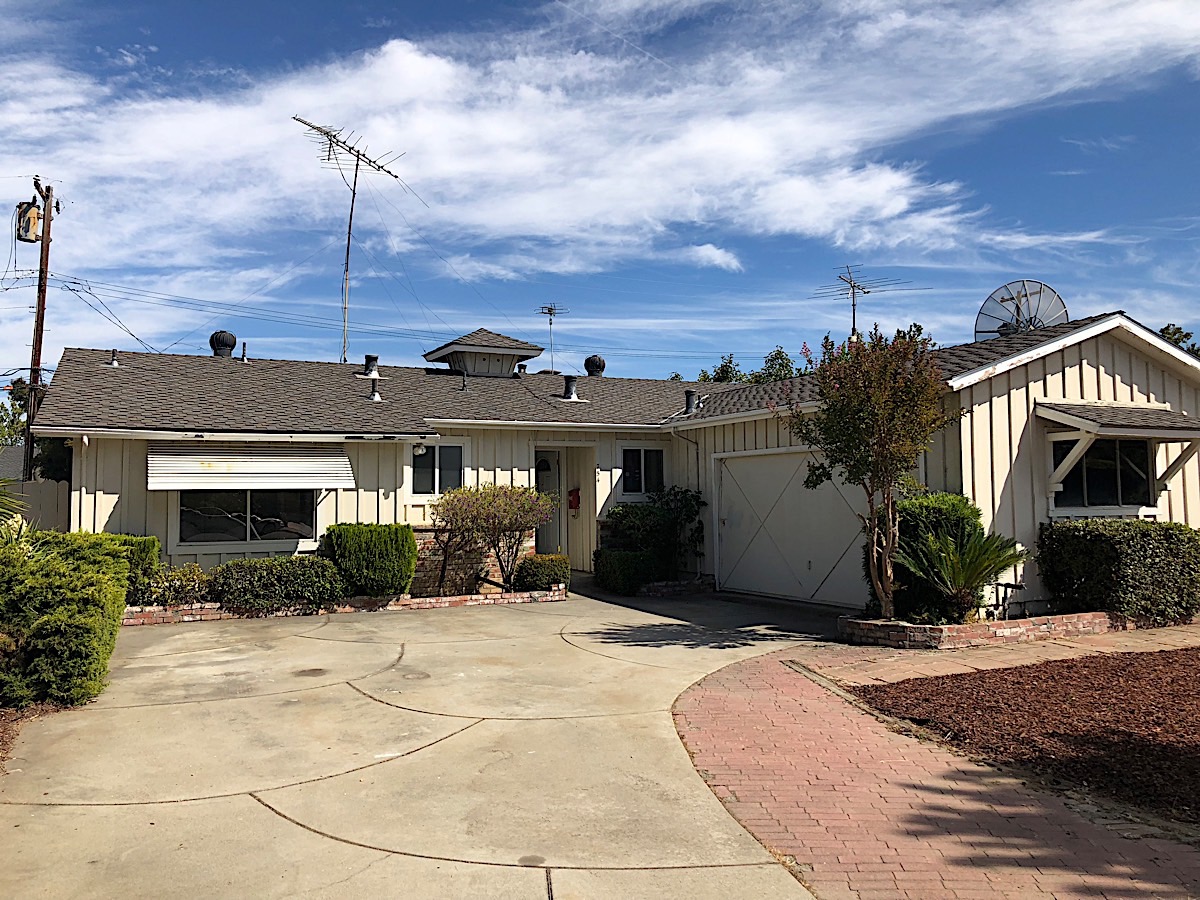
A father who lived in his Strawberry Park home until he died at 90. Four grown children with very different ideas about what was fair. A brother who had lived in the house his whole life, and who had filled two bedrooms, a makeshift room in the garage, and much of the rest of the house with boxes stacked to the ceiling. It took six weeks to empty the house around him, cajoling and persuading him to help empty the house and move the “collection” to off-site storage. The house sold above asking in one week and closed 30 days later, eleven days before the deadline the family was working toward.
The Results
- Sold for $1,260,001, above the $1,250,000 list price
- Under contract in one week. Listed the night of September 12, offer accepted September 19.
- Sold as-is with no repairs. The buyer waived the inspection and appraisal contingencies.
- Closed October 12, eleven days before the October 23 deadline on the family’s next home
- No probate. The house was already in the children’s names, and one sibling held power of attorney for the others, so one signature covered the whole sale.
- $22,514 in clean-up and preparation costs, but the family paid nothing out of pocket
- A date-of-death valuation that the family’s CPA used to cut one heir’s tax bill on the sale to $240 in federal tax
- A referral from the family six years later
The Family and the House
The home is a 1955 ranch house on a quiet street in Strawberry Park in West San Jose. It is in the Moreland School District, within walking distance of Archbishop Mitty, Challenger and Harker, and a few minutes from Santana Row and Apple Park. The family had lived there for decades. The kitchen and both bathrooms were updated in the 1990s and had not been touched since.
In February 2018 I had lunch with the daughter who would end up running the sale and her fiancé. Her father, then 90, was still living in the house. She told me that when the time came to sell, the family wanted me to handle it. She also told me what I would be walking into.
Years earlier her father had built a room inside the garage, without permits, meant to be a bedroom for her brother, who had lived in the house his whole life. As she put it in her first message, he was a hoarder, and the garage room was full to the rafters with his junk. He had also filled two of the three bedrooms with boxes up to the ceiling. Three tool sheds stood in the backyard as well, stuffed with a choice selection of trash, debris, and worthless bric-a-brac.
A popular automated valuation tool said the house was worth $1.5 million. I told her and her fiancé it was more likely closer to $1.3 million in its current condition, and that when the time came we would look for the cheapest improvements that would add the most value.
Sadly, her father died peacefully at home on June 23rd. In July, the family asked me to sell the house.

Capital Gains Calculator
Bought for $180K and worth $2.4M today? See what you'd owe in capital gains tax.
After decades in Silicon Valley, your gain can blow right past the $250,000 and $500,000 exclusions. Plug in your numbers and see your estimated tax bill and how much cash you'll walk away with.
Run My Numbers →The Family
- The daughter who ran the sale, retired after decades in child support services, organized everything. When her father became ill, she had been the one who took over his power of attorney and worked with his doctors. She and her fiancé were buying a home on Clear Lake in Lakeport, and they had to pay for it by October 23.
- Her sister was co-owner of the house.
- Their brother was co-owner of the house and its only occupant. He had not found anywhere else to go.
- A second brother was not on title. Even so, the other three agreed to split the proceeds four ways, as the sister running the sale put it, “to avoid any future disputes or problems.”
The Situation
- A hoarder house with someone still living in it. The house could not be shown, inspected or even properly assessed until it was emptied. The brother living there had nowhere else to go, and the move was hard for him.
- Ownership no one was sure about. The family thought the house was in their father’s trust, so there might be a probate or trust process to go through. Nobody knew who needed to sign.
- Judgments on title. The preliminary title report showed two judgments against the brother living in the house. They had to be paid off before the sale could close.
- Family tension over money. The sister running the sale felt strongly that her brother’s belongings and his motel bills should come out of his share, not hers or her sister’s. Every expense had to be tracked well enough to settle that fairly.
- A hard deadline. The sister running the sale and her fiancé had to pay for their Lakeport home by October 23. Early in July, the house was full and no one had decided anything.
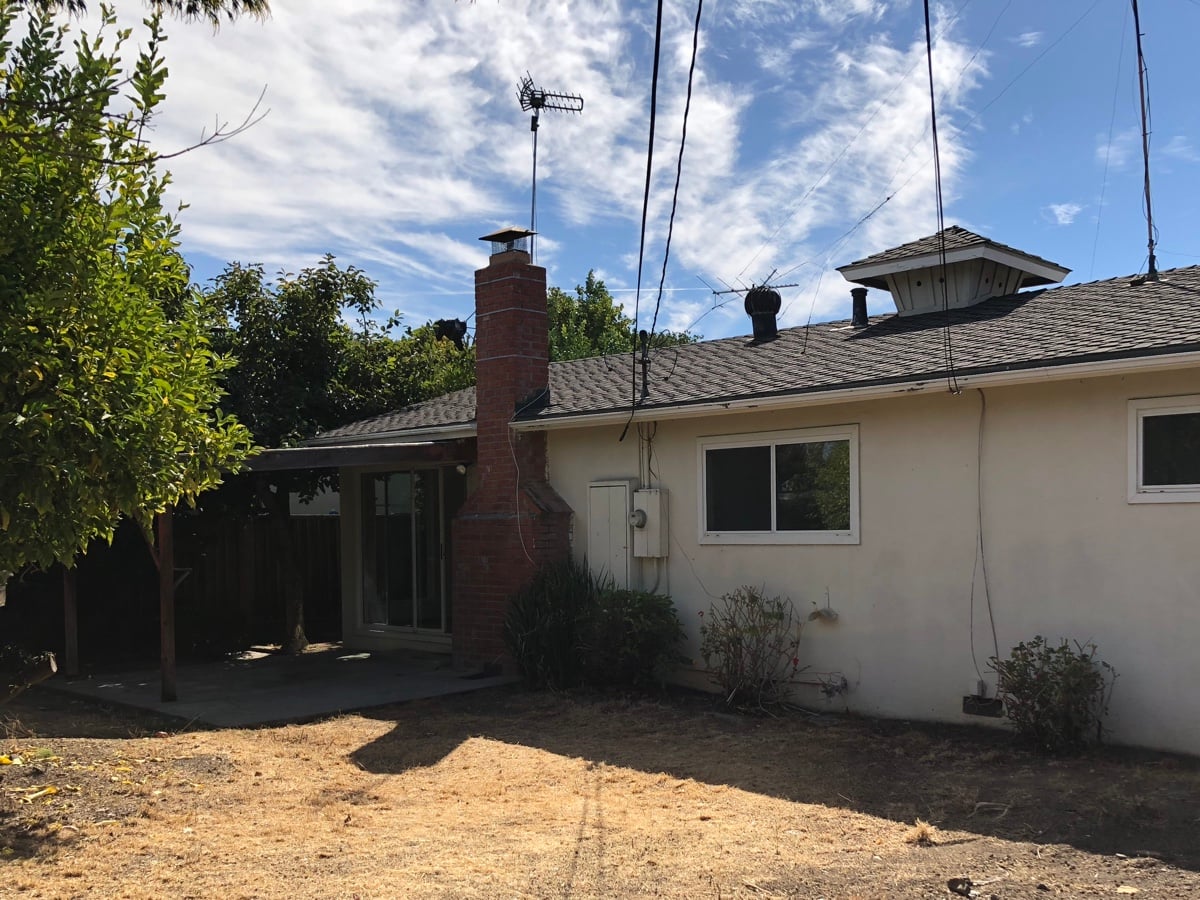
Back Yard of he Home
What We Did
1. Found out who actually owned the house
I opened escrow early and asked for a preliminary title report. On July 13 the escrow officer called back with news that changed the plan. The house was not in the trust. A 2004 grant deed had already transferred it to both daughters and the son who lived there, with their father keeping the right to live there for life. With that deed, there was no probate and no trust administration. The three of them could sell the house directly.
The deed also had tax consequences. The brother who lived there could use the exclusion for selling a primary residence. His sisters could not, so I told them to talk to a tax professional before the sale.
2. One signer for three owners
With three owners and one of them in a difficult place, signing every document three times would have meant months of chasing signatures. I asked escrow to prepare powers of attorney naming the sister running the sale for both her sister and her brother. On July 17, she took them both to lunch and then walked them into the title company without an appointment. The escrow officer met them and notarized both powers of attorney on the spot, and the notary fees went on the escrow bill. Two days later she e-signed the listing agreement for all three owners.
3. Kept the house off the market until it was ready
MLS rules require a listing to be posted within 48 hours of signing unless the seller signs an exclusion. We signed the exclusion. Nobody would see the house until it was ready, and the brother would not have buyers walking through his room while he still lived in it.
4. Started on the judgments right away
Title requested payoff amounts on the brother’s judgments on July 19. The first came back the next day at $13,492.28. I sent each figure to his sister as it arrived so she could keep track of what would come out of his share. Both were paid off through escrow at closing.
5. Helped the brother move out, one step at a time
Early in July I met the brother at the house. He agreed to start clearing his rooms and to call me in three weeks to tell me how it was going. Three weeks later he had made some progress on the bedrooms but had not started on the garage. He had been looking for a place to live, and nothing had worked out.
I called him every day until I reached him. We agreed on a date, August 6, for the hauling crew to start, which gave him time to take what he wanted to keep. If he did not find a place by then, the plan was a motel, and that is how it worked out. I booked him into a motel in San Jose on August 27 and moved him to an extended-stay motel when that booking ended. He stayed there about four weeks in total.
6. Cleared the house and took down what had to go
Between August 6 and August 31, two crews made nine hauling trips. They emptied the bedrooms, the garage and the yard. They also took down the unpermitted room in the garage and the storage sheds in the backyard. Hauling and demolition cost $11,825, more than half of the total we’d spend preparing the home for market.
The brother’s old room had one more surprise. Once the boxes were out we could see the back wall, which was covered in plastic stick-on wood paneling. When we pulled it off, the wall underneath was covered in glue. Later, the painter scraped it, re-textured it and painted it to match the rest of the house.
Free Executor Checklist
Inherited a Home in Silicon Valley? The Executor's First 30 Days
A plain-English checklist for adult children and executors that covers how to secure the house, what not to throw away, whether you're dealing with a trust or probate, and the tax questions to ask before anything gets listed or cleared out.
You're all set. The Executor's First 30 Days checklist is on its way to your inbox. If you don't see it in a few minutes, check your promotions or spam folder. And if you have questions in the meantime, you're welcome to call or text Seb at 408.413.3087.
7. Spent money only where buyers would notice it
Besides the clear-out, preparation cost $7,853: paint inside and out ($3,800), handyman repairs ($1,280), yard clean-up ($1,200), new light fixtures, door handles, a thermostat and smoke detectors ($493), cleaning ($300), and pre-listing home and termite inspections ($780).
When we pulled up the old carpet, we found hardwood floors underneath. Refinishing them was bid at $3,300 and would probably have come to around $4,000 once we found the damaged spots. It would also have delayed the listing, with the family’s deadline coming up. I advised against it. The floors already looked far better than the carpet had, and most buyers in this neighborhood planned to put in new flooring anyway. We put the refinishing bid in the disclosure package so buyers could see the cost for themselves.
8. Inspected first and disclosed everything
The home and termite inspections took place on August 31, the first day the house was empty enough to inspect. The inspector found ungrounded outlets, no GFCI protection in the kitchen, a broken garage door spring and a gap around the fireplace insert. The termite report listed items needing repair.
Because the owners had not lived in the house, I walked the sister running the sale through the disclosure forms one question at a time. The rule for those forms is to answer to the best of your knowledge, and to mark “don’t know” when you don’t know. By September 16 buyers had a 23-document package online. It included both inspections, the natural hazard report, preliminary title, City of San Jose permit records, my own visual inspection, the flooring bid, and the disclosure required by law that the previous owner had died at the property.
9. Timed the launch to the market
When we listed there was not a single other home for sale in Strawberry Park. Around the corner, a house on Blackford had sold in June for $1.29 million, with seven offers, all cash, closing in 12 days. I pulled its full disclosure package for comparison; that home appeared more recently updated with considerably less deferred maintenance. Working back from the family’s October 23 deadline, the plan was to list the evening of September 12, take offers by September 20, and close in less than 30 days.
The list price was set at $1,250,000, and the flyer sold what the house actually had: a classic ranch with good bones in a top school district, ready for its next owner to make it their own. The sister running the sale finished signing the last disclosures at 10 PM on September 12, and the listing went live on the MLS that night. She wrote:
“I want to thank you for all your hard work and patience with [my brother] in addition to all the work you have completed for us.”
10. Took the offer with the fewest ways to fall apart
On September 19, one week after listing, we received an offer at $1,260,001. It was above asking, as-is, with no inspection or appraisal contingency, more than 25% down, a 3% deposit within one business day, and no repairs or home warranty requested. All three owners’ signatures, through the sister holding the powers of attorney, were on it that night. When I sent her the signed contract the next morning, she replied:
“TOTALLY AWESOME!!! You ROCK… Thank you sooo much!!!”
11. Settled the cost split before it became a fight
When the estimated closing statement came out on September 24, the family had to decide who paid what. The sister running the sale believed the cost of her brother’s belongings and his motel stays should come from his share. To give the family exact figures to work from, I broke the costs into three numbers: $11,825 for hauling, $2,836.44 for the brother’s lodging, and $7,853.03 for everything else. The siblings settled the split among themselves, escrow charged each share as agreed, and the brother’s share carried the largest part. On September 27, his sister approved the seller’s statement for all three owners.
12. Held the closing date when the buyer’s loan stalled
In early October the buyer’s agent asked for more time on the loan contingency. When he didn’t return my calls, I called the lender directly. The lender was waiting on a signed lease and a tenant deposit for the buyer’s current home, which he would be renting you and moving into this one. The lender also wanted to push closing back to October 15. I took this to the buyer’s agent in writing and kept at it. The buyer removed all contingencies on October 6, which made the deposit non-refundable, and the lender cleared the loan to close on October 9.
The sister holding the powers of attorney was out of town for two of the last three days, so I scheduled her signing for Thursday, October 11, at 11:30 AM, ninety minutes after the buyers signed at 10:00. The sale recorded on the afternoon of Friday, October 12.
Free Executor Strategy Call
Before you clear out the house or sign a listing, let's map out what comes next.
When a parent's home is left in your hands, the most expensive mistakes tend to happen in the first few weeks, long before anyone has a plan. Paperwork gets tossed, the insurance on a vacant house lapses without anyone noticing, or the home gets listed before anyone knows whether the sale needs court confirmation. In 30 minutes we'll talk through whether you're working with a trust or probate, what the house really needs before it sells and what it doesn't, how to keep everyone in the family on the same page, and a realistic timeline, so you can make good decisions without feeling rushed.
Book My Executor Strategy Call →
The Offer
| Date | Price | Financing | Contingencies | Other Terms |
|---|---|---|---|---|
| Sep 19, 2018 | $1,260,001 | Loan, 25%+ down, pre-approved, proof of funds | Inspection and appraisal waived; loan contingency removed Oct 6 | As-is, no repairs, no home warranty, 3% deposit in 1 business day |
Timeline: From the First Lunch to the Referral
Prepare
- February 27: Lunch with the daughter and her fiancé. First valuation: $1.3–1.35 million as-is.
- June 23: The father dies at home, at 90.
- Early July: First meeting with the brother at the house.
- July 13: Title shows the children already own the house through a 2004 deed, so no probate is needed. Two judgments against the brother show up on title.
- July 17: The other two owners sign powers of attorney naming the sister running the sale, as walk-ins at the title company.
- July 19: Listing agreement signed. House held off the MLS.
- July 20–27: First judgment payoff ($13,492.28) received. Daily calls to the brother. Clear-out set for August 6.
- August 6–31: Nine hauling trips. Garage room and backyard sheds taken down.
- August 27: The brother moves into a motel. He stays about four weeks in two motels, paid for through the sale.
- August 31: Home and termite inspections. Paint and yard work begin.
- September 11: Full accounting sent to the family: $22,514.47, paid by me, to be repaid at closing.
Market
- September 12: Disclosures signed. Live on the MLS that night at $1,250,000.
- September 16: 23-document disclosure package online.
- September 19: Offer accepted at $1,260,001, as-is, with no inspection or appraisal contingency.
Close
- September 24–27: Cost split worked out among the siblings. Seller’s statement approved.
- October 3: Buyer asks to extend the loan contingency. Lender issue found and resolved.
- October 6: All buyer contingencies removed.
- October 9: Lender gives final approval to close.
- October 11: Buyers sign at 10:00 AM, the sister holding power of attorney at 11:30 AM.
- October 12: Recorded and closed at $1,260,001.
After
- October 23: Celebration lunch with the sister and her fiancé. They move to Lakeport two weeks later.
- February 2019: Value estimates provided for her mother’s and father’s dates of death, for the family’s CPA.
- January 2025: The sister who ran the sale refers her other brother.
After the Sale
The following February, the sister’s CPA in Lakeport asked for two documents: an estimate of the home’s value on the day their mother died in 2006, and on the day their father died in June 2018. I prepared both. I valued the house at $1,275,000 as of the father’s date of death, a little above our sale price, because the market had been stronger in early summer than in the fall.
Her CPA used those estimates in preparing her return. Two months later she wrote to tell me that on her share of the sale she owed the IRS just $240, and the state owed her a refund. Her sister, who had already filed, was meeting with a CPA about amending her return.
“I’m just happy that we hired you to sell our house after Dad passed.”
In January 2025, more than six years after closing, the sister who ran the sale introduced me to her other brother, who was thinking about relocating from San Jose to Monterey County:
“I was happy to give you the referral to my Brother cause you’re a great realtor.”
The Takeaway: The House Was the Easy Part
The sale itself was simple: one week on the market, one strong offer, and 30 days to close. Everything before and around it was about people. A father who stayed in his home until the end. A brother who had never lived anywhere else and had to leave everything at once. A sister who had cared for their father, was ready to start her next chapter, and wanted to be treated fairly. And four siblings who had agreed to share equally even though only three were on the deed.
What made it work was taking each problem in order. We confirmed ownership before planning anything else. We arranged things so one person could sign for everyone. We gave the brother time, then a firm date, then somewhere to stay. I covered the costs so money never held anything up, and kept the receipts so the family could settle the split fairly. Then we disclosed everything about the house, so a buyer could commit with no contingencies. The family closed above asking, before their deadline, without paying anything out of pocket. Years later, they’re still sending me family.

Free 9-Step Guide for Heirs
The Guide to Selling an Inherited Property with Ease
Nine steps from the day you inherit to the day you close: settling the debts and utilities, clearing the house without losing the keepsakes, getting a real number on value, knowing when you need a probate attorney and a CPA, and which repairs actually pay you back. Every month you hold the house costs property tax, insurance and utilities, so it pays to have a plan before you start.
You're all set. Thanks! The Guide to Selling an Inherited Property with Ease is on its way to your inbox. If you don't see it in a few minutes, check your promotions or spam folder.
Senior Friendly Homes in Silicon Valley South
2
3
4
5
6
7
8
9
10
11
12
13
14
15
16
17
18
19
20
21
22
23
24
25