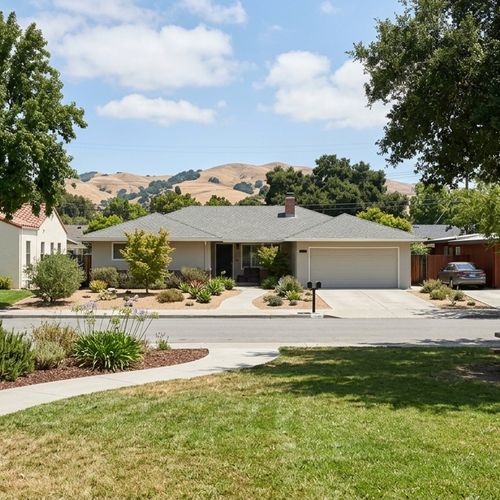
The signs that a parent should move usually show up in the house itself. Rooms sitting empty. Yard work piling up. A second-floor bedroom that stopped getting used months ago.
Making the decision means weighing the physical toll of the house against the financial reality of moving. In Silicon Valley, CA, the current real estate market also plays a role in when a transition makes the most sense.
Key Takeaway
It's usually time when the house costs your parent more effort and money than it gives back: stairs they avoid, rooms nobody uses, repairs that keep slipping. In Silicon Valley, the market adds a reason not to wait too long. The family house is still the fastest-selling home type, while condo prices have fallen sharply over the past year, which gives a downsizer room to negotiate on the next place. If a condo's shared walls or HOA rules don't fit, a townhouse is the middle option.
Who This Guide Is For
You're watching a parent's Silicon Valley house get harder to keep up and trying to decide whether it's time to raise selling it and moving somewhere smaller.
Deciding When to Move
In Silicon Valley, the household signs tell a family whether a parent should downsize, but the market currently rewards acting on them. Single-family homes are selling in a median 15 days at 103.3% of list price with 1.7 months of supply. Condos sit a median 46 days with 3.6 months of supply and are down 12.1% year over year.
A parent selling the family house is selling into the tightest segment and buying into the one where buyers have room to negotiate (based on the 30 days ending 2026-09-30). No single sign decides it. A cluster of signs, sustained over months, is what matters, and the decision belongs to the parent.
Is your parent avoiding parts of the house, such as the stairs, the yard, or whole rooms? If yes, look at how the house has become hard to live in. Are repairs being put off, or is your parent paying someone for nearly every upkeep job? Look at the financial signs, then read about selling with deferred maintenance.
Would the next home be one your parent owns outright, or a community with services on site? For owning, consider a condo or townhouse. For services, read the senior living options guide. To buy before the family house sells, read about buying and selling at the same time.
When the House Requires Too Much Effort
You might notice stairs that are avoided, or a bedroom moved downstairs to get around them. According to the CDC, falls are the leading cause of injury for adults ages 65 and older. Over 14 million older adults report a fall every year, resulting in about 9 million fall injuries.
Rooms closed off, used only for storage. Yard work, gutter cleaning, and exterior maintenance that used to get done now sitting untouched. The house is being lived in at partial capacity while being maintained at full size.
A house that only works with a car means errands and appointments depend on someone else driving. Some of these issues can be fixed in place. You can get contractor quotes for accessibility changes like a stair lift or bathroom grab bars before deciding between modifying the home and moving.
When the Home Costs More than It Returns
Repairs being put off, such as a roof replacement, HVAC service, or plumbing fixes, signal that the house is becoming a financial burden. Your parent might also be paying for help with most upkeep tasks, while seeing rising insurance and utility costs. Gather the last two years of repair and upkeep receipts to see what the house costs to maintain.
If the house needs significant work, review the guide for selling with deferred maintenance. The most common reason to stay is a low property tax bill, so pull your parent's current property tax bill to see the assessed value their tax is based on before discussing a move.
Under Proposition 19, an eligible homeowner 55 or older can carry a base value to a replacement home. Read the Prop 19 property tax transfer guide for the specific rules and filing steps.
How the Current Market Affects Timing
The market data shows that a family house still draws competing buyers. Single-family homes are selling in a median 15 days with 1.7 months of supply and typically close above list price. Meanwhile, a condo buyer can usually take time, ask for repairs, or offer under list price, as condos sit a median 46 days with 3.6 months of supply and sell at 99.3% of list.
Single-family prices are down 4.3% year over year, so waiting for last year's price on the family house isn't a plan in itself. These figures reflect the 30-day window ending 2026-09-30, and individual homes vary. You can review the best time to downsize for seasonal timing.
The Price Gap Between Property Types
Selling at the Silicon Valley single-family median ($1,868,636) and buying at the condo median ($667,393) leaves a gap of about $1.2 million before costs and taxes. Buy at the townhouse median of $1,158,024 instead and the gap is about $710,612. That gap could fund care, cover the next home's HOA dues for years, or pay off any remaining mortgage.
The real gap is smaller. Commission, transfer, and escrow costs come off the top, and gains above the federal exclusion can be taxed. Monthly HOA dues on the next home eat into what's left, and a specific house can sit well above or below the median. Read the net proceeds and cost of downsizing guide for the math, and the capital gains tax for seniors selling a long-held home guide for the tax side.
Choosing the Next Property Type
If you want one-level living with the least exterior upkeep and the most room to negotiate on price, start with condos. The downside is HOA dues, rules, and possible special assessments. Under California law, HOAs must conduct a reserve study at least once every three years and review the funding plan annually.
Ask any condo HOA for its current dues, what they cover, the latest reserve study, and any pending special assessments. Confirm whether a condo is single-level or the building has an elevator before touring.
Townhouses offer a garage and a little private outdoor space without a full yard to maintain. Townhouse prices are down 9.5% year over year, but 52.2% still sold above list price, so plan for competition rather than discounts. The downside is that you still share walls and have HOA rules.
If you want meals, activities, or care services on site rather than owning another home, start with the senior living options and costs guide. You can also read about 55+ communities for age-restricted neighborhoods.
Talking About Moving with a Parent
Start the conversation from the house, not the parent. Mention the stairs, the roof estimate, or the closed rooms. Ask what they want their days to look like before naming any property type. Share the numbers from this page and their own tax bill, then let them react.
Raise the topic more than once and drop any deadline. Bring in a neutral third party, such as the parent's attorney, financial advisor, or a Seniors Real Estate Specialist (SRES), when siblings disagree. Read the Seniors Real Estate Specialist (SRES) guide for more on that designation.
Make clear the decision is the parent's. When they're ready to start, read the guide on decluttering before a move. Check how the house is titled (individual, joint, or trust) and whether an existing power of attorney covers selling real estate.
Next Steps for a Move
If a quick sale matters, review the options for a fast close.
For the full sequence, check the downsizing checklist and the downsizing hub. I can provide a no-pressure review of what the family house might sell for when you're ready to look at the numbers.
At a Glance
- All homes, Silicon Valley: median sale price $1,568,490, down 4.7% year over year, 1,045 homes sold, median 19 days on market, 102.3% sale-to-list, 49.5% sold above list, 2.2 months of supply, 2,303 homes for sale, $955 median price per sq ft (30 days ending 2026-09-30)
- Single-family homes: median sale price $1,868,636, down 4.3% year over year, 747 sold, median 15 days on market, 103.3% sale-to-list, 55.2% sold above list, 1.7 months of supply, 1,249 for sale, $1,091 median price per sq ft (30 days ending 2026-09-30)
- Townhouses: median sale price $1,158,024, down 9.5% year over year, 122 sold, median 19 days on market, 101% sale-to-list, 52.2% sold above list, 2.9 months of supply, 349 for sale, $785 median price per sq ft (30 days ending 2026-09-30)
- Condos: median sale price $667,393, down 12.1% year over year, 152 sold, median 46 days on market, 99.3% sale-to-list, 23.9% sold above list, 3.6 months of supply, 548 for sale, $628 median price per sq ft (30 days ending 2026-09-30)
Senior Parent Downsizing in Silicon Valley FAQs
How Long Does It Take to Sell a Parent's House in Silicon Valley?
Single-family homes are currently selling in a median 15 days on the market. You should also account for the escrow period after an accepted offer, and the prep time for clearing out the house. A home with major deferred repairs can take longer to prepare. Read the guide on decluttering before a move for timeline tips.
Can My Parent Keep Their Low Property Tax If They Downsize?
Yes, under Proposition 19, a California homeowner who is at least 55 years old may transfer the factored base year value of their principal residence to a replacement primary residence located anywhere in the state. They may do so up to three times in their lifetime, with an upward adjustment if the replacement home's market value exceeds the original home's value. To claim this in Santa Clara County, you file form BOE-19-B with the Assessor's Office and pay a $110 processing fee.
Will My Parent Owe Capital Gains Tax on Selling the Family Home?
It depends on the profit and how long they lived there. Under IRS Publication 523, a taxpayer who sells their main home may exclude up to $250,000 of gain ($500,000 for married couples filing jointly) from income if they owned and lived in the home as their main home for at least two of the five years before the sale. Long-held Silicon Valley homes can easily exceed this exclusion, especially given the $1.2 million median price gap between single-family homes and condos.
Can I Sell My Parent's House for Them?
You can only sign for a parent with legal authority, typically as a trustee if the house is in a trust, or with a durable power of attorney that covers real property. Under California law, a durable power of attorney affecting real property should be acknowledged before a notary public so it can be recorded in the county where the property sits. Check how the house is titled and what the existing documents allow.
Should My Parent Sell the House As-Is or Fix It Up First?
Selling as-is saves the effort of repairs, but it doesn't remove the seller's disclosure duty. California Civil Code § 1102 requires sellers to complete and deliver a statutory Real Estate Transfer Disclosure Statement, and this delivery cannot be waived in an "as is" sale. Get contractor quotes to compare against the likely price effect, and read the selling with deferred maintenance guide for the full trade-off.
Can My Parent Stay in the House with Modifications Instead of Downsizing?
Yes, modifications like grab bars, a stair lift, or a first-floor bedroom can make the current house safer. Sourcewise operates an Older Adults Home Modification Program in Santa Clara County that provides low-cost modifications to help older adults reduce fall risks and remain living at home. Get contractor quotes, since costs vary by house. Modifications can fix access issues, but they don't solve the size, upkeep, or equity questions.
Sources
Check out this article next