Key Takeaways
The best time to downsize your Silicon Valley home is usually when your house no longer fits your life and you still have the energy and health to choose your next home on your own terms. Market timing matters less than most people think, though the strongest listing window in the San Jose area now arrives in early February. Planning around Prop 19, the capital gains exclusion and your replacement home lets you move on your schedule instead of in a hurry.
Santa Clara County is still a seller's market. The median sale price was about $1.53 million in August 2026, and homes sold in a median of 19 days, according to Redfin. A lot of longtime homeowners look at numbers like that and wonder whether now is the time. Downsizing in Silicon Valley means balancing what your current home is worth against what's available to buy, and both sides of that equation move fast.
Finding the right window means weighing market timing against your own life. A smaller home can mean lower utility bills and fewer weekends lost to yard work, but the financial math has to hold up first. Before you list anything, you'll want a clear picture of local prices for the kind of home you want next, HOA fees and the tax side.
Signs That a Smaller Home Makes Sense
A large house needs constant attention, and the usefulness of all that space changes over the years in ways that sneak up on you. Four-bedroom homes that once felt full often end up with several empty rooms that still need heating, cooling and cleaning every month.
Many homeowners start reevaluating when the upkeep outweighs the benefits. If you're spending weekends managing landscaping or chasing repairs instead of doing what you enjoy, a smaller home may be a better fit. I list the clearest signals in the seven warning signs it's time to move.
Unused Rooms and Shifting Daily Routines
When daily life happens in two or three rooms, the rest of the house becomes a chore. Heating, cooling and maintaining unused square footage adds up over a year, and a layout that matches how you live now eliminates that waste.
Stairs, Safety and Health
Two-story homes, steep driveways and bathrooms that aren't built for aging become harder to live with over time. Moving to a single-level home while you're healthy is a very different experience than moving after a fall or a hospital stay, when the family has to make decisions in days. If staying is still the goal, compare the real costs in my aging in place vs. moving cost comparison.
When Upkeep Takes Too Much Time
Yard work and exterior maintenance take time and money. Large lots often mean paying for landscaping and higher water bills. A townhome or smaller lot shifts much of that off your plate.
Reassessing Your Financial Priorities
Selling a large Silicon Valley home can unlock equity for retirement income, future care, travel or helping family. Many longtime owners are house-rich and cash-poor, and downsizing is the most direct way to change that. There's also a cost to waiting that's easy to overlook, which I explain in the opportunity cost of waiting.

Simple Strategy Guide
The Downsizing Guide for Bay Area Seniors
What to keep, what to let go, and how to get your home ready for today's buyers without a costly remodel, so you protect your equity and move on your own timeline.
You're all set. Thanks! The Downsizing Guide is on its way to your inbox. If you don't see it in a few minutes, check your promotions or spam folder.
How the Local Real Estate Market Affects Your Timeline
Santa Clara County homes sold in a median of 19 days in August 2026 and for about 102% of list price on average, with roughly half selling over asking. That pace means a well-prepared, correctly priced larger home can expect strong interest.
The Santa Clara County Association of REALTORS® reported a median single-family price of $1,850,000 for August 2026, down 1.6% from a year earlier, with homes averaging 25 days on market. Prices have flattened a bit, but demand for well-kept homes remains solid, particularly near major employers and in strong school districts.
Seasonal Selling Patterns in the Bay Area
Spring is still the busiest season, but the peak here comes earlier than most people think. Zillow's 2026 analysis found that the best time to list in the San Jose metro was the first two weeks of February, with a smaller premium than in past years. By April and May you're often competing with a lot more listings.
Fall can work well too, because inventory thins out and the buyers still looking tend to be serious. I compared the two in sell in fall, or wait til spring. For most downsizers, the season matters much less than being ready, and if you plan to buy afterward, you'll want enough runway to shop without rushing.
The Financial Realities of Moving to a Smaller Home
Downsizing involves two transactions, and the costs add up. You may gain a lot of equity, but you'll need to account for capital gains taxes and closing costs on both ends. That's not a reason to avoid the move, just the math to do before you decide.
Leveraging Your Current Equity
The IRS lets you exclude up to $250,000 of gain on a primary residence, or $500,000 for married couples filing jointly, if you've owned and lived in the home for two of the last five years. Timing can matter here. A surviving spouse keeps the $500,000 exclusion only if the home sells within two years of the spouse's death, and someone who moves into assisted living should understand how the ownership and use tests apply before the house sits empty for years. A tax professional earns their fee on questions like these.
Accounting for Transaction and Moving Costs
Sellers usually pay commissions and transfer taxes. On the buying side, you'll have escrow, title, inspection and possibly loan costs. Budget for movers and possibly a senior move manager too, especially after decades in the same house.
Property Taxes and HOA Dues
Proposition 19 allows homeowners 55 and older to transfer their current property tax base to a replacement primary residence anywhere in California, up to three times. The replacement must be bought within two years of the sale, before or after, which gives you real flexibility in sequencing. You can estimate the savings with my Prop 19 calculator. If you buy a condo or townhome, HOA dues commonly run several hundred dollars a month in Santa Clara County, and more in buildings with amenities.

Free 10-Strategy Guide
The Moving Guide for Long-Time Bay Area Homeowners
How to plan your move in the right order, set a realistic timeline, and get your home ready to sell while protecting your equity and your peace of mind.
You're all set. Thanks! The Moving Guide is on its way to your inbox. If you don't see it in a few minutes, check your promotions or spam folder.
Popular Smaller Housing Options in Silicon Valley
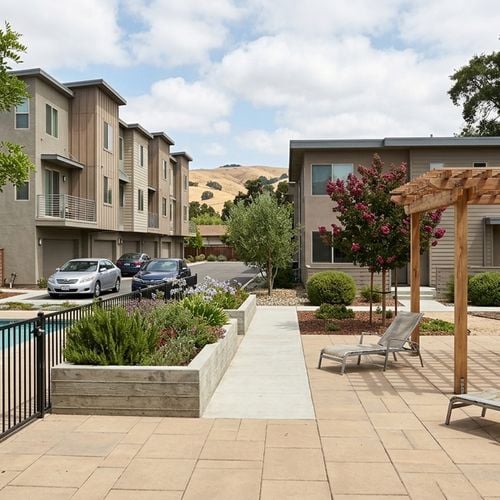
Condos and townhomes are usually a lower price point than single-family homes, and the right choice comes down to how much maintenance you want and whether you need to avoid stairs.
Condominiums and Townhomes
The HOA handles exterior repairs and landscaping, which is the main draw. These homes are common near transit and shopping, which helps if you're ready to drive less. Keep in mind that many townhomes are multi-level, so look closely at where the primary bedroom is.
Single-Level Homes
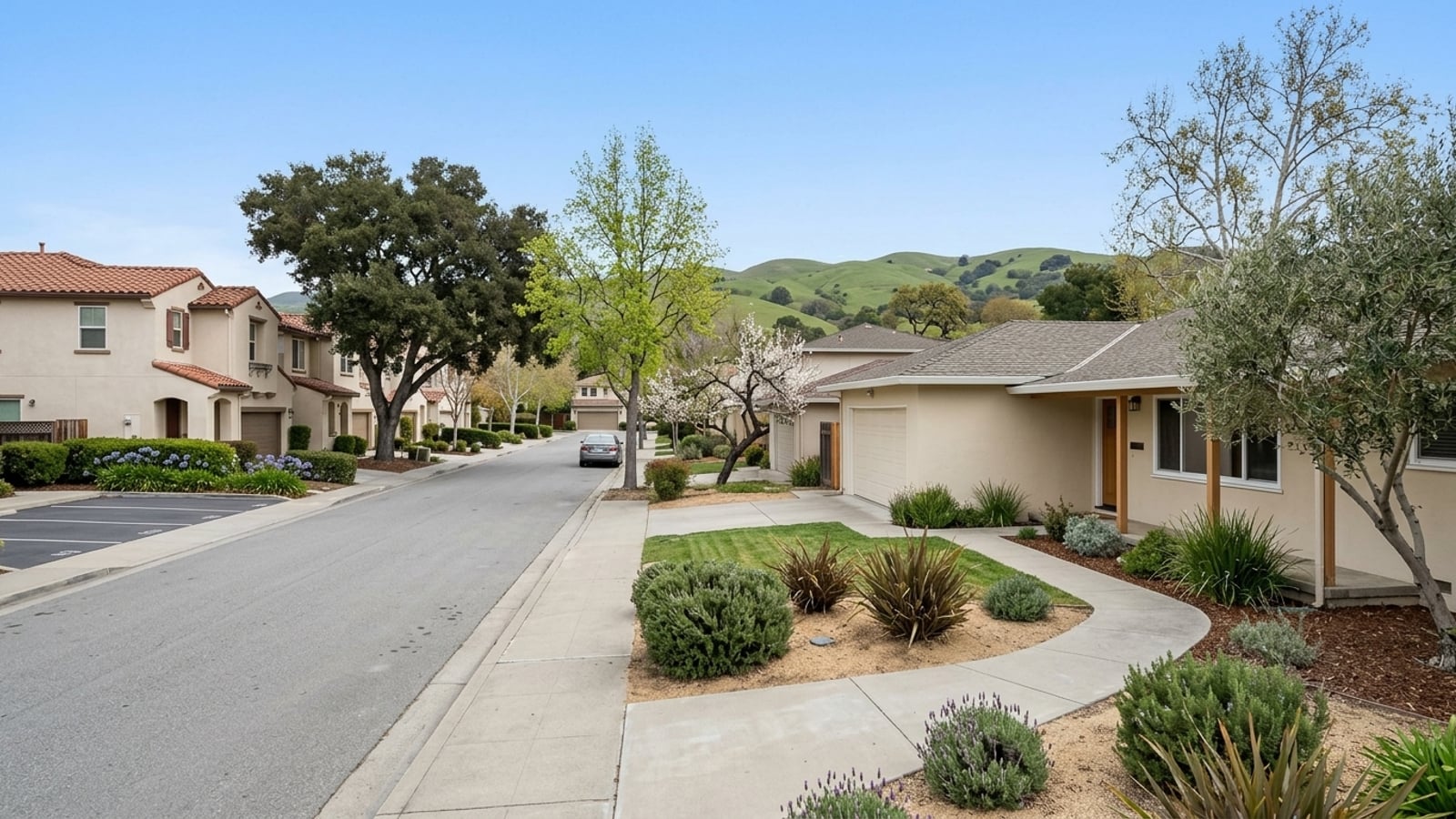
Single-level homes take stairs out of daily life, and demand for them is steady, so updated ones often draw multiple offers. You'll find them throughout older Santa Clara County neighborhoods, and my guides to single-story homes for seniors and the best neighborhoods for senior downsizers are good places to start.
Active Adult and Senior Living Communities
For some people, the next move is a 55+ community or a continuing care community that includes future care. These options have different contracts and costs, and my article on senior living options in Silicon Valley walks through them.
How to Begin the Transition
Moving out of a large home takes months of preparation. Sorting years of belongings takes real time, and rushing it adds stress to an already big change. Starting early gives you room to make deliberate decisions about what fits in your next home.
Sorting Your Belongings
Measure the furniture you want to keep and compare it to floor plans of the homes you're considering. Sort everything into keep, donate, sell and discard, and tackle one room at a time so the project keeps moving.
Getting a Valuation and a Plan
Before listing, have a local agent assess your home's value, recommend which repairs are worth doing and map out the timing of the sale and your next purchase. Schedule that conversation several months before your target move date so there's time for prep work.

Thinking about selling?
Just list with me, I'll do the rest.
Minimum hassle, maximum profit, and a sale on your timeline at a price and terms you'll love.
Let's Get Started →Rather talk now? Call or text 408.413.3087
Sources
- Redfin, Santa Clara County Housing Market (August 2026)
- Santa Clara County Association of REALTORS®, Housing Statistics (August 2026)
- Zillow, Best Time to List 2026
- California State Board of Equalization, Proposition 19
Frequently Asked Questions
What is the best age to downsize your home?
There's no right age. Most people move when the house becomes hard to maintain, when stairs or layout become a problem, or when they want to free up equity. Moving in your late 60s or 70s while you're healthy usually gives you more choices than waiting until a health event forces the decision.
Does downsizing save money?
Usually. A smaller home typically lowers utilities and maintenance, and Prop 19 can keep your property taxes in check. You'll need to factor in selling costs, moving costs, HOA dues and any capital gains tax to see your true savings.
Should I buy my smaller home before selling my current one?
It depends on your finances. Buying first lets you move once and at your own pace, but you'll need cash or a bridge loan. Selling first gives you an exact budget but may require a rent-back or temporary housing.
When is the best time of year to sell a large family home in Silicon Valley?
The strongest window in the San Jose area is now late January through February, according to Zillow's 2026 analysis, before the bulk of spring listings arrive. Well-priced homes also sell in the fall, when there's less competition. Being prepared matters more than the month.
Can I transfer my property tax base to a smaller home?
Yes, if you're 55 or older. Prop 19 lets you transfer your tax base to a replacement primary residence anywhere in California up to three times, as long as you buy within two years of selling. If the new home costs more, part of the difference is added to your base.
What are popular housing options for downsizers who want to stay in Silicon Valley?
Condos and townhomes, single-level homes, 55+ communities and continuing care communities are the most common choices. The right one depends on how much maintenance you want, whether you need to avoid stairs and whether you want future care built in.
Is it better to downsize or age in place?
It depends on your home, your health and your budget. Aging in place can work with the right modifications and support, but in-home care and major renovations get expensive. Compare the full costs of both paths before you decide.
Check out this article next