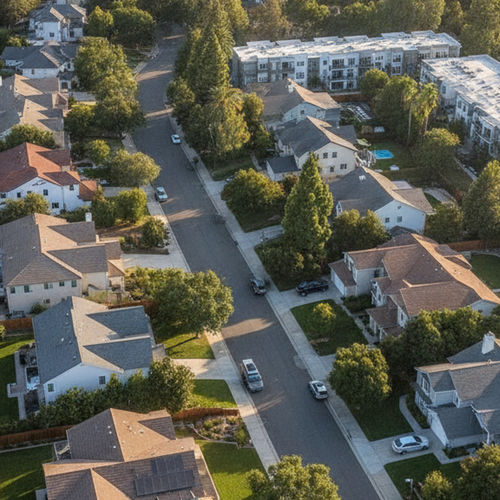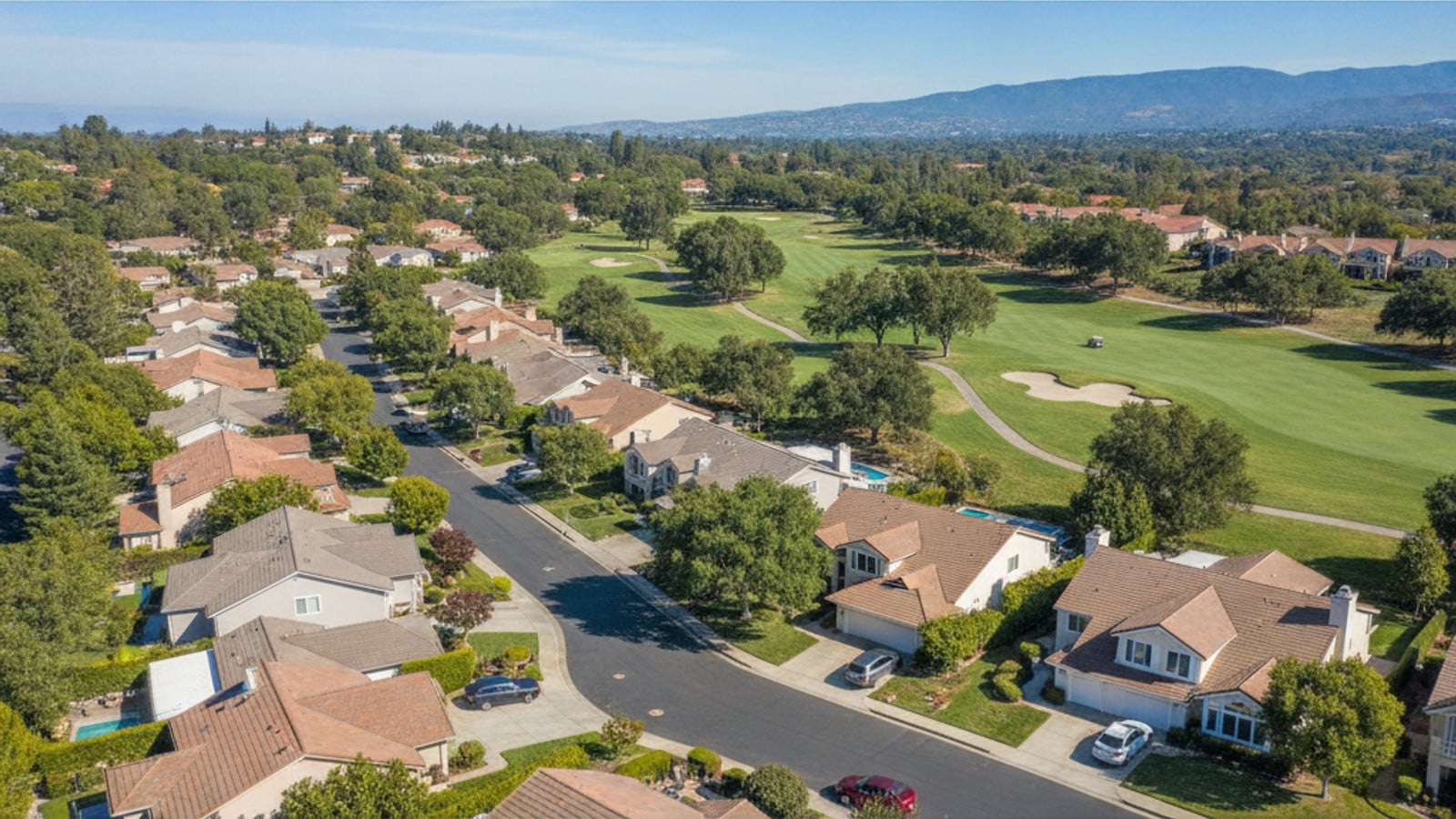
Most of the older adults I work with in Silicon Valley aren't trying to leave the Bay Area. They've been here 30 or 40 years, their doctors, friends and grandkids are here, and the real question isn't whether to stay but how. The region has a full range of senior living options, from staying put in a paid-off house to 55+ communities, assisted living, memory care and full life plan communities. It's also one of the most expensive places in the country to get care, so the choice carries real financial weight. This guide walks through each option, what it actually costs here according to the most recent survey data, and how the sale of a longtime home usually ends up funding the move. If you're shopping for a home rather than a community, I also keep a running search of senior-friendly homes for sale in Silicon Valley.
Key Takeaways
Summary: The Bay Area offers every type of senior living, from aging in place and 55+ communities to assisted living, memory care and CCRCs, but care costs run well above national averages. Most longtime homeowners fund the move with home equity, and Prop 19 helps those who downsize within California keep a low property tax base.
Senior Living Options in the Bay Area
Each type of senior living offers a different level of care, a different cost structure, and a different kind of day-to-day life. The right fit depends far more on health, budget and family situation than on amenities, so it helps to understand the whole range before touring anything. If you want a side-by-side comparison of the three most common care levels, I wrote a separate guide on independent living vs. assisted living vs. memory care in Silicon Valley.
Aging in Place
For a lot of my clients the most popular option is simply to age in place in the home they already own. Thanks to Proposition 13, seniors who've paid off (or nearly paid off) a house they bought decades ago often have very low housing costs and rock-bottom property taxes, and without a mortgage payment, staying in a home they've owned for 20, 30 or more years can be the most affordable choice on paper. It usually means some changes to adapt the home for more comfortable living, like grab bars, better lighting, a walk-in shower or a first-floor bedroom, and those projects are often less expensive and less disruptive than a move. Where the math changes is when help is needed at home. CareScout's 2025 survey puts the median cost of a full-time, non-medical caregiver (44 hours a week) at $8,389 a month in the San Jose metro, and the Santa Cruz metro median is $53 an hour. Once someone needs that level of help, a community setting can end up costing about the same or less.
55+ and Active Adult Communities
Age-restricted communities are regular housing that you buy or rent, with no care services included. They operate under the federal Housing for Older Persons Act, which requires at least 80% of occupied units to have at least one resident who is 55 or older, and California's senior housing law (Civil Code Section 51.3) is generally stricter, limiting who else can live in the home, such as a spouse, cohabitant or live-in caregiver. Many HOAs set tighter limits than the law requires, so read the CC&Rs and bylaws before you buy, especially if a younger spouse or an adult child may live with you. A surviving spouse or other qualified co-resident can usually stay after the older resident passes away. Keep in mind that when it's time to sell, the buyer pool is limited to people who meet the age rules, which can affect how quickly a home sells compared with a regular single-family house. I explain how it works in more detail in what age-restricted housing means in Silicon Valley , what an active adult community is, and independent living vs. a 55+ community.
The Villages in San Jose
The Villages Golf and Country Club is the largest 55+ community in Silicon Valley, a gated, roughly 1,200-acre community in the Evergreen foothills of East San Jose with about 2,500 homes, most of them condos and townhomes plus a smaller number of single-family homes. Residents have an 18-hole championship golf course and a 9-hole par-3 course, tennis courts, pools, several clubhouses with fitness centers, and over 500 acres of open space with hiking and equestrian trails. There's a busy calendar of clubs and activities, and it's still only about 10 miles from downtown San Jose. Keep in mind that homeowners pay monthly HOA dues on top of the purchase price, and those dues cover a lot of the amenities.
Senior Mobile Home Parks in Silicon Valley
Senior mobile home parks are one of the last relatively affordable ways to own a home in Silicon Valley. In most parks you own the manufactured home but rent the space it sits on, so your monthly cost is space rent plus utilities and your property tax is on the home itself, not the land. Financing is different from a regular mortgage, usually a chattel loan or cash, and many buyers pay cash after selling a larger house. San Jose's Mobilehome Rent Ordinance limits annual space rent increases on covered spaces to 75% of the change in the San Francisco area CPI, with a 3% floor and 7% cap, and the city has been considering updates in 2026. Other cities have their own rules, so always ask the park and the city before you buy. Here are some of the better-known 55+ parks in the South Bay:
Paseo de Palomas
Paseo de Palomas in Campbell is a little different from most parks because it's resident-owned. Homeowners hold a stake in the corporation that owns the land, the homes are owner-occupied and never rented out, and the community has been operating since 1967 on about 13 acres. Amenities include a heated pool and spa, a putting green, a bocce court, and a clubhouse with a full kitchen and a billiards room. It's a short drive from Downtown Campbell and its shops, restaurants and farmers market, which is a big part of its appeal.
Mountain Springs
Mountain Springs Mobile Home Park is a 55+ community of about 144 homes off Hillsdale Avenue in San Jose, built in 1976. It has a clubhouse, a pool and wide paved streets, and it's close to shopping and medical offices, which makes it practical for residents who still drive and want errands close by. The homes are multisection manufactured homes with a range of floor plans, and it's a good fit for seniors who want to stay in San Jose at a much lower price point than a single-family house.
Villa Teresa
Villa Teresa Mobile Community is a 55+ park of about 147 homes on Santa Teresa Boulevard in South San Jose, built in 1979. Residents have a clubhouse that hosts social events, a pool, and quiet, landscaped streets, and it's close to Santa Teresa County Park, shopping, and the Kaiser Santa Teresa medical center.
Cape Cod Village
Cape Cod Village is a 55+ community of about 188 homes on Borregas Avenue in north Sunnyvale, built in 1976. It has a clubhouse, a pool and recreation facilities, and it's close to Baylands Park and the Bay Trail. Each of these parks has its own rules on pets, guests, home age and approvals for new buyers, so read the park rules and the rental agreement carefully before making an offer. The protections in California's Mobilehome Residency Law also apply in every park.

Free 19-Page Playbook
The Longtime Homeowner's Playbook for Selling Smart
The three mistakes that cost sellers six figures, the tax moves that can save you a fortune, and 10 questions to ask any REALTOR® before you hire one.
You're all set. Thanks! The Smart Seller Playbook is on its way to your inbox. If you don't see it in a few minutes, check your promotions or spam folder.
Independent Living
Independent living communities are for seniors who can handle daily life on their own but want to live among peers without the work of maintaining a house. Rent is usually monthly with no large buy-in, and it typically includes meals, housekeeping, transportation and a full activity calendar. A Place for Mom's 2026 data puts the national median at about $3,200 a month, and Bay Area communities run well above that. Local examples include Atria Willow Glen and other Atria Senior Living communities in the San Jose area, and Ellore in Santa Clara at the luxury end.
Assisted Living
Assisted living offers a balance of independence and help. Residents live in private or shared apartments and get help with daily tasks such as bathing, dressing and medication management, plus meals and housekeeping. In California these are licensed as Residential Care Facilities for the Elderly (RCFEs), and they range from large communities with 100 or more apartments to six-bed "board and care" homes in regular neighborhoods, which are very common in the South Bay and offer a more home-like setting with fewer residents per caregiver. You can check any facility's license, inspection reports and complaint history on the California Community Care Licensing facility search. In the South Bay, I've written up tours and guides for Belmont Village Sunnyvale, Ivy Park at Los Gatos, MorningStar West San Jose and Oakmont of Silver Creek. In San Francisco, options include Portola Gardens, The Village at Hayes Valley and Victorian Manor. You can also browse A Place for Mom's list of assisted living communities in San Jose, keeping in mind that referral services are paid by the communities. If you're helping a parent make this move, my checklist for moving a parent into assisted living covers the steps in order.
Moving to assisted living?
Need move-in money in a hurry?
Move-in fees and first months' rent can top $20,000 within days. Compass Concierge can now cover them, repaid when the house sells.
See How It Works →Need help today? Call or text 408.413.3087
Memory Care
Memory care serves people living with Alzheimer's disease or other forms of dementia. It's usually a secured neighborhood inside an assisted living community or a standalone building, with specially trained staff, structured daily programs and design features that reduce confusion and wandering. Expect to pay a premium over standard assisted living; A Place for Mom's 2026 national median for memory care is about $6,690 a month, and Bay Area pricing is considerably higher. Local options include Sunol Creek Memory Care in Pleasanton and Ivy Park at Cathedral Hill in San Francisco. For families facing this transition, I've also written about moving a parent with dementia or cognitive decline.
Life Plan Communities (CCRCs)
Continuing care retirement communities, also called life plan communities, offer independent living, assisted living, memory care and skilled nursing on one campus, so residents don't have to move again as their needs change. They usually require a large entrance fee, ranging from the low six figures to well over $1 million in the Bay Area, plus monthly fees, and the type of contract you sign determines how much future care is covered and how much of the entrance fee is refundable. In California, CCRCs are overseen by the Department of Social Services. Well-known Bay Area examples include The Forum at Rancho San Antonio in Cupertino, The Terraces of Los Gatos, Saratoga Retirement Community, The Sequoias Portola Valley and San Francisco Towers. I cover the contracts and the math in what a CCRC is and whether it's worth it in the Bay Area, and I've written a broader overview of continuing care retirement communities in Silicon Valley.
Skilled Nursing
Skilled nursing facilities (nursing homes) provide 24-hour medical care for people recovering from a hospital stay or living with serious chronic conditions. Medicare covers up to 100 days of skilled nursing care per benefit period after a qualifying inpatient hospital stay of at least three days, with full coverage for the first 20 days and a daily coinsurance after that, according to Medicare.gov. Long-term custodial stays aren't covered by Medicare and are paid privately or through Medi-Cal for those who qualify.
Affordable Senior Housing
For seniors with limited income, there are income-restricted senior apartments throughout the Bay Area, many with long waitlists. I put together a guide to the best affordable senior housing options in the Bay Area that covers how to apply and what to expect.
What Senior Living Costs in the Bay Area
The cost of living in the Bay Area is well above the national average, and senior care is no exception. Here's how the 2025 medians from the CareScout (Genworth) Cost of Care Survey compare across the region:
| Monthly median (2025) | San Jose metro | San Francisco metro | National |
|---|---|---|---|
| Assisted living | $10,495 | $8,450 | $6,200 |
| Full-time in-home caregiver (44 hrs/week) | $8,389 | $8,199 | about $6,670 |
| Nursing home, semi-private room | $14,296 | $15,208 | $9,581 |
| Nursing home, private room | $18,767 | $20,896 | $10,798 |
The Santa Cruz metro comes in a bit lower for assisted living at $7,498 a month, but in-home care is actually more expensive there at $53 an hour.
How Bay Area Families Pay for Senior Living
Medicare doesn't pay for assisted living, memory care rent or long-term custodial care, which surprises a lot of families. The Medi-Cal Assisted Living Waiver helps eligible low-income seniors pay for assisted living in 15 counties, including Santa Clara, San Mateo, San Francisco, Alameda, Contra Costa and Sonoma (but not Santa Cruz), though there's a waitlist. Veterans and surviving spouses may qualify for the VA Aid and Attendance benefit, and long-term care insurance covers part of the cost for those who have it. For most of my clients, though, the house is the biggest asset, and selling it is what makes the next chapter possible. When you sell a primary residence you've lived in for at least two of the last five years, you can exclude up to $250,000 of gain from federal income tax ($500,000 for a married couple) under IRS rules, although longtime Silicon Valley owners often have gains well above that. If you're buying a smaller home in California rather than moving into a rental community, Prop 19 lets homeowners 55 and older transfer their existing property tax base to a replacement home anywhere in the state, up to three times, as long as the new home is bought within two years of the sale. If the replacement costs more than the home you sold, the difference is added to your tax base. The State Board of Equalization has the official details.
Timing is Everything in Life

Climate and Geography
The Bay Area's geography runs from mountain ranges to beaches, which makes it a great place for active seniors. The region is famous for its microclimates. Coastal areas have mild, foggy summers and wet winters, while inland valleys like San Jose and the Tri-Valley get warm, dry summers and chilly winter nights, so it's worth spending time in a neighborhood in different seasons before you commit.
Recreation, Transportation, and Staying Active
Seniors living in the Bay Area have access to an enormous range of recreation and culture. Whether you enjoy hiking, biking, surfing or fishing, there's something for everyone, and the region is home to world-class museums, historic sites, galleries, restaurants and theaters. Most cities also run senior centers with low-cost classes, meals and social programs, which are one of the most underused resources I see. For residents who no longer drive, VTA buses and light rail and Caltrain cover much of the South Bay and Peninsula, both offer reduced fares for seniors, and many senior communities run their own shuttles for appointments, shopping and outings into San Francisco. For daily walks, flatter routes like the Los Gatos Creek Trail and the Baylands trails along the bay are a lot easier on knees than the foothill parks.
Healthcare Facilities
Access to good healthcare is one of the strongest reasons to stay in the Bay Area. UCSF Health and Stanford Health Care are two of the most highly ranked academic medical centers in the country, and both run dedicated geriatric medicine programs. Stanford's main medical center is in Palo Alto, El Camino Health has hospital campuses in Mountain View and Los Gatos, and Kaiser Permanente runs medical centers in San Jose and Santa Clara. Sutter Health, Good Samaritan, Regional Medical Center and the Santa Clara Valley Healthcare system round out the South Bay, so most senior communities are within a short drive of a major hospital. If you're a Kaiser member, ask whether a community's shuttle goes to your Kaiser facility before you commit, because that's a common gap.
Amenities and Services
Senior living communities in the Bay Area offer a wide array of amenities and services. Common amenities include fitness centers, pools, libraries, salons, restaurant-style dining and outdoor spaces, and services usually include housekeeping, laundry, scheduled transportation and wellness programs. When you tour, ask which services are included in the monthly fee and which are billed separately, because that's where the real cost differences hide.
Luxury Senior Living Options
For those who want a high-end setting, the Bay Area has some of the most upscale senior living in the country. Communities such as Coterie Cathedral Hill in San Francisco, Vi at Palo Alto and Ellore in Santa Clara offer hotel-style service, chef-driven dining and care services on site, with pricing to match.
Final Thoughts
Choosing a senior living option is one of the biggest decisions a family makes, and it's rarely just about the next home. It's about health, money, where the kids live, and what to do with a house that's often worth several million dollars. The Bay Area offers options for almost every need and budget, and with its culture, recreation and medical care, it's still a wonderful place to grow older. If you're starting to plan a move, my 90-day senior move timeline is a good place to begin, and you can see more of my guides in the seniors section.
Free Downsizing Strategy Call
Before you start sorting decades of belongings or call a moving company... let's figure out where you're headed and how to get there.
Most downsizing regrets come from doing things in the wrong order. In 30 minutes, we’ll talk through what your home may be worth, whether to buy or sell first, how Prop 19 could affect your property taxes, what the house actually needs before listing, and a realistic timeline for your move—so the process feels manageable, not overwhelming.
Book My Downsizing Strategy Call →Frequently Asked Questions
How much does assisted living cost in the Bay Area?
Does Medicare pay for assisted living in California?
What is the difference between independent living and assisted living?
Are there affordable 55+ communities in Silicon Valley?
What is a CCRC or life plan community?
Can I keep my low property taxes if I downsize in California?
How do I check if an assisted living facility in California is licensed?
Is it better to rent or buy in a 55+ community?
Where can seniors go if they can't afford assisted living in Silicon Valley?
Simple Strategy Guide
The Downsizing Guide for Bay Area Seniors
What to keep, what to let go, and how to get your home ready for today's buyers without a costly remodel, so you protect your equity and move on your own timeline.
You're all set. Thanks! The Downsizing Guide is on its way to your inbox. If you don't see it in a few minutes, check your promotions or spam folder.
Senior Friendly Homes in Silicon Valley South
2
3
4
5
6
7
8
9
10
11
12
13
14
15
16
17
18
19
20
21
22
23
24
25
Check out this article next