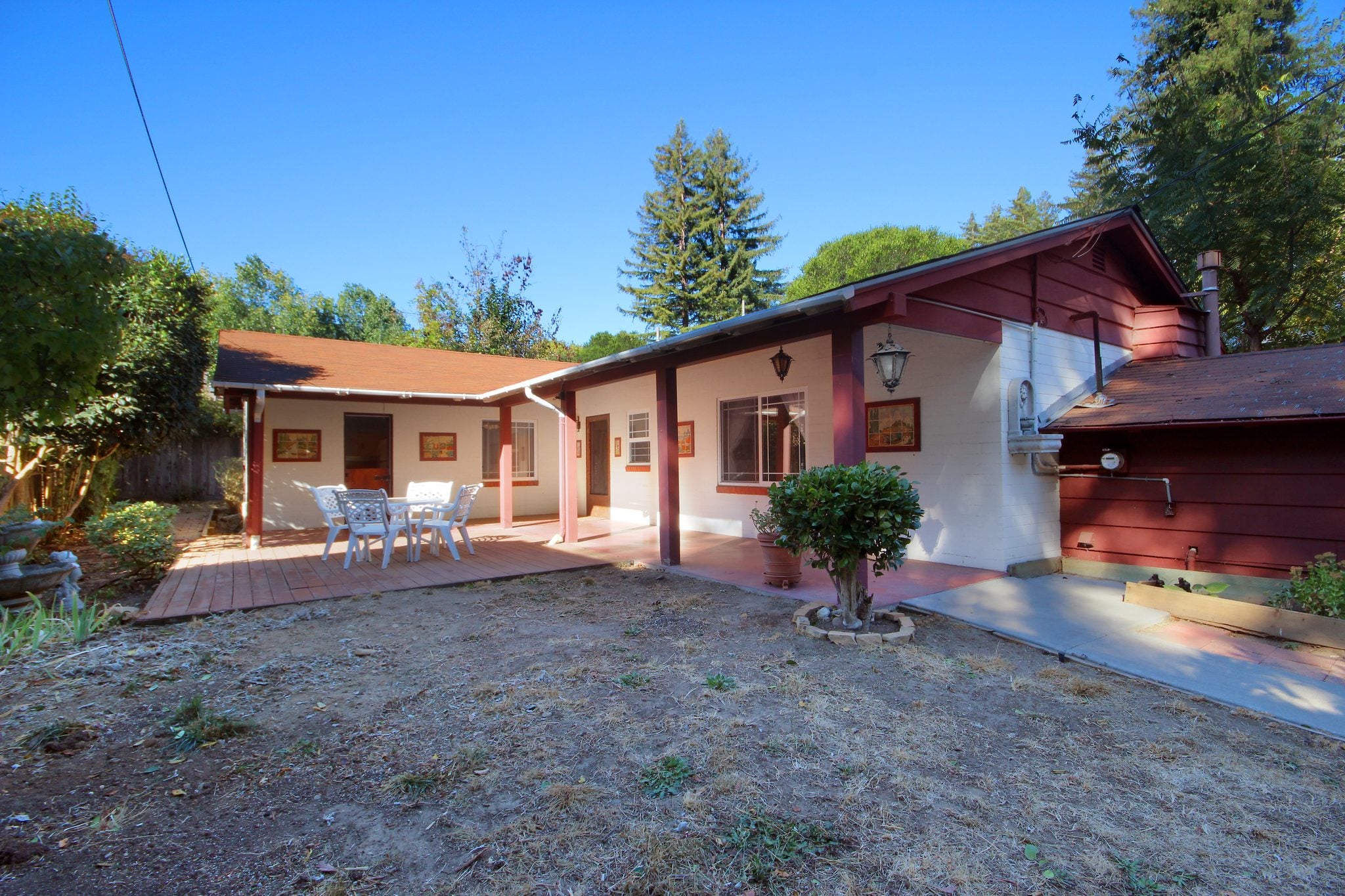
When their mother passed away, a family spread across California was left with her house in a small mountain town and everything she had kept in it. Nobody lived close, and every decision ran through a group email. We confirmed there was no probate, inspected everything before listing, gave the family the time they needed with their mother’s things, and sold the house as-is. It went for full asking price to an all-cash buyer and closed two days early.
The Result
- List price: $479,975
- Sale price: $479,975 (100% of list)
- Financing: All cash, no loan or appraisal contingency
- Listing to accepted offer: 22 days
- Acceptance to close: 19 days, two days ahead of schedule
- Prep costs: About $2,100
Selling Mom’s House
Their mother had owned the house with one of her daughters as joint tenants, so that daughter now owned it outright. She lived and worked in the Central Valley, more than three hours away. Her sister and brother-in-law lived in San Jose, and a few other relatives were on the family email chain from around the state. The neighbors next door had known their mother for years. They held the spare key, and they were the ones who suggested the family call me.
The family was dealing with grief and logistics at the same time. They wanted to make sure the right pieces of their mother’s life went to the right people, and some things were already labeled for relatives or promised to neighbors. They also wanted the house sold without anyone having to relocate to the mountains to manage it. The brother-in-law in San Jose became the organizer, the one who answered within hours and checked with everyone before approving any spending. The daughter on title was holding down a full-time job and doing much of the sorting herself, so the paperwork got done in the evenings when she could get to it. Her husband helped by putting the group’s questions in writing and asking everyone to weigh in.
That family picture shaped the whole sale more than anything about the house did. My job was to keep things moving without asking the family to decide faster than they were ready to, and to take the vendor calls and errands off their plate so their weekends at the house could go to their mother’s belongings.
Their first request was a practical one. They already had a family weekend planned at the house, about ten days out, and wanted to use it to get the paperwork signed and the process started.
Free Executor Checklist
Inherited a Home in Silicon Valley? The Executor's First 30 Days
A plain-English checklist for adult children and executors that covers how to secure the house, what not to throw away, whether you're dealing with a trust or probate, and the tax questions to ask before anything gets listed or cleared out.
You're all set. The Executor's First 30 Days checklist is on its way to your inbox. If you don't see it in a few minutes, check your promotions or spam folder. And if you have questions in the meantime, you're welcome to call or text Seb at 408.413.3087.
The Challenge
- Title: Would the home have to go through probate before it could be sold?
- Belongings: Decades of their mother’s things inside, on the deck, in the yard and in the garage, some promised to relatives and neighbors and the rest waiting on a decision.
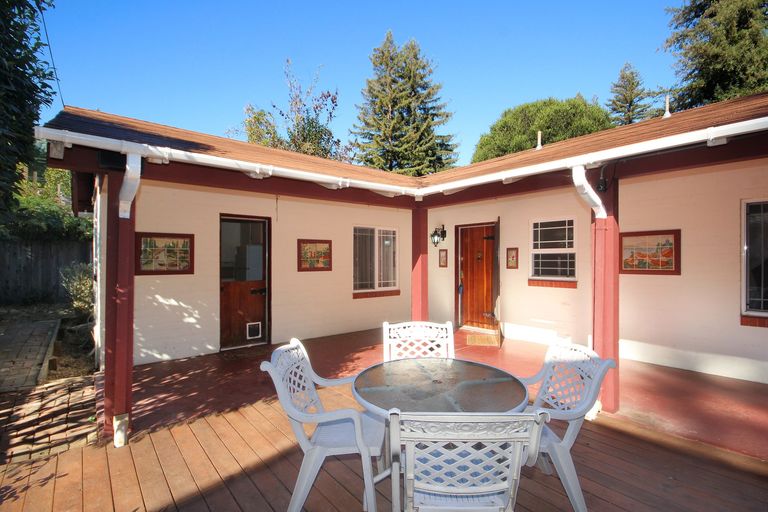
- Condition: A worn garage roof, a furnace that wouldn’t start, a rusting flue and a dead lawn.
- Septic: The tanks were buried under the kitchen deck.
- Distance: The owner was three hours away, and the family made decisions together by group email.
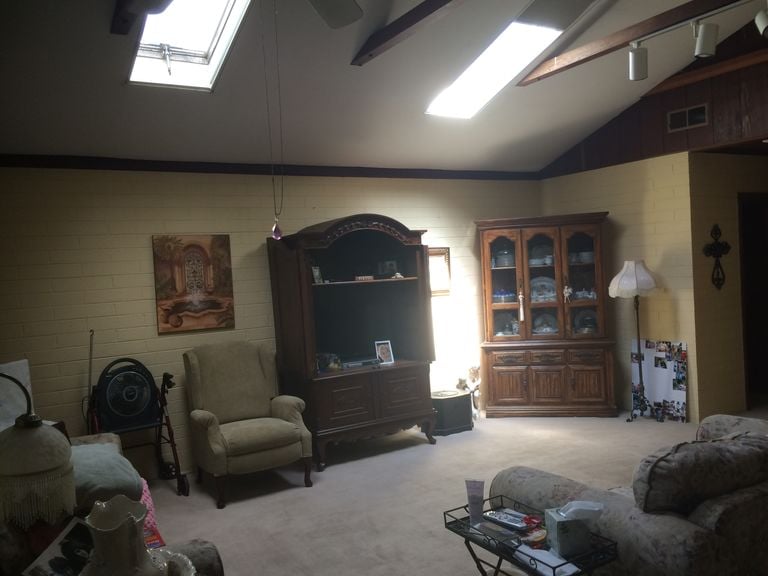
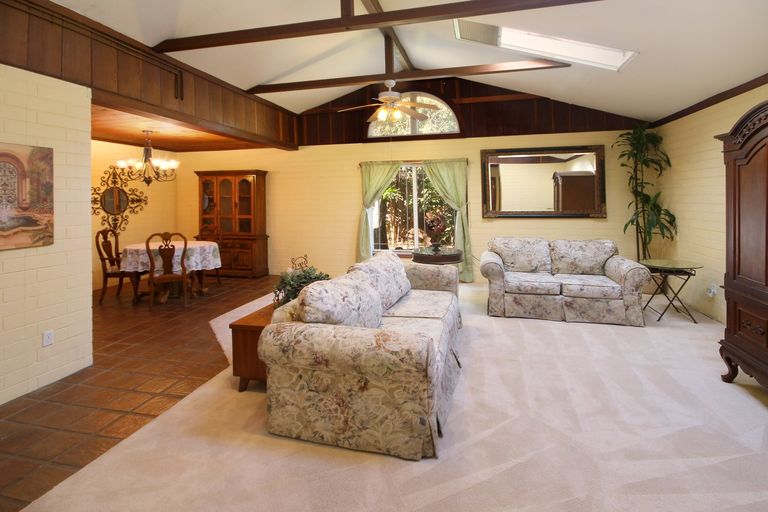
- Buyer appeal: Interior brick and block walls that some buyers disliked on sight.
What We Did
Settled the title question on day one
The afternoon of the first call, I pulled the grant deed. The home was held in joint tenancy, so the mother’s share passed to her daughter automatically and there would be no probate. We’d only need a certified death certificate, recorded at closing. I sent the whole family the deed, some background reading on joint tenancy, and an automated valuation report to start the price conversation. Knowing right away that court wasn’t part of the picture let them plan the sale around their own calendars.
Met the family on the weekend they’d already planned
I borrowed the key from the neighbors to walk the house on my own first, so I’d have numbers and a game plan ready. Then I met the family at the house on the Saturday they’d set aside to be there together. We signed the listing agreement at their mother’s kitchen table, and I left the disclosure questionnaires with the daughter to fill out as she had time. Fitting the start of the sale into a trip they were already making kept it from becoming one more drive for people who were already stretched thin.
Inspected everything before listing
By Monday I had opened escrow, ordered the natural hazard report, and booked termite, home and septic inspections. I went to the county and pulled the permit records, which showed the septic tanks were most likely under the deck. The family cleared their mother’s things off the deck and opened the hatch in time for the inspection, and the septic report came back clean.
The termite inspector spotted ceiling stains that looked like a roof leak. The family let me know the main roof had been replaced a few years earlier, and the home inspector confirmed it was in good shape. The roof over the garage was another story, so I got a roofer’s bid for it, along with a heating contractor’s estimates for the furnace and flue. We didn’t do that work. The bids went into the disclosure package so buyers could see what it would cost.
Sold as-is and fixed only what was required
The home inspection listed lots of small items, and I advised the family not to fix them. They took care of what California requires at sale: working smoke and carbon monoxide detectors and a strapped water heater. The one exception was the furnace. A technician got it running (it simply hadn’t been used in a while), because a house that can’t heat itself worries buyers and appraisers.
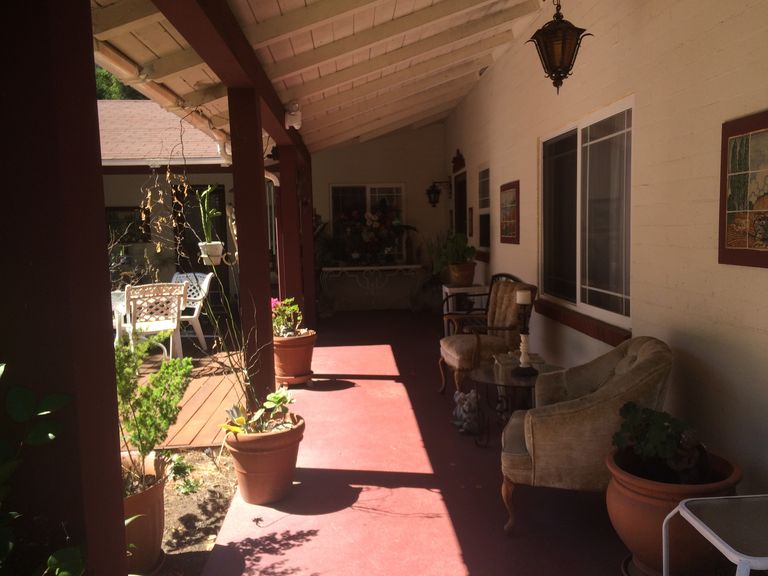
Before Photos
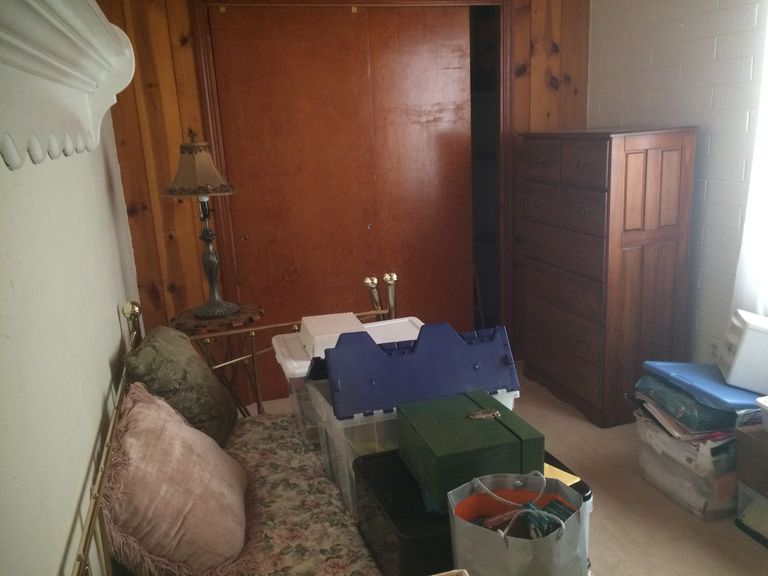
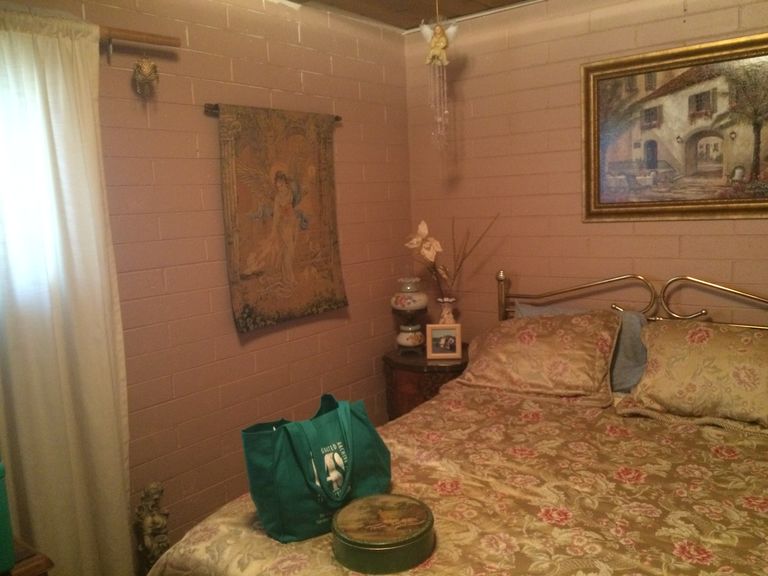
After Photos
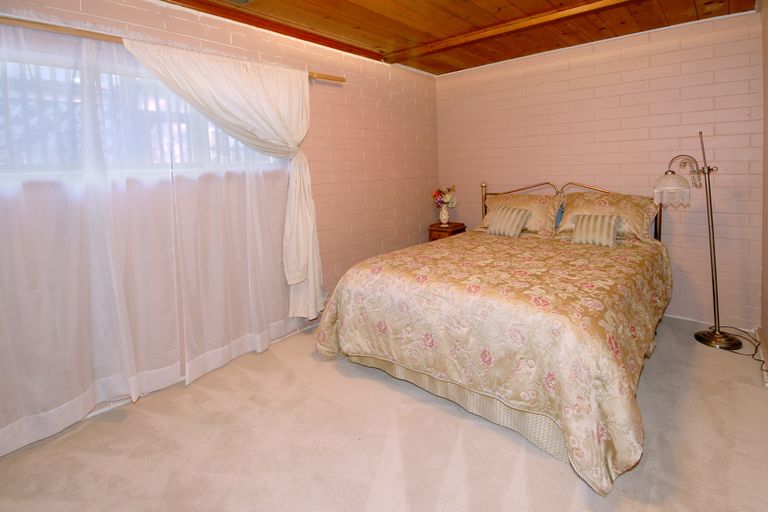
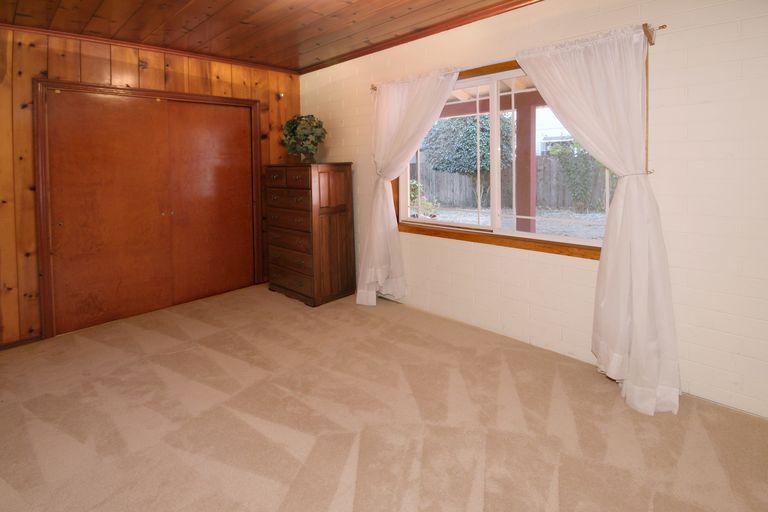
Gave the family time with their mother’s things
We’d originally penciled in photos for October 12. When the family said they might need another week or two to finish going through everything, I moved the date instead of pushing them. In the meantime the stager rearranged the family’s own furniture and art, and on their next weekend at the house the family moved the china hutch where she suggested, did their own cleaning, and put everything they were keeping into the garage. The neighbors picked up the pieces set aside for them.
Put a price on every decision
With five or six relatives deciding together, clear numbers kept things moving. I collected competing bids for yard clean-up, hauling and a sales clean, and the one we chose came in at about half the other. Every expense went to the group for approval first, with a price and my recommendation attached. The family approved the carpet cleaning right away and took a couple of days to agree on the rest. I swapped the dim fluorescent bulbs for bright LEDs myself before the photos.
- Yard clean-up, hauling and sales clean: $1,015
- Septic pumping and inspection: $690
- Carpet cleaning: $275
- Natural hazard disclosure report: $124
- Garage roof and furnace bids: no charge
- Total: about $2,100
I reimbursed the family for the home and termite inspections at closing, and the invoices still open at closing were paid from escrow so the family didn’t have to chase them.
Free Executor Strategy Call
Before you clear out the house or sign a listing, let's map out what comes next.
When a parent's home is left in your hands, the most expensive mistakes tend to happen in the first few weeks, long before anyone has a plan. Paperwork gets tossed, the insurance on a vacant house lapses without anyone noticing, or the home gets listed before anyone knows whether the sale needs court confirmation. In 30 minutes we'll talk through whether you're working with a trust or probate, what the house really needs before it sells and what it doesn't, how to keep everyone in the family on the same page, and a realistic timeline, so you can make good decisions without feeling rushed.
Book My Executor Strategy Call →
Senior Friendly Homes in Silicon Valley South
2
3
4
5
6
7
8
9
10
11
12
13
14
15
16
17
18
19
20
21
22
23
24
25