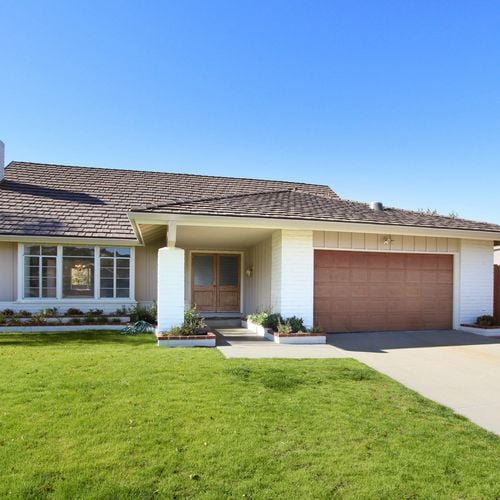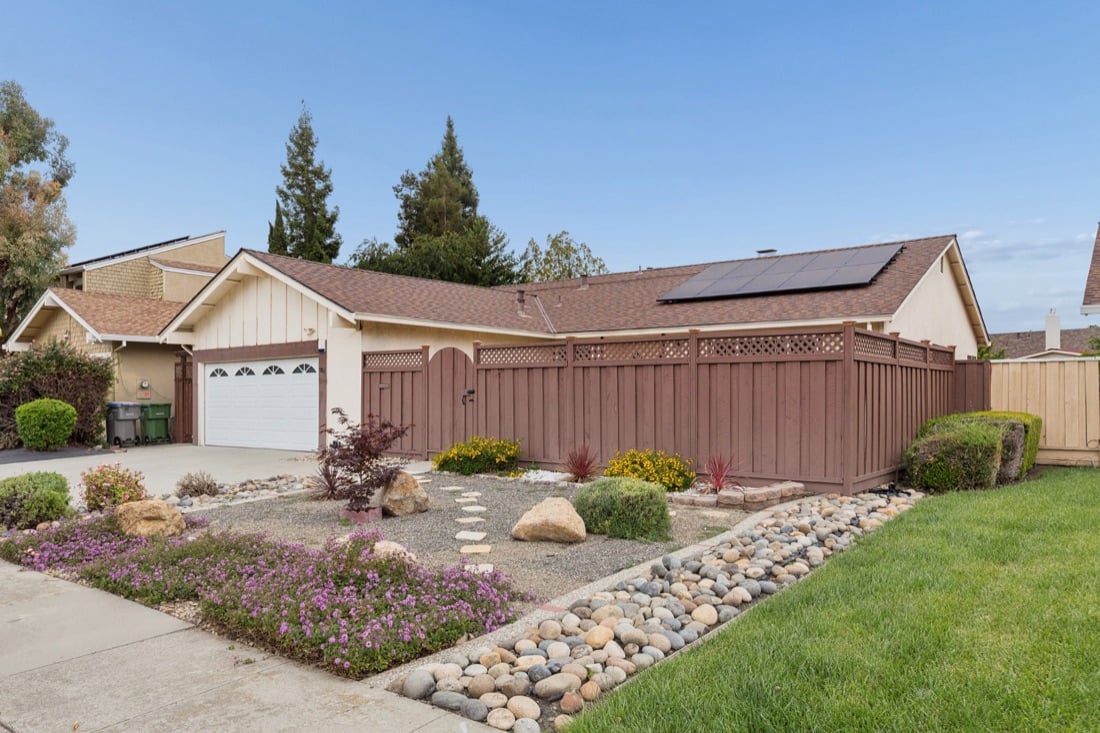
Single Level Ranch Style Home • 4 bed, 2 bath · 1,603 sq ft · Built 1969 · Closed June 16
After more than four decades in the Bay Area, the seller was ready to retire to the Central Valley. And even though the home was located in a desirable neighborhood in San Jose, which had for years been a strong market, the seller had some concerns. Primarily, the house had an unpermitted addition, the kitchen and bathrooms were original to the year of construction, and the back yard was just a plain sea of gravel. While online estimates showed a pretty high price, they are backward-looking and weren’t reflective of market temperature and direction. Nevertheless, it sold in 10 days with no contingencies and no repair credits. A free rent-back gave him time to plan his next home.
The Results
- $1,275,000 sale price, 98.1% of the $1,300,000 list price
- $0 commission paid: Buyer was the agent, equivalent to about $30,000
- 10 days on market from active to accepted offer
- No contingencies: no loan, appraisal, or inspection contingency
- $0 in repair credits, sold as-is with full disclosure
- $25,000 gained in negotiation over the buyer’s first offer
- Free rent-back through June 30, so the seller could plan his move after closing
The Property
- Location: San Jose 95136, near Carson Elementary
- Beds / Baths: 4 / 2
- Living area: 1,603 sq ft, single story, plus a rear bonus room
- Lot: 7,140 sq ft
- Built: 1969
- Updates: new roof and solar (2021), repiped and new furnace (2023), newer flooring, new garage door openers (2025)
- Solar: 3.4 kW, financed, with a lien on title
The Move
The seller had spent more than 40 years in the Bay Area and more than 20 of them in this house. He had retired a few years back and planned to move to the Central Valley, where his money would go much further. At his age, he was looking for convenience and simplicity: a simple sale, no repair projects, and enough time after closing to find the right next home.
His message to me mentioned “the add-on in back that is not up to code.” I assured him that I had sold many homes with unpermitted additions, and that it wouldn’t be an impediment for the sale. We met the next day, and within 24 hours the listing agreement was signed, escrow was open, and he was approved for Compass Concierge.
The house had real strengths: a new roof, new plumbing, a new furnace, and solar. It also had challenges that would affect overall demand for the property:
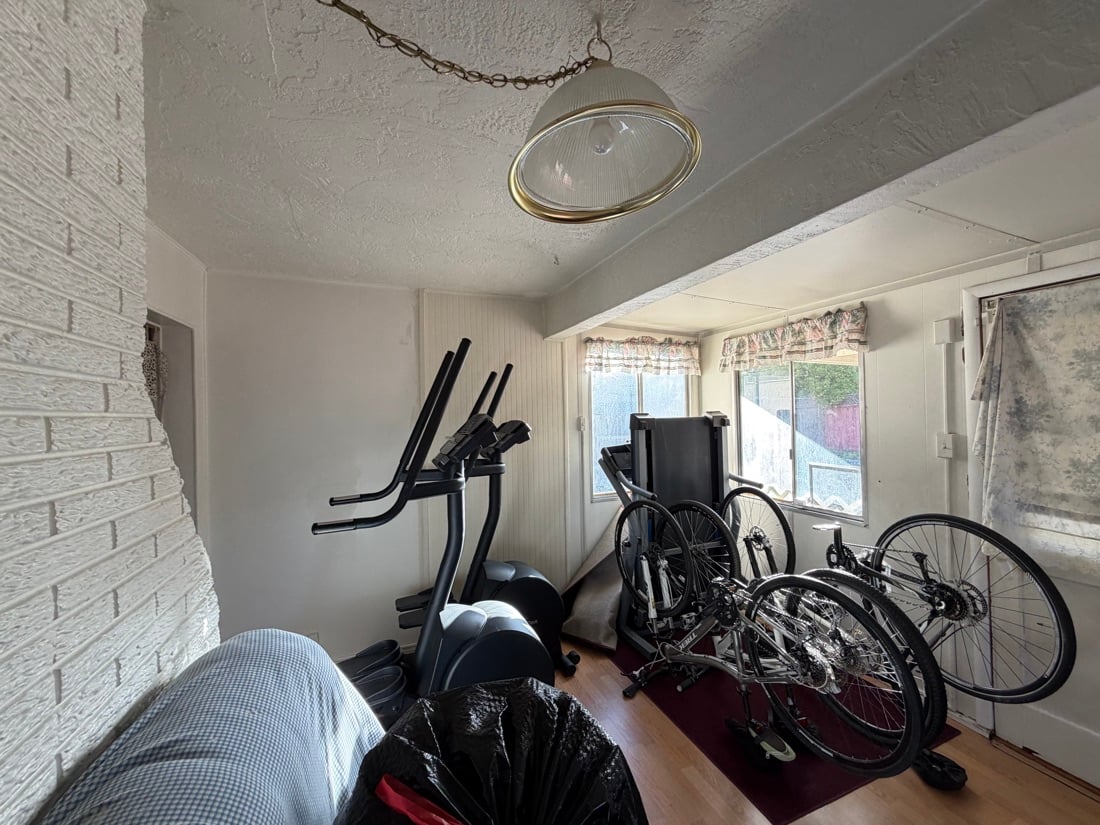
- An unpermitted rear bonus room built by a prior owner
- Electrical and structural items: a Zinsco panel, aluminum service wires, no CO detectors, and loose crawlspace support posts
- Termite work: about $5,600 in Section 1 items, including fumigation
- A financed solar system with a lien that had to be paid off at closing
- A dated kitchen and two decades of belongings
- Awkward location the center/top of a “T” intersection
The automated valuations said the house was worth far more: Redfin $1,576,000, CoreLogic $1,535,000, Zillow $1,492,000, and HouseCanary $1,443,000. None of them could see the condition of the house, and all of them failed to take into the account the fact that the spring market – which had been surpassingly average at best – had distinctly withered over the past few weeks as the calendar got closer to summer. Inventory had begun to pile up, days on market were stretching out, and sale prices started to soften; it was not the kind of market that rewarded testing a high price to see what would happen.

Does your home need some work first?
Let's get it market-ready, and pay for it at closing.
Paint, repairs, flooring and staging, all handled for you through Compass Concierge with nothing out of pocket up front and no contractors for you or your family to manage.
See How It Works →Rather talk now? Call or text 408.413.3087
What We Did
1. Disclose everything and sell as-is
The seller didn’t want to spend his retirement money on repairs, so we didn’t make any. Before anyone made an offer, buyers would see a full home inspection, the termite report, a natural hazard report, preliminary title, the city permit history, and an insurance quote. The seller signed a non-conforming improvement disclosure for the bonus room. The disclosure package stated clearly that the house was sold as-is, and the condition was fully documented – the buyer would have no surprises, nor would the seller when it came to re-negotiating because the buyers knew exactly what they were getting and priced it in before they made an offer. That left nothing to renegotiate in escrow.
2. Prep what buyers see, skip what they won’t give value to
The good folks at Compass Concierge approved the seller on day one. I gave him a 53-item prep list, room by room to address the “low hanging fruit” and mitigate issues that would be sure to turn off buyers. It covered yard cleanup, decluttering, cosmetic crack repair in the drywall, re-texturing and painting the hallway ceiling (removing popcorn ceilings), a new hallway light, fresh bedding, and removing heavy window coverings. He preferred to work through it himself over the next two weeks, and I stopped by to check in. The entire prep budget was under $3,000. We spent nothing on a kitchen remodel or termite repairs, because this buyer pool wouldn’t reward us for any of that work.
3. Price the house to the market, not the algorithm
My value estimate put fair market value at about $1.4 million and recommended listing at $1.3 million, given the conditions that we were seeing in the market at the time. I’m a firm believer that underpricing your home is a sound strategy in any market, but in a market that’s soft or getting that way, pricing at “what the comps say” is usually a formula for a painful ride chasing the market down a slippery slope. Many sellers push back on underpricing a home, and in this case, that $1.3 I suggested was well below every online estimate you could shake a stick at.
But the owner of this home was savvy – and he trusted me. He got that the online estimates didn’t account for unenthusiastic market reaction the “bonus” addition, the lack of recent updates, the location at the “T” intersection, and the near total lack of landscaping. The seller heeded my advice, and we put the home on the market for a flat $1.3 million.
4. Build demand, then keep the house in front of buyers
The house went live as Coming Soon on April 29. Professional photos were taken May 4, and the house went active May 7. The launch included a floor plan, a video walkthrough, a property website, and a flyer with QR codes linking to the full disclosure package. A 500-home neighborhood SMS text blast out at the same time, alerting everyone nearby that the home had hit the market.
In the first week, while listed as a coming soon, an agent brought an investor buyer asked to buy the house off-market, for $1.2M. That was a lowball offer, and the home hadn’t even hit open market yet. Anytime a buyer makes a preemptive offer like that, a seller ought to tread cautiously, especially given the patently low offer price and he good bones and decent location of the home. Wisely, the seller decided to let that offer go.
We held five open houses over the first two weekends. The first Saturday alone drew 12 visitors – which given the price point and neighborhood was below expectations – a clear sign of how soft the market had become. After each open house I texted the seller a visitor-by-visitor report, so he always knew who had come through and how serious they seemed. But within 10 days, Homes.com had tagged the listing a “Hot Property,” indicating that the home was popular online by armchair buyers – but foot traffic at open houses and private showings were another matter altogether.
Free Cash-Out Strategy Call
You've spent decades building equity. Let's make sure you take as much of it with you as possible.
Selling a long-held California home and moving somewhere new comes down to a few big questions. We'll look at what your home should sell for, what you'll actually net after taxes and costs, and how to time the sale with your next purchase so you're never stuck in between. You'll leave with real numbers and a plan, whether or not you hire me.
Book My Cash-Out Strategy Call →
Before & After Photos
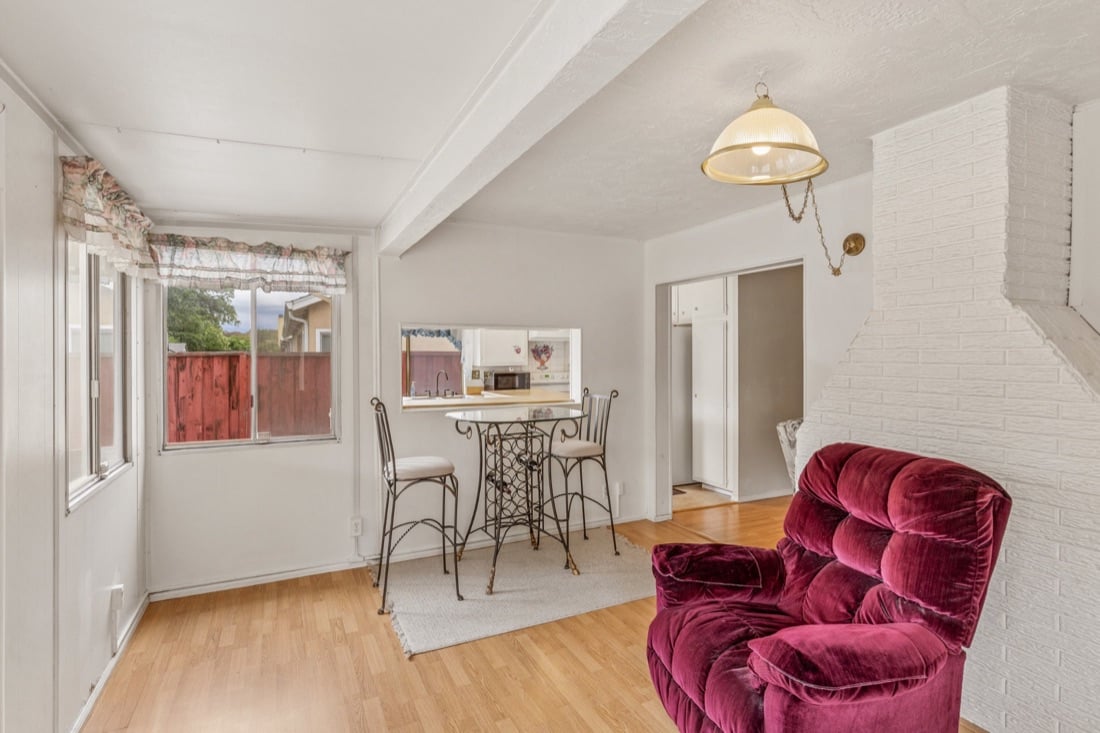
Bonus Room
Cleared out and staged as a bright breakfast and sitting room.
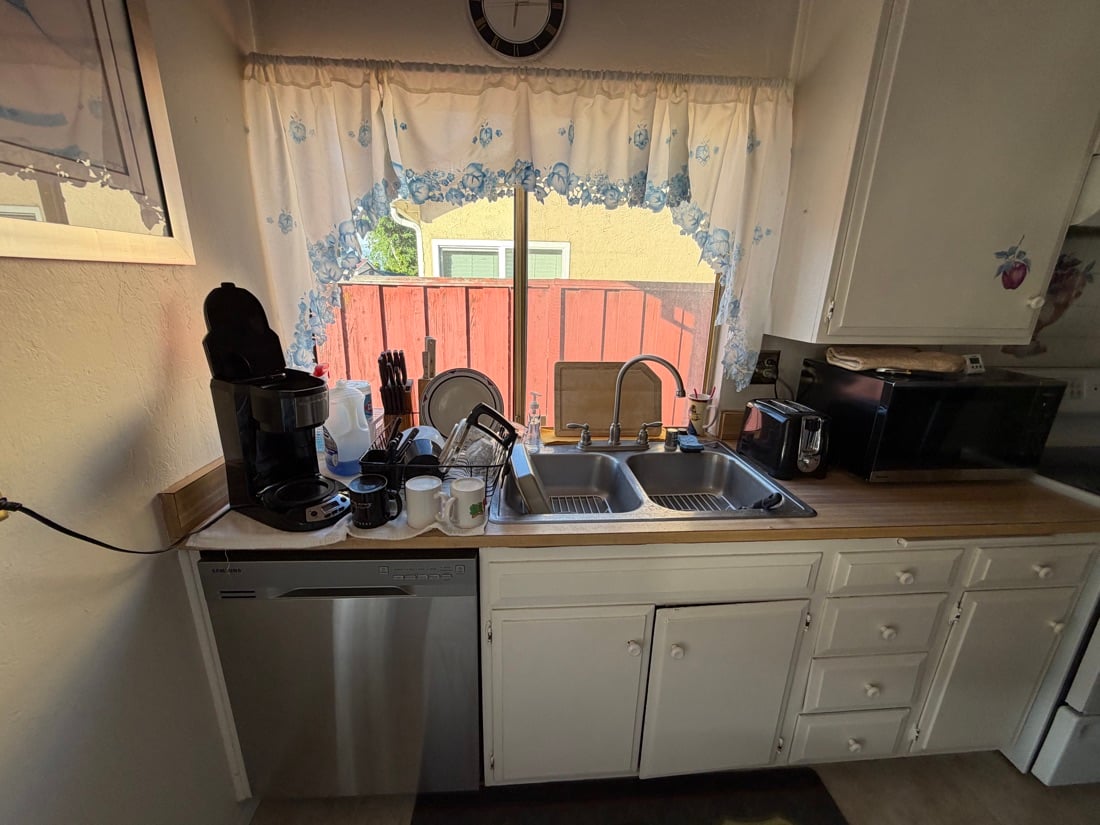
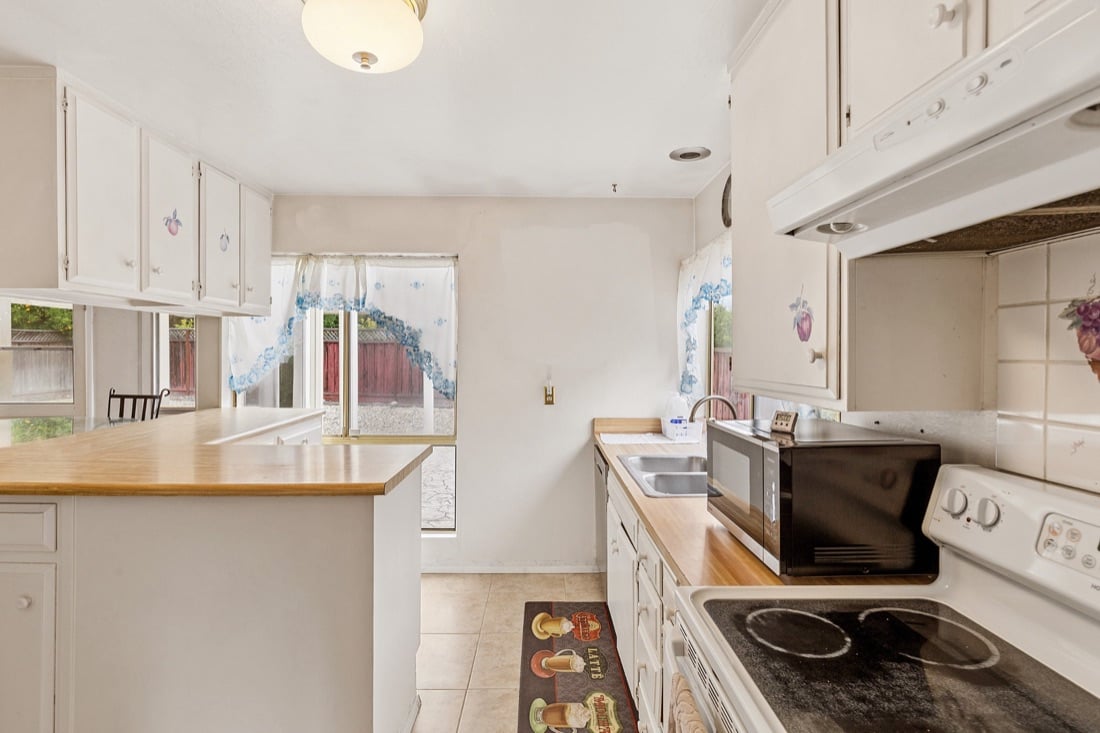
Kitchen
Counters cleared and window coverings removed to let in light.
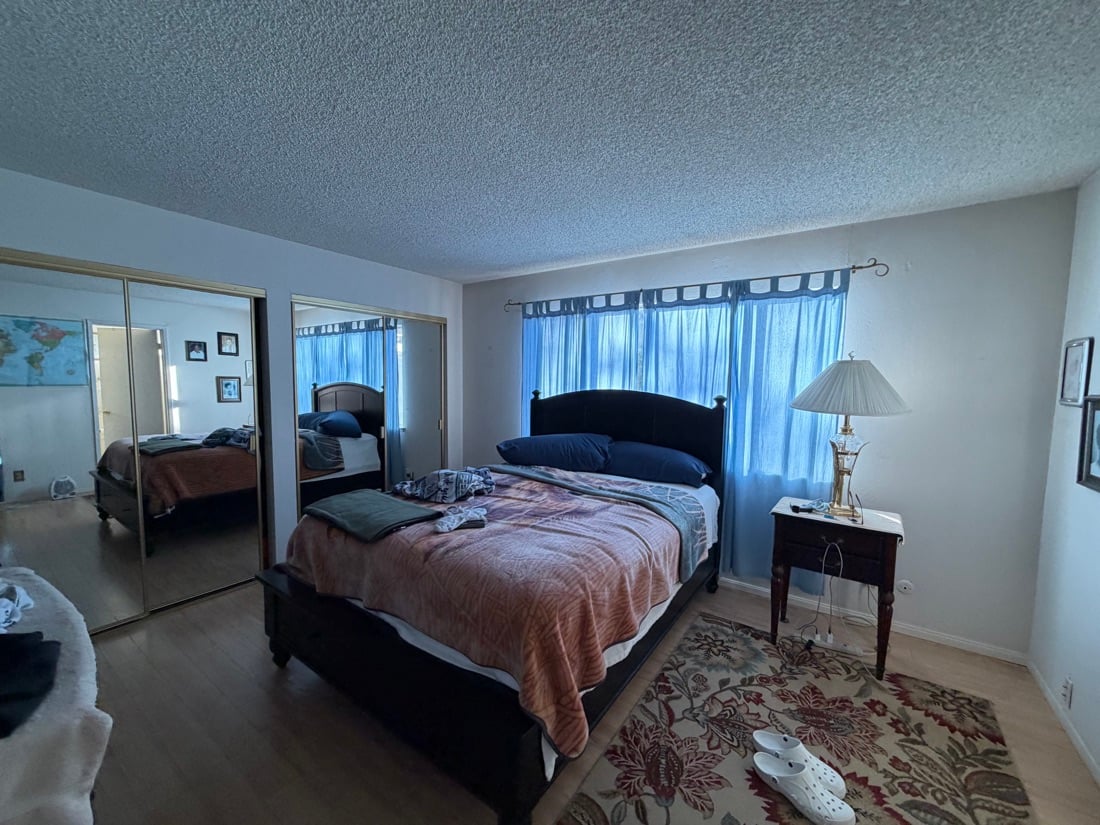
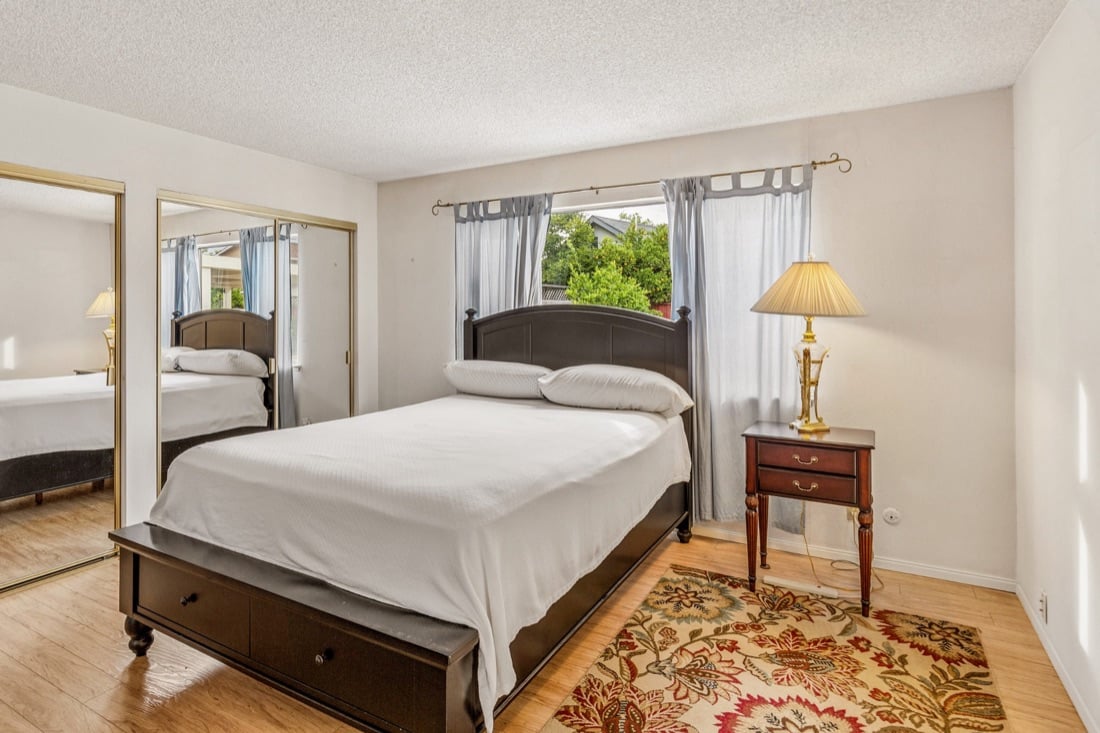
Bedroom
Fresh white bedding and a clean, simple layout.
The Offer
On May 15, eight days after the house went active, an offer came in from a licensed agent, who said she was buying a home for her son. Her offer included:
- 30% down with conventional financing
- No loan, appraisal, or inspection contingencies, all removed at signing
- No buyer’s agent commission
- A 30-day close
- A free rent-back for the seller through June 30
The offer was $1,250,000. I used a net sheet to walk the seller through counter scenarios, and he countered. The buyer countered back over the weekend while we held the second round of open houses. Those open houses were again low-traffic and produced no other serious buyer, so I recommended the seller accept. We agreed on $1,275,000 on May 17, and the deposit went up to 3%. The appraisal and the buyer’s second visit took place on the same morning a few days later, and the house was never back in question.
Planning the Next Chapter
Selling the house was only half of the seller’s move. During escrow I also helped him plan the other half:
- A local agent at the other end. I spent a fair bit of time interviewing agents to find him a great REALTOR® in the Central Valley. He drove down to tour neighborhoods and came back with a favorite, Southwest Bakersfield. With the proceeds from the San Jose sale, he bought his new home there for cash.
- Time to do it right. The rent-back meant he could stay in the house through the end of June instead of moving twice.
- Advice on the proceeds. I connected him with a financial advisor to plan how to invest the sale proceeds in retirement.
Escrow: Clearing the Solar Loan
The solar system was financed through a credit union, which had recorded a lien on title. The service agreement also had to be transferred to the buyer. We started the transfer early, but the lender was slow to respond to escrow’s payoff demand. The seller sent me his final statement, escrow got the payoff, and the lien was cleared through escrow. The buyer received the complete set of solar documents at closing, and the sale closed on schedule on June 16.
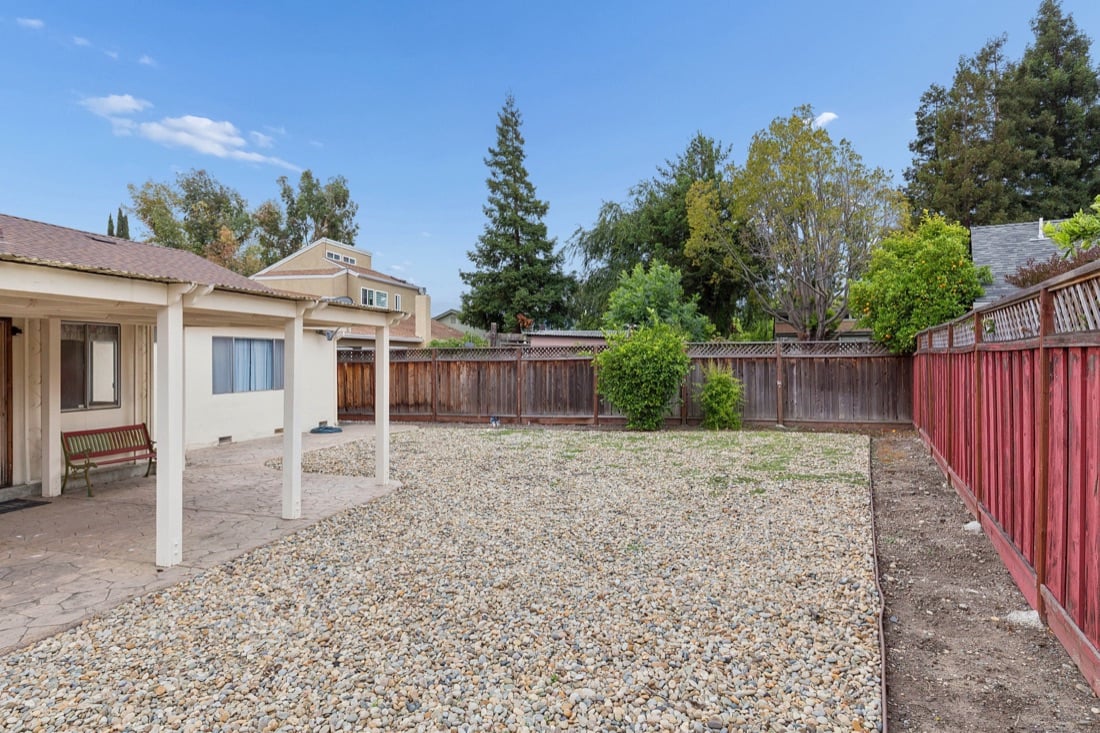
Backyard with covered patio, gravel yard, an ocean of gravel, and not much else
Free 2026 Strategy Guide
28 legal ways long-time owners cut their capital gains tax. Know your options before you list.
After decades in Silicon Valley, your gain can blow past the $250,000 and $500,000 exclusions. The guide walks through each strategy, a real bracket-by-bracket example, and what to settle before you list.
You're all set. Thanks! Your Capital Gains Strategy Guide is on its way to your inbox. If you don't see it in a few minutes, check your promotions or spam folder.
Timeline
| Date | Milestone |
|---|---|
| April 22 | First contact with the seller about selling his home “with an add-on in back that is not up to code” |
| April 23 | Listing agreement signed and escrow opened |
| April 24 | Approved for Compass Concierge; 53-item prep list delivered; insurance quote obtained |
| April 27 | Termite inspection, for disclosure only |
| April 29 | Coming Soon on the MLS |
| May 4 | Professional photography |
| May 6 | Pre-listing home inspection |
| May 7 | Disclosures signed; listed Active at $1,300,000 |
| May 9–10 | Three open houses on the first weekend; 12 visitors on Saturday |
| May 15 | Offer received at $1,250,000 with all contingencies removed |
| May 16–17 | Second weekend of open houses; counter offers exchanged |
| May 17 | Accepted at $1,275,000, 10 days after going active |
| May 19 | Buyer’s 3% deposit fully in escrow |
| May 21 | Appraisal completed |
| May 28 | Solar service transfer to the buyer started |
| June 3 | Seller introduced to a Bakersfield Realtor |
| June 9 | Buyer’s final walk-through; seller signs closing documents |
| June 12 | Solar loan payoff confirmed by escrow |
| June 16 | Sale closed on schedule |
| June 30 | Free rent-back ends; seller moves to the Central Valley |
The Takeaways
- A sale is half of a move. For a seller leaving the area, the next home and the timing matter as much as the sale price. Planning the other end during escrow meant he had time to choose well.
- Disclose before a buyer discovers it. Inspections, a permit history, and a signed disclosure turned an unpermitted addition from a deal-killer into a known, priced-in fact.
- Online estimates don’t see condition. Every automated valuation was 13% to 24% above the final sale price. Pricing from the actual house set realistic expectations and avoided a stale listing.
- Start solar payoffs on day one. Solar lenders are often the slowest party in a transaction.
The seller bought the house in 2003 for $490,000. Twenty-three years later, he sold it for $1,275,000 in 10 days, with no contingencies and no repair credits. Then he bought his next home in the Central Valley for cash – a much newer home, much more suited to his lifestyle, and close to longtime friends and family, and now with hundreds of thousands of dollars in cash to sustain his lifestyle for years to come

Senior Friendly Homes in Silicon Valley South
2
3
4
5
6
7
8
9
10
11
12
13
14
15
16
17
18
19
20
21
22
23
24
25