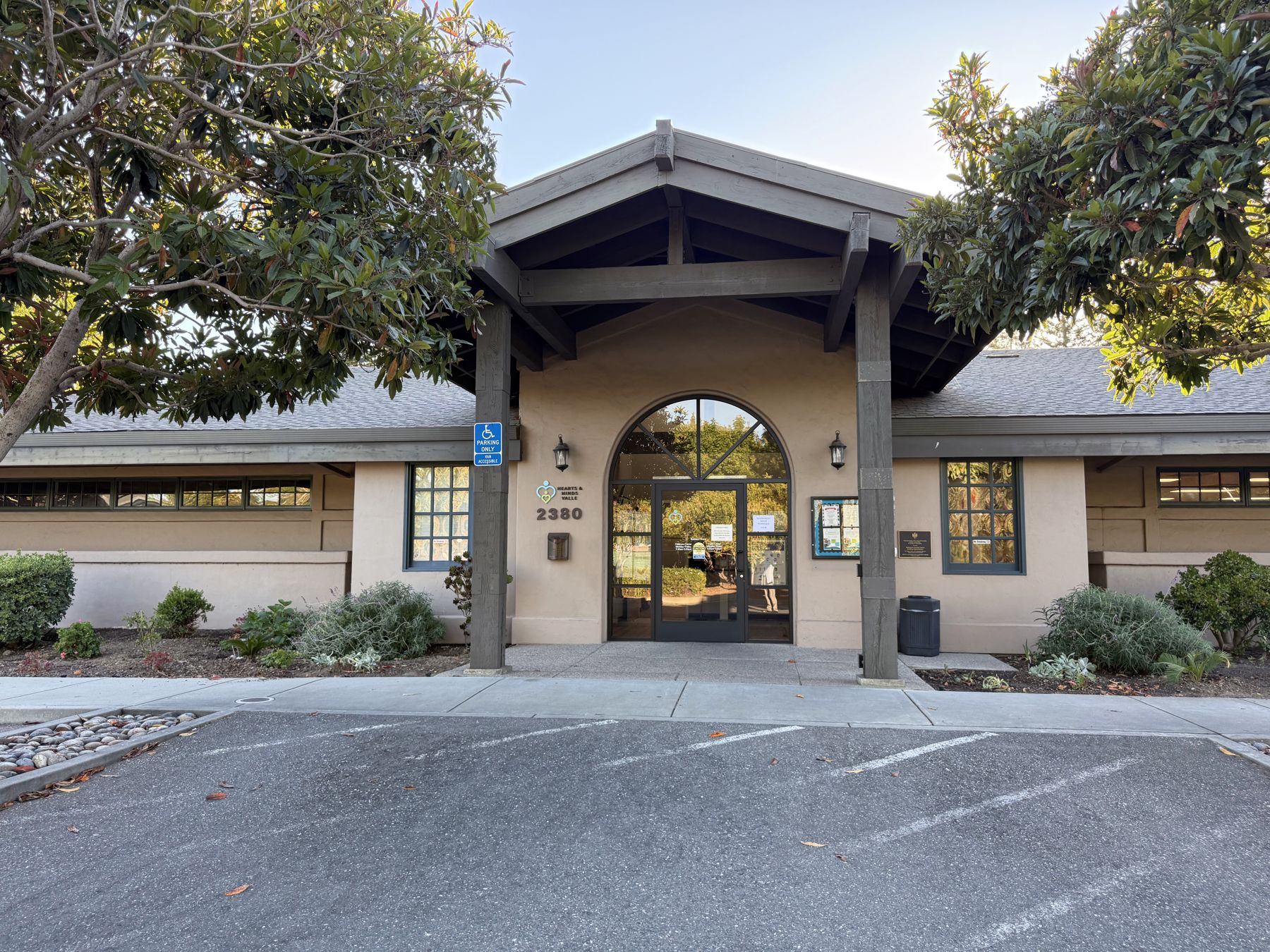
When a parent is living with dementia and still at home, the hardest stretch is usually the middle of the day. The person doing the caregiving can’t leave, can’t work, and slowly runs out of steam. Hearts & Minds Activity Center in San Jose was built for exactly that problem, and it’s one of the places I bring up most often with Silicon Valley families who are trying to figure out how long Mom or Dad can stay in the house. I walked through the center recently and took the photos in this guide, and I’ve pulled together what families actually need to know about the programs, who qualifies, how enrollment works, and what to ask about cost.
Key Takeaways
Summary: Hearts & Minds Activity Center is a San Jose nonprofit that has run a dementia-specific adult day program since 1984 and added a licensed preschool in 1992. Adults at every stage of dementia spend weekdays in activity rooms grouped by ability, with a catered lunch, personal care help, a secure quarter-acre backyard, and a daily visit with the preschoolers. Families get dependable daytime respite and free caregiver support, which often lets a parent stay home longer before assisted living or memory care becomes necessary.
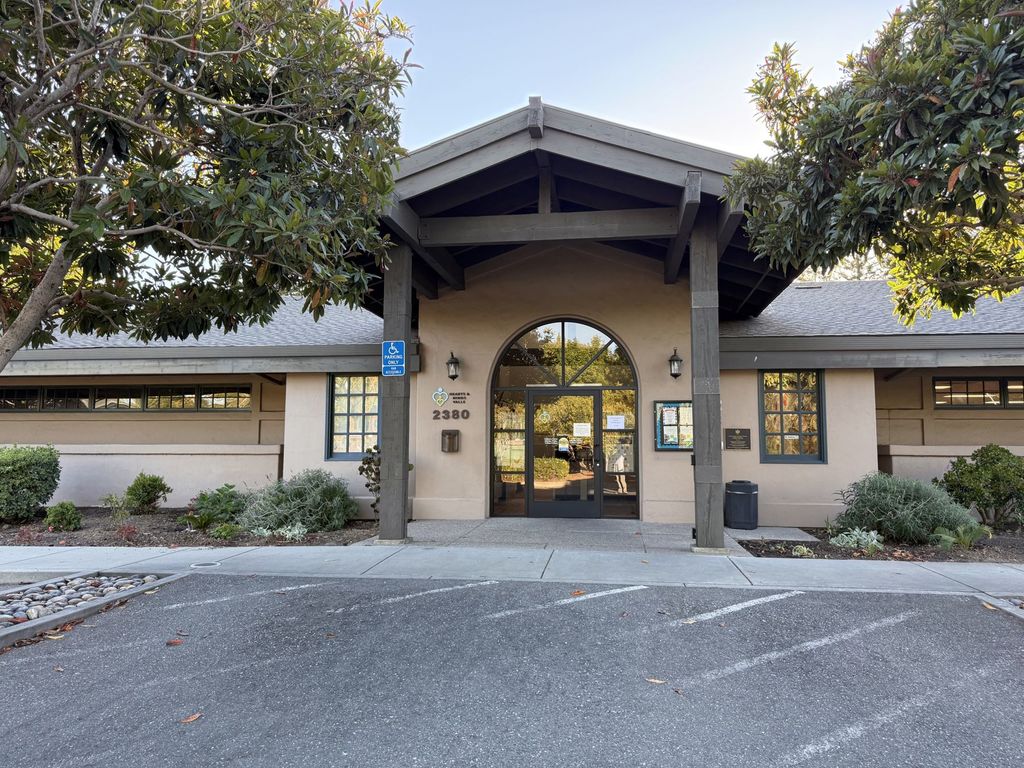
The front entrance at 2380 Enborg Lane, near Santa Clara Valley Medical Center.
What Hearts & Minds Activity Center Is
Hearts & Minds is run by Respite & Research for Alzheimer’s Disease, a 501(c)(3) nonprofit that has been doing this work in San Jose since 1984. According to the center’s own history, it was the first large-capacity, dementia-specific adult day program in the country, and it has served nearly 7,000 people living with dementia and their families over four decades. The building sits near Santa Clara Valley Medical Center in central San Jose, in a 13,000 square foot secure facility designed around how people with memory loss move through a space.
The adult day program is licensed by the California Department of Social Services, and Hearts & Minds is described as one of California’s original Alzheimer’s Day Care Resource Centers, the state model built to help families keep a loved one at home longer. That’s the part I care about as a REALTOR® who works with older adults. Most of the families I meet aren’t choosing between a house and a facility on day one. They’re trying to buy time, and good daytime care is one of the most effective ways to do it.
The center is led by CEO Maria Nicolacoudis, who grew up less than a mile from the current site and has spent her career running nonprofits for adults with disabilities. San José Spotlight profiled her in March 2026, reporting that the center was serving 93 adults and 17 children at the time with a staff of about 30, and that it’s licensed for up to 150 adults.
Inside the Adult Day Program
The Adult Activity Center is the heart of the place. The building has four program areas set up for different levels of functional ability, so someone in the early stage isn’t spending the day in the same room, at the same pace, as someone in the late stage. That grouping matters more than families expect. A parent who still loves conversation and word games will feel insulted in a room built for advanced dementia, and the reverse leads to frustration and agitation.
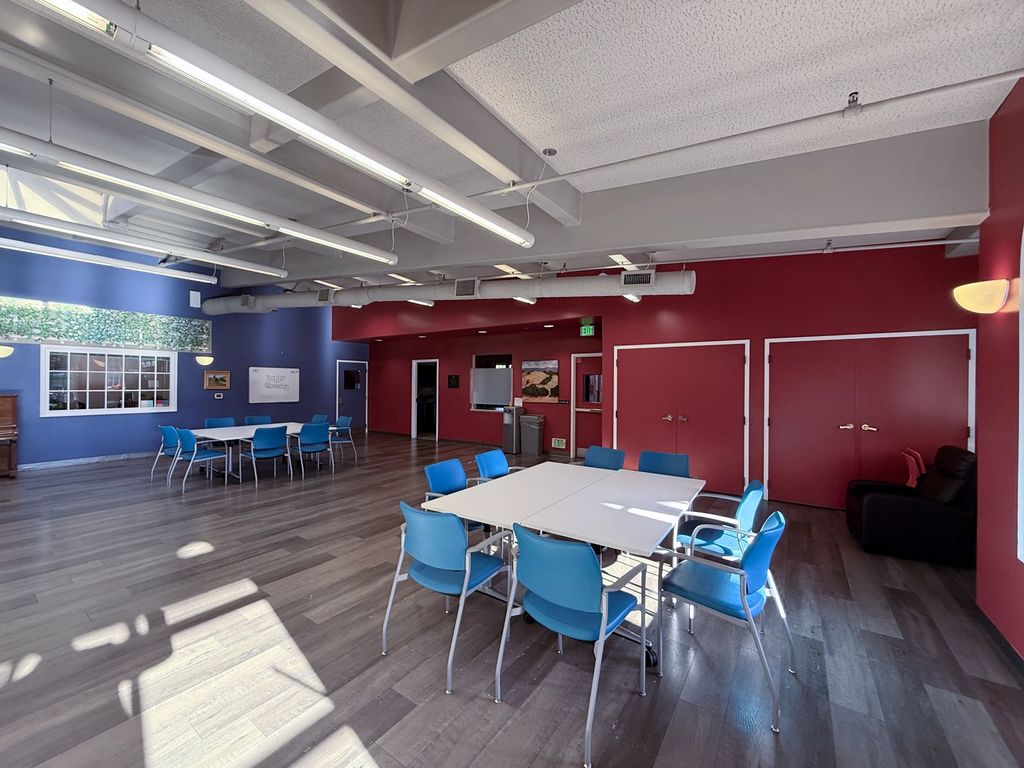
One of the main activity rooms, set up for small group activities.
The rooms are bright and colorful, with plenty of tables for small groups, and the day runs on a full schedule. Activities listed by the center include arts and crafts, music, dancing and singing, creative writing and a book club, gardening, cooking, games and guided discussion, pet therapy, and exercise like t’ai chi, chair exercise and laughing yoga. Staff are trained as Certified Dementia Practitioners, and the care approach draws on Teepa Snow’s GEMS model, which meets each person where their abilities are today rather than where they used to be.
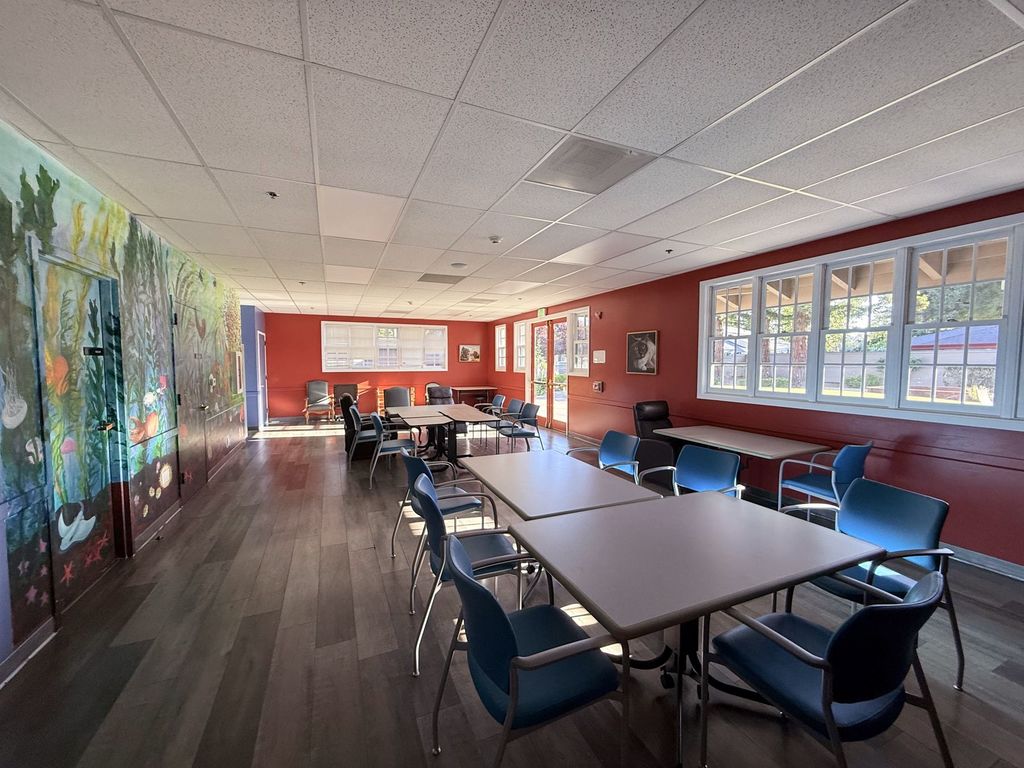
A hand-painted undersea mural runs the length of this activity room, which opens toward the backyard.
The practical side of the day is covered too. Here’s what’s included, based on what the center publishes:
- Meals: A catered lunch and two snacks, overseen by a registered nutritionist, with special diets accommodated and staff available to help with eating.
- Personal care: Help with toileting and eating, handled with dignity.
- Medications: Staff can dispense prescribed medications with written physician orders, as long as they arrive in original pharmacy-labeled containers. It isn’t a medical facility.
- Outdoor time: A secure quarter-acre backyard with walking paths, bocce, shuffleboard and outdoor games, plus a small space called Grandma’s Garden for gardening and quiet time.
- Brain work: Word games, discussion groups and creative projects in smaller, calmer rooms.
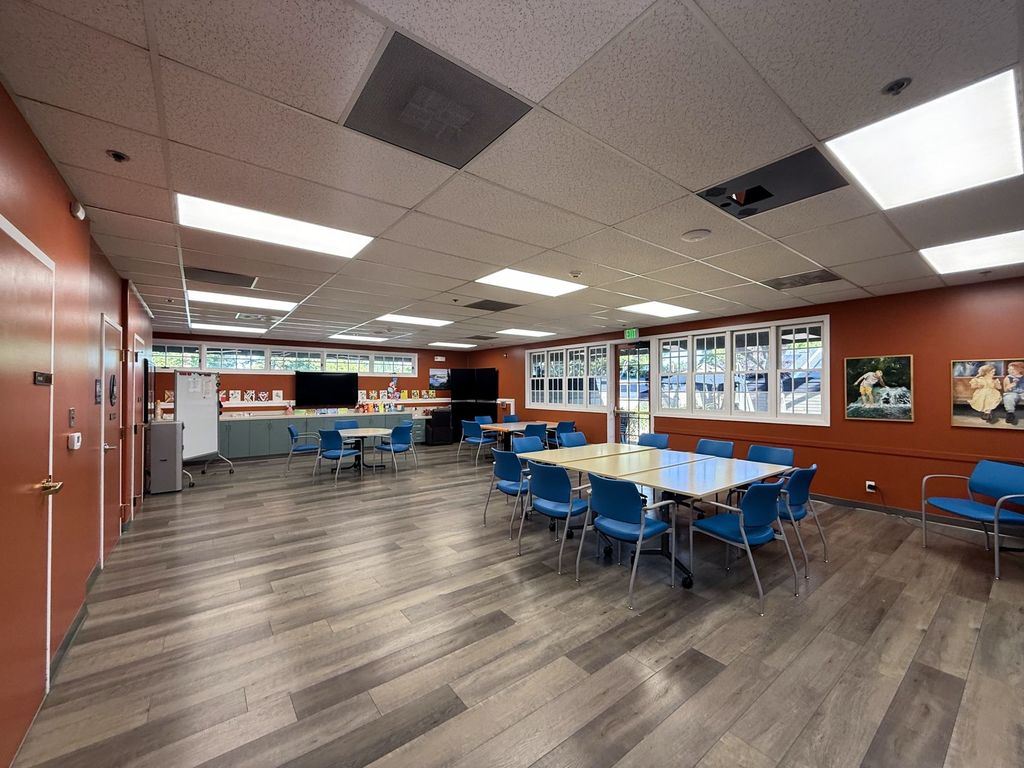
An arts and crafts counter, TV and original paintings in one of the program rooms.
Some of the smaller rooms are set up for focused work. One had a whiteboard full of rhyming word lists from a recent session, another had a building-block set out on the table, and another had computer stations and a pair of 3D printers. For someone with early memory loss who’s used to being mentally busy all day (and in Silicon Valley, that’s a lot of retired engineers), that kind of variety is a big deal.
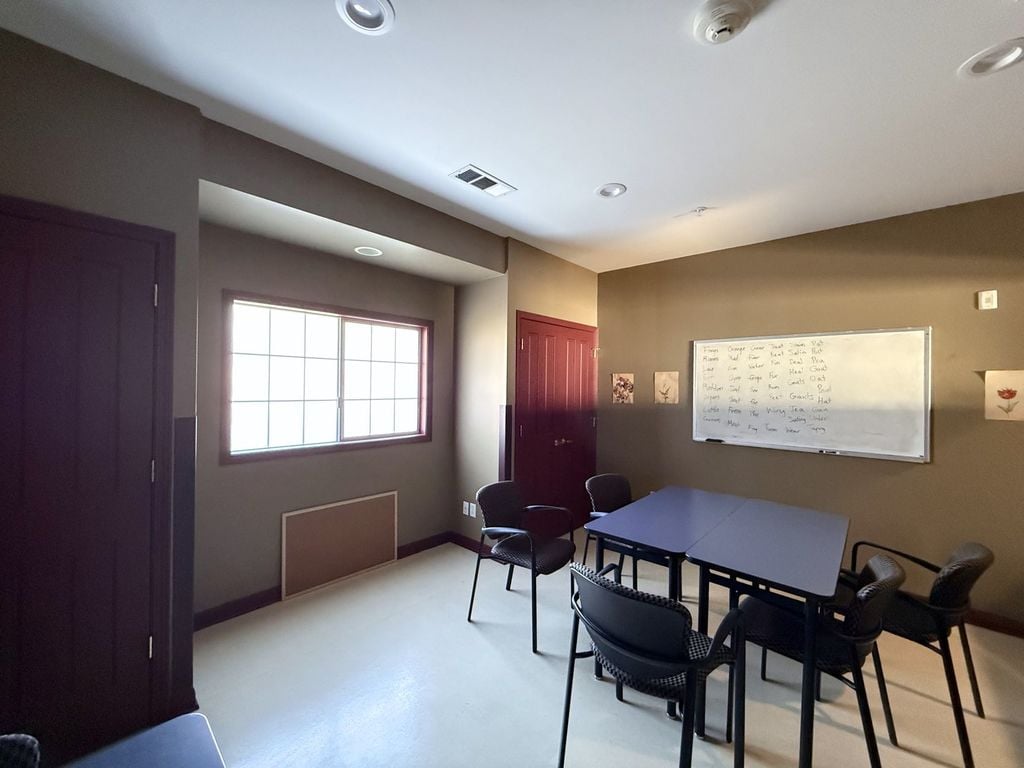
Rhyming word lists left on the whiteboard after a word game session.
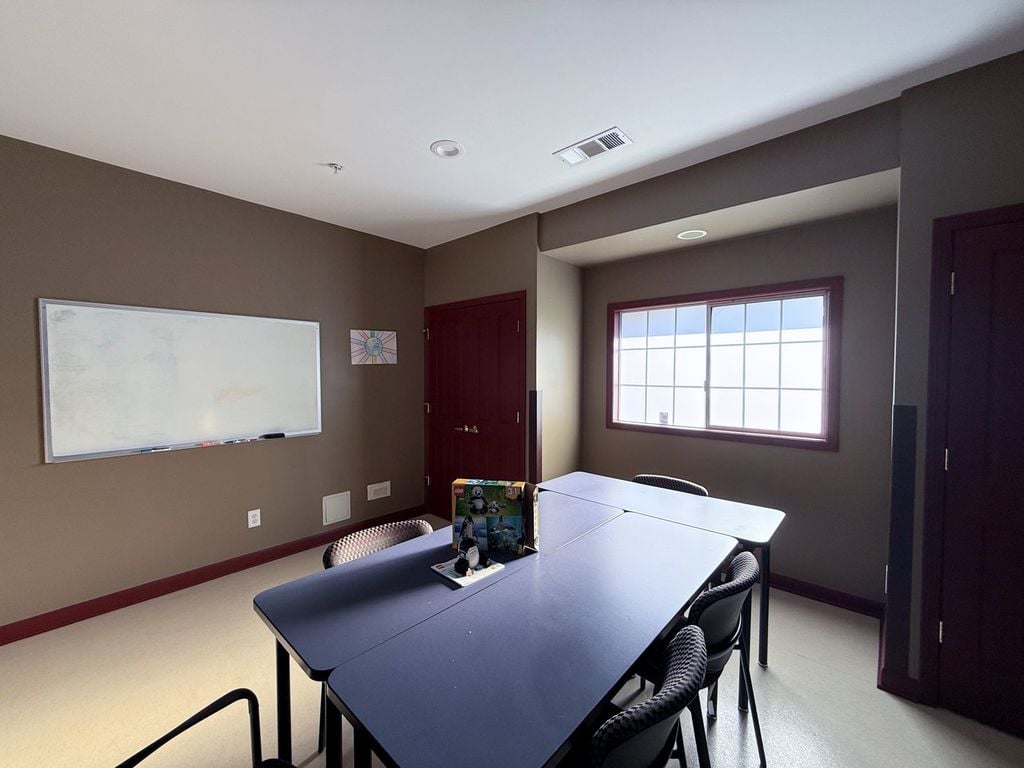
A quieter room for smaller groups and hands-on projects.
Free 2-minute family assessment
Worried about Mom and Dad? See If It's Time to Have The Talk.
Answer a dozen quick questions about what you've noticed, the house itself, and who in the family is involved. You'll get an honest read on how urgent things really are and a plan for starting the conversation without a family fight.
Take the Quiz →Rather talk now? Call or text 408.413.3087
The Preschool Next Door and the Intergenerational Program
What makes Hearts & Minds different from almost every other adult day program in the South Bay is the licensed childcare center under the same roof. It started in 1992 as child care for staff, many of whom were working mothers, and it became popular enough to open to the public. Today it serves children from age 2 through entry-level first grade with a play-based curriculum, small class sizes and multilingual staff.
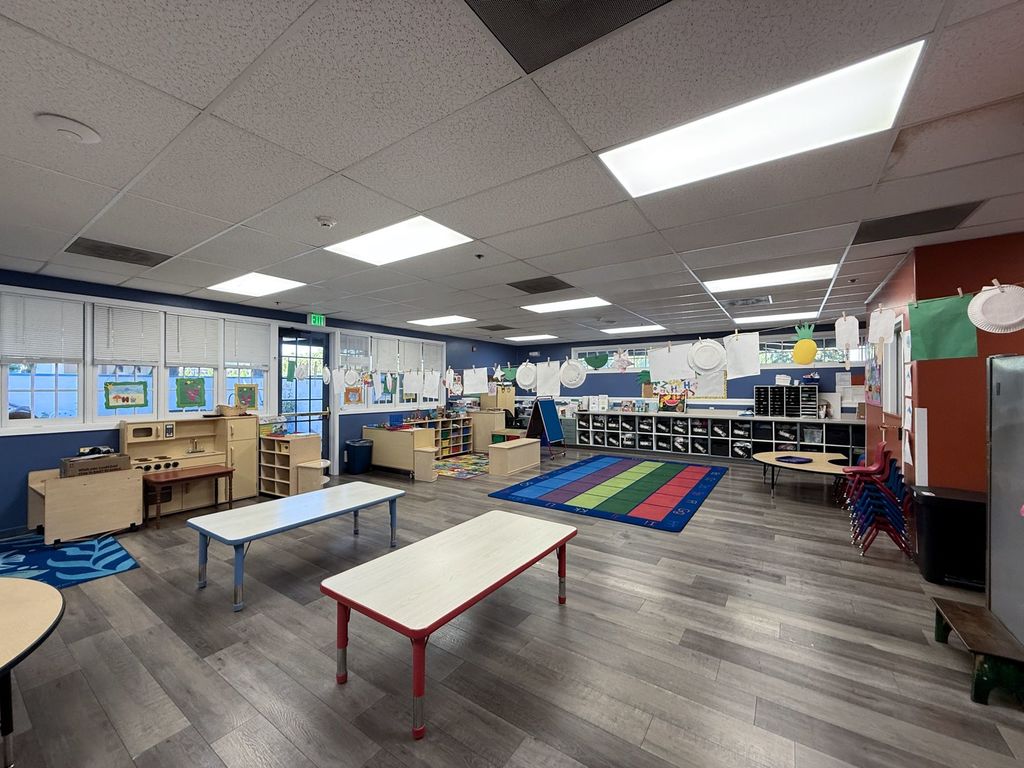
The licensed preschool classroom shares the building with the adult program.
Every weekday the two programs come together. NBC Bay Area’s Bay Area Proud segment described the kids and the “grandmas and grandpas” meeting each morning at 10:30 for crafts, dancing, storytime and gardening, with the older adults taking real roles like reading to the children or leading a project. The center’s leadership told NBC that the visits give the adults joy and a sense of purpose, and that the kids leave with more empathy and better social skills. Hearts & Minds is also recognized by Generations United as a Program of Distinction, the national standard for intergenerational programs.
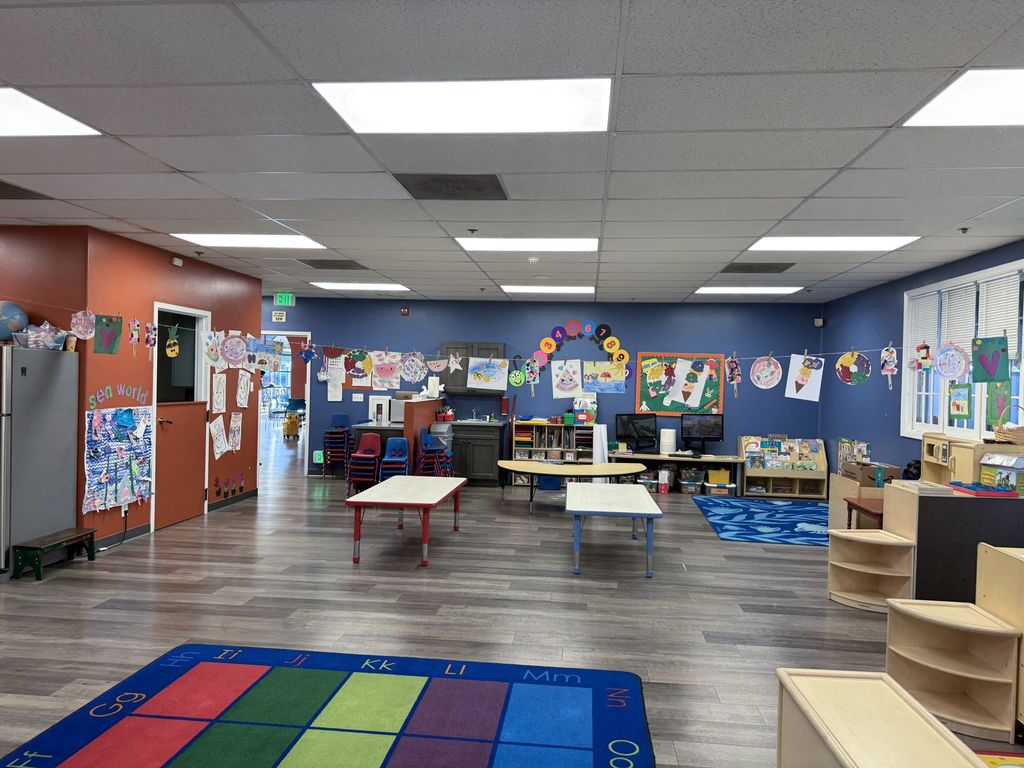
Preschool artwork strung across the classroom, with the doorway toward the adult side of the center.
I can tell you from experience that this piece lands hard with families. A lot of the parents I work with were the person everyone else leaned on for 40 years. Being needed by a four-year-old, even for twenty minutes, gives them back something dementia takes away. If you’re a younger family, the preschool also offers breakfast, lunch and an afternoon snack, a monthly visit from the Santa Clara County Library bookmobile, kindergarten readiness work, and optional potty-training help for an added fee. Children need to attend at least three consistent days a week.
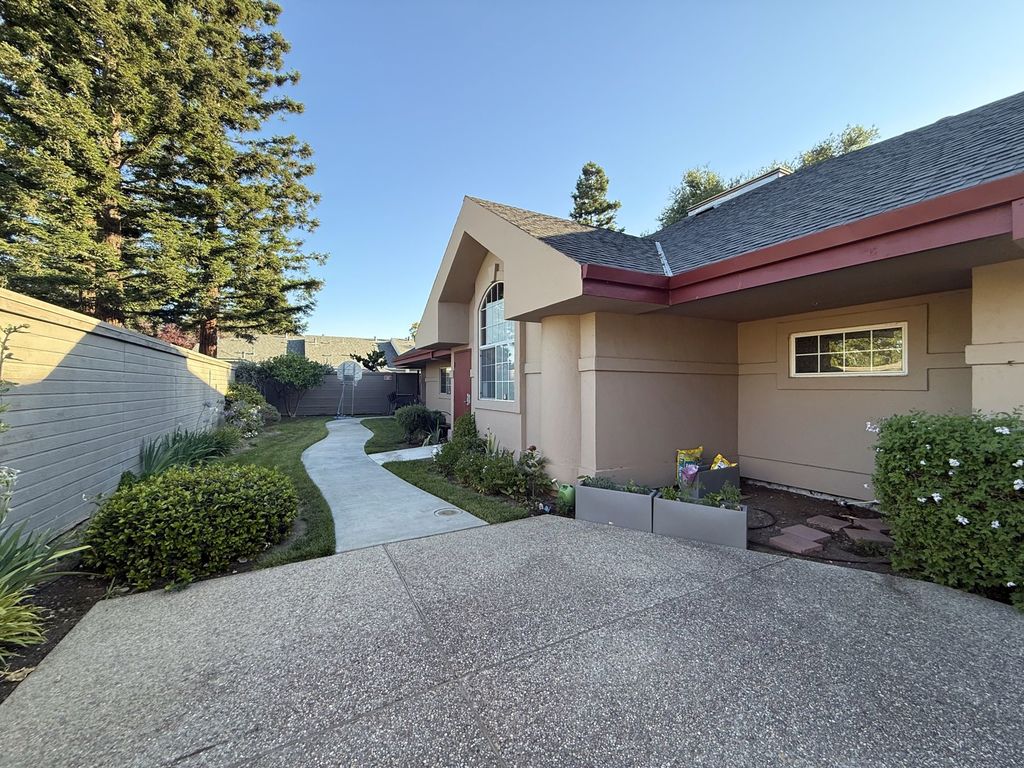
Raised planter boxes and garden paths outside, where kids and adults garden together.
Who Qualifies and How Enrollment Works
The eligibility rules are short and clear, which I appreciate. To join the adult program, a person needs:
- A medical diagnosis of dementia, at any stage from newly diagnosed to advanced.
- The ability to walk with minimal assistance. A cane or walker is fine, but the program isn’t set up for people who can’t walk.
- A commitment to at least three set days per week. There’s no minimum number of hours, and extra days can be added with 24 hours’ notice, but changes to the regular days happen month to month.
The process starts with the inquiry form on the Adult Activity Center page. Someone calls you back within two business days to start the application, and then your parent comes in for a one-hour visit where staff observe how they walk and how they settle in socially. Hearts & Minds doesn’t do drop-in tours, so don’t just show up. Call first.
If you’re the adult child in this situation, the three-day minimum is worth thinking through before the visit. It’s there because routine really does help people with dementia, but it also means you’re planning around a weekly schedule, transportation, and whoever is doing the drop-off. If siblings are splitting the load, sort that out early. I’ve seen sibling tension start over far smaller logistics than this.

Free Guide for Families
Selling Mom or Dad's Home to Pay for Care?
Bay Area assisted living runs $7,800 to $8,300 a month, and the house is usually the only asset big enough to cover it. This guide walks you through timing the sale, who has legal authority to sign, the capital gains rules for seniors in care, and how a sale affects Medi-Cal and VA benefits, so the decision gets made from strength instead of in a crisis.
Read the Family Guide →What It Costs and How Families Pay
Hearts & Minds doesn’t publish its fees, so you’ll need to call (408) 279-7515 for current rates. For context, CareScout’s 2025 Cost of Care Survey put the national median for adult day health care at $95 a day, against a national median of $6,200 a month for assisted living. Bay Area prices run higher than national medians across the board, so treat that number as a floor, not an estimate. When you call, ask about these:
- VA benefits: CBS News Bay Area reported that county grants and VA benefits help some families cover the cost, including a veteran featured in the story.
- Long-term care insurance: Many policies cover adult day care. Pull the policy and check the elimination period before your first visit.
- Medi-Cal: Hearts & Minds is a social-model adult day program, which is different from the Medi-Cal CBAS adult day health centers, so don’t assume Medi-Cal applies. Ask the staff what options exist for your situation.
Here’s how I look at the numbers with families. Even at a Bay Area rate, three to five days a week of adult day care usually costs a fraction of full-time in-home care or a move into memory care, and it keeps the house, the routine and the neighborhood in place for longer. When care costs do eventually outgrow what income and savings can cover, that’s when we start talking about the house itself. I’ve written a full guide to selling a home in the Bay Area to pay for senior care, and if Mom owns a rental, this story about selling a rental property to pay for memory care may be useful.
Free Support for Caregivers
You don’t have to enroll a parent to use the caregiver support programs, and they’re free and open to the public. This is one of the most underused resources in Santa Clara County, in my opinion. The current lineup includes:
- Weekly virtual caregiver group: Thursdays at 2:00 PM on Zoom, led by Tami Anastasia, MA, a counselor who specializes in dementia caregiver support. The Zoom link is on the center’s caregiver page.
- Memory Café: A relaxed social gathering for people living with memory loss and the people who love them. Recent cafés have been held at Zanotto’s Market on Naglee Avenue in San Jose.
- Thriving Minds: A newer program for people with memory loss who are still independent, focused on education, emotional support and planning ahead.
- Community events: The center hosts resource fairs and social events through the year, including its Oktoberfest Resource Fair & Festival. Check the events listing on the homepage for current dates.
The caregiver programs are funded in part by El Camino Health Foundation, and the center keeps a list of local caregiver resources for Santa Clara County.
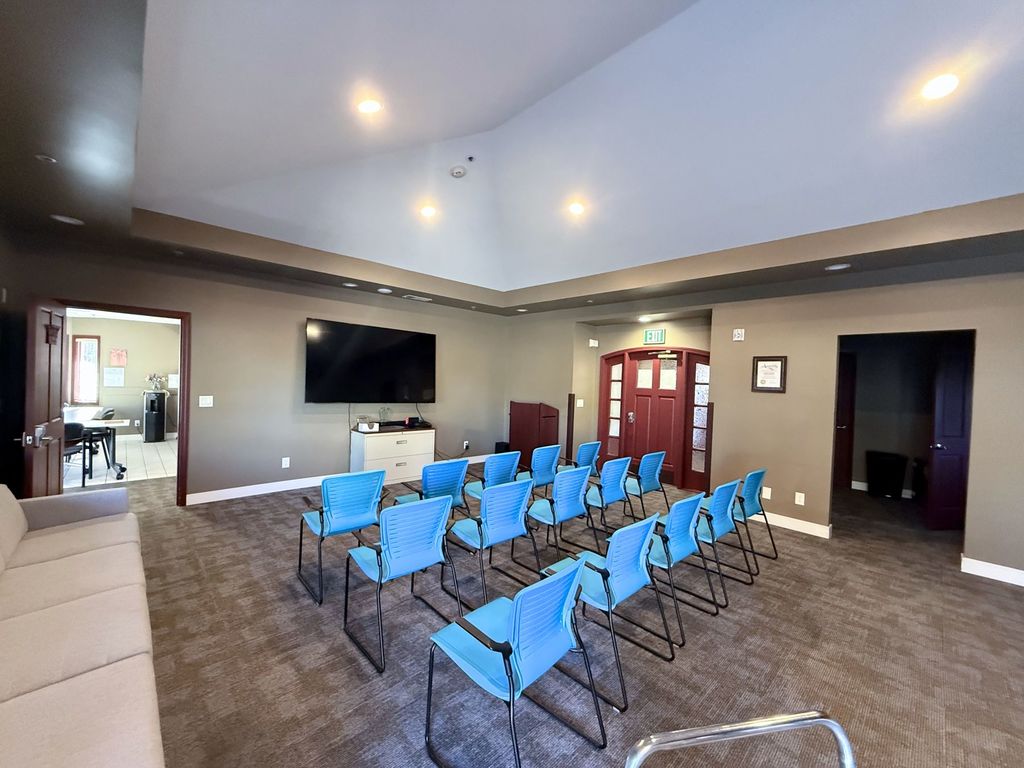
A meeting room set up for presentations and group sessions.
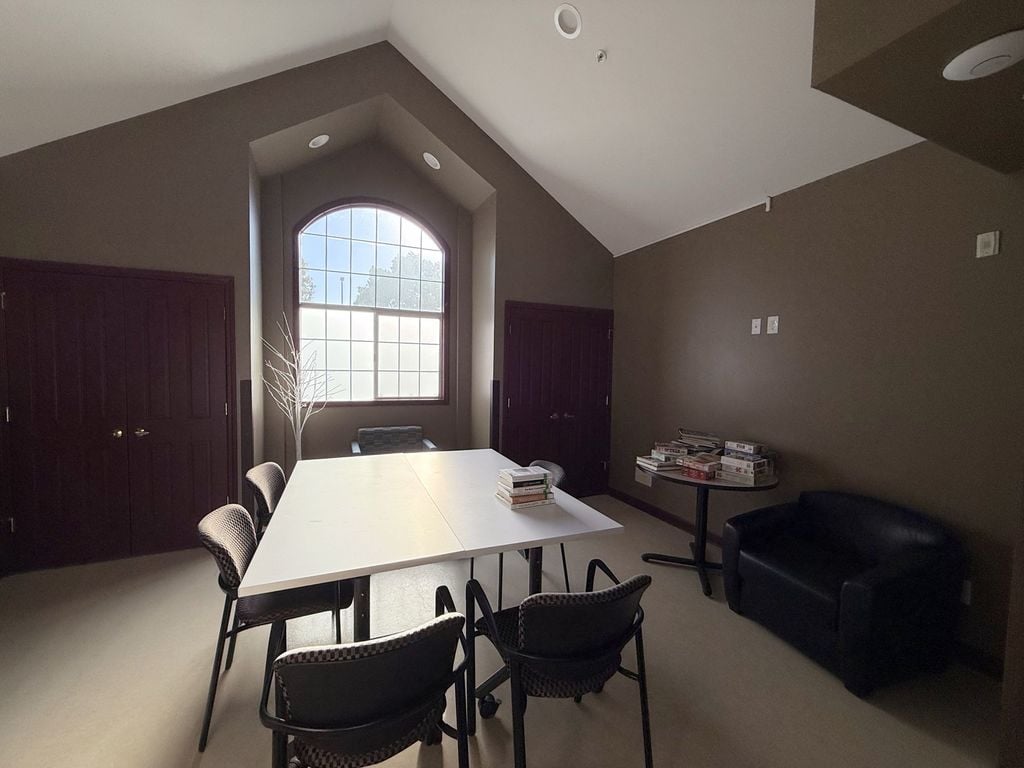
Books and jigsaw puzzles in a room with a vaulted ceiling and arched window.

Moving to assisted living?
Need move-in money in a hurry?
Move-in fees and first months' rent can top $20,000 within days. Compass Concierge can now cover them, repaid when the house sells.
See How It Works →Need help today? Call or text 408.413.3087
Why Adult Day Care Matters for Staying at Home
More than 7 million Americans are living with Alzheimer’s today, according to the Alzheimer’s Association, and most of them are cared for at home by family. In Silicon Valley that usually means a spouse in their seventies or an adult child who’s also holding down a demanding job. The house is often fully paid off, carries a low Prop 13 tax base, and represents most of the family’s net worth, so the decision to leave it is a big one and shouldn’t be made in a crisis.
Hearts & Minds says caregivers consistently report less stress, more confidence, and a delay in nursing home placement. That lines up with what I see. A family with reliable weekday care can plan a move on their own timeline, whether that means modifying the house to age in place, moving to a single-level home, or eventually transitioning to memory care with a plan already in place. A family without it tends to end up making every one of those decisions in the same stressful month.
If you’re still in the early stage of noticing changes, my guide on signs it’s time to help your parents downsize and the piece on talking to aging parents about the family home are good places to start. For a wider look at what’s available for active older adults, see my guide to Silicon Valley senior centers.
Volunteering and Giving
Hearts & Minds relies on volunteers and donors, and it’s a good fit for people who want to give time locally. Volunteers help staff with small and large group activities, and musicians are especially welcome. Expect to show a negative TB test from the past year and attend a 90-minute orientation. You can find details on the Get Involved page, and the organization posts its audited financials and IRS Form 990s on its financials page, which is always a good sign of a well-run nonprofit.
Contact Information
- Address: 2380 Enborg Lane, San Jose, CA 95128
- Phone: (408) 279-7515
- Website: heartsandmindsactivitycenter.org
- Hours: Weekdays, with a full-day schedule built around working caregivers. Call to confirm current hours and the holiday closure calendar.
- Tours: By appointment only, through the inquiry form or by phone.
Frequently Asked Questions
What is Hearts & Minds Activity Center?
Hearts & Minds Activity Center is a nonprofit adult day program in San Jose for people living with Alzheimer’s disease and other dementias. It’s operated by Respite & Research for Alzheimer’s Disease, has been open since 1984, and also runs a licensed preschool on site with daily intergenerational activities.
Where is Hearts & Minds Activity Center located?
The center is at 2380 Enborg Lane, San Jose, CA 95128, near Santa Clara Valley Medical Center. The phone number is (408) 279-7515.
Who is eligible for the Hearts & Minds adult day program?
Adults with a medical diagnosis of dementia at any stage are eligible, as long as they can walk with minimal assistance. A cane or walker is fine. Members must attend at least three set days per week, and a tour plus a one-hour assessment visit are required before enrolling.
How much does Hearts & Minds cost?
Hearts & Minds doesn’t publish its fees, so call (408) 279-7515 for current rates. Ask about VA benefits, long-term care insurance coverage and any grant-funded assistance. Nationally, CareScout’s 2025 survey put the median cost of adult day health care at $95 a day, and Bay Area rates tend to run higher.
Can I drop in to tour Hearts & Minds?
No. The center doesn’t offer drop-in tours. Submit the inquiry form on the website or call, and staff will contact you within two business days to schedule a visit.
What ages does the Hearts & Minds childcare center serve?
The licensed childcare center serves children from age 2 through entry-level first grade, including children who aren’t potty trained yet. Children must attend at least three consistent days a week, and families start with a 30-minute tour followed by two free one-hour play visits.
Are the Hearts & Minds caregiver support groups free?
Yes. All of the center’s support groups are free and open to the public, whether or not your loved one attends the day program. The weekly virtual caregiver group meets Thursdays at 2:00 PM on Zoom.
Can adult day care help a parent with dementia stay at home longer?
For many families it can. Reliable weekday care gives the family caregiver time to work and rest, and Hearts & Minds reports that caregivers see less stress and a delay in nursing home placement. That extra time also lets a family plan any housing change on their own schedule instead of in a crisis.
If your family is caring for a parent with dementia and wondering what the house should look like in the plan, whether that’s staying put, downsizing or eventually selling to pay for care, I’m happy to talk it through with no pressure. You can reach me at 408-413-3087 or book a time on my calendar.
Free 3-minute decision check
Stay, downsize, or move away? Find out which one costs you the least.
For longtime Bay Area owners, the wrong call can cost six figures in taxes, remodeling, or years of higher living costs. Answer a dozen quick questions and see all three paths side by side, with a rough dollar figure for what each one would cost you or free up.
See My Best Path →Rather talk now? Call or text 408.413.3087
Senior Friendly Homes in Silicon Valley South
2
3
4
5
6
7
8
9
10
11
12
13
14
15
16
17
18
19
20
21
22
23
24
25