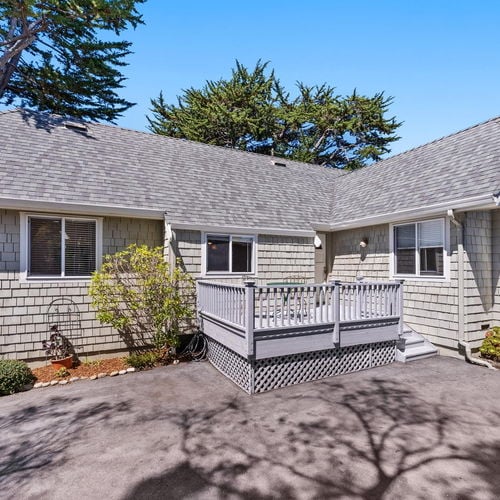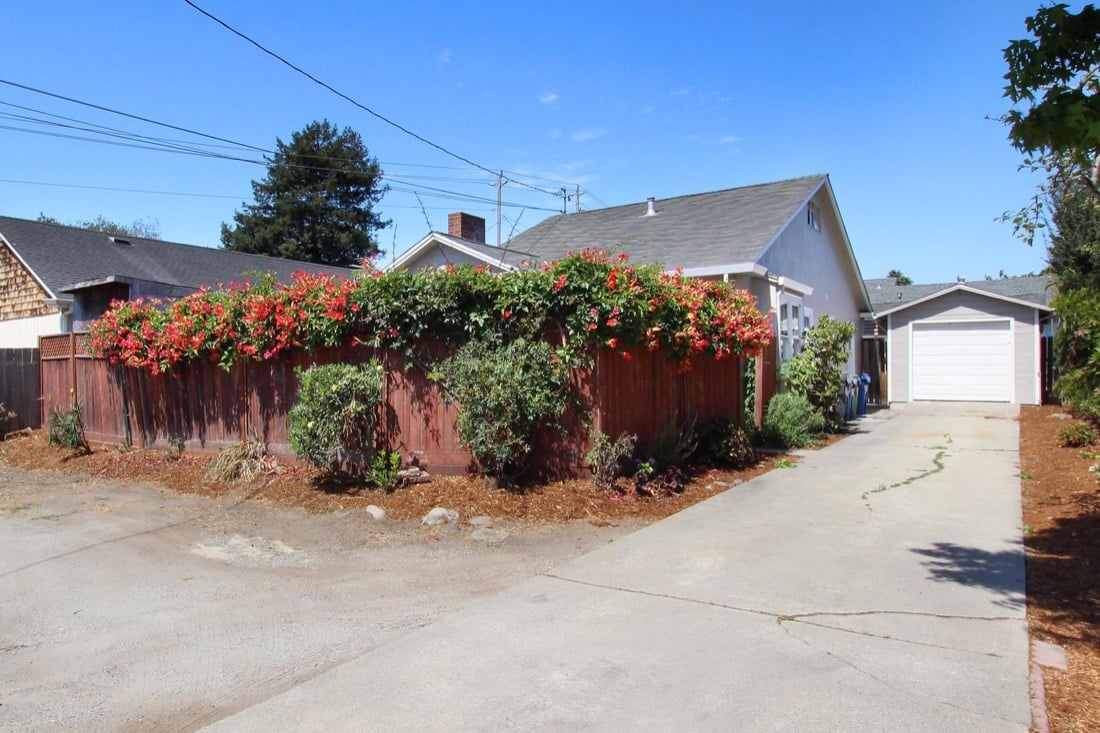
Main house, rear cottage and attic studio · Three rental units, two maybe even legal · Hired to closed in 128 days
A decades-old homestead with three rental units and years of deferred maintenance, sold by her son, a court-appointed conservator who had never lived there and knew little of its history. It was prepped, marketed and closed in 128 days from the day the family hired me, for $920,000 cash.
The Results
- $920,000 sale price, all cash, with no appraisal or loan contingency
- 8 days from going live on the MLS to the first offer
- 23 days from accepted contract to closing
- $20,000 held back from the buyers’ $35,000 price reduction request after inspections
- About $8,300 in prep work, with $5,620 of it paid out of escrow at closing
The Situation
The owner could no longer manage the property, and the court had appointed her son as conservator with authority to sell. In March the family reached out to me through mutual connections in the community. They had the court’s permission to sell and were interviewing more than one agent. They wanted someone with real experience in multi-unit property and deferred maintenance.
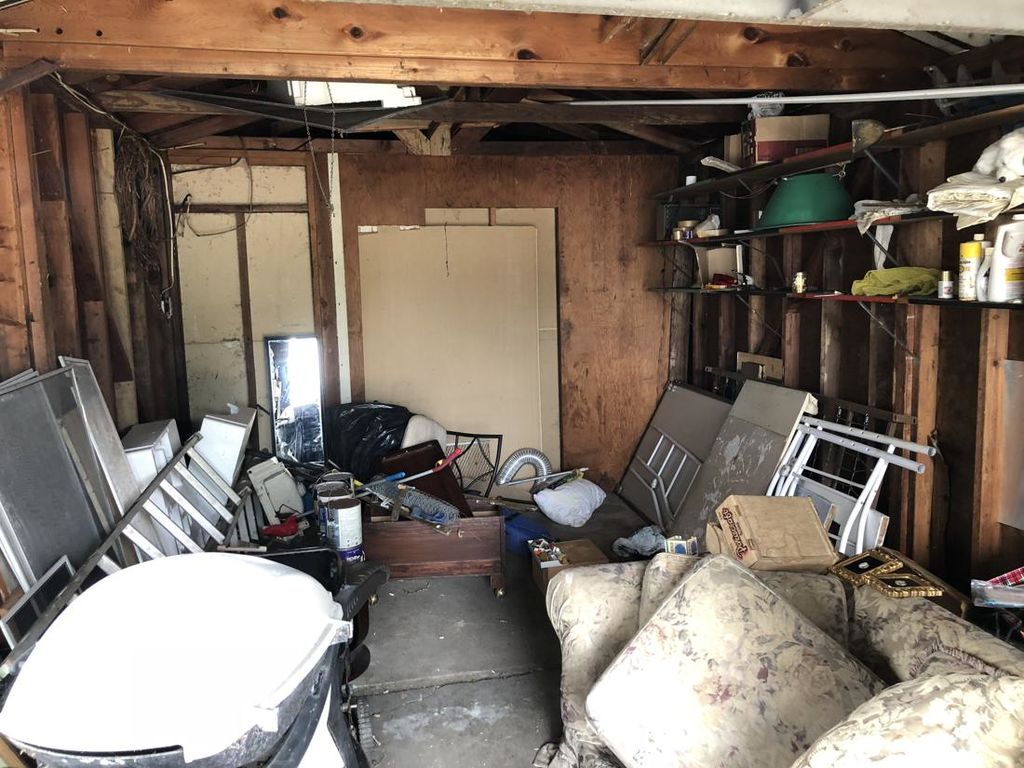
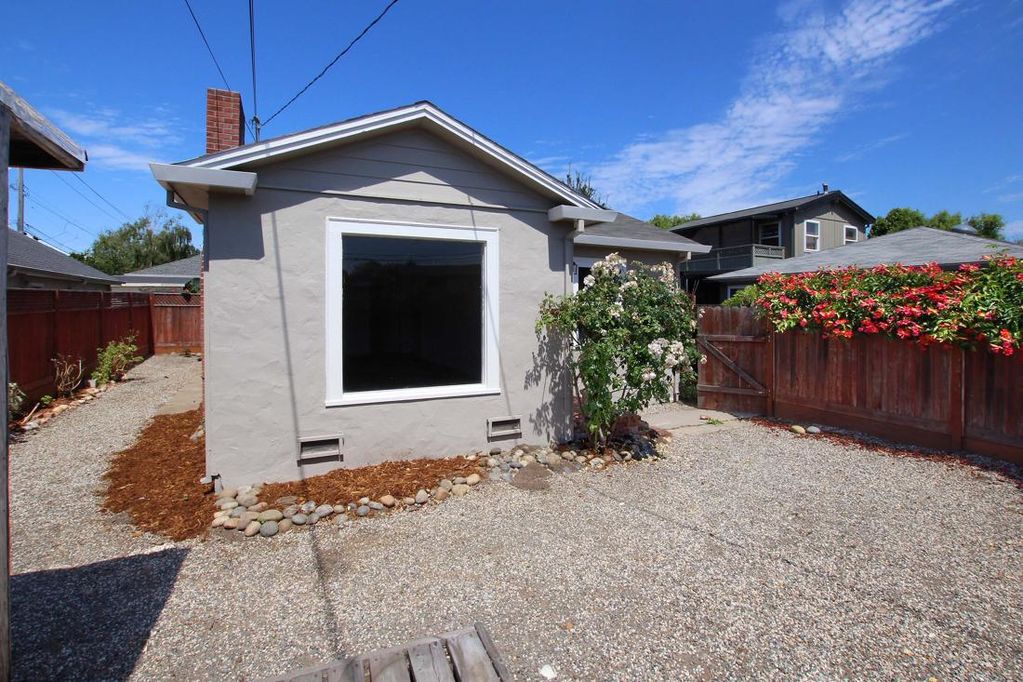
The property had a two-bedroom main house, a one-bedroom rear cottage of about 440 square feet, and a studio in the attic of the front house. It also had a one-car garage, off-street parking, two gardens and a central patio. All three units were rented month to month for a combined $4,475 a month, with the main house leased to three college students. The exterior was painted a teal green that very few buyers would choose, the garage was full, and the conservator could answer almost no questions about past repairs.
The lot is zoned R-1-6 for a single family, which allows one accessory unit. A third unit raised the question of whether it was legal. With the conservator’s authorization I pulled the county assessor’s records. They showed the rear cottage on the property for decades, which pointed to it being “grandfathered.” The attic studio showed up in the records much later, meaning it was apparently non-confirming and unpermitted.
A conservator sells under different rules from an ordinary owner. The seller is exempt from the standard Transfer Disclosure Statement, the court’s paperwork has to be recorded at closing, and every decision has to be defensible as being in the owner’s interest.

Free Guide for Families
Selling Mom or Dad's Home to Pay for Care?
Bay Area assisted living runs $7,800 to $8,300 a month, and the house is usually the only asset big enough to cover it. This guide walks you through timing the sale, who has legal authority to sign, the capital gains rules for seniors in care, and how a sale affects Medi-Cal and VA benefits, so the decision gets made from strength instead of in a crisis.
Read the Family Guide →What We Did
1. Brought the tenants along and built a prep plan
Before the family told the tenants about the sale, I suggested how to put it: nobody was being evicted, a new owner might well keep them on, their rights would be respected, and there would be no surprise showings. Each tenant filled out an estoppel certificate confirming their lease terms, and every visit went out with proper notice.
After walking the property in April, I gave the family a written list of recommendations:
- Order termite and home inspections up front, so there would be no surprises later.
- Get a roof replacement bid, about $13,000, and keep it on hand for buyers without doing the work.
- Paint the exterior in a neutral color, using a painter willing to wait until closing to be paid.
- Clean up the landscaping and clear the garage before photos.
- Keep the main house vacant once its tenants left. The likeliest buyer was a family or multi-generational household who would live in it.
2. Spent on what buyers see first, and paid for it at closing
I brought in the painter and landscaping crew I used on man of my listings. Both agreed to take a deposit up front and the balance out of escrow, so the family did not have to fund the whole prep budget before the house sold.
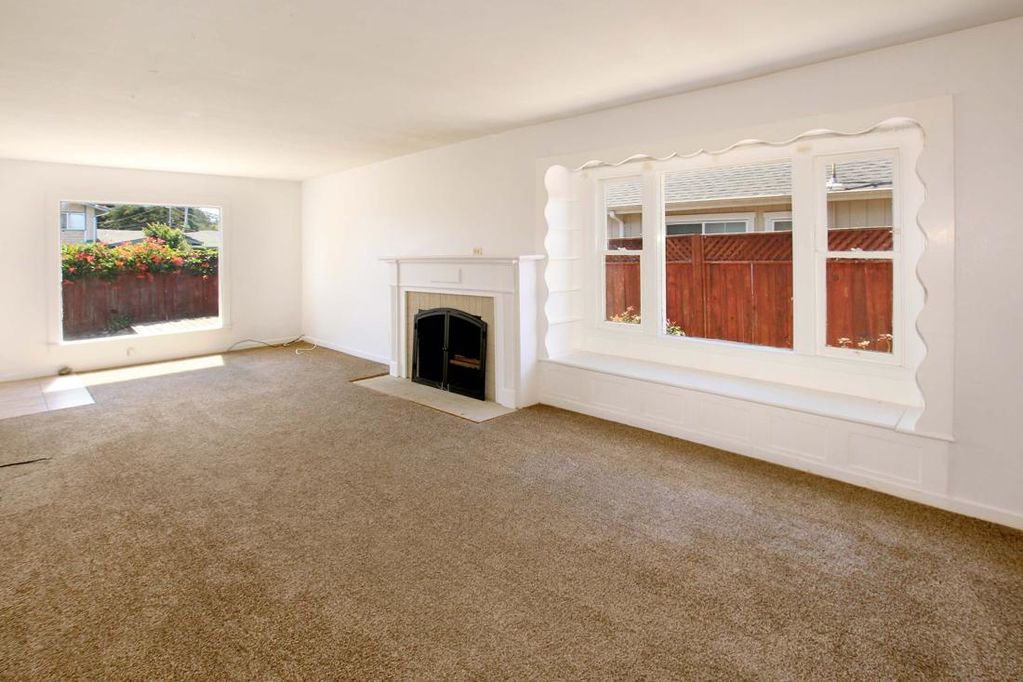
For the exterior I priced three options: trim only ($2,000), full pressure wash plus trim ($2,200), or pressure wash and paint both buildings ($5,000). I recommended painting everything in neutrals. The family agreed and picked a warm taupe for the body with white trim. Once the cottage was empty, we painted its interior one color, a soft off-white in a satin finish, to match the exterior trim. Satin is easier to clean than flat or eggshell without the shine of semigloss, which makes it a good choice for a rental.
| Work | Cost | How It Was Paid |
|---|---|---|
| Pressure wash and paint both structures, with putty, sanding and stucco crack repair | $5,000 | Deposit up front, balance from escrow |
| Rear cottage interior paint: walls, ceilings and bath (labor) | $2,400 | Deposit up front, balance from escrow |
| Landscaping for all yards, two yards of mulch, overgrown shrub removed from the front window, green waste hauled | $780 | Half down, half before closing |
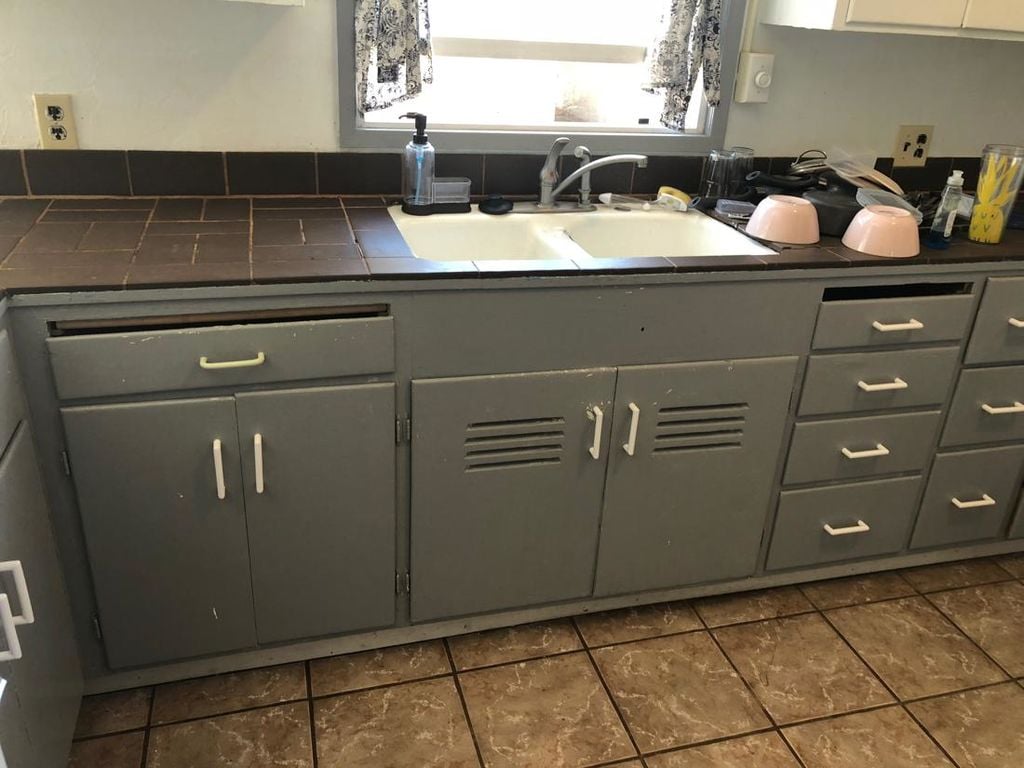
| Cottage counter repair (rotted wood replaced, tile reset) and new light fixtures installed | $120 | From escrow |
| Garage clean-out, window washing, move-out cleaning, window coverings removed | – | Handled by the family and crew |
| Total | $8,300 | $5,620 paid out of escrow at closing |
3. Got a second opinion before tearing into the walls
In June the main house lost its hot water. A new water heater went in, but pressure was still low to nonexistent, and a plumber suggested the old galvanized pipes needed replacing. Re-piping an occupied house of that age means opening floors, walls and ceilings, so I advised against it unless there was no other option.
I met a second plumber at the house for a camera diagnosis. He found that a check valve had been installed upside down and the hot and cold lines to the new water heater were reversed. The fix cost $230. Pressure was strong and the water was hot that afternoon, and no walls were opened.

Free 2-minute family assessment
Worried about Mom and Dad? See If It's Time to Have The Talk.
Answer a dozen quick questions about what you've noticed, the house itself, and who in the family is involved. You'll get an honest read on how urgent things really are and a plan for starting the conversation without a family fight.
Take the Quiz →Rather talk now? Call or text 408.413.3087
4. Gave the family two prices and let them choose the plan
I valued the property on income as well as on comparable sales, since a buyer could use it as a family compound, as a rental, or live in one unit and rent the others. At the rents in place, the income approach pointed to about $912,900. At market rents of roughly $4,900 a month, $950,000 was supportable. I pulled four sets of comps: houses with granny units, both active and sold, and small multi-family properties, both active and sold.
I laid out two options. At $950,000 we would test the market and expect an offer within a few weeks, with room to negotiate. At $899,000 we would likely draw multiple offers quickly and let competition push the price up. The family chose to test $950,000.
“The price you set for a home has much more to do with your marketing strategy than it does with how much it will actually sell for.”
— From my July pricing note to the family
5. Listed it twice and pitched it straight to the agents who would show it
The property fit two buyer pools, so it went on the MLS twice: once as a single-family home with accessory units and once as multi-family. Buyers searching either way would find it.
It went up as Coming Soon on July 10 and went live the night of July 17. Within two days I had emailed about 1,580 local agents, pitched it at the local Board of REALTORS® marketing meeting, and started Facebook ads for the first open house. There were professional photos, a video tour, printed flyers at the sign, a broker tour and a guess-the-price contest for open house visitors.
The family had a live status page showing every showing and every piece of agent feedback. The full disclosure package was online from the first day, so any buyer who got serious could read everything the same afternoon. In the first week there were 5 showings, 3 disclosure packages requested, and one buyer back for a second showing.
6. Held firm twice, and let the buyers’ own number close the gap
Eight days after the listing went live, the first offer came in: $900,000, all cash, no appraisal contingency, a 21-day close, and $952,000 proof of funds. The family felt it was too low, and we countered at $935,000. The buyers came back at $920,000. The family looked at the market, decided they had already come down enough, and chose not to counter again. The next day the buyers accepted $935,000.
The buyers then ordered foundation, mold, pest and electrical inspections, plus a chimney bid of more than $4,000. When their reports ran late on the contingency deadline, I explained the options to the family, who were traveling at the time. They chose to serve a Notice to Buyer to Perform and declined a two-day extension. I also reminded them that any reports the buyers produced would have to be disclosed to the next buyer if this one walked.
On August 15 the buyers asked to drop the price to $900,000. The family asked me straight out whether I thought the property was only worth $900,000. I told them that brokers were talking about a softening market, but local sales data still looked steady. With these reports in hand, I expected a price in the $900,000 to $920,000 range, and I suggested countering at $910,000 to $915,000. The family set $920,000, the buyers’ own July counter, as their final number. I made the case to the buyers’ agent that afternoon, and the buyers agreed that evening.

Moving to assisted living?
Need move-in money in a hurry?
Move-in fees and first months' rent can top $20,000 within days. Compass Concierge can now cover them, repaid when the house sells.
See How It Works →Need help today? Call or text 408.413.3087
| Date | Step | Price |
|---|---|---|
| July 17 | Listed on the MLS | $950,000 |
| July 25 | First offer, all cash | $900,000 |
| July 26 | Seller counter offer | $935,000 |
| July 27 | Buyers counter back; family declines to counter again | $920,000 |
| July 28 | Buyers accept the seller’s counter | $935,000 |
| August 15 | Buyers ask for a reduction after inspections | $900,000 |
| August 15 | Seller’s final number, accepted that evening | $920,000 |
7. Kept escrow from getting derailed
- A title report that said “multi-family.” The preliminary title report and public land-use records called the property multi-family, but the parcel is zoned R-1-6. I raised it with the escrow officer and briefed a local lender, whose appraiser’s view was that it would appraise as a single-family home with an accessory unit. Because the listing ran under both property types, the question never narrowed the pool of buyers.
- A seller with no history to share. As an exempt seller, the conservator completed the short-form disclosure. We added the one thing the family did know about, a French drain behind the cottage. When the buyers asked about old foundation repairs, I wrote up their question and the conservator’s answer with a photo, and had it signed and delivered the same week.
- A mortgage servicer that wouldn’t talk to the conservator. The loan servicer wouldn’t release payoff information until it had the Letters of Conservatorship on file. The conservator sent them, and the payoff came through in time.
- Court and tax paperwork. I walked the family through the California Form 593 withholding choices and sent them to their CPA for the final call. I hand-delivered a certified copy of the Order to Sell to escrow for recording. The conservator signed at the title office on the morning of closing, and the sale recorded that afternoon.
Timeline: Hired to Closed in 128 Days
Prepare
- March 29: The family reaches out, interviewing more than one agent.
- April 10: Listing interview over coffee.
- April 14: Family hires me with the court’s Order to Sell in hand. Assessor records requested the same day.
- April 25: Walk-through of all three units. Written prep recommendations sent the next day.
- May 3–7: Pre-listing termite and home inspections.
- June 1–10: Pressure wash, then exterior paint on both buildings.
- June 13–20: Landscaping across all yards.
- June 22: Hot water problem diagnosed and fixed for $230, with no re-piping.
- June 27–July 17: Cottage interior painted, garage cleared, counter repaired, lights installed, all units cleaned.
Market
- July 10–11: Coming Soon on the MLS. Escrow opened with no buyer yet.
- July 13: Professional photo shoot.
- July 17: Live on the MLS at $950,000, listed as both single-family and multi-family.
- July 21: First open house.
Negotiate
- July 25: Offer at $900,000, all cash.
- July 26–28: Seller counters at $935,000. Buyers counter at $920,000. Family holds, and buyers accept $935,000.
- August 2–9: Disclosures signed, including the foundation Q&A.
- August 13: Notice to Buyer to Perform served. Extension declined.
- August 15: Buyers ask for $900,000 after inspections. Family names $920,000 as final, and buyers agree that evening.
- August 16: Price addendum signed by both sides. Certified Order to Sell delivered to escrow.
Close
- August 20: Seller and buyers sign at the title office. Recorded and closed the same afternoon.
- August 21: Buyers’ final walk-through: nothing to note.
The Takeaway: A Conservatorship Sale Still Needs a Plan
The family couldn’t answer buyers’ questions about the house’s past, so we answered them another way: assessor research, a pre-listing inspection, a disclosure package online from day one, and a written, signed response to every question that came up. The prep budget went to what buyers see first, and most of it was paid out of the sale proceeds rather than the family’s pocket. When a plumbing problem threatened a costly repipe, a second opinion turned it into a $230 fix.
Pricing was a choice between speed and a higher starting point. The family chose the higher price and got a cash offer in eight days. They held firm twice. In July they refused to go below $935,000, and in August they answered a $35,000 reduction request with the buyers’ own earlier number. The sale closed at $920,000, $20,000 above what the buyers asked for.
The family was traveling during the most critical stretch of escrow, so most decisions were made by text and e-signature, often within the hour.
“Thank you for your service and time! It was a stressful time to have it happening over vacation, but glad you were available to provide real time info.”
— The conservator’s spouse, at closing
Free Family Strategy Session
Paying for Mom or Dad's care with the house? Find out how many months of care it will fund.
In a 30-minute call, we'll estimate your parent's net proceeds after selling costs and taxes, map that against the care costs you're looking at, and sort out timing: sell before the move, after it, or bridge the gap. You'll leave with real numbers and a clear order of operations. No listing agreement, no pressure.
Book My Family Strategy Session →Senior Friendly Homes in Silicon Valley South
2
3
4
5
6
7
8
9
10
11
12
13
14
15
16
17
18
19
20
21
22
23
24
25