The median home price in Santa Clara County sits well above $1.5 million in 2026. Older adults looking to downsize face a distinct set of choices when evaluating an Independent Living vs 55+ Community, Silicon Valley, CA. Relocating within the Bay Area requires balancing current housing equity against future lifestyle needs, a process made easier by the best real estate agent for seniors in Silicon Valley, CA.
The distinction comes down to property ownership and daily support. You are either buying a house in an age-restricted neighborhood or renting an apartment that bundles meals and maintenance into one monthly bill. Knowing which structure fits your budget and lifestyle helps narrow down the search.
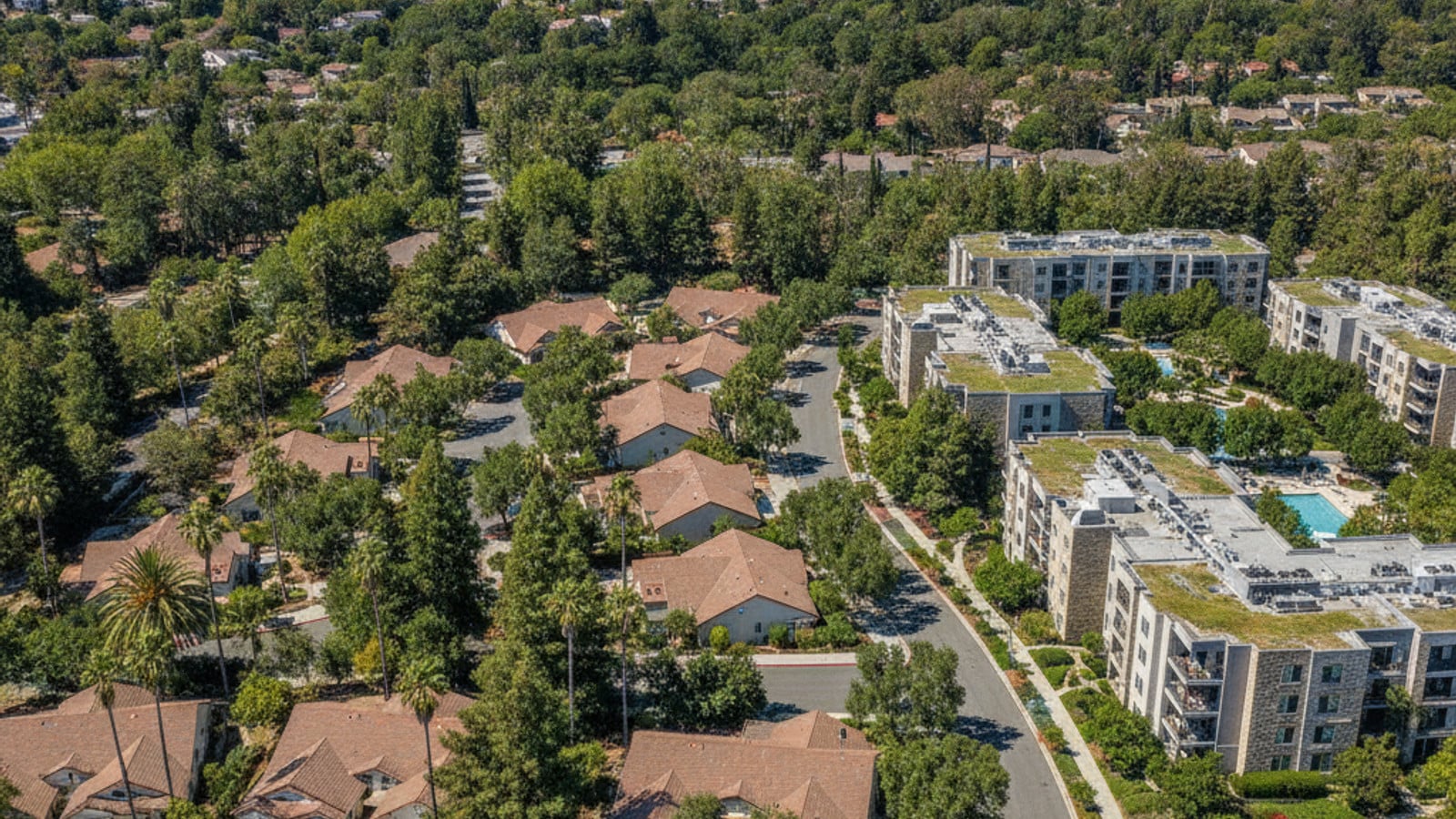
Local real estate inventory includes everything from detached cottages in San Jose, CA to mid-rise condominium complexes in Cupertino, CA. Buyers and renters should weigh upfront costs against long-term convenience. Understanding the legal definitions of these properties is the first step toward a successful move.
Understanding the Core Differences Between Housing Types
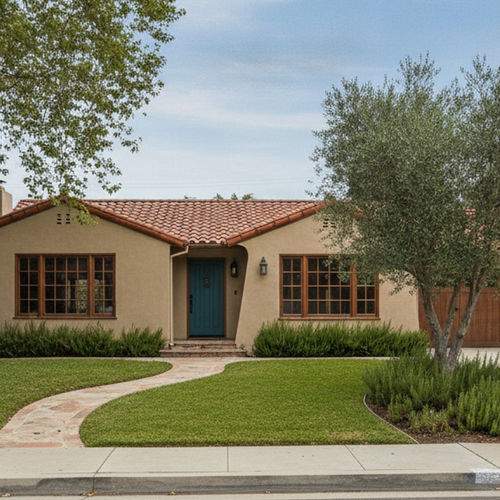
Age-restricted neighborhoods function like standard residential subdivisions, but with a minimum age requirement for residents. Buyers purchase a single-family home, cottage, or condominium and take on standard homeowner responsibilities. The transaction mirrors a traditional real estate purchase, complete with title insurance, property inspections, and closing disclosures.
Residents in these neighborhoods handle their own daily chores, cooking, and interior maintenance. The homeowner association manages the exterior grounds, roof replacements, and shared recreation spaces. This setup works well for older adults who want to own real estate without the burden of mowing lawns or cleaning pools.
You retain the ability to sell the property later or pass it down to heirs. The home remains an asset on your balance sheet, and you benefit from any future property appreciation in the California market. Buyers pay annual property taxes based on the assessed value of the home at the time of purchase.
Independent living facilities operate under a completely different model. These are apartment-style complexes where residents sign a lease rather than a mortgage. The monthly rent covers the physical apartment along with a suite of built-in services.
Moving into one of these facilities means stepping away from property taxes and home repairs. Facility operators handle all landscaping, appliance replacements, and utility setups. The trade-off is giving up real estate equity in exchange for convenience and immediate access to staff.
What to Expect for Housing Costs in Santa Clara and San Mateo Counties
The average rent for independent living in San Mateo and Santa Clara counties ranges from $3,500 to over $6,000 per month. This fee bundles housing, utilities, and most daily meals into a single payment. Premium facilities with larger floor plans or extensive dining programs command prices at the higher end of that spectrum.
Renters avoid the large capital outlay required to purchase a home in the Bay Area. However, facility leases are subject to annual rent increases based on inflation and operating costs. You should factor potential rent hikes into your long-term retirement budget.
Buyers looking at age-restricted neighborhoods face standard Silicon Valley real estate prices. Purchasing a home means paying market rate, funding a down payment, and covering closing costs like the county transfer tax. A detached home in a San Jose, CA development frequently exceeds $1 million.
Homeowners in these developments also pay monthly homeowner association dues. These fees vary by neighborhood but generally cover common area upkeep, road maintenance, and shared amenities. Dues can range from $300 to over $800 per month, depending on the scale of the community infrastructure.
You should compare the long-term financial impact of both options. Renting requires consistent monthly cash flow to cover the comprehensive lease. Buying ties up capital but preserves an asset that can be sold later if you need to fund skilled nursing or memory care.
Amenities and Services Built Into Your Monthly Payment
A standard independent living lease includes weekly housekeeping, scheduled transportation, and access to a central dining room. Residents pay a premium for these conveniences, but they eliminate the need to hire outside contractors. Facility staff handle the daily logistics that typically consume a homeowner's time.
When evaluating an Independent Living vs 55+ Community, Silicon Valley, CA, the facility lease typically provides:
One to three prepared meals per day in a communal dining space.
Weekly housekeeping and flat linen laundry service.
On-site maintenance staff to handle apartment repairs.
Organized social calendars and group outings.
Options to add medication management or personal care for an extra fee.
Age-restricted neighborhoods focus their amenities on recreation rather than daily personal support. Residents share access to fitness centers, health clubs, and community pools, but they manage their own meals and interior home care. The lifestyle centers around independent recreation rather than structured facility services.
Many of these neighborhoods feature golf courses, tennis courts, and large clubhouses. Homeowners organize their own social clubs and events using these shared spaces. You pay for the infrastructure through your homeowner association dues, but you direct your own daily schedule.
Accessibility also differs between the two property types. Facility apartments feature ADA-compliant designs with grab bars, wide doorways, and emergency call systems built into the floor plan. Standard age-restricted homes may require out-of-pocket modifications to achieve the same level of accessibility.
Proximity to Regional Hospitals and Medical Centers
Santa Clara and San Mateo counties house several major healthcare networks, including Stanford Health Care, El Camino Health, and Kaiser Permanente. Living close to these campuses cuts down on travel time for routine appointments and specialist visits. Proximity to comprehensive medical care becomes a primary consideration for older adults relocating within the region.
Age-restricted neighborhoods are scattered throughout the South Bay and Peninsula. Buyers should map the driving distance from a potential home to their preferred medical providers, as traffic on Highway 101 or I-280 impacts daily travel. A neighborhood in the foothills may offer scenic views but require a longer drive to the nearest hospital.
Homeowners in these developments arrange their own transportation to medical appointments. You will need to drive, rely on family members, or hire private car services when visiting the doctor. Planning for future mobility changes is a practical step when buying a home in these neighborhoods.
Independent living facilities often cluster near commercial centers and medical offices. Many of these complexes operate their own shuttle buses or private cars to take residents directly to local clinics. The transportation schedule is usually managed by the front desk concierge.
This transportation service removes the need to drive in heavy traffic or coordinate ride-shares. Residents simply schedule their ride in advance and receive door-to-door service for their medical appointments. This built-in support system provides a clear logistical advantage for those who prefer not to drive.
Factoring in Future Healthcare Needs
Standard age-restricted neighborhoods and independent living apartments do not provide medical care. If your health declines, you will need to hire in-home caregivers or relocate to a facility that offers higher levels of support. Planning ahead for these transitions protects your long-term finances.
Older adults planning for long-term health changes often look into continuing care retirement communities. These specialized campuses offer independent apartments, assisted living, and skilled nursing all on one site. Residents transition between different levels of care without having to leave the community.
Moving into a continuing care campus usually requires a substantial upfront entrance fee. This fee secures your access to future medical services, including memory care, at a predictable monthly rate. The contract structures vary, with some offering partial refunds to your estate.
Buyers purchasing a standard home in a 55+ development take a different approach. Homeowners rely on the equity built up in their property to fund future care. If skilled nursing becomes necessary, the home can be sold to cover the costs of a specialized facility.
Age Minimums and the Federal Housing Rules
The federal Housing for Older Persons Act governs who can buy or rent in age-restricted developments. This law allows neighborhoods to restrict residency based on age, provided they follow specific occupancy quotas. Developments must verify the ages of their residents regularly to maintain their legal status.
The 80/20 rule states that at least 80 percent of the occupied units must house at least one person who is 55 or older. The remaining 20 percent of units can theoretically house younger residents, but individual homeowner associations often implement tighter local rules. Many developments mandate that 100 percent of the homes have an older adult in residence.
California law adds another layer of regulation for secondary residents sharing the home. In California, a secondary resident usually must be at least 45 years old to live in an age-restricted neighborhood. There are exceptions for spouses or individuals who provide primary physical or economic support to the older adult.
These state regulations prevent homes from being rented out to college students or young families. Buyers should review the specific homeowner association bylaws before submitting an offer. The bylaws outline exactly who can occupy the property and how long underage guests can visit during the year.
Facility management sets the occupancy rules for apartment-style complexes. When comparing an Independent Living vs 55+ Community, Silicon Valley, CA, you will find that facilities generally require all leaseholders to meet the minimum age requirement. Exceptions for younger roommates are rare in the facility leasing model.
Frequently Asked Questions
What is the average cost of senior independent living per month in California?
The statewide average hovers around $3,200, but prices in the Bay Area run higher. Renters in Santa Clara and San Mateo counties should expect to pay between $3,500 and $6,000 per month. This figure fluctuates based on the apartment size and the specific meal plan selected.
What are the disadvantages of 55 plus communities?
Buyers assume responsibility for all interior property maintenance, appliance repairs, and daily meal preparation. These developments also mandate monthly homeowner association dues that can increase year over year. Additionally, these neighborhoods do not provide on-site medical care or personal health services.
Can someone under 55 live in a 55+ community?
Yes, as long as the development maintains its federal quota requiring 80 percent of units to house an older adult. California guidelines dictate that secondary occupants must generally be 45 or older to live in the home. Spouses and primary caregivers are typically exempt from this secondary age requirement.
Check out this article next