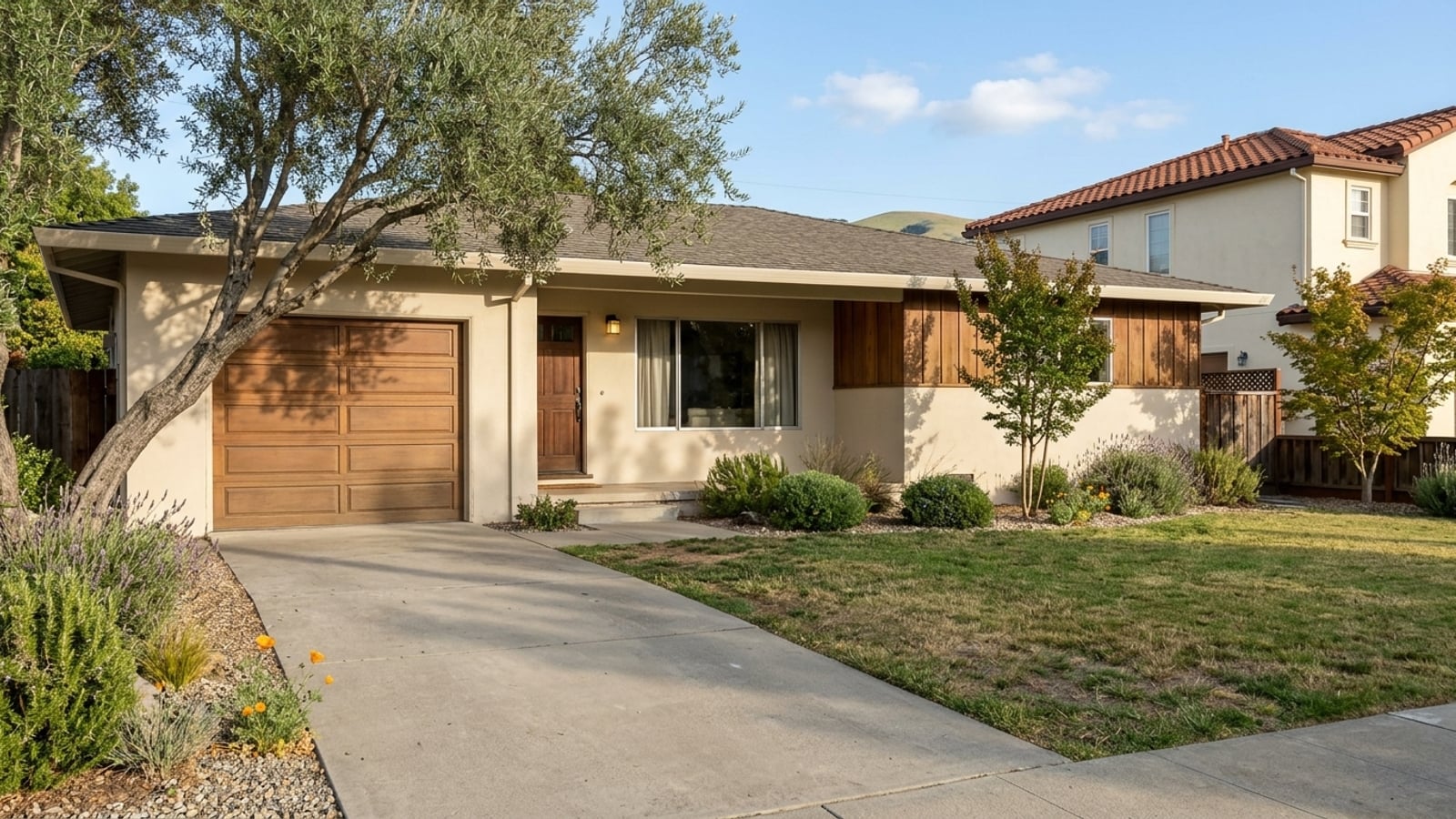
A move into assisted living requires immediate cash for move-in fees and monthly rent. You have to estimate the home's final proceeds, judge the timing of the sale, cover the gap between move-in and closing, and settle who has the legal authority to sign the deed.
If care needs to start before the house could realistically close, read "How to pay for care before the house sells" first. If the home is a condo or townhouse rather than a detached house, "Selling a condo or townhouse to pay for care" sets more realistic timing and price expectations. If someone other than the owner will sign the documents, "Legal paperwork to sort out before listing" covers what the title company will ask for. If the family would rather keep the house and rent it out, "Selling vs renting out the house" covers the tax clock and the landlord duties first.
Key Takeaway
For most longtime owners of a detached Silicon Valley house, selling outright is the most direct way to fund assisted living, and the sale is rarely the slow step. Single-family homes sold in a median 15 days in the 30 days ending September 30, 2026. The bigger delays are signing authority and escrow, so line up who signs and how to pay the first months of care before listing. Condo owners face longer, softer sales and should arrange bridge money first.
Who This Guide Is For
You or a parent need assisted living soon and are deciding how to sell the Silicon Valley home to pay for it and how to cover care until the sale closes.
How Long Does It Take to Sell a Home in Silicon Valley?
For a detached Silicon Valley house, the sale itself is usually the fast part of paying for assisted living. Single-family homes sold at 103.3% of list price, and 55.2% sold above list. That means a well-priced house is likely to draw offers within weeks, not months.
Plan your timeline around escrow and paperwork rather than showings. Once you accept an offer, the buyer's financing and the title company's processes set the closing date. Ask your real estate agent what escrow length local buyers are writing into offers so you can project when funds will reach your bank account. A projected timeline for selling your home as a senior in Silicon Valley helps set clear expectations.
How Much Assisted Living Can a Home Sale Pay For?
A single-family home in Silicon Valley recently sold for a median $1,868,636. Subtract selling costs and any remaining mortgage balance from the sale price to find your net proceeds. Then divide that figure by the annual senior living costs of the communities you're touring.
Time also affects this math. Each 1% change on that median price equals about $18,700. If the past year's 4.3% decline repeated, holding the property an extra year would cost roughly $84,000 in lost equity.
Care costs also rise each year. Have a CPA or financial planner map out how long the funds will last.
How to Pay for Care Before the House Sells
If the move into care happens before escrow closes, the cheapest route is drawing on savings and investments for the move-in fees and first months of rent. Next is a home equity line of credit, opened while the owner still lives in the home. Ask the lender whether a home equity line can be opened, or kept open, once the owner moves into care.
A bridge loan also covers short-term needs, but interest and origination fees cut into your final proceeds. Get bridge-loan rates and fees in writing before committing. Family loans can fill the gap too. Ask each assisted living community whether it will defer charges until escrow closes. A reverse mortgage generally won't help once the owner has moved into a facility.
Every bridge option costs part of your proceeds in fees or interest, which is why a fast, cleanly prepared sale matters.
Selling a Condo or Townhouse to Pay for Care
Condos and townhouses both show price declines over the past year, and condos in particular sell more slowly than detached houses.
Condos
Condos took a median 46 days to sell (based on 152 condo sales) and closed at 99.3% of list price, with prices down 12.1% year over year. Buyers have room to negotiate in this segment, so pricing near recent comparable sales matters more than it does for detached houses. Budget at least two months of care from another source before you expect to see closing proceeds.
Townhouses
Townhouses sold in a median 19 days, nearly as fast as detached houses, but prices were down 9.5% over the past year. On a softening price trend, an overpriced listing loses more than it gains.
For both condos and townhouses, ask the HOA for current dues, any pending special assessments, and resale document fees before you list. Buyers will request all of it, and delays in getting that paperwork hold up escrow.
An attached home also lacks the equity cushion of a detached house. A condo's lower price funds fewer years of care, which makes the proceeds math tighter.
Selling vs Renting Out the House
Renting the house keeps the property in the family and generates monthly income. Under IRS rules, an owner who becomes physically or mentally unable to care for themselves can count time spent in a licensed care facility toward the home-sale exclusion's residence test. This applies if they owned and lived in the home for at least one year during the five years before the sale. The two-year ownership test still applies, and the five-year window keeps running while the home is tenant-occupied.
Renting also brings landlord duties under state law. Under California's Tenant Protection Act (AB 1482), single-family homes and condominiums are exempt from the law's rent cap and just-cause eviction protections only if two conditions are met. An owner claiming the exemption must also give the tenant written notice using the statutory exemption statement. Without that notice, the home is not exempt from the law's protections.
Rental income seldom covers a full assisted living bill, and managing a rental while coordinating a parent's care adds real stress. Rented-out property can also change benefit eligibility. Confirm your cost basis, exclusion eligibility, capital gains tax and any rental tax effects with a CPA before you decide.
Legal Paperwork to Sort Out Before Listing
The title company needs to know who has the authority to sign the listing agreement and the deed. The fastest path is the owner signing for themselves, provided they still have legal capacity.
If the Owner Can't Sign
An agent under a durable power of attorney can sign, but the title company will check whether the document covers real property. If the home is held in a living trust, the successor trustee can usually sign. The slowest route is a court-appointed conservator, which requires a judge's approval and adds significant delays.
A power of attorney can only be signed while the owner still has capacity, so this is the one step you shouldn't postpone. Send the power of attorney or trust documents to the title or escrow company before listing and ask whether they'll accept them.
Getting the House Ready to Sell Without Delaying the Move
Every week spent on repairs is a week of care paid from savings. In a market where detached houses sell at or above list price, light cleanup often matters more than full renovation.
Decluttering decades of belongings makes the rooms read larger. If the property needs major work, selling a home with deferred maintenance as-is might make more sense than managing contractors. Skipping repairs is also the most direct way to compress the timeline when selling quickly while downsizing. An as-is listing narrows the buyer pool, which is a bigger issue for condos than for single-family houses.
Get repair quotes and compare them against a month of care costs before committing to renovations.
Silicon Valley Home Sale Figures at a Glance
Data from Redfin for the 30 days ending September 30, 2026:
- All homes, Silicon Valley (30 days ending 2026-09-30): median sale price $1,568,490, down 4.7% year over year; 1,045 homes sold; median 19 days on market; 2.2 months of supply
- Single family (30 days ending 2026-09-30): median sale price $1,868,636, down 4.3% year over year; median 15 days on market; 103.3% sale-to-list; 55.2% sold above list; 1.7 months of supply; 747 homes sold
- Townhouse (30 days ending 2026-09-30): median sale price $1,158,024, down 9.5% year over year; median 19 days on market; 101% sale-to-list; 52.2% sold above list; 2.9 months of supply; 122 homes sold
- Condo (30 days ending 2026-09-30): median sale price $667,393, down 12.1% year over year; median 46 days on market; 99.3% sale-to-list; 23.9% sold above list; 3.6 months of supply; 152 homes sold
Selling a Silicon Valley Home to Pay for Assisted Living FAQs
Will I Need Cash for an Assisted Living Move-In Fee Before My House Sells?
Often yes. Many communities charge a one-time community fee plus the first month up front, and amounts vary by facility. Ask for the admission agreement, the fee amount and its refund terms. Check the facility's license status and complaint history on the California Department of Social Services care facility search.
Do I Have to Pay Capital Gains Tax When Selling a Parent's Home to Pay for Care?
It depends on the gain and how long the parent lived there. Under IRS rules, sellers can exclude up to $250,000 of gain ($500,000 if married filing jointly) if they owned and lived in the home for two of the past five years. The care-facility exception described above can count time in care toward that residence test.
Does Money from Selling a House Affect Medi-Cal Eligibility in California?
Yes. A lived-in home is generally treated differently from cash, and sale proceeds can count toward the asset limit. Effective January 1, 2026, the California Department of Health Care Services reinstated that limit at $130,000 for one applicant, plus $65,000 for each additional household member. Talk to an elder law attorney before moving or spending sale proceeds if you plan to use the Medi-Cal Assisted Living Waiver, which operates in Santa Clara County.
Can a Reverse Mortgage Pay for Assisted Living?
Usually no. It can help pay for in-home care but rarely funds a permanent move to a facility. Ask your lender, and confirm with a HUD-approved counselor, how long the borrower can be absent for medical reasons before the loan becomes due.
Does the VA Help Pay for Assisted Living?
Eligible veterans and surviving spouses can use the VA pension with Aid and Attendance to help cover care costs. A home sale turns an exempt asset (the house) into cash that counts toward the program's net worth limit. Check current rates and eligibility with a VA-accredited representative before selling.
How Much Does It Cost to Sell a House in Santa Clara County?
Sellers pay negotiable real estate commissions, escrow fees, title insurance and transfer taxes. In San Jose, Measure E applies one rate to the full price of sales over $2.3 million, ranging from 0.75% for sales up to $5 million to 1.5% for sales over $10 million. It comes on top of the Santa Clara County documentary transfer tax and the base city conveyance tax.
What Happens to a Pending Home Sale If the Owner Dies Before Closing in California?
It depends on how title is held. A living trust's successor trustee can carry the sale through. Without a trust or a surviving co-owner, the sale may pause for probate unless the estate qualifies for the small estate affidavit. That procedure applies when the gross value of the decedent's California property does not exceed $208,850 for deaths on or after April 1, 2025.
Sources
Check out this article next