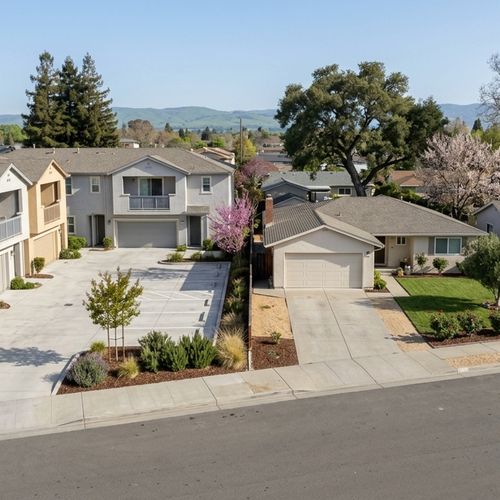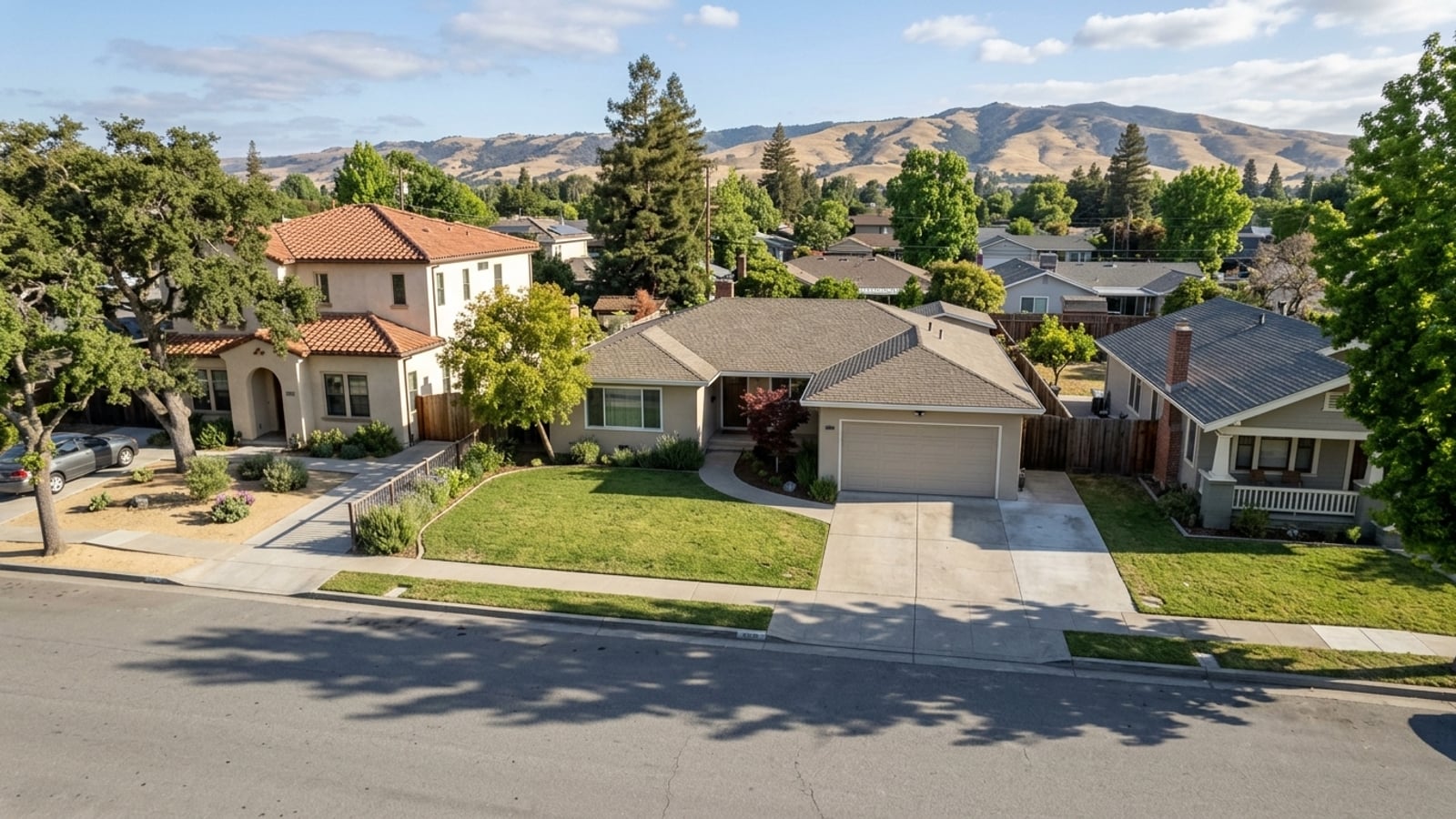
The current median sale price for a home in Santa Clara County sits around $1,534,000, and inventory is tight - just over 2.3 months of supply. Those numbers put sellers in a strong position. The challenge when downsizing in Silicon Valley, CA is that a favorable market doesn't automatically make the logistics easy.
Moving out of a large property and into a smaller one means you're running two major transactions at the same time. You're sorting through years of accumulated belongings, preparing a house for showing, and trying to land on a closing date that doesn't leave you temporarily homeless. Speed matters here, so everything you do needs to be pointed directly at what moves the needle.
Why Downsizing Demands a Different Approach in the Bay Area
A typical sale gives you the luxury of optimizing for price on your own schedule. Downsizing takes that flexibility away. Your timeline is driven by the need to line up your sale with your next purchase - whether that's a condo, a townhome, or a smaller single-family home somewhere nearby.
Homes in Santa Clara County recently spent roughly 19 days on the market before going under contract. That sounds fast, and it is - but the closing process adds another 30 to 45 days on top of that for a standard financed offer. If your next purchase has its own escrow running concurrently, you need a plan that keeps both deals moving without one stalling out the other.
Preparing Your Silicon Valley House for the Market
Buyers paying premium prices in Santa Clara County expect a property they can move into without a list of projects. A large house carrying decades of furniture, boxes, and deferred maintenance sends the wrong signal, and it gives buyers something to negotiate against during escrow. Getting ahead of that is where your preparation time should go.
The goal is to remove the surprises before a buyer's inspector finds them. If a major issue surfaces during escrow, you're looking at a credit negotiation, a repair delay, or a buyer who walks - all of which cost you weeks of market time you don't have.
Decluttering and Estate Sales
Sorting through a large house takes real time, and local estate liquidation companies can compress that process considerably. They handle the sorting, pricing, and selling of furniture and belongings so you're not making a thousand individual decisions.
Several companies serve the Silicon Valley area. NorCal Estate Liquidations offers cleanouts, online auctions, and donation handling across Northern California. Caring Transitions Silicon Valley, based in Santa Clara, CA, coordinates liquidations in San Jose, Mountain View, and Los Gatos. Other local options include Golden Gate Estate Sales and Family Treasures Estate Liquidators in San Jose.
Pre-Listing Inspections and Repairs
Hire an inspector before you list. That's it. Plumbing leaks, roof wear, electrical issues - you want to find those on your schedule, not a buyer's, and fix them before the first showing.
A clean inspection report included in your disclosure packet gives buyers the confidence to write strong, non-contingent offers. Less back-and-forth means a cleaner path to closing.
Staging to Highlight Square Footage
Once the house is cleared, professional staging helps buyers see how they'd live in the space. Stagers bring in appropriately sized furniture that makes living rooms and primary bedrooms read as expansive rather than echoing. It also photographs better - and in this market, your online listing is doing most of the work of getting people through the door. More foot traffic in the first week or two means a better shot at getting an offer before the property starts to feel stale.
Pricing Your Property for a Rapid Sale
Homes in Santa Clara County are selling for about 102% of their list price. That tells you buyers are competing, and competitive pricing is what triggers that competition. When speed is the priority, your list price is the most powerful tool you have.
Pricing slightly below recent comparable sales tends to generate a surge of activity in the first few days. Buyers and their agents are watching new listings closely, and a well-priced home in San Jose or Sunnyvale will get immediate attention - often multiple offers before the first weekend is over.
Pricing at or above the top of the market works differently. Even with low supply, buyers will pass on listings they perceive as overpriced, and a home that sits for several weeks usually needs a price reduction. That reduction signals weakness, and the buyers who do come after it have more negotiating leverage. None of that helps your timeline.
Coordinating the Sale and Your Next Move
The core logistical problem with downsizing is simple: you need the proceeds from your current home to buy the next one, but you also need somewhere to live in the gap between the two closings. How you solve that depends on which tools you're willing to use.
In California, standard financed purchases take 30 to 45 days to close. Cash offers can close in as little as 7 to 14 days. Those ranges are the starting point for building a schedule that works.
Using Rent-Back Agreements in California
A rent-back agreement lets you stay in your home for a defined period after closing - you've sold, the buyer owns it, and you're renting it back from them temporarily. The California Association of Realtors has specific forms for this. The Seller In Possession (SIP) form covers stays of 29 days or less; the RLAS form is used for longer durations.
In practice, rent-backs are almost always capped at 29 or 30 days. Go longer and the buyer's lender may reclassify the property as non-owner-occupied, which triggers a higher interest rate for them. A shorter stay also keeps you clear of California's tenant-landlord protections, which neither party wants to deal with.
Timing Your Closing Dates
You can negotiate a longer escrow on your sale to give yourself time to find and close on your next home. Requesting a 45-day or 60-day escrow is reasonable and common - buyers in this market are often willing to accommodate sellers who need the runway.
One thing worth building into your timeline: if you're purchasing a property tied up in probate or a trust sale, those can run 60 to 90 days or more. Factor that in before you set your sale's close date.
Bridge Loans and Financing Options
A bridge loan uses the equity in your current home to fund the down payment on the smaller property before your existing home sells. Once the sale closes, you use the proceeds to pay off the bridge loan.
It removes the pressure of perfectly aligning two closing dates, which is the main reason people use them. Just make sure you're accounting for the loan's interest and fees when you're running your numbers.
Working with a Local Real Estate Agent
An experienced local agent is essentially a project manager for this whole process. They know the pace of the Santa Clara County market, they know which repairs matter to buyers and which ones you can skip, and they have relationships with the vendors you need - estate liquidators, inspectors, stagers - so you're not spending time researching and vetting people from scratch.
That network alone can shave weeks off your prep timeline. When you're trying to move fast, that matters.
Frequently Asked Questions
What is the fastest way to sell a house when downsizing in Silicon Valley?
Price it competitively and have it ready for immediate move-in. Homes in Santa Clara County recently spent a median of 19 days on the market, but properties with pre-listing inspections and professional staging often go faster than that. Landing an all-cash buyer can also bring the closing timeline down to 7 to 14 days.
Should I buy my smaller home before selling my current one in California?
It depends on your equity and financial situation. If you have the funds or qualify for a bridge loan, buying first takes the pressure off coordinating two simultaneous closings. If not, you can sell first and negotiate a rent-back agreement that lets you stay in your current home for up to 29 days while you finalize the next purchase.
How do I handle excess furniture and belongings when selling quickly in the Bay Area?
Hire an estate liquidation company. Local options like Caring Transitions Silicon Valley in Santa Clara and Family Treasures Estate Liquidators in San Jose can manage the sorting, selling, and donation process so the house is cleared quickly and professional stagers can get in to prepare it for listing.
Do I need to renovate my older Silicon Valley home to sell it quickly, or will tech buyers purchase it as-is?
It depends on the condition and your timeline. Santa Clara County has roughly 2.3 months of supply, so inventory is tight - but homes with significant deferred maintenance can still run into delays during escrow. A pre-listing inspection followed by targeted repairs on the major items is usually the faster path to a clean closing.
Should I price my home slightly below market value to guarantee a fast sale in the competitive Silicon Valley market?
Yes, and the data supports it. Properties in Santa Clara County recently sold for an average of 102% of their list price, which tells you buyers are competing. Pricing just below recent comparables pulls more of them to the table quickly and gives you a real shot at a contract within the median 19-day window.
What are the tax implications when selling a house I have owned for decades?
Selling a long-held property often brings up questions about the financial impact of the transaction. The capital gains tax rules for senior sellers help clarify what you might owe after closing. An experienced local agent can point you toward the right financial professionals to plan for these costs before you list.
Can I keep my current property tax rate when downsizing to a smaller home?
California offers specific tax benefits that make moving to a smaller property more affordable for older residents. You may be eligible for a property tax transfer under Proposition 19, which allows you to take your current assessment with you. Factoring this benefit into your plans makes it easier to coordinate the sale and your next purchase.
Check out this article next