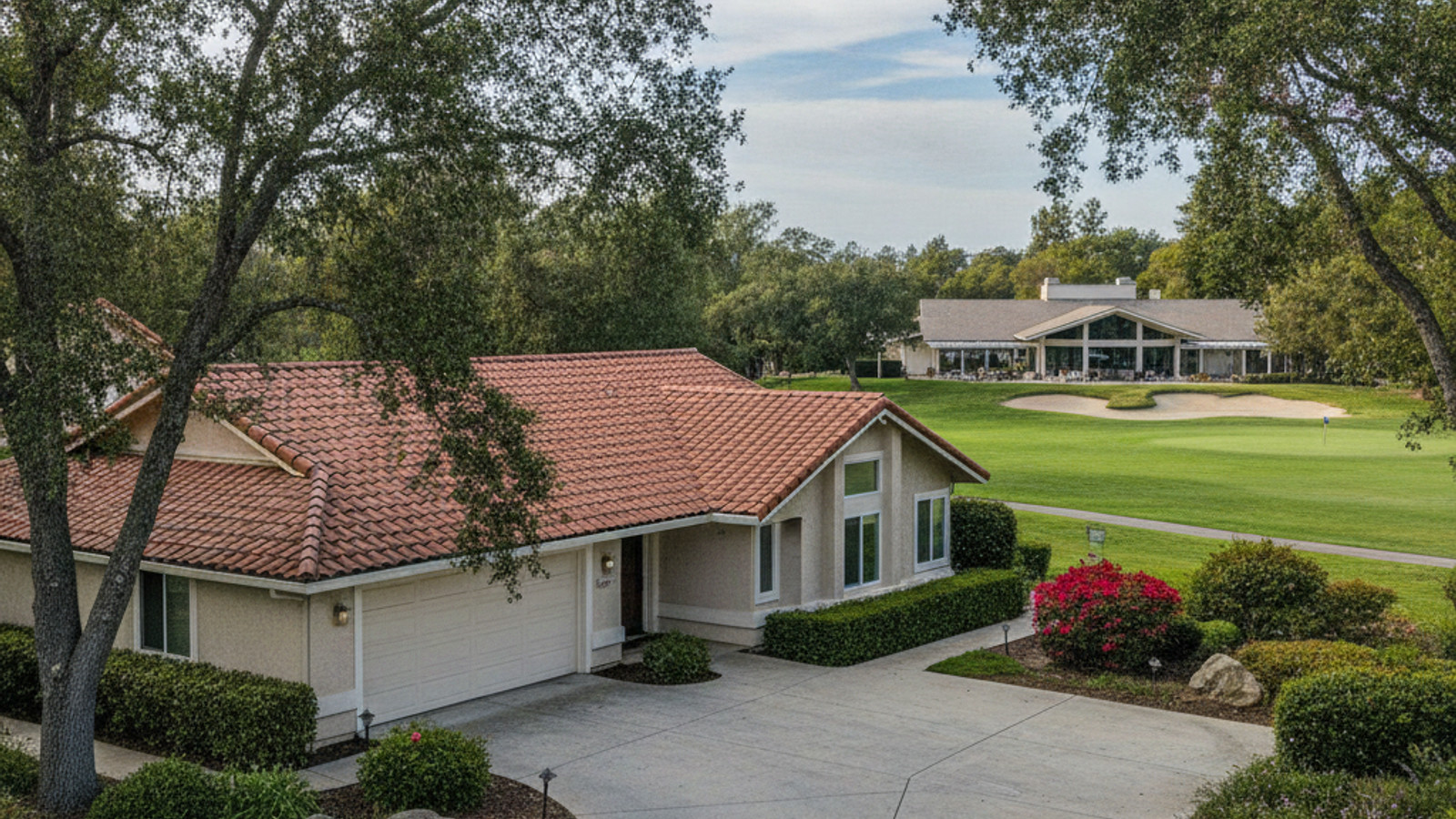
The median price of a single-family home in the San Francisco Bay Area remains well over $1.5 million in 2026. For buyers looking at age-restricted real estate, the costs look different. Financing 55+ Community Home, Silicon Valley, CA properties involves specific loan structures, tax rules, and local assistance programs.
Santa Clara County offers a range of housing options for older adults, from large single-family homes to smaller condominiums. Buyers often use retirement income, asset depletion, or specialized reverse mortgages to fund their purchases. Understanding the underwriting rules and property tax regulations helps buyers plan their budgets.
Working through the financial details requires preparation and an understanding of local market conditions. Buyers should review their retirement portfolios, consult with tax advisors, and compare different neighborhood amenities before touring properties. A clear budget helps narrow down the search to the most suitable developments in the area.
Housing Options and Prices in Santa Clara County
Home prices in San Jose, CA age-restricted developments currently range from the mid $400,000s for smaller condominiums to over $1,500,000 for detached single-family homes. These neighborhoods require at least one resident to be 55 or older to comply with federal housing guidelines. They differ from assisted living facilities because they provide independent living environments without on-site medical or nursing care.
The Villages Golf and Country Club in San Jose, CA stands out as one of the largest active adult communities in the Greater Bay Area. Buyers can choose from various floor plans, including attached townhomes and standalone houses with private garages. Property availability depends on the season, with spring and early summer seeing the highest volume of new listings.
Real estate inventory in this specific category remains tighter than the broader county market. Sellers often list their properties after deciding to downsize further or move closer to family out of state. Buyers should work with an agent who tracks these specific neighborhood turnover rates.
Amenities and Local Healthcare Access
These neighborhoods provide shared features like golf courses, clubhouses, swimming pools, and fitness centers. Residents pay monthly homeowners association dues to maintain these spaces and fund long-term reserve accounts. The property types often include single-level layouts designed for accessibility and lower maintenance.
Proximity to medical care is a primary consideration for many buyers moving into the region. Santa Clara County provides access to major regional centers like Stanford Health Care and Kaiser Permanente San Jose Medical Center. Buyers should map the driving distance from prospective neighborhoods to their preferred doctors and specialists.
Could you use a Helping Hand?

Mortgage Options for Retirees
Lenders evaluate fixed incomes differently than standard W-2 wages when processing a loan application. When underwriting a loan for a retiree, banks look at Social Security payments, pension distributions, and regular withdrawals from retirement accounts. Underwriters often "gross up" non-taxable Social Security income by 15% to 25% to account for the tax savings, which helps improve the buyer's qualifying ratios.
Buyers can also use asset depletion to qualify for a conventional loan without a traditional monthly income stream. This method divides the total balance of liquid retirement accounts by a set number of months to create a qualifying monthly income figure. Buyers should consult with a mortgage broker familiar with housing finance rules for retirees to explore this option.
Interest rates for these conventional loans mirror the standard market rates available to all buyers. Lenders still review credit scores and debt histories just as they would for a younger applicant. Maintaining a clean credit profile remains necessary to secure the lowest possible borrowing costs.
The HECM for Purchase Program
The Home Equity Conversion Mortgage (HECM) for Purchase program allows buyers to acquire a new primary residence using a reverse mortgage. For 2026, the Federal Housing Administration limits the maximum claim amount for a HECM to $1,249,125 across the country. The buyer must be at least 62 years old to qualify for this specific loan type.
This program requires a substantial down payment, typically ranging from 45% to 62% of the purchase price, depending on the buyer's exact age and current interest rates. The HECM eliminates the required monthly mortgage payment for as long as the buyer lives in the home. Borrowers must still pay property taxes, insurance, and association dues to keep the loan in good standing and avoid default.
Find your Place

Factoring HOA Dues Into Your Budget
Monthly association fees at The Villages Golf and Country Club in San Jose, CA vary by property type, square footage, and village district, with typical 55+ community dues across the region running between $800 and $1,400 per month in 2026. These monthly dues cover water, trash collection, 24-hour security patrols, and access to the community's recreational facilities. Exterior maintenance, roof repairs, and landscaping for common areas are also included in the monthly bill for most condo owners.
Mortgage lenders include the exact monthly amenity fee in your debt-to-income ratio during the underwriting process. If a buyer qualifies for a $4,000 total monthly payment, a $1,400 association fee leaves only $2,600 for the principal, interest, taxes, and insurance. Buyers should ask for the community's financial documents to review the history of fee increases before making an offer.
Special assessments can also impact a resident's monthly budget if the association needs to fund major unexpected repairs. California law requires HOAs to maintain reserve studies detailing the lifespan of major components like private roads and clubhouse roofs. Reviewing these reserve studies helps buyers anticipate future costs.
Transferring Your Property Tax Base With Proposition 19
California's Proposition 19 allows homeowners aged 55 and older to transfer their existing property tax base to a new primary residence. This law replaced the older Proposition 60 and 90 rules, expanding the benefits for older adults downsizing or relocating. The transfer applies anywhere within California, meaning a seller in Los Angeles can move their tax base to Santa Clara County.
Homeowners can use this portability feature up to three times during their lifetime under the current regulations. If the replacement property costs more than the original home sold for, the tax base adjusts upward based on the difference in price. This rule makes relocating to a more expensive area more feasible for long-time property owners who have built up substantial equity.
The original property must be sold before or within two years of purchasing the replacement home to qualify for the tax transfer. The county assessor requires specific application forms to process the value transfer and update the tax bill. Buyers should work with a tax professional to ensure all deadlines and filing requirements are met.
Calculating the Value Difference
When a buyer purchases a replacement home that costs more than the sale price of their original home, the county uses a specific formula to determine the new tax base. Timing gives buyers some cushion first: the replacement can cost up to 105% of the original sale price if purchased within the first year after the sale, or 110% within the second year, and still transfer the full base. Beyond those thresholds, the assessor takes the original home's factored base year value and adds the price difference. This blended rate still results in a lower tax bill than if the buyer were assessed at the full market value of the new home.
If the replacement property costs less than or equal to the original home's sale price, the original tax base transfers completely without any upward adjustment. This scenario provides the maximum financial benefit for buyers downsizing to a smaller condominium. Homeowners should use the county's online estimation tools to project their future tax liabilities before committing to a purchase.
Local Assistance and Affordable Housing Programs
The median income limits for housing assistance in Santa Clara County update annually based on regional economic data. Local government agencies and nonprofit groups manage programs designed to help low-to-moderate-income residents secure stable housing. These programs often have long waiting lists due to the high demand and limited supply in the region.
Buyers and renters exploring an affordable housing community have a few specific local resources to check for financial support. Eligibility comes down to household income, household size, and the property's purchase price. Applicants must complete a HUD-approved counseling course to use most county or city funds.
The application process requires recent tax returns, bank statements, and proof of age to verify eligibility. Some programs restrict the future resale price of the home to keep it affordable for the next buyer. Buyers should ask program administrators for a copy of the resale restrictions before signing any documents.
Organizations and County Resources
Several entities operate within the county to distribute funds and manage below-market properties. These groups work directly with approved lenders to coordinate down payment assistance at the closing table. The approval timelines vary depending on the specific funding source and the applicant's readiness.
The following programs and organizations offer support for qualifying residents in the area. Each program maintains its own application portal and funding schedule.
- Housing Trust Silicon Valley: This organization provides homebuyer education classes and administers local down payment assistance funds for qualified applicants.
- Empower Homebuyers SCC Program: Funded by the county, this program offers deferred-payment loans to assist with down payments for first-time buyers and eligible residents.
- Summercrest Villas: This is an example of an affordable senior apartments complex in San Jose, CA offering below-market rental units as an alternative to purchasing real estate.
The Premiere Real Estate Network for Older Adults

Frequently Asked Questions
Can I get a mortgage in Silicon Valley if I am retired?
Yes, lenders regularly approve mortgages for retirees using alternative income documentation. Instead of pay stubs, banks evaluate two years of tax returns, 1099s from pension providers, and statements from 401(k) or IRA accounts. A buyer withdrawing $5,000 monthly from a retirement account can use that figure to qualify for a conventional loan.
What is the 80/20 rule in 55+ communities?
The federal Housing for Older Persons Act requires that at least 80% of the occupied units in these developments have at least one resident aged 55 or older. The community's governing board can choose how to handle the remaining 20% of units. Some Santa Clara County associations allow younger spouses or adult children over 18 to live in the home, while others enforce older age minimums for all occupants.
Does Proposition 19 apply if I move to San Jose from another California county?
Yes, the law permits inter-county transfers across all 58 California counties. A homeowner selling a house in San Diego can apply their current assessed value to a new purchase in San Jose, CA. Buyers should file the transfer paperwork with the Santa Clara County Assessor's Office promptly after closing - claims filed within three years of the purchase receive relief retroactive to the transfer date.
Time to talk to a REALTOR?

Senior Friendly Homes in Silicon Valley South
2
3
4
5
6
7
8
9
10
11
12
13
14
15
16
17
18
19
20
21
22
23
24
25
Check out this article next