Key Takeaways
Summary: Making a home look more expensive before you sell is mostly about removing what distracts buyers and refreshing what they see and touch first. In this guide, Silicon Valley REALTOR® Seb Frey (23+ years, 460+ closed sales) covers decluttering, cleaning, scent, lighting, paint, hardware, textiles, bathrooms, curb appeal, staging, flooring, photography, and small kitchen updates, plus what not to spend money on and how to pay for prep work without draining your savings.
Introduction: Why “Luxury” Sells
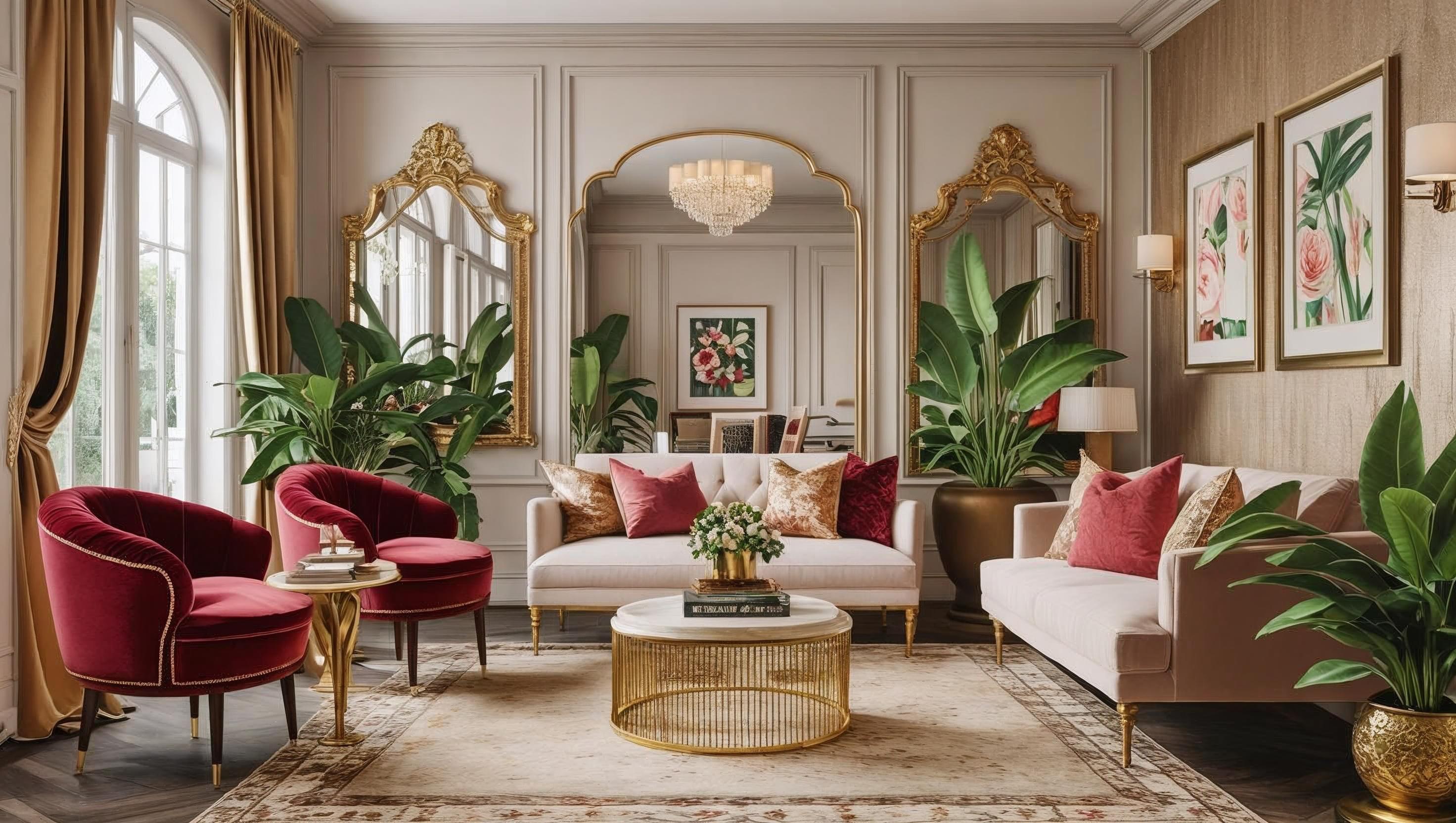
When buyers walk through your home, they aren’t just counting bedrooms and sizing up the yard. They’re buying a feeling, a mix of comfort, style, and quality that tells them “this is the one” before they’ve even made it past the living room. Luxury sells, and here’s the great part: you don’t have to spend a fortune to create it.
I’ve been selling homes in Silicon Valley and the Bay Area or more than 23 years, with over 460 closed transactions, and the pattern I see again and again is that the homes that feel expensive are rarely the ones with the biggest renovation budgets. They’re the ones where the owner got the small things right. Bay Area buyers scroll through hundreds of listings and tour a lot of homes, so they notice a dim hallway or a tired cabinet pull immediately. In this guide, I’ll walk you through the strategies that make a home look and feel more expensive, focusing on projects that won’t just impress buyers but will also pay you back at the closing table.

Does your home need some work first?
Let's get it market-ready, and pay for it at closing.
Paint, repairs, flooring and staging, all handled for you through Compass Concierge with nothing out of pocket up front and no contractors for you or your family to manage.
See How It Works →Rather talk now? Call or text 408.413.3087
Start with a Ruthless Declutter
A luxury home always feels spacious, even when the square footage isn’t massive. That sense of openness comes from the absence of clutter. A good rule of thumb is to remove 30 to 40 percent of the items from each room, which instantly creates breathing room and helps buyers imagine themselves living there. It’s not just about packing up your life, it’s about curating what remains so the home feels intentional.
When decluttering, think about what you truly need during the sale period. Store off-season clothes, extra furniture, and personal décor in a garage, attic, or rented storage unit. Removing personal photographs and very specific decorations helps buyers focus on the home itself rather than your life in it. If you’ve lived in your home for decades, this step can feel overwhelming, and my 3-step decluttering guide for empty nesters breaks it into manageable pieces.
Hide the Everyday
One of the subtle secrets of luxury homes is that you rarely see the mess of daily life. Remote controls, pet toys, chargers, and mail are all neatly tucked away. Use attractive baskets or bins to keep necessities within reach but out of sight. In the kitchen, clear the counters of everything except perhaps a single “statement” appliance or a bowl of fresh lemons.
Make Cleaning a Non-Negotiable
You can stage a home beautifully, but if dust coats the baseboards or there’s soap scum on the shower door, the effect is ruined. Cleanliness is one of the most underrated parts of perceived value. Luxury properties always feel pristine, and you can create the same effect by going well beyond your usual cleaning routine.
Wipe down vents, door frames, and light switches. Wash your windows inside and out so they let in as much light as possible. Steam clean carpets, polish hardwood floors, and pay special attention to the kitchen and bathrooms, where buyers scrutinize cleanliness the most. If you don’t have the time or energy, hire a professional cleaner for a one-time deep clean before your listing photos are taken. It usually costs a few hundred dollars (more for a large home), and it’s one of the highest-return decisions you can make.
Use Scent to Make Your Home Feel Luxurious
High-end homes and hotels almost always smell clean and fresh, and that’s no accident. The right scent sets the tone the moment a buyer walks through the door, creating a subconscious association with comfort and quality. Keep it light and simple, like fresh linen, soft citrus, or a gentle floral. Research backs up the “simple” part: in a Washington State University study published in the Journal of Retailing, shoppers exposed to a simple orange scent spent about 20 percent more than those exposed to a more complex blend or no scent at all.
Avoid heavy candles, plug-ins, and artificial sprays. They can be distracting, some buyers are sensitive to fragrance, and a strong scent can make people wonder what you’re covering up. A simmer pot on the stove with citrus slices and herbs before a showing, an essential oil diffuser on a low setting, or fresh flowers placed throughout the home all work well. The best scent of all is simply a clean, well-aired house, so open the windows for a while before every showing.
Upgrade Your Lighting
Lighting has an enormous impact on how expensive a home feels. Dim bulbs, mismatched color temperatures, and dated fixtures drag everything down. Swapping in modern fixtures in finishes like brushed nickel, matte black, or aged brass can completely change the mood of a space.
Bulb choice matters more than most sellers realize. In living rooms, bedrooms, and dining areas, warm white to soft white LEDs (roughly 2700K to 3000K) feel inviting, while kitchens and bathrooms can go a little cooler, up to about 3500K or 4000K. Very cool “daylight” bulbs around 5000K tend to make a home feel like an office, and mixing different color temperatures in the same room looks sloppy in person and in photos. Look for bulbs with a CRI of 90 or higher so wood, paint, and skin tones look natural. In spaces that feel flat, plug-in wall sconces or floor lamps add layers of light without any rewiring. For more ideas, see my guide on improving the lighting in your Silicon Valley home.
Use Paint to Transform
Few projects can match the power of fresh paint. A new coat hides years of wear and instantly makes rooms feel cleaner and more modern. Light, neutral shades are your safest bet: think warm grays like Sherwin-Williams Agreeable Gray (SW 7029) or creamy off-whites like Benjamin Moore Swiss Coffee (OC-45). Always test a sample on your own walls first, because the same color can look very different in a north-facing room than in a sunny one.
Crisp white trim and doors create contrast and give the home a “finished” look. If you want a touch of drama, a moody accent wall in a dining room or office adds personality without alienating buyers. Flat or matte finishes hide wall imperfections better than glossier paints, so they’re a smart choice for walls in older homes, while eggshell or satin holds up better in kitchens and bathrooms, and semi-gloss is the standard for trim and doors. My post on choosing paint colors for your Bay Area home goes deeper on picking shades that photograph well.

Refresh Hardware for Instant Impact
One of the easiest ways to elevate a kitchen or bathroom is to replace old cabinet handles and drawer pulls with new, modern ones. Think of hardware as the jewelry of your home: small and affordable, but capable of pulling an entire look together. Matching your new hardware to your updated lighting finish creates a cohesive style that feels intentional and upscale. Before you buy, measure the hole spacing on your existing pulls so the new ones fit without patching and redrilling.
Door handles are another overlooked upgrade. Replacing worn brass knobs with sleek levers in a matte or brushed finish can make the entire house feel more current, and levers are easier to use for buyers of every age.
Add Texture and Layers
Luxury interiors usually have layers, like plush rugs, tailored curtains, and textured throws, that create depth and warmth. Hanging curtains high and wide around windows makes them look larger and lets more light flow in. A quality area rug in a living space helps define the room and makes it feel more polished.
Throw pillows in rich fabrics like velvet or linen add an upscale touch to sofas and chairs. These changes are inexpensive, reversible, and highly effective at making a space feel high-end, and you can take them with you to your next home.
Turn Bathrooms Into Spa Retreats
Bathrooms sell homes, and the right tweaks can make yours feel like it belongs in a boutique hotel. Replace old shower curtains with fabric ones in white or neutral linen. Display thick, matching towels, preferably white, and add a simple bath mat. Keep counters clear except for a stylish soap dispenser and perhaps a small plant.
If your faucets are dated, upgrading to a sleek, modern design can elevate the whole room. Fresh caulk around the tub and sink is a small job that makes a bathroom look newer, and a curved shower rod is another inexpensive trick that makes the space feel bigger.
Free Guide: Selling a Home You’ve Owned for Decades

Boost Curb Appeal
First impressions happen before buyers even set foot inside, so pay attention to your home’s exterior. A freshly mowed lawn, trimmed hedges, and weed-free flower beds send a message of care. Fresh mulch and a pair of potted plants at the entry add a welcoming touch.
The front door deserves special attention. When Zillow analyzed more than 135,000 photos of homes sold between 2010 and 2018, homes with black or charcoal front doors sold for $6,271 more than expected, the largest premium in the study. Zillow notes that’s an average association rather than proof the door caused the higher price, but it’s a strong signal that a crisp, dark front door reads as “expensive.” Navy and other deep, tasteful colors can work well too. Add new house numbers, a clean doormat, and solar-powered path lights for a soft, inviting glow in the evening. My guide to boosting curb appeal in Silicon Valley has more ideas.
Stage for Flow and Space
The way furniture is arranged can completely change how a home feels. Overcrowded rooms seem smaller, so remove extra pieces to create space and flow. Position furniture to highlight focal points like fireplaces or views, and use strategically placed mirrors to make rooms feel larger and bounce light around.
You don’t need to rent a houseful of furniture to get this effect. In my experience, a skilled stager working with your existing furniture and a few new accessories usually gets most of the benefit for a fraction of the cost, which is why I wrote why staging with rented furniture is often a waste of money. If you want to understand the options and costs, read my guide to home staging in Silicon Valley.
Give Flooring a Refresh
Replacing flooring can be costly, but there are budget-friendly ways to make it look better. If your hardwoods are dull or lightly scratched, a hardwood floor polish or “reviver” product can bring back the shine without a full refinish. Test it in a closet first, since some polishes leave a coating that makes future refinishing harder. Peel-and-stick vinyl planks can work in small areas like a laundry room, but avoid creating a patchwork of different floors, because mismatched flooring is one of the fastest ways to make a home look cheap.
If your carpet is stained or worn beyond saving, replacing it with a neutral option is worth considering. In many cases, this investment pays off with a stronger sale price and better photos.

Capital Gains Calculator
Bought for $180K and worth $2.4M today? See what you'd owe in capital gains tax.
After decades in Silicon Valley, your gain can blow right past the $250,000 and $500,000 exclusions. Plug in your numbers and see your estimated tax bill and how much cash you'll walk away with.
Run My Numbers →Add Greenery and Art
Plants and art give a home that curated, magazine-worthy look. High-quality faux plants can work just as well as real ones for staging, and they’re maintenance-free. Stick to art that’s neutral and broadly appealing, like abstracts, landscapes, or black-and-white photography. The goal is to enhance the space, not dominate it.
Prep for the Camera
Most buyers see your home online before they ever visit in person, so your listing photos are your real first showing. The quality of those photos matters: in Redfin’s analysis of professional versus amateur listing photography, homes priced between $200,000 and $1 million sold for $3,400 to $11,200 more relative to list price when they were professionally photographed. Here in the Bay Area, where most homes sell above $1 million, great photos are simply the price of admission, and I’ve written about the cost of bad real estate photos.
Before your photography appointment, open curtains wide, turn on every light, and hide cords, trash cans, and toiletries. Remove seasonal decorations so the listing feels timeless, and move cars out of the driveway. A vase of fresh flowers in the kitchen or living room makes a big visual impact.
Small Kitchen Upgrades That Sell
Since kitchens are such a major selling point, small updates here can have an outsized return. Under-cabinet lighting adds a custom look and makes work areas more functional. If your appliances don’t match, consider replacing one or two so they all share the same finish, and gently used or scratch-and-dent options can keep the cost down. Painting dated wood cabinets in a two-tone “tuxedo” look is another option: Zillow’s same analysis found tuxedo kitchens sold for about $1,547 more than expected.
Peel-and-stick backsplash tiles are easy to install and can modernize a space quickly. Be selective, though. In higher-priced Bay Area homes, buyers often notice when a material is a sticker rather than real tile, so a simple, real subway tile backsplash may be the better choice if your budget allows.
What Not to Spend Money On
Making a home feel expensive doesn’t mean remodeling it. Major projects like a full kitchen renovation, new additions, or high-end custom finishes rarely pay for themselves right before a sale, they add weeks or months to your timeline, and the next owner may not share your taste. The goal is to remove reasons for buyers to discount your home, not to design it for them.
A smarter move is to find out what really needs attention. A pre-sale home inspection shows you the issues buyers will find anyway, so you can fix the important ones or price for them up front. If you want a realistic picture of costs, my post on how much it costs to prepare your Bay Area home for sale breaks it down.

Thinking about selling?
Just list with me, I'll do the rest.
Minimum hassle, maximum profit, and a sale on your timeline at a price and terms you'll love.
Let's Get Started →Rather talk now? Call or text 408.413.3087
A Note for Longtime Homeowners
If you’ve lived in your home for 20 or 30 years, the items that date it most are usually lighting, hardware, window coverings, and worn flooring, which happen to be the cheapest things on this list to fix. One important caution: homes built before the 1980s can have asbestos in popcorn ceilings, vinyl flooring, and some textured wall finishes, so have those materials tested by a certified professional before anyone scrapes, sands, or tears them out. I cover more strategies in how to prepare an older home for sale for maximum cash out.
How to Pay for Prep Work
Many sellers have most of their wealth tied up in the house itself, which makes it hard to spend money before the sale. Programs like Compass Concierge can help cover the upfront cost of eligible pre-sale services like painting, flooring, staging, and cleaning, with repayment handled at closing. The program’s terms have changed over time, so ask me for the current details before you plan around it.
Conclusion: Luxury Is a Feeling
Making your home look and feel more expensive doesn’t require a massive budget or a crew of contractors. It’s about creating an experience for buyers where every detail signals quality, care, and style. With a little time, attention, and strategic investment, you can raise your home’s appeal, attract more offers, and maximize your final sale price.
In the end, the best return comes from the little things: bright, consistent light, fresh paint, clean lines, layered textures, and thoughtful staging. Done right, these add up to a space that feels high-end, irresistible, and ready for its next chapter. If you’d like a room-by-room plan for your own home, browse my seller resources or call me at 408-413-3087 for a walkthrough.
Frequently Asked Questions
What makes a house look expensive to buyers?
Buyers read “expensive” from a handful of signals: space, cleanliness, good light, fresh neutral paint, cohesive finishes, and a well-kept exterior. A home that’s decluttered, spotless, and consistently lit will feel more valuable than a larger home with dated fixtures and crowded rooms, even if the bigger home has more expensive materials.
What is the cheapest way to make my home look more expensive before selling?
Decluttering and deep cleaning cost little or nothing and have the biggest effect. After that, the best low-cost upgrades are new light bulbs in a consistent color temperature, fresh neutral paint, updated cabinet hardware and door levers, white towels and a fabric shower curtain in the bathrooms, and a freshly painted front door.
What color light bulbs are best when selling a house?
For living rooms, bedrooms, and dining rooms, warm white to soft white LEDs around 2700K to 3000K look the most inviting. Kitchens and bathrooms can go a bit cooler, up to about 3500K or 4000K. Avoid 5000K “daylight” bulbs in living spaces, keep every bulb in a room the same color temperature, and choose bulbs with a CRI of 90 or higher so colors look natural.
Does painting the front door really help a home sell for more?
It can. Zillow’s 2018 analysis of more than 135,000 photos of sold homes found that homes with black or charcoal front doors sold for about $6,271 more than expected. Zillow describes this as an average association rather than proof of cause, but a fresh, dark front door is a low-cost way to make the entry look more polished.
Do I need to stage my home if I’m still living in it?
You don’t need to move out or rent furniture. Most occupied homes can be staged well by removing extra furniture and personal items, rearranging what’s left around each room’s focal point, and adding a few new accessories like pillows, throws, and plants. A professional stager can do this with your existing furniture for a much lower cost than a full rental package.
Should I renovate my kitchen before selling?
Usually not. A full kitchen remodel rarely pays for itself right before a sale and can delay your listing by months. Smaller updates like new hardware, under-cabinet lighting, matching appliance finishes, painted cabinets, and a simple backsplash give buyers a fresher kitchen at a fraction of the cost.
How much should I spend getting my home ready to sell?
It depends on your home’s condition and price point, so there’s no single number. Start with the free and low-cost items in this guide, then prioritize repairs a pre-sale inspection uncovers and updates buyers will see in photos. A walkthrough with an experienced local agent can help you separate the projects that will pay you back from the ones that won’t.
Free Seller Strategy Session
Before we talk money, let's talk about you.
The biggest financial wins in a move happen long before a home hits the market, and they start with understanding your situation. In 30 minutes we'll talk through what's changing, who's involved, and what you need this move to do for you, then map out a plan that gets you there with a clear financial advantage.
Book My Strategy Session →
Senior Friendly Homes in Silicon Valley South
2
3
4
5
6
7
8
9
10
11
12
13
14
15
16
17
18
19
20
21
22
23
24
25