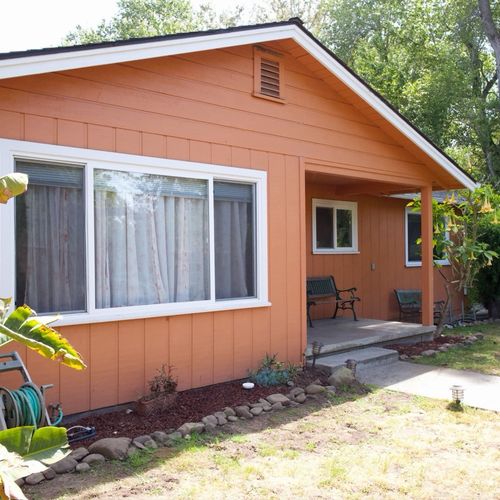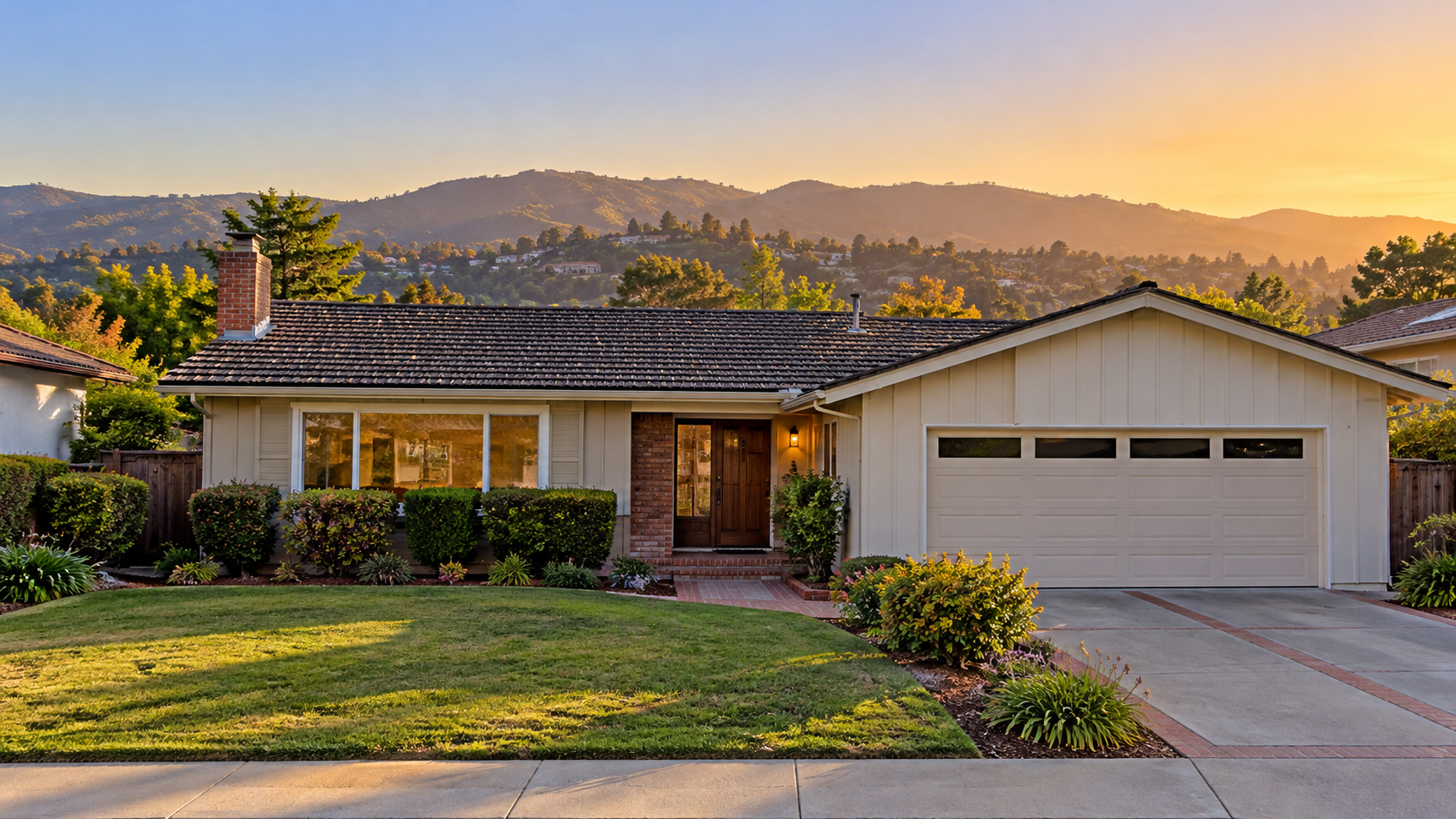
If your Los Gatos house hasn’t been touched in thirty years, I’d bet someone has already told you to “redo the kitchen before you list.” I hear it in almost every first meeting with longtime owners and with adult children handling a parent’s house, and most of the time it’s the wrong advice. Buyers here are paying for the schools, the downtown, the trees and the lot, and they’ll take a 1970s kitchen to get the address. The sellers who walk away with the most money are usually the ones who price it right, disclose everything, fix the handful of things that scare buyers and lenders, and let the market compete for the rest.
This guide walks through how an as-is sale works in Los Gatos, what California makes you disclose, which repairs pay and which don’t, and the tax questions longtime owners need answered before they list. I work out of the Compass office in Los Gatos, I’ve been licensed since 2003, and most of the 460-plus homes I’ve sold belonged to longtime owners, so this is the conversation I have more than any other. As always, I’m a REALTOR®, not an attorney or a CPA, so bring in the pros for your own legal and tax numbers.
Key Takeaways
Why Los Gatos Fixer-Uppers Still Command Top Dollar
Los Gatos sits at the southwest edge of Silicon Valley in Santa Clara County, and the buyer pool here is deep, well paid and mostly in tech. They want the Los Gatos schools, a walk to downtown and a mature lot under the redwoods and oaks, and there just aren’t many of those homes for sale in a given month. When one comes up, the condition of the kitchen is a much smaller factor than most sellers expect. You can see how tight that supply is on my Los Gatos home prices page, which tracks sales and price trends for the town.
That’s good news if your home needs work. Most sellers assume a fixer-upper means a big discount, and in this market that’s often wrong. A dated kitchen in Los Gatos is something a buyer budgets to replace, while the land under it is the thing they can’t get anywhere else. I’ve written about how property condition affects sale price and time on market, and the pattern holds here: buyers discount neglect, but they don’t pay you back dollar for dollar for a remodel.
What the Research Says About Older Homes and Sale Price
I don’t like asking sellers to take my word for any of this, so here’s the research I lean on most, which I cover in more depth in my article on the ROI of fixing deferred maintenance before you sell.
Economist Thomas Davidoff’s study “Maintenance and the Home Equity of the Elderly” found that homeowners over 75 spend about $1,100 less per year on upkeep than younger owners of similar homes, and their homes appreciated roughly 3% per year less in the same markets. A 2007 study in HUD’s Cityscape journal came in more conservatively but pointed the same way, estimating $25,000 to $35,000 in lost value on a typical American home over twenty years. A paper in the Journal of Urban Economics estimated that housing depreciates around 2.5% a year without maintenance, with outdoor upkeep having an outsized effect, which is exactly why the roof, paint and front yard get so much attention in this guide.
The newest and most rigorous work adds an important twist. The National Bureau of Economic Research working paper “Aging and Housing Returns” used actual sale prices and found an 80-year-old seller earns about 0.5% per year less than a 45-year-old, or roughly 5% less over a typical hold. Poor condition explained only about 10% of that gap, while about half came from how the homes were sold: older sellers were more likely to sell off the MLS and to investors. When Illinois changed its MLS rules to cut down on private listings, the age penalty was cut in half. For a Los Gatos fixer-upper, that’s the whole argument of this article in one study. Condition matters, but the bigger leak is selling quietly instead of putting the house in front of the whole market.
Does your place need a little work?
Sell As-Is. Sell for More.
No remodel, no lowball investor offer. Most Bay Area sellers net more selling as-is, and I'll show you how to get full market value without fixing a thing.
Show Me How →
How to Sell a House As Is in Los Gatos
An as-is sale means you’re selling the house in its current condition and won’t be making repairs before closing. In Los Gatos, as-is sales are common for older homes with deferred maintenance, and they still draw strong offers when they’re priced and marketed well. I’ve written a longer statewide guide on how to sell a house as-is in California without giving away your equity, but here’s how I run the process for an older Los Gatos home:
- Get a professional pre-listing inspection so you know exactly what you’re selling.
- Gather repair records, permits and any past contractor invoices.
- Price the home for its condition, not off a fully renovated comparable down the street.
- Market it to buyers who want a project, plus investors and builders, on the open MLS.
- Disclose known defects in writing, as California law requires.
- Review every offer, including ones with inspection contingencies.
- Close, with no repair work on your side.
The key is transparency. In my experience, buyers who know what they’re walking into write cleaner offers and are far less likely to come back asking for a credit after their inspection, which is why I push for the pre-listing inspection even when a family would rather not know.
What “As Is” Really Means for Your Sale
“As is” doesn’t mean “no disclosures.” It means you aren’t fixing anything before the sale, and California still requires you to tell buyers about the problems you know about. It also doesn’t block a buyer’s inspection. A buyer can still investigate the house and walk away inside their contingency period if they find something serious. What an as-is sale really does is set expectations up front, so the conversation about the roof happens before the offer instead of after it. I explain the math behind that in why selling your Silicon Valley home as-is often means selling for more.
Attracting Cash Buyers and Investors
Cash buyers move fast and skip the lender appraisal, which is a real advantage for an older home. The catch is that a cash offer is often lower than a financed one, so you have to compare the whole picture and not just the closing date.
- Cash buyers: faster close and fewer contingencies, but often a lower price.
- Financed buyers: a slower close and some appraisal risk, but often a higher price.
- Builders and flippers: useful when there are heavy structural issues, though they usually make the lowest offers.
For most Los Gatos sellers, full exposure on the open market beats taking the first cash offer that shows up in the mailbox, and the NBER study above is the strongest evidence I know of for that. Be especially careful with the postcard and text-message buyers, and read how “we buy houses” cash offers take advantage of older Bay Area homeowners before you sign anything. Zillow’s own data points the same way, which I covered in Zillow’s study showing off-market sales net sellers less at closing.
Accurate Home Price Data Is Just a Click Away!

Live MLS Data
What Are Homes Actually Selling For Right Now?
Median price, days on market, and how many homes are selling over asking, pulled straight from current MLS data for your neighborhood.
See the Live Sales Data →As-Is Home Sale Disclosure Requirements in California
California requires most sellers to give buyers a Transfer Disclosure Statement under Civil Code 1102.6, listing the defects they know about, and an as-is clause doesn’t change that. Skipping it, or soft-pedaling what’s on it, is how a clean sale turns into a lawsuit after closing. When I list an older home, I sit down with the family and go through these forms line by line, because the person who’s lived there forty years usually knows about problems they’ve stopped noticing. The main forms you’ll see are:
- Transfer Disclosure Statement (TDS): known defects in the home and its systems.
- Seller Property Questionnaire (SPQ): additional details buyers care about, from past insurance claims to neighborhood noise.
- Natural Hazard Disclosure (NHD): flood, fire and seismic zone information required under Civil Code 1103. A lot of Los Gatos sits in or near a mapped CAL FIRE fire hazard severity zone, which buyers and their insurers will look at closely.
- Lead-based paint disclosure: required for homes built before 1978 under the federal rule explained on the EPA’s real estate lead disclosure page.
- Megan’s Law notice: the standard purchase contract points buyers to the California Megan’s Law database.
Older Los Gatos homes also tend to have a garage conversion or a back addition nobody pulled a permit for, and that has its own disclosure rules. I’ve written a full guide on selling a house with unpermitted work in California, and a broader overview of Bay Area home sale disclosures if you want to see every form in one place.
Warning: Skipping or downplaying a known defect on the TDS is the fastest way to turn a clean sale into a lawsuit. Disclose everything, even the small stuff, and let your pricing do the work.
Best Home Improvements for Resale Value in Silicon Valley
Small fixes usually pay back more than big remodels in Silicon Valley. The research above points to maintenance, especially outdoor upkeep, as the work buyers actually reward, and nothing in it suggests a new kitchen earns back its cost on a house the next owner plans to remodel anyway. I dug into the remodel side of this in proof that major pre-sale renovations rarely pay off for Bay Area homeowners.
So start with the projects buyers notice and skip the ones that cost more than they return. Deep cleaning and decluttering, fresh paint in neutral colors, and new light fixtures and switch plates are almost always worth it. A full kitchen or bathroom remodel almost never is, because you rarely get the money back and Los Gatos buyers want to choose their own finishes anyway. If the house is still full of forty years of belongings, my guide to clearing out before a Silicon Valley move is a good place to start.
Tip: Spend your money on the first ten seconds of a buyer’s visit: the front yard, the entry and the smell of the house. Those drive more offers than a new countertop ever will.

Capital Gains Calculator
Bought for $180K and worth $2.4M today? See what you'd owe in capital gains tax.
After decades in Silicon Valley, your gain can blow right past the $250,000 and $500,000 exclusions. Plug in your numbers and see your estimated tax bill and how much cash you'll walk away with.
Run My Numbers →Strategic ROI: Where to Spend and Where to Save
Not every dollar you spend comes back at closing. In Los Gatos and the surrounding towns, the return depends less on national averages and more on what local buyers actually reward. My rule is simple: spend on things that remove doubt, and save on things buyers will replace anyway. When I walk an older house with a family before we list, this is the lens I use for every item on their to-do list.
What Los Gatos Buyers Actually Pay For
Buyers shopping in Los Gatos, Saratoga and Los Altos arrive with a mental checklist shaped by the area’s older housing stock and high price points, and in the showings and inspection negotiations I’ve been part of, three priorities come up again and again:
- Curb appeal and lot presentation. In a town where the trees, the downtown and the street matter as much as the house, the front elevation and yard do outsized work. A buyer who falls for the lot will forgive a dated kitchen.
- Evidence the house is sound. Los Gatos has a deep inventory of mid-century and older homes, and buyers and their inspectors look hard at the roof, foundation, drainage and electrical panel. Removing doubt here is worth more than any cosmetic upgrade.
- A clear path to modern living. EV charging capacity, solid Wi-Fi coverage and a workable floor plan matter to buyers who work from home and drive electric. You don’t need to install any of it, but you shouldn’t hide the fact that the house lacks it either.
High-Impact vs. Low-Impact Projects
Here’s how I’d sort the projects families most often ask me about:
| Project | Impact in Los Gatos | Why |
|---|---|---|
| Deep clean, declutter, depersonalize | High | Cheap, and it changes how buyers feel the moment they walk in |
| Fresh neutral paint inside and out | High | Covers wear, brightens rooms and photographs well |
| Landscaping, tree trimming, front entry | High | First impressions drive offers in a tree-and-downtown market |
| Minor plumbing, electrical and safety fixes | High | Removes buyer fear and inspection surprises |
| Pre-listing inspection and repair credits | High | Lets you control the story instead of reacting to a buyer’s findings |
| Full kitchen remodel | Low | Costly, and Los Gatos buyers typically want to choose their own finishes |
| New flooring throughout | Low | Let buyers pick their finish; the disclosures handle the rest |
| Roof replacement (if it isn’t leaking) | Low | Disclose it, price it in and let the buyer decide |
| Pool resurfacing or spa work | Low | Rarely recovers its cost and can raise safety and upkeep concerns |
| Full bathroom remodel | Low | Same logic as the kitchen: buyers want their own design |
The Los Gatos Luxury-Buyer Overlay
At the upper end of the Los Gatos and Los Altos Hills market, the math shifts again, and this is where I most often talk families out of spending money. Buyers at that level often plan a significant remodel no matter what condition the house is in, so cosmetic work you pay for may end up in a dumpster. What they’ll pay a premium for is certainty: clean title, clear permits, documented improvements and a lot that supports their vision. On a desirable Los Gatos street or a view lot, your best return may come from disclosures, permits and presentation rather than finishes.
Tip: Before you spend a dollar on renovation, walk your home the way a Los Gatos buyer will: from the street, through the front door and into the rooms they’ll actually use. Spend on what they see first and what they fear most, and save on everything they’ll want to redo themselves.
A Simple Prioritization Framework
When a family hands me a long list of projects, I run every item through these four steps:
- Fix anything that could fail an inspection or block financing.
- Fix anything a buyer would smell, see or trip over in the first ten seconds.
- Fix anything that makes the house feel unsafe or unfinished.
- Stop. Everything else is a design choice, and in this market design choices belong to the buyer.
That framework keeps your budget on the projects that actually move the final number in Los Gatos, Saratoga, Campbell and the rest of Silicon Valley. My step-by-step guide to preparing an older home for sale for maximum cash out goes room by room if you want more detail.
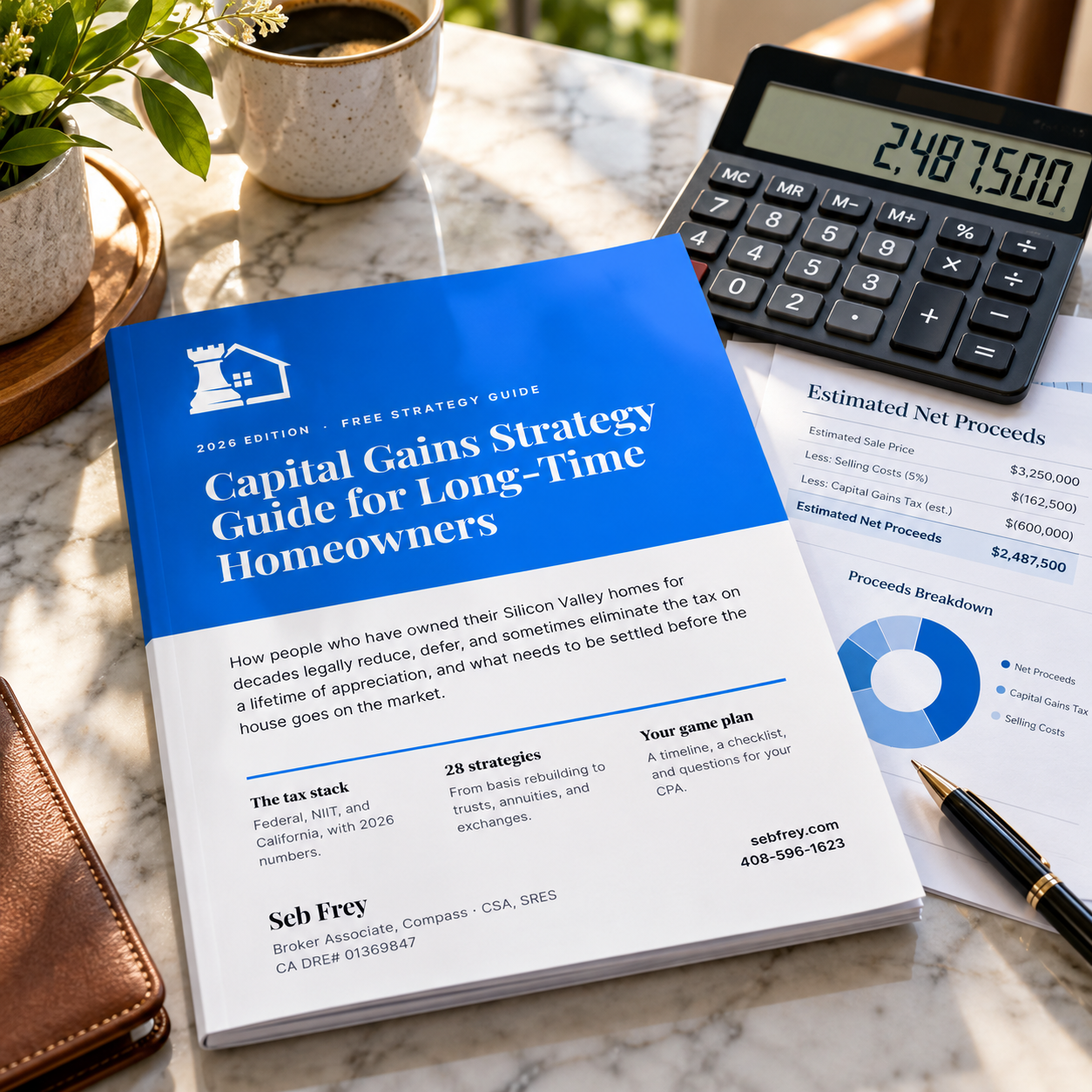
Free 2026 Strategy Guide
28 legal ways long-time owners cut their capital gains tax. Know your options before you list.
After decades in Silicon Valley, your gain can blow past the $250,000 and $500,000 exclusions. The guide walks through each strategy, a real bracket-by-bracket example, and what to settle before you list.
You're all set. Thanks! Your Capital Gains Strategy Guide is on its way to your inbox. If you don't see it in a few minutes, check your promotions or spam folder.
Presentation vs. Renovating: Which Gets You More at Closing?
For most Los Gatos fixer-uppers, careful preparation and presentation beat renovating, and that’s what I recommend in the large majority of the older homes I list. Where the tipping point sits depends on three things: whether the condition blocks financing, how the local buyer pool reacts to the home as it sits, and how much it costs you to hold the property while work gets done.
The Tipping Point, Defined
Renovating starts to win when a defect is serious enough to narrow your buyer pool to cash-only investors. Fannie Mae’s property condition guidelines require that deficiencies affecting safety, soundness or structural integrity be repaired before a conventional loan can close, and in Los Gatos that usually means one of these:
- A roof at or near the end of its life, or an active leak.
- Foundation movement that the lender’s appraiser will flag.
- Outdated or unsafe electrical service that fails inspection.
When any of those are present, no amount of paint will fix the problem. The home becomes hard to finance and your buyers shrink to investors and builders who price in the risk. The right move is a targeted repair, not a full remodel: fix the defect, leave the finishes alone and let presentation handle the rest. I go deeper on this in selling a home with deferred maintenance in Silicon Valley. For everything else, like dated kitchens, worn flooring, old wallpaper and tired bathrooms, preparation wins.
Why Preparation Wins for Cosmetic Fixer-Uppers
Preparing a fixer-upper isn’t about hiding flaws. It’s about showing buyers a clean, cared-for house with a clear path forward. In Los Gatos that matters a lot, because buyers here are wary of deferred maintenance, and a clean, bright, uncluttered house reads as maintained even when the finishes are dated.
One thing I’d be careful with is spending thousands on rented furniture and décor and expecting it to raise your price. The academic research published in the Journal of Housing Research found that staging changed how buyers felt about a home but didn’t significantly change what they were willing to pay, which I walk through in proof that staging with rented furniture is a waste of money. Treat full staging as marketing, not as a value-add, and put your money into cleaning, paint, light and the yard first.
The Cost of Carrying a Vacant Home
Renovation takes time, and time costs money, so I run the carrying costs with every family before anyone calls a contractor. While you remodel you’re still paying property taxes, insurance, utilities and any mortgage, and in a high-value market like Los Gatos those carrying costs add up fast. Cleaning, paint and yard work take days or a couple of weeks, not months, and you don’t lose a season of the market waiting on a contractor.
A Decision Framework for Los Gatos Sellers
These are the five questions I ask before I’ll recommend any renovation at all:
- Is there a defect that blocks financing? If yes, repair it, and keep the repair targeted rather than cosmetic.
- Is the home merely dated? If yes, prepare it well and price it for its condition.
- Is the lot or location exceptional? If yes, lean even harder on presentation, because the location is doing the heavy lifting.
- Are you in a luxury price band where buyers plan to remodel anyway? If yes, skip the renovation and invest in disclosures, permits and presentation.
- Can you carry the home through a multi-month renovation? If no, preparing and selling as-is is the only realistic path.
Warning: Don’t renovate a Los Gatos fixer-upper just because it feels like the “right” thing to do. Every month of construction is a month of carrying costs, and every dollar spent on finishes a buyer will tear out is a dollar that doesn’t come back at closing.

Does your home need some work first?
Let's get it market-ready, and pay for it at closing.
Paint, repairs, flooring and staging, all handled for you through Compass Concierge with nothing out of pocket up front and no contractors for you or your family to manage.
See How It Works →Rather talk now? Call or text 408.413.3087
When Renovating Actually Pays
A bigger renovation can pay when the home sits in a price band where buyers expect turnkey condition and the current state is far below that bar. Even then, the smart play is a targeted refresh (paint, lighting, flooring in the main living areas and a functional kitchen) rather than a full gut. I saw this play out with a family of co-trustees who sold an inherited fixer-upper as-is, where agreeing on what not to fix was half the battle.
For most Los Gatos sellers the answer comes down to this: prepare the cosmetics, repair the deal-breakers, price it to draw competition, and let the market fight over the rest. It’s also worth knowing what you’re signing before you hire anyone, so read my quick guide to the California residential listing agreement first.
Tax Implications of Selling a Fixer-Upper in Los Gatos
The biggest tax question for longtime Los Gatos owners is capital gains. Many of my clients bought decades ago, and the gain can be very large. Two things matter most. The first is the home sale exclusion, which lets you exclude up to $250,000 of gain ($500,000 for most married couples filing jointly) if you owned and lived in the home as your primary residence for at least two of the last five years. The second is your capital improvements, which add to your cost basis and lower the taxable gain.
Keep every receipt for improvements you’ve made over the years. A new roof, a remodel or a major repair can raise your basis and lower the tax you owe, and those old invoices are often worth real money. The IRS Publication 523 on selling your home explains the exclusion rules in detail, and my complete guide to capital gains tax on a Silicon Valley home you’ve owned for 30 years walks through how it plays out locally. If you’re 55 or older and buying your next home in California, Prop 19 may also let you carry your low property tax base with you.
This is general information, not tax advice. The rules change and every situation is different, so work with a CPA who knows California real estate to run your own numbers.
Warning: Don’t guess at your capital gains. A 40- or 45-year ownership history can mean a large gain, and the home sale exclusion has limits. Get a professional to run the numbers before you list, not after you’ve accepted an offer.
Your Path to Top Dollar
Selling a fixer-upper in Los Gatos doesn’t require a remodel. It takes the right pricing, honest disclosures and a few smart repairs that remove buyer doubt, and then full exposure to a market that still wants what your house is sitting on. I’ve closed more than 460 transactions over 23 years in Silicon Valley, and much of that work is with older homeowners and their families who want to get top dollar without months of contractors and stress. If you’re thinking about selling a house that needs work, I’m happy to walk it with you and give you an honest read on what to fix and what to leave alone.
Free Seller Strategy Session
Before we talk money, let's talk about you.
The biggest financial wins in a move happen long before a home hits the market, and they start with understanding your situation. In 30 minutes we'll talk through what's changing, who's involved, and what you need this move to do for you, then map out a plan that gets you there with a clear financial advantage.
Book My Strategy Session →
Frequently Asked Questions
Is it better to sell a fixer-upper as-is or fix it up before selling in Los Gatos?
For most Los Gatos homes, selling as-is with targeted prep wins. Buyers here pay mainly for location and lot and often plan their own remodel. The exception is a defect that blocks conventional financing, such as a failing roof, foundation movement or unsafe electrical, which is usually worth repairing before you list.
What are the as-is home sale disclosure requirements in California?
Selling as-is doesn’t remove your disclosure duties. Most sellers must provide a Transfer Disclosure Statement listing known defects, a Natural Hazard Disclosure, and a lead-based paint disclosure for homes built before 1978, and the purchase contract includes a Megan’s Law notice. Failing to disclose a known defect can lead to a lawsuit after closing.
What are the most profitable home improvements for resale value in Silicon Valley?
The best returns usually come from inexpensive work: deep cleaning and decluttering, neutral paint, updated light fixtures, landscaping and the front entry, and minor safety repairs. Full kitchen and bathroom remodels rarely recover their cost at resale, and Los Gatos buyers typically want to choose their own finishes.
Does staging help sell a fixer-upper in Los Gatos?
Cleaning, decluttering, paint and good lighting help a fixer-upper show as well cared for. Full staging with rented furniture is a different story. Academic research found it changes how buyers feel about a home without significantly changing what they’ll pay, so treat it as marketing rather than a way to raise the price.
Should I take a cash offer on my Los Gatos fixer-upper?
A cash offer closes faster and skips the appraisal, but it’s often lower than what a financed buyer would pay on the open market. For most Los Gatos sellers, listing on the MLS and letting cash and financed buyers compete produces a higher net than accepting the first cash offer.
How can I get top dollar for my fixer-upper in Los Gatos?
Price it for its condition, disclose everything up front, fix only what blocks financing or scares buyers in the first few seconds, and market it to the full buyer pool on the MLS. In Los Gatos, emphasizing the location and lot draws the strongest offers.

Prop 19 Calculator
Can You Take Your Low Property Tax With You?
If you're 55 or older, Prop 19 may let you carry your current tax base to a new home anywhere in California. Plug in your numbers and see what your property taxes could look like after you move.
Estimate My Property Taxes →Senior Friendly Homes in Silicon Valley South
2
3
4
5
6
7
8
9
10
11
12
13
14
15
16
17
18
19
20
21
22
23
24
25