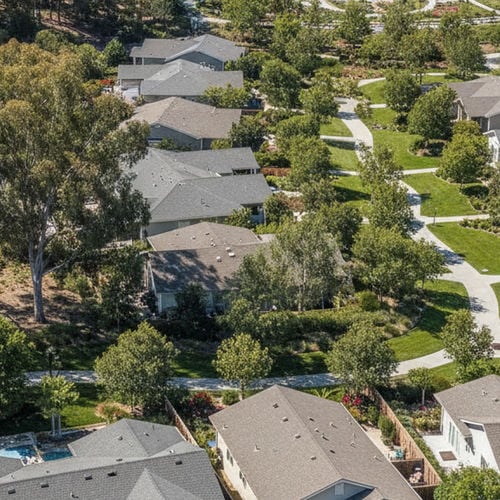
Buying a Home in a 55+ Community in Silicon Valley: A Guide for 2026
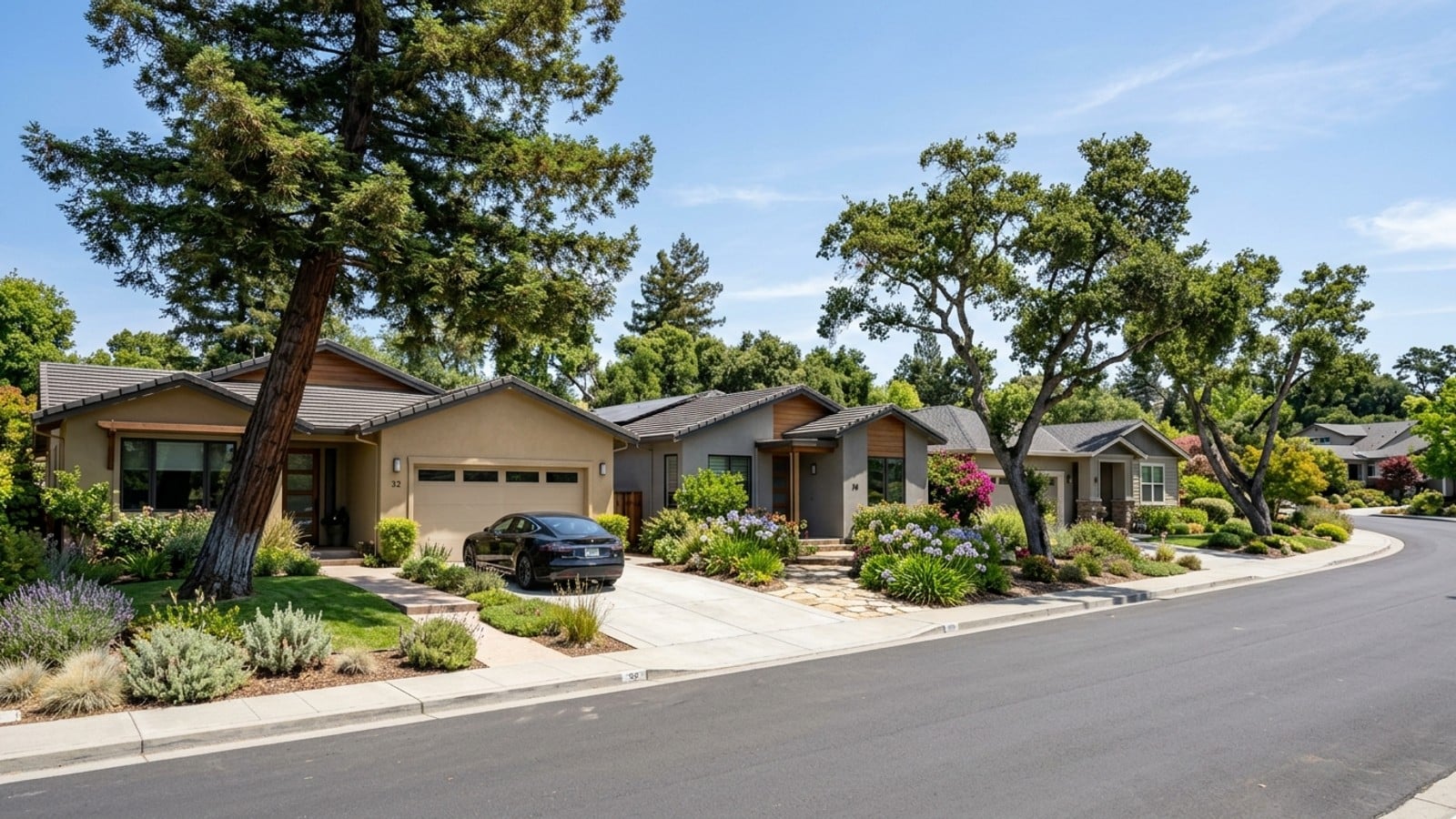
Key Takeaways
Summary: Buying in a 55+ community in Silicon Valley means competing in one of the most expensive markets in the country, where single-family homes still sell fast and condos give buyers a little more breathing room. The real choices are an age-restricted community like The Villages in San Jose, a 55+ manufactured-home park, a single-level home or condo that works for aging in place, or a continuing care community with an entrance fee. Get your financing and Prop 19 tax savings sorted out first, understand the age and ownership rules for the community you're considering, and read the HOA documents before you make an offer.
Santa Clara County's median single-family home sold for $1,965,500 in September 2026, according to MLSListings data compiled by RE Report. That number sets the tone for everything that follows: what you can buy, where you'll look, and how fast you'll need to move when the right place comes up. If you're thinking about downsizing to a 55+ community and staying in the area, the 55+ community real estate market isn't going to slow down and wait for you.
Most of the buyers I work with at this stage want the same things: a single-story layout, a low-maintenance exterior, and a short drive to their doctors. The inventory is out there, from designated age-restricted communities to condos and single-level homes that work well for aging in place, but you have to know where to look and be ready when something comes up. I've been licensed since 2003 and I hold the Seniors Real Estate Specialist (SRES), Certified Senior Advisor (CSA) and Certified Aging in Place Specialist (CAPS) designations, so this guide comes from what actually happens in these moves, not from a brochure.
What to Know Before You Start Looking
Single-family homes in Santa Clara County sold in about 26 days in September 2026 and closed at 103.6% of list price on average. In practice that means the good ones still draw multiple offers, and showing up without your financing in order is a waste of everyone's time, including yours.
The other thing to sort out early is whether you want a true age-restricted community or just a home that's easy to live in as you get older. Both can work, but they're different searches with different rules, different HOA structures and different timelines. My guide to active adult vs. age-restricted communities walks through the difference, and knowing which way you're leaning narrows the ZIP codes considerably.
If you're selling a current home at the same time, figure out the order before you start touring. Buying first usually takes bridge financing or enough cash to carry two homes for a while, and selling first can mean a short-term rental or a rent-back from your buyer. It's one of the most common situations I see, and getting the sequence right matters more than almost anything else in the move.
Silicon Valley Real Estate Market Snapshot (Fall 2026)
In September 2026 there were 993 active single-family listings in Santa Clara County and 644 single-family sales, which works out to roughly a month and a half of supply. That's still a seller's market, and homes with the features older buyers want, like zero-step entries, ground-floor primary suites and single-level floor plans, go especially fast because they appeal to almost every buyer, not just the 55+ crowd.
Condos and townhomes are a softer market. The county median was $862,500 in September, homes took about 39 days to sell and closed at roughly 100% of list price, and there were 711 active listings against 232 sales. For a downsizer that's good news, because it means more choice, more room to negotiate, and more time to read the HOA paperwork. Prices inside specific 55+ developments can look very different from these county numbers. At The Villages, for example, sales have run from the low $300,000s to about $1.3 million depending on the home type and location.
Housing Types and Price Ranges for Aging in Place
You'll find single-family homes, townhomes, condos and manufactured homes that suit this stage of life. The largest true 55+ community in the county is The Villages Golf & Country Club in San Jose's Evergreen foothills, with condos, attached villas and detached homes around two golf courses, four pools and a clubhouse. There are also age-restricted manufactured-home communities, such as Cape Cod Village, a 188-space 55+ park on Borregas Avenue in Sunnyvale.
Pricing depends on location and amenities. At the top of the market, Zillow's home value index put the typical Saratoga home at close to $4 million in early 2026 (my Saratoga home prices page has the current numbers). At the other end, manufactured homes in 55+ parks often sell for well under $300,000, though you'll pay monthly space rent on top of that.
Traditional single-story homes outside age-restricted communities give you independence without HOA-managed programming. They're common in older neighborhoods across Sunnyvale, Cupertino, Campbell and West San Jose. Budget for modifications, because most of these homes weren't built with aging in place in mind. When I walk through one with a client, the things I look at first are the entry steps, doorway and hallway widths, the primary bathroom (a curbless shower and room for grab bars), and whether the laundry is on the main floor. My aging in place guide covers what those changes typically involve.
Designated 55+ communities like The Villages offer gated security and extensive recreation, with an all-inclusive fee that covers grounds, building maintenance and club membership. Before you fall in love with a unit, pull the HOA documents and read them. Monthly dues vary, what's covered varies, and you want to know whether the reserves are healthy and whether a special assessment is coming. My condo and HOA red flags checklist shows you what to look for.
Condos and townhomes that aren't age-restricted, in places like Los Gatos, Campbell, Sunnyvale and Menlo Park, offer a lock-and-leave lifestyle where the association typically handles the roof, landscaping and exterior painting. If you split time between locations or plan to travel, that structure is worth the trade-offs. Just check the CC&Rs, because what the HOA covers varies from one complex to the next.
Age Rules: Who Can Live in a 55+ Community
Under the federal Housing for Older Persons Act, a community can operate as 55+ housing when at least 80% of its occupied units have at least one resident who's 55 or older, and it publishes and follows policies showing that intent. California layers its own rules on top in Civil Code Section 51.3, which protects "qualified permanent residents," a category that includes a spouse, cohabitant or caregiver living with the qualifying senior. So a younger spouse can generally live with you.
Each community also writes its own rules, and they're often stricter than people expect. At The Villages, at least one resident has to be 55 or older and children can't live in the community, whether the home is owned or rented. Ask for the CC&Rs and the rules early, especially if you have adult children, grandchildren or a caregiver who might stay with you. If you want a deeper explanation, see what age-restricted housing means in Silicon Valley.
Could you use a Helping Hand?

Neighborhoods and Care Access
For a lot of buyers, the distance to their doctors matters more than the floor plan. If you want to be close to specialized care, neighborhoods near Stanford Health Care in Palo Alto, El Camino Health in Mountain View, and the Kaiser Permanente medical centers in Santa Clara and San Jose are worth considering on that basis alone.
Some buyers decide a continuing care retirement community makes more sense than buying a home. The Forum at Rancho San Antonio in Cupertino was voted the area's best retirement community by Mercury News readers in 2023 and 2024. Vi at Palo Alto, near Stanford, published 2026 entrance fees from about $1.5 million to more than $13 million, depending on the residence and how much of the fee is refundable, with monthly fees from $6,400 to $14,510 (Vi's 2026 fee schedule). Saratoga Retirement Community offers apartments and cottages with an entrance fee plus monthly fees that third-party estimates put at roughly $5,000 to more than $7,000, depending on the residence and level of care. These communities let residents move from independent living into assisted living or nursing care without relocating, which is a big part of what you're paying for.
For everyone else, the practical question is simple: how far is this house from your doctors? Map it before you make an offer.
Simple Strategy Guide
The Downsizing Guide for Bay Area Seniors
What to keep, what to let go, and how to get your home ready for today's buyers without a costly remodel, so you protect your equity and move on your own timeline.
You're all set. Thanks! The Downsizing Guide is on its way to your inbox. If you don't see it in a few minutes, check your promotions or spam folder.
Location, Counties, and Getting Around
Silicon Valley spans Santa Clara County and the southern half of San Mateo County, running south from the Peninsula along US-101 and I-280 to San Jose. Where you buy within that area shapes your daily life in very concrete ways.
Palo Alto covers ZIP codes 94301, 94303, 94304 and 94306. Mountain View includes 94040, 94041 and 94043. Farther south, Cupertino (95014), Los Gatos (95030 and 95032) and Saratoga (95070) each have their own feel and housing mix. Menlo Park and Palo Alto put you closer to San Francisco and San Francisco International Airport (SFO), while San Jose puts you minutes from Norman Y. Mineta San Jose International Airport (SJC). If you expect to drive less over time, living near Caltrain, VTA light rail or a walkable downtown like Los Gatos, Campbell, Mountain View or Willow Glen can matter more than you'd think.
Cost of Living and Lifestyle
This region is expensive, and fixed incomes feel it. The UCLA California Elder Index estimated that a single older adult renting alone in California needed about $32,100 a year just to cover basic costs in 2023, and Bay Area counties run well above the state average. If you're living on retirement income, run the numbers with a financial advisor before you start shopping. That's the first step, not an optional one.
On the housing side, budget for property taxes, HOA dues and insurance. When you buy, your property tax resets to the 1% base rate on your purchase price plus local bonds and assessments, unless Prop 19 lets you bring your old tax base with you. That one rule can be worth thousands of dollars a year, so check it before you set a budget. My Prop 19 calculator gives you a quick estimate.
What you get in return is a mild climate with dry summers and wet winters, which keeps seasonal upkeep manageable, plus easy access to Stanford's campus and museums, Santa Clara County's open space preserves, and historic spots like the Winchester Mystery House and San Jose's Peralta Adobe.
Free 3-minute decision check
Stay, downsize, or move away? Find out which one costs you the least.
For longtime Bay Area owners, the wrong call can cost six figures in taxes, remodeling, or years of higher living costs. Answer a dozen quick questions and see all three paths side by side, with a rough dollar figure for what each one would cost you or free up.
See My Best Path →Rather talk now? Call or text 408.413.3087
Choosing a Real Estate Agent for a 55+ Purchase
Real estate commissions in California are negotiable, and there's no standard rate. Since January 1, 2025, California law (AB 2992) has required a buyer's agent to have a signed written representation agreement with you, lasting no more than three months, that spells out what the agent will be paid. The California Department of Real Estate has a good plain-English summary. Ask any agent you interview to walk you through it at the start.
For this kind of purchase, experience with 55+ communities matters. An agent who works these neighborhoods knows the HOA structures, can read a reserve study before you write an offer, and understands how the sale of your current home, Prop 19 and your income all fit together. A Seniors Real Estate Specialist (SRES) designation is worth looking for, since it means training in downsizing, retirement financing, and the tax and estate issues that come with this move. I hold the SRES, CSA and CAPS designations and have closed more than 460 transactions in Silicon Valley, many of them for longtime homeowners and their families. More on what to look for is in my guide to choosing a downsizing agent.
Interview more than one agent. Find someone who communicates clearly and knows the Santa Clara and San Mateo county 55+ inventory without having to look it up.
The Home-Buying Process in California
California real estate involves a lot of paperwork: natural hazard disclosures, preliminary title reports, inspection periods and escrow procedures. The timeline is specific, and understanding it ahead of time prevents delays at closing.
With single-family homes averaging about 26 days on the market in Santa Clara County, you need financing organized before you tour anything. Cash buyers should have proof of funds ready. If you're financing, have your pre-approval letter in hand.
On financing: Lenders here look at retirement income, pensions, Social Security and asset depletion when qualifying buyers. If you're 62 or older, a reverse mortgage for purchase is another option some buyers use to keep more cash in the bank. If you're using proceeds from the sale of your current home, coordinate the timing with your lender and escrow officer early, and confirm how your income streams affect your debt-to-income ratio before you're in the middle of a transaction.
On inspections: Hire a licensed inspector and pay close attention to the details that matter for aging in place, like hallway widths, walkway conditions, entry steps and the primary bathroom layout. Spotting needed modifications during the inspection period gives you the chance to ask for repairs or credits instead of absorbing those costs after closing.
On closing costs: Expect escrow fees, title insurance and property tax prorations, plus HOA transfer and document fees in an association. The exact amounts depend on the purchase price and loan type. Review the estimated settlement statement carefully before you sign anything.
Silicon Valley Home Search
Stop scrolling stale listings. See what's really for sale today.
A lot of the homes on the big portals went pending last week, and you don't find out until you've already fallen for one. My home search pulls straight from the MLS across Santa Clara and Santa Cruz counties, so every home you see is actually available. Filter by price, neighborhood and home type, save the searches you care about, and be the buyer who already knows the inventory when the right house comes up.
Search Homes For Sale Now →
Frequently Asked Questions
Can my younger spouse or adult children live with me in a Silicon Valley 55+ community?
A younger spouse generally can. The federal Housing for Older Persons Act requires at least 80% of occupied units to have one resident who's 55 or older, and California Civil Code Section 51.3 protects spouses, cohabitants and caregivers of the qualifying senior as "qualified permanent residents." Adult children and grandchildren are a different story, and many communities don't allow them to live there. At The Villages in San Jose, for example, children can't live in the community at all. Read the CC&Rs and rules for any community you're considering before you make an offer.
Are there 55+ communities in Silicon Valley where you own the land, or are they all space-rent setups?
Both exist, and the difference can be worth a lot of money every month. At The Villages in San Jose you buy your home outright, either a single-family home on its own lot or a condo with a share of the common areas, and pay HOA dues. In 55+ manufactured-home parks like Cape Cod Village in Sunnyvale, you own the home but pay monthly space rent for the land under it, which ran about $1,600 a month on a recent sale there. Confirm which structure applies before you compare prices, because a low sticker price in a space-rent park isn't the bargain it first appears.
How does Proposition 19 work when I'm downsizing to a 55+ home in Santa Clara County?
If you're 55 or older, Prop 19 lets you transfer the taxable value of your current primary residence to a replacement primary residence anywhere in California, up to three times in your life. You have to buy the replacement home within two years before or after you sell. If the new home is worth more than your old one's market value (with a little leeway if you buy after you sell), the difference is added to your transferred tax base. You file the claim with the county assessor where the new home is located. The State Board of Equalization has the official guidance, and you should confirm your situation with a tax professional before you buy.
What happens if I leave my 55+ home to family members who don't meet the age requirement?
Your heirs can inherit the home, but they may not be able to live in it. A qualified permanent resident who was already living there with you can generally stay, but heirs under the age minimum who weren't living there usually can't move in. Most heirs in that situation either sell the home or, if the community allows it, rent it to an age-qualified tenant.
Can I rent out my home in a senior community if I eventually move into assisted living?
It depends on the community's rules. Some 55+ communities cap how many units can be rented or require tenants to meet the same age rules as owners, and many require renters to register with the association. Review the rental policy for any community in San Jose, Sunnyvale or Cupertino before you buy if renting it out later is part of your plan.
What are typical HOA fees in Bay Area 55+ communities, and what do they cover?
They vary a lot by community and home type. In a 55+ community like The Villages, dues depend on the district and the size of the home, and they cover things like grounds, building maintenance, trash and the golf and country club membership, with condo dues also covering utilities. Continuing care communities work differently: you pay an entrance fee plus a monthly fee that includes services and access to care, and those monthly fees often start well above $5,000. Ask for the HOA budget and a full breakdown of what's covered before you sign anything.
Should I buy a home in a 55+ community or move into a continuing care retirement community?
It comes down to how much care you expect to need and how much control you want over your money. Buying a home keeps your equity in real estate you own and leaves you free to sell later, but you'll arrange any care yourself. A continuing care community costs more up front and month to month, but it guarantees access to assisted living and nursing care on the same campus. Many of my clients tour both before deciding.
How fast do homes sell in Silicon Valley 55+ communities?
Single-level homes with easy access sell quickly because they appeal to buyers of every age. Countywide, single-family homes sold in about 26 days in September 2026, while condos and townhomes took about 39 days. Have your financing, proof of funds and Prop 19 plan ready before you start touring so you can act when the right home comes up.
Free Downsizing Strategy Call
Before you start sorting decades of belongings or call a moving company... let's figure out where you're headed and how to get there.
Most downsizing regrets come from doing things in the wrong order. In 30 minutes, we’ll talk through what your home may be worth, whether to buy or sell first, how Prop 19 could affect your property taxes, what the house actually needs before listing, and a realistic timeline for your move—so the process feels manageable, not overwhelming.
Book My Downsizing Strategy Call →Senior Friendly Homes in Silicon Valley South
2
3
4
5
6
7
8
9
10
11
12
13
14
15
16
17
18
19
20
21
22
23
24
25
Check out this article next