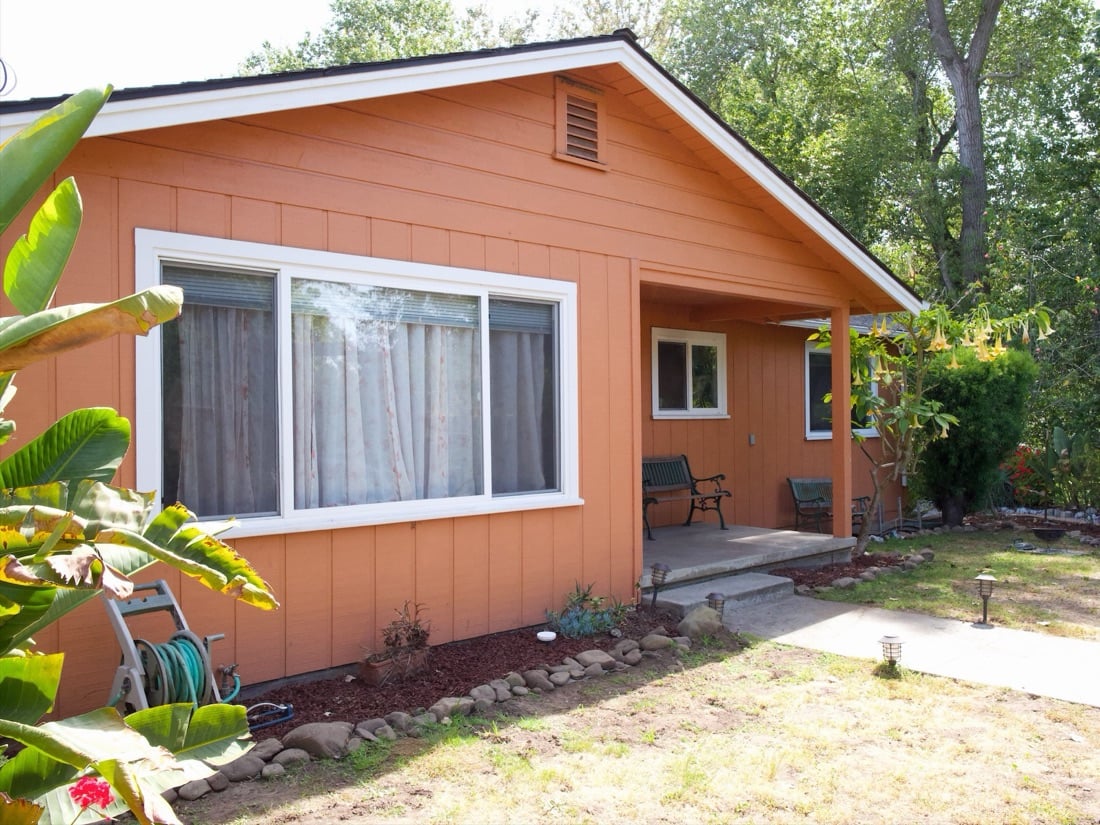
An 82-year-old seller had come back to a house she once owned, after losing her daughter. Two years later she was ready to move on to something smaller, but she couldn’t buy her next home until this one sold. We listed it the day after she signed and had it in contract in nine days, at $50,000 over asking. Ten days after closing she moved into her new home, and she only had to move once.
The Results
- $1,400,000 sale price, 103.7% of the $1,350,000 list price
- 1 day from signed listing agreement to live on the MLS
- 9 days from listing to an accepted all-cash offer
- One move: sale proceeds went straight into an all-cash purchase of her next home a week later, with no bridge loan, rental, or storage unit
Her Story
The seller owned the house for decades. Later she sold it to her daughter, who made it her home, and the seller moved out of the area.
About four years before we met, her daughter passed away. The seller sold her home out of the area, came back, and worked things out with the rest of the family so the house came back to her. She lived in the small unit under the main house and rented the upstairs rooms to tenants.
She first reached out in February, asking what the house was worth and asking me to text rather than call, because robocalls had made her phone close to useless. I came out to meet her and walk the property on March 2. A month later she gave her tenants three months’ notice to be out by the end of June, which was the hardest part of the whole decision for her because some of them had lived in the house for a long time.
By then she was 82, a widow for many years who had been living on her own, and she called every shot in this move herself, with family stepping in only for small things along the way. She was ready for something smaller and all on one level, close by, that she could take care of herself. She has plenty of company. According to Harvard’s Joint Center for Housing Studies, people over 80 are the fastest-growing age group in the country and the most likely to need accessible housing. She planned to keep renting out a room to help with costs. In May we started looking at single-level options in her price range, and there wasn’t much to choose from. Her equity was all in this house, which is the classic buy-before-you-sell squeeze, so she couldn’t buy until it sold. And she couldn’t leave the house until she had somewhere to go.

The Clock
In late May she was ready to make offers on her next home, and her first question was a practical one: if she put down a deposit, how long would she have to sell before she lost the home she was buying? That depends on how much confidence the seller has in her sale.
An offer contingent on selling your current home only works if the seller believes your house will actually sell in time. The ladder goes from a signed listing agreement, to being live on the market, to being in contract, to having your buyer remove their contingencies, and every rung makes a contingent offer more competitive when there are other buyers. She was on none of those rungs yet, so her house had to move, and fast.
She signed the listing agreement on the afternoon of May 25. That evening I opened escrow, ordered the natural hazard report, and requested insurance quotes. The house went live on the MLS the next day at $1,350,000, with showings Thursday through Saturday and two open houses over Memorial Day weekend.
It wasn’t ideal timing. The tenants were moving out that same weekend, so there were boxes in every room and a couple of the upstairs rooms were a mess. When a colleague offered to hold an extra open house on Saturday in the middle of the move, she agreed right away and handled the conversation with the tenants herself. She was working hard not to let the stress get to her, picking up and cleaning wherever she could, and by that evening several groups had come through and she felt good about how it went.

Simple Strategy Guide
The Downsizing Guide for Bay Area Seniors
What to keep, what to let go, and how to get your home ready for today's buyers without a costly remodel, so you protect your equity and move on your own timeline.
You're all set. Thanks! The Downsizing Guide is on its way to your inbox. If you don't see it in a few minutes, check your promotions or spam folder.
What We Did
1. Answer the hard questions before buyers asked them
The lot sits in a FEMA-mapped flood zone, which meant buyers would need flood insurance on top of a regular homeowners policy. One insurer saw a ground-level window in the photos and assumed the house had a basement. I sent photos from inside to show the lower room was fully above grade. Two carriers still declined to quote, which tells you a lot about California’s home insurance market. By the first showing, buyers had flood quotes from $2,121 to $4,744 a year and homeowners quotes starting at $1,139.
She believed the unit she lived in under the house was permitted, but I couldn’t find a permit for it, and unpermitted space can derail an escrow late in the game. County records showed the space was meant to stay non-habitable. Instead of hoping no one asked, I asked County Planning and Environmental Planning whether it could become a legal ADU under California’s current ADU rules. I disclosed what I found so no buyer was surprised in escrow.
Termite and sewer lateral inspections were done the day after listing. The sewer line was in good shape but needed a county-required cleanout, which I paid for so it never became a negotiating point.
2. Put both buyers in the same room
Two full-price offers came in within a week. One was from a neighbor she knew. Instead of picking one, I sent both buyers a multiple counter offer at $1,400,000. It also asked for the two things she actually needed: 10 days in the house after closing at no cost, and time to secure her next home.
3. Untangle the family trust in a single day
Title ran through her late daughter’s trust, and the title company had questions about trustees named years earlier and whether other family members had agreed to the transfer. On the morning of June 16 the title officer asked if a settlement agreement mentioned in an old court order would answer them. The seller asked a family member, who sent it to her, and I had it to title by 10:34 that morning. The trust was approved at 3:01 that afternoon.
4. Find the right next home
On June 10 the right fit came up: a newer single-level home in a manufactured home community, small enough for her to manage on her own. We toured it on June 15 and met the park manager, and by the end of the visit she could see herself living there. We wrote a full-price cash offer that evening contingent on the sale of her house, and it was accepted the next day. The signed contract came back with an addendum correcting the street address, which I brought over for her to sign that afternoon. The community required its own residency application with wet signatures, delivered in person. She was approved on June 28.
5. Plan the move for her
When her buyer asked to push their closing from July 1 to July 11, I moved her purchase to July 18 so her 10-day stay after closing would cover the gap. Then I sent her the whole plan in writing, the same way I do with every downsizing move:
- Tenants out by June 30
- Anything that wasn’t hers donated to Goodwill or hauled to the dump
- Small and fragile things packed into boxes
- New home deep cleaned on July 19
- Movers on July 20
- She moves in on July 21, the last day of her stay in the old house
6. Keep the purchase escrow on track
A manufactured home in a park doesn’t close like a house. The title search runs through the state Department of Housing and Community Development rather than the county, the park has to issue its own demand, and the county tax collector has to clear the taxes before escrow can even draw closing instructions. Normal turnaround was 15 business days for the park, 10 for the county, and 3 for the state, and escrow warned that backlogs were stretching all of them. When the purchase escrow sent her a request for loan documents she didn’t need, since she was paying cash, I called them to sort it out so she didn’t have to.

Free 10-Strategy Guide
The Moving Guide for Long-Time Bay Area Homeowners
How to plan your move in the right order, set a realistic timeline, and get your home ready to sell while protecting your equity and your peace of mind.
You're all set. Thanks! The Moving Guide is on its way to your inbox. If you don't see it in a few minutes, check your promotions or spam folder.
The Offers
| Buyer | Financing | Deposit | Contingencies | Close | Offer | Countered At | Final | Outcome |
|---|---|---|---|---|---|---|---|---|
| Buyer A | All cash | $40,500 | No loan or appraisal | 15 days | $1,350,000 | $1,400,000 | $1,400,000 | Accepted |
| Buyer B (neighbor) | Loan, $810,000 | $15,000 | 60-day loan, 30-day appraisal | 60 days | $1,350,000 | $1,400,000 | n/a | Not selected |
Buyer B held at list price and refused the seller’s move-out terms. Buyer A came back at $1,375,000 and accepted everything else. We countered once more at $1,400,000, and on June 4 they agreed. The buyers later waived the home warranty.
Offer to Final Price
- Both offers: $1,350,000
- Multiple counter to both: $1,400,000
- Cash buyer’s counter: $1,375,000
- Accepted: $1,400,000
Two Escrows, One Moving Day
Both escrows were with the same title company, handled by two different branches. On July 6 we went to the title office together to sign her sale documents, and when they asked where her proceeds should go, I arranged for the purchase escrow to pull what it needed directly from the sale. Her new home also needed to be titled in her trust, the same way her old house was, so we added an addendum to her purchase contract.
Closing day was tighter than it looked. At 12:33 on July 11, the escrow on her sale said it was closing that day and, without a figure from the purchase side, would pay all of the proceeds out to her. The purchase file was still waiting in line to be drawn. The figure came through at 2:03 that afternoon, and the funds for her purchase went straight from one escrow into the other. A week later, on July 18, she owned her new home outright.
Even the last day had its moments. The new home was vacant with the key in a lockbox, but my iPhone was in the repair shop (again), so the listing agent pulled the key out for me. That same morning her dog stepped on a piece of glass, and a family member rushed the dog to the emergency vet. That night she left a key under the mat for the cleaner, who came at noon the next day. The movers came on the 20th, and she moved in on the 21st.
Timeline: Listing Agreement to Moving Day
Getting Ready
- February 23: She asks what the house is worth.
- March 2: First visit to the house.
- April 2: Tenants given three months’ notice.
- May 10: Search for a single-level home under $900,000 begins.
Sell Her House
- May 25: Listing agreement signed. Escrow opened, natural hazard report ordered, and insurance quotes requested that evening.
- May 26: Live on the MLS at $1,350,000. Flood and homeowners quotes in hand.
- May 27: Termite and sewer lateral inspections.
- May 28–29: Open houses while the tenants move out.
- May 31–June 1: Two full-price offers. Multiple counter to both at $1,400,000.
- June 4: Cash offer accepted at $1,400,000.
- June 16: Settlement agreement located in the morning, trust approved by title in the afternoon.
- June 21: Buyer asks to extend closing to July 11.
- June 30: Tenants out.
- July 6: Sale documents signed, with proceeds routed to the purchase escrow.
- July 11: Recorded. Funds for her purchase transferred directly into the purchase escrow.
Buy Her Next Home
- June 10: The right single-level home comes up.
- June 15: Tour, then a full-price cash offer the same evening.
- June 16: Offer accepted.
- June 20: Purchase escrow opened.
- June 22: Written move plan sent to the seller.
- June 28: Community approves her for residency.
- July 18: Closed, all cash.
- July 19–21: Deep clean, movers, and move-in day.
The Takeaway: Sell the House Around the Person Living In It
This sale was never just about the price, which is true of most long-time family homes. The seller was 82, living in a house full of family history and departing tenants, and she needed to sell one home and buy another without ending up in between. Getting the house to market in a day, answering the flood and unit questions upfront, and negotiating for her time as well as her price got her $50,000 over asking from a cash buyer. Handling the trust, the second purchase, and the move itself got her from one front door to the next with a single move. Having her house already in contract is what let her make a full-price offer on the right home and have it accepted overnight.
If you are 55 or older and buying a replacement home, it is also worth running the numbers on Prop 19, which can let you carry your current property tax base to your next home. The State Board of Equalization lays out the rules, and my Prop 19 calculator gives you a quick estimate.
If you or a parent are facing the same sell-one, buy-one puzzle, book a call with me and we’ll map out the timeline together. You can also read more case studies from families I have worked with.
Free Downsizing Strategy Call
Before you start sorting decades of belongings or call a moving company... let's figure out where you're headed and how to get there.
Most downsizing regrets come from doing things in the wrong order. In 30 minutes, we’ll talk through what your home may be worth, whether to buy or sell first, how Prop 19 could affect your property taxes, what the house actually needs before listing, and a realistic timeline for your move—so the process feels manageable, not overwhelming.
Book My Downsizing Strategy Call →Senior Friendly Homes in Silicon Valley South
2
3
4
5
6
7
8
9
10
11
12
13
14
15
16
17
18
19
20
21
22
23
24
25